

Why Lion's Mane Metabolism Matters for Your Wellbeing

Lion's mane metabolism refers to both how this remarkable mushroom produces its bioactive compounds internally and how those compounds interact with human metabolic processes once consumed. Here is a quick overview of what the research tells us:
How lion's mane supports human metabolism at a glance:
- Lipid regulation: Animal studies suggest lion's mane extract may support healthier triglyceride levels and reduce fat accumulation on a high-fat diet
- Blood sugar balance: Bioactive polysaccharides in lion's mane may help modulate blood glucose by inhibiting certain digestive enzymes
- Immune and cellular metabolism: Beta-glucans act as prebiotics and immunomodulators, influencing gut and immune system function
- Neuroprotective support: Erinacines and hericenones may stimulate nerve growth factor (NGF) synthesis, supporting healthy brain function
- Antioxidant activity: Lion's mane contains exceptionally high levels of L-ergothioneine, a stable antioxidant that is actively transported into human tissues including the brain
It is worth noting that while animal model findings are promising, human clinical evidence is still catching up. A 2022 study found that 10 grams of lion's mane daily for four weeks produced no measurable change in metabolic flexibility or cognition in young adults, suggesting that dosage, duration, and individual factors all play a role.
What makes lion's mane genuinely exciting is the depth of biochemistry sitting underneath those headline benefits. This mushroom contains over 800 unique compounds, the highest count among seven mushroom species analysed in one comparison study, and its genome encodes an impressive array of biosynthetic machinery that produces terpenoids, polyketides, and polysaccharides across different stages of its life cycle.
Interest in this fungus is growing fast. The global lion's mane market is currently valued at $27.81 million and is projected to grow at a compound annual growth rate of 19.84% over the next four years, with social conversations about it rising by more than 18% in the past year alone.
I am Brandi Garden, co-founder of Eversio Wellness and a passionate advocate for functional mushrooms after navigating my own autoimmune and burnout journey. My experience developing organic, dual-extracted mushroom supplements has given me a deep appreciation for lion's mane metabolism and the science behind how this mushroom produces and delivers its most potent compounds. Read on for a thorough breakdown of everything the current science reveals.
Basic lion's mane metabolism glossary:
Understanding Lion's Mane Metabolism and Bioactive Compounds
To appreciate how this mushroom supports our health, we first need to look at the secondary metabolites it produces. These are specialised compounds that the mushroom synthesises to interact with its environment, defend itself, and regulate its own growth. The most famous of these are erinacines and hericenones, which are studied extensively for their neuroprotective and cognitive support properties.
Beyond these novel compounds, the mushroom is a rich source of L-ergothioneine, a highly stable, sulphur-containing antioxidant. Humans do not synthesise L-ergothioneine, but we possess highly specific transport proteins designed to pull it directly into our cells, particularly in tissues exposed to high oxidative stress, like the brain. To dive deeper into how these unique compounds function as neuroprotective agents, you can read Lion's Mane Mushroom (Hericium erinaceus): A Neuroprotective and Cognitive-Enhancing Fungus.
Biosynthesis of Erinacines and Hericenones
The pathway that produces these compounds is a masterclass in fungal biochemistry. Hericenones are classified as meroterpenoids, which means they are hybrid molecules combining a polyketide structure with a terpenoid backbone. Biosynthetic research has successfully identified the genetic clusters responsible for initiating this process, revealing that a type I polyketide synthase known as HerA produces orsellinic acid.
Once orsellinic acid is formed, a carboxylic acid reductase enzyme called HerB converts it into orsellinic aldehyde. To complete the structure, a specific prenyltransferase enzyme known as HerC attaches the terpenoid tail. Interestingly, genomic mapping has shown that while HerA and HerB sit together in a tightly regulated gene cluster, the prenyltransferase gene actually resides on a separate genomic contig altogether. Researchers have successfully replicated these first steps in laboratory settings to better understand the reconstitution of the biosynthetic pathway of bioactive meroterpenoids.
Polysaccharide Biosynthesis in Lion's Mane Metabolism
Polysaccharides, particularly beta-glucans, represent the structural powerhouse of the mushroom and are responsible for many of its immunomodulating effects. The internal production of these complex carbohydrates is a multi-step enzymatic process. It begins with simple sugars and relies heavily on three key enzymes: phosphoglucomutase, glucose phosphate isomerase, and UDP-glucose pyrophosphorylase.
These enzymes work in harmony to convert simple glucose into nucleotide sugars, which serve as the building blocks for the growing polysaccharide chains. These chains are then assembled and modified by glycosyltransferases to create the highly branched beta-D-glucans that support our immune cells. Scientists have mapped these pathways across multiple strains, and you can explore the genetic details in this comparative transcriptome analysis of polysaccharide biosynthesis.
Genomic and Transcriptomic Regulation of Secondary Metabolites

The genetic blueprint of Hericium erinaceus is surprisingly complex for a fungus. Its genome spans approximately 39.35 megabases and contains nearly 10,000 distinct gene models. This genetic library contains numerous biosynthetic gene clusters dedicated to secondary metabolism, allowing the mushroom to adapt to diverse environmental substrates and produce its unique array of medicinal compounds.
Mycelium vs Fruiting Body Expression Patterns
One of the most fascinating aspects of lion's mane metabolism is how differently the genes are expressed depending on the growth stage. The mushroom exists in two primary phases: the thread-like underground mycelium and the shaggy above-ground fruiting body. Transcriptomic analyses show that the genes responsible for producing erinacines are highly active in the mycelium, while the genes that synthesise hericenones and certain polyketides are heavily upregulated in the fruiting body.
Proteomic profiling supports these findings, showing that proteins related to the terpenoid pathway are highly abundant in the mycelium, whereas polyketide-associated proteins dominate the fruiting body. This distinct division of labour means that the chemical profile of a mycelial extract is fundamentally different from that of a fruiting body extract. You can read more about this tissue-specific genetic activity in this study on the differential regulation of diverse terpenoid and polyketides.
The Role of Cytochrome P450 and Metabolic Enzymes
Cytochrome P450 enzymes act as the molecular sculptors in fungal metabolism. The lion's mane genome contains 137 distinct cytochrome P450 genes, which are categorised into multiple subfamilies. These enzymes are responsible for oxidising, modifying, and tailoring the basic terpenoid and polyketide backbones into their active, mature forms.
To fuel this complex enzymatic machinery, the mushroom must efficiently metabolise nutrients from its environment. High-throughput metabolic profiling has shown that the mycelium is highly selective, efficiently utilising only 23 out of 190 tested carbon sources, mainly simple sugars and specific complex carbohydrates. Conversely, it is incredibly versatile with other nutrients, utilising 100% of tested sulphur sources and 95% of phosphorus sources. For a detailed breakdown of how the fungus processes these nutrients, see the metabolic profiling of Hericium erinaceus mycelia.
Comparative Genomics of Basidiomycetes
When compared to other fungi in the Basidiomycota phylum, Hericium erinaceus stands out for its metabolic specialisation. Edible and medicinal mushrooms generally possess a significantly higher number of terpenoid and polyketide gene clusters than pathogenic or poisonous species. This genomic abundance allows lion's mane to synthesise over 80 documented bioactive secondary metabolites, a feat that showcases its evolutionary adaptation for chemical defence and wood-decaying survival.
Health Benefits and Human Metabolic Effects
When we consume lion's mane, its complex chemistry interacts directly with our own physiological pathways. These interactions support cognitive vitality, cellular defence, and metabolic health. To explore the broader scientific consensus on these physiological advantages, you can read about the health benefits of lion's mane.
Cognitive Function and Neurogenesis
The most celebrated benefit of lion's mane is its ability to support brain health and neurogenesis. The active erinacines and hericenones can cross the blood-brain barrier and stimulate the synthesis of nerve growth factor (NGF) and brain-derived neurotrophic factor (BDNF). These proteins are essential for the growth, maintenance, and survival of neurons.
By supporting these neurotrophic pathways, lion's mane helps the brain adapt, build new connections, and maintain cognitive resilience. This cellular support is why so many people turn to the mushroom for focus and mental clarity. Learn more about these pathways in our articles on lion's mane and the brain and does lion's mane help with memory.
Impact of Lion's Mane Metabolism on Weight and Lipids
Emerging research indicates that lion's mane may also play a helpful role in supporting physical metabolic pathways. In animal models, subjects given lion's mane extract alongside a high-fat diet showed a 27% reduction in triglyceride levels and 42% less weight gain over 28 days compared to those who did not receive the extract. This suggests the mushroom may help support healthy lipid metabolism and fat oxidation.
While these animal studies are highly encouraging, human studies show that short-term use in healthy young adults may not immediately alter metabolic flexibility. This highlights the importance of consistent, daily supplementation over several weeks or months to allow the bioactive compounds to accumulate and exert their supportive effects. You can read more about how functional fungi support overall vitality in our guide on mushrooms that boost brain power.
Safety, Tolerability, and Hepatotoxicity Assessment
When introducing any functional supplement into your routine, safety is always the top priority. Fortunately, lion's mane has an exceptional safety profile. It has been consumed as both a culinary delicacy and a traditional tonic for centuries, and modern clinical reviews confirm that it is generally recognised as safe (GRAS) for human consumption.
Hepatotoxicity and Liver Safety
To evaluate liver safety, clinical researchers monitor serum enzymes like alanine aminotransferase (ALT) and aspartate aminotransferase (AST). In clinical trials where participants consumed up to 3 grams of lion's mane daily for 16 weeks, no significant changes in these liver enzymes were observed.
Furthermore, in large-scale drug-induced liver injury (DILI) registries tracking hundreds of cases over a decade, zero cases were attributed to lion's mane. The mushroom receives a liver safety likelihood score of E, which is the safest possible rating, indicating it is highly unlikely to cause any clinically apparent liver issues.
Potential Side Effects and Contraindications
For the vast majority of people, supplementing with lion's mane is entirely symptom-free. Mild gastrointestinal discomfort or slight nausea may occur in fewer than 10% of users, which is typical for any fibre-rich dietary supplement.
As with any natural product, individuals with known mushroom allergies should avoid lion's mane. Because it may help support healthy blood sugar levels, anyone taking diabetes medications should consult their healthcare provider to ensure safe, coordinated use.
Premium Organic Lion's Mane Supplements
To truly experience the benefits of lion's mane metabolism, the quality of your supplement matters. Many products on the market consist of mycelium grown on grain, which results in a product that is high in starch and low in active compounds. At Eversio Wellness, we use only USDA Organic Certified, 100% whole fruiting bodies. Our mushrooms undergo a rigorous dual-extraction process to break down the tough chitin walls, ensuring the beneficial beta-glucans and hericenones are highly bioavailable.
This advanced extraction process ensures that the active constituents are fully bioavailable and easily absorbed by your body. Discover what to look for when sourcing your supplements in our guide to the best organic lion's mane.
Focus Now Lion's Mane Capsules

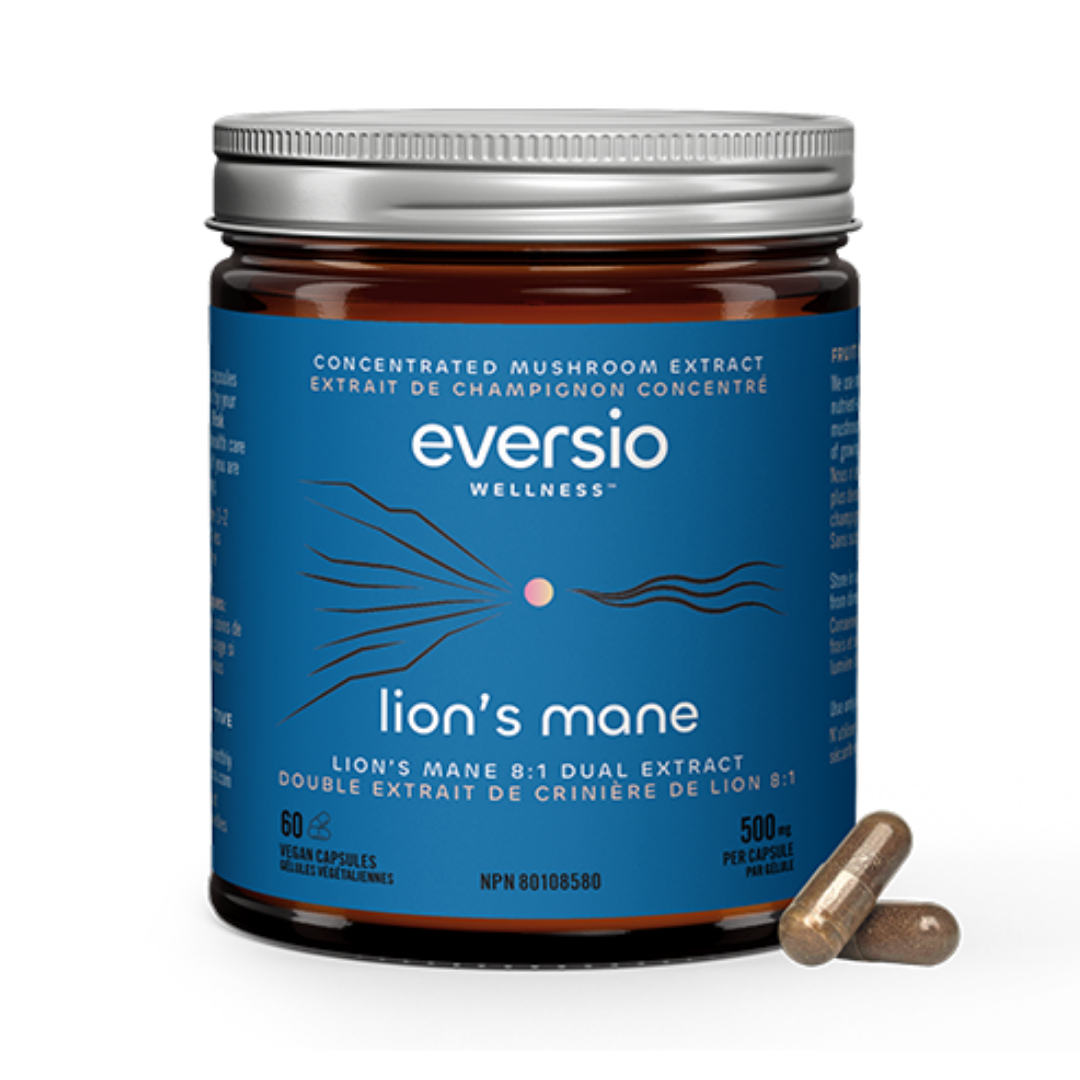
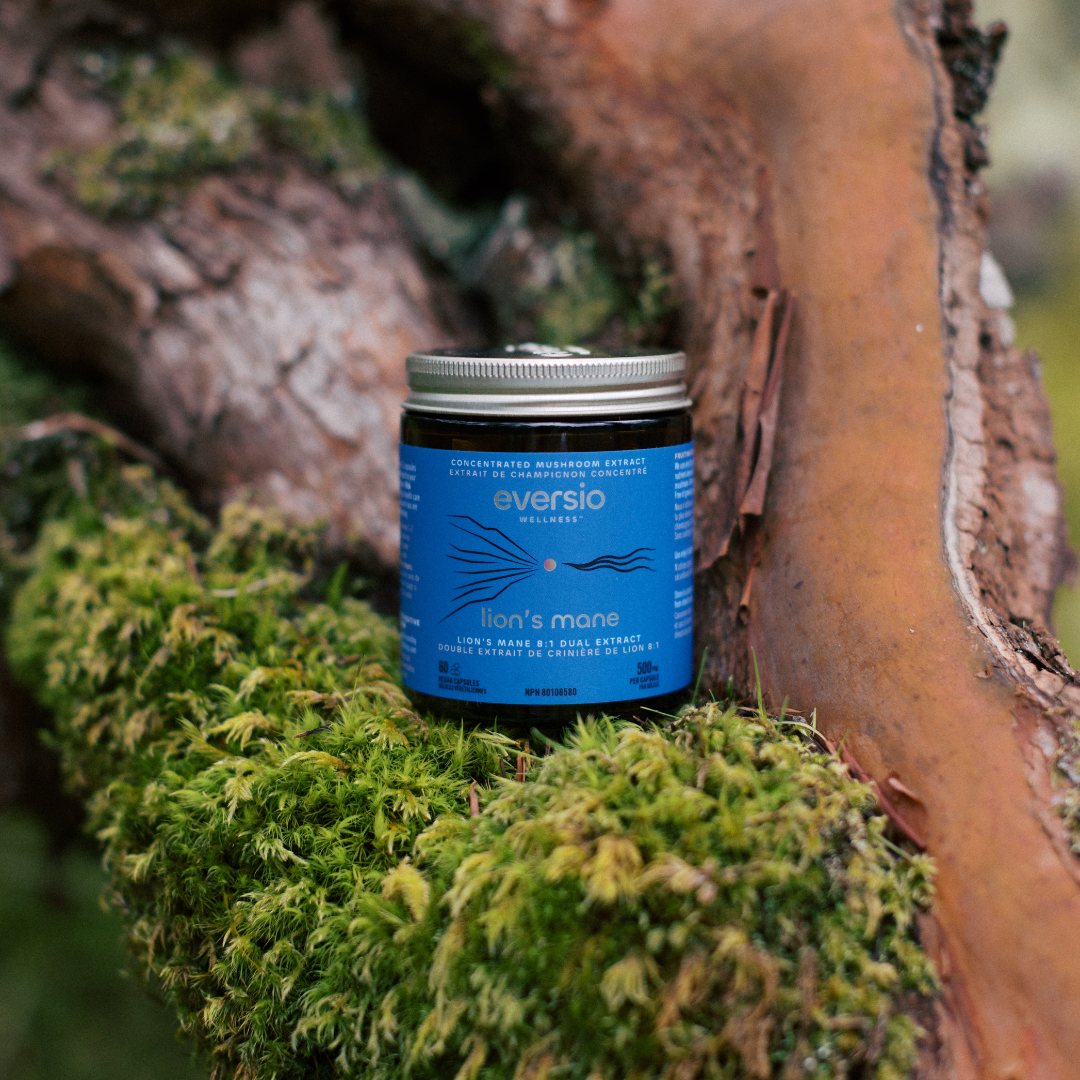
Our Focus Now Lion's Mane Capsules are crafted specifically to support cognitive function, memory, and mental clarity. This premium supplement features a highly concentrated 8:1 hot water extract, providing a Quantity Crude Equivalent (QCE) of 8000mg of dry mushroom in every single capsule. It is standardised to contain a minimum of 25% beta-glucans, ensuring you receive a potent, consistent dose of active polysaccharides.
How to use: For optimal results, we recommend taking 1 to 2 capsules daily to support your long-term cognitive health. This consistent daily routine allows the active compounds to accumulate and support your nervous system continuously.
Awaken 3 Mushroom Blend

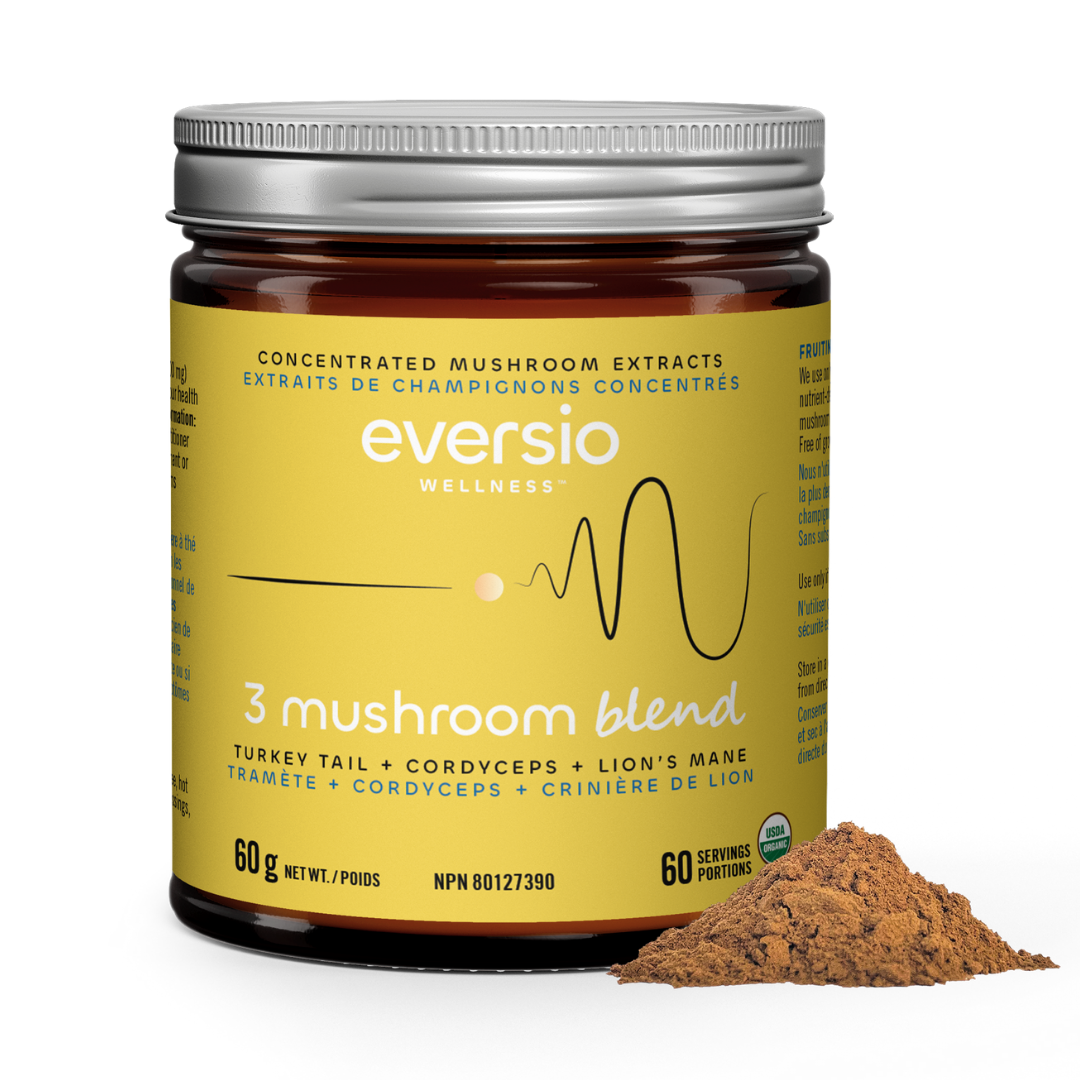
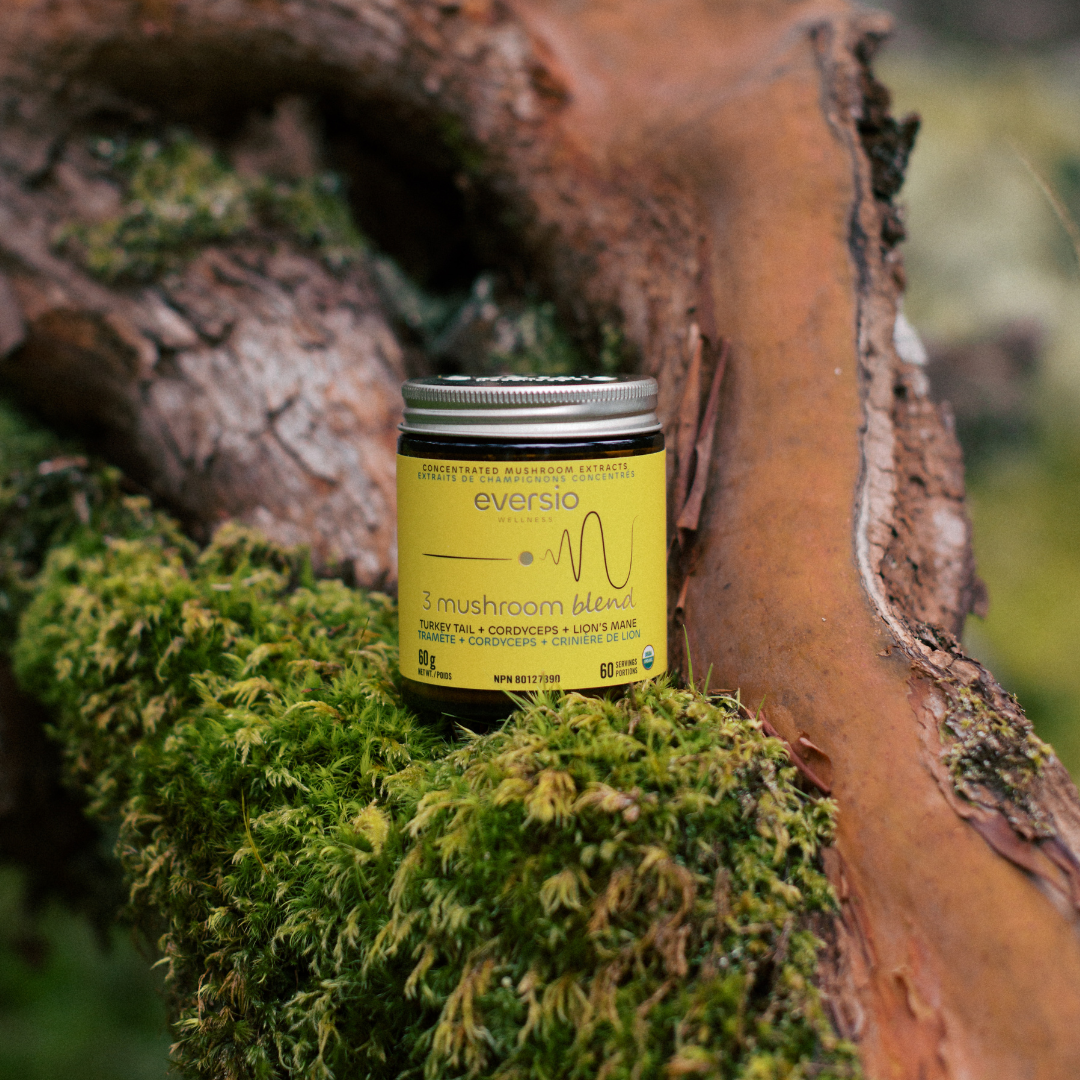
If you are looking for a comprehensive daily tonic, our Awaken 3 Mushroom Blend is an excellent choice. This organic, dual-extracted powder combines the cognitive support of Lion's Mane with the physical endurance benefits of Cordyceps and the immune-modulating power of Turkey Tail. It is a perfect, caffeine-free way to support your daily energy and cellular metabolism.
This premium formulation features a highly potent blend of 1:1 and 8:1 hot water and alcohol extracts, delivering a high Quantity Crude Equivalent (QCE) of therapeutic mushrooms per serving. It is standardised to contain a minimum of 30% beta-glucans, ensuring a highly concentrated dose of active polysaccharides with no added starch or grain fillers.
How to use: Simply mix 1/2 teaspoon (approx. 1000mg) daily into your morning coffee, tea, or smoothie. This versatile powder can also be blended into protein shakes or culinary recipes to easily elevate your daily wellness routine.
Balance 4 Mushroom Blend
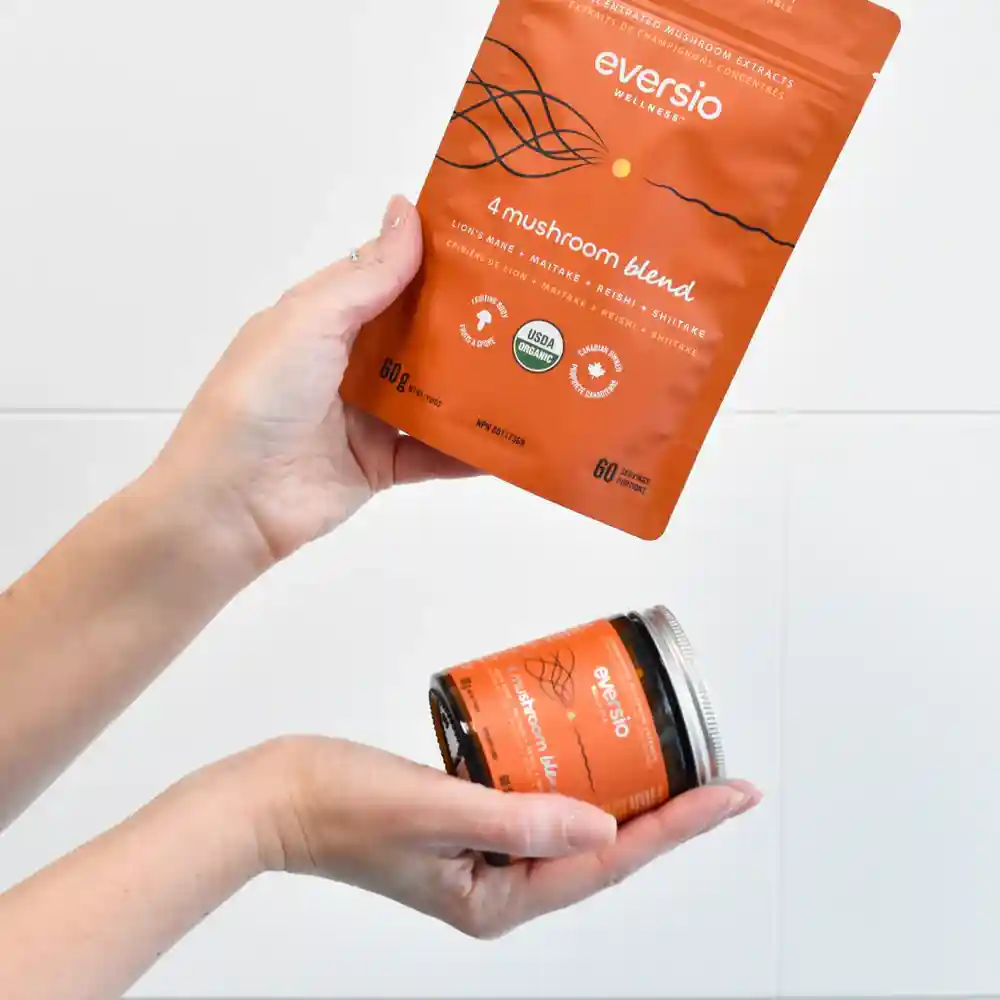
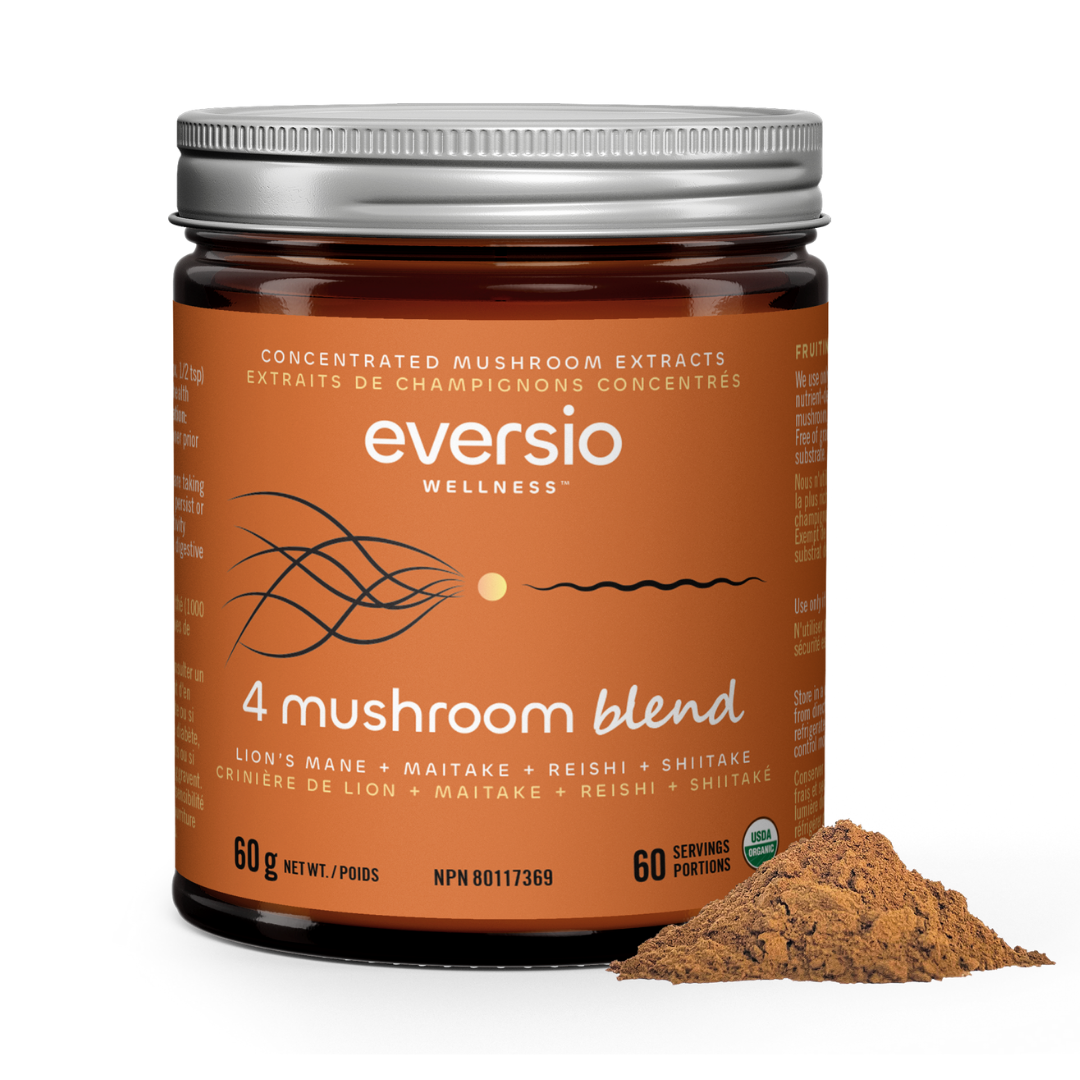
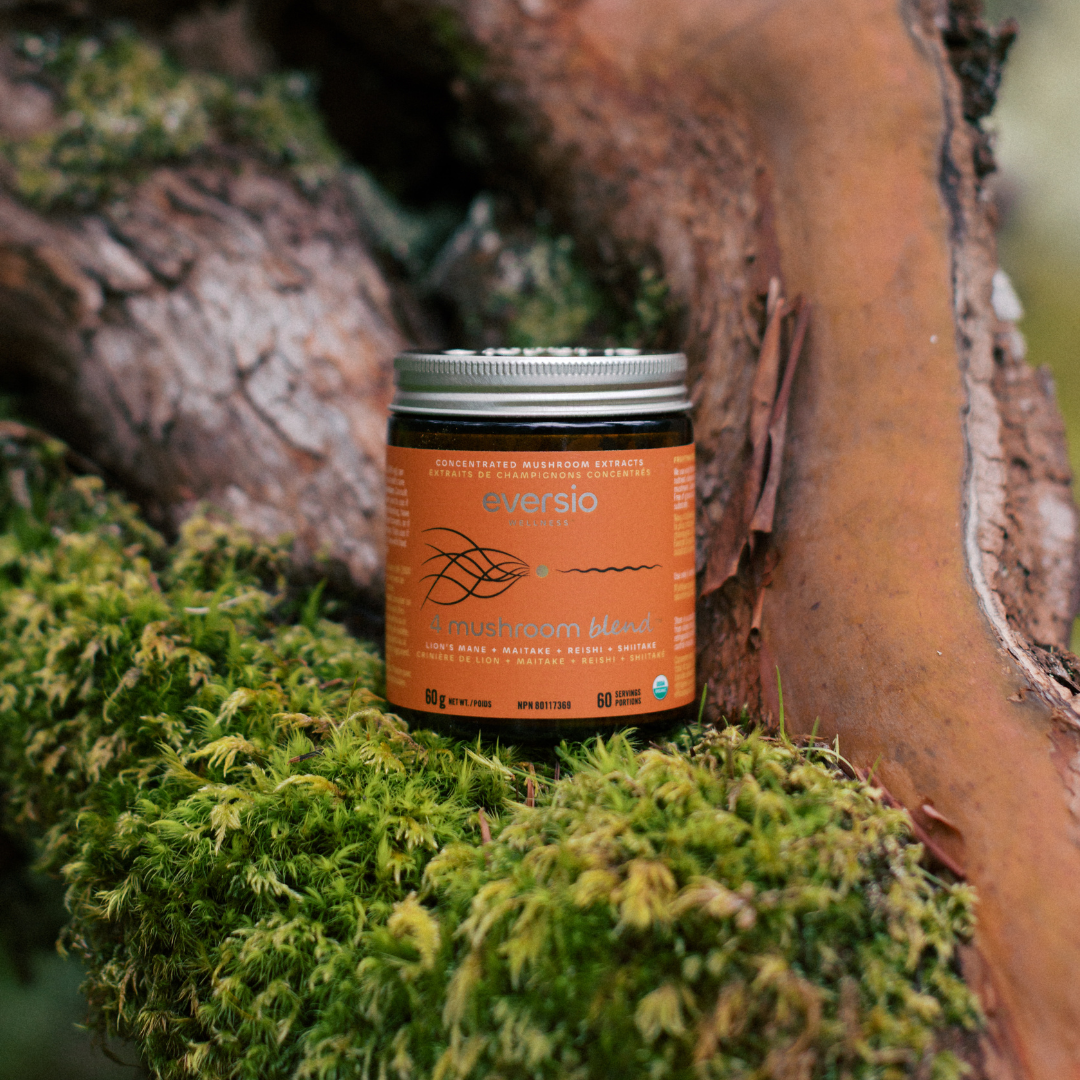
To support overall adaptogenic balance and systemic health, our Balance 4 Mushroom Blend brings together four of the most respected functional fungi: Lion's Mane, Reishi, Maitake, and Shiitake. This organic powder is dual-extracted to maximise the bioavailability of its beta-glucans and adaptogenic compounds, helping your body adapt to daily stressors and maintain metabolic equilibrium.
Our advanced dual-extraction process delivers a high Quantity Crude Equivalent (QCE) of active adaptogenic compounds, standardised to contain a minimum of 30% beta-glucans. This ensures you receive a pure, therapeutic-grade supplement designed to support your body's natural metabolic pathways.
How to use: Mix 1/2 teaspoon daily into any warm beverage or culinary recipe. For the best results, consume this blend consistently at the same time each day to support long-term adaptogenic balance.
Frequently Asked Questions about Lion's Mane
Does lion's mane affect human metabolic rate?
Current clinical evidence suggests that while lion's mane does not act as an acute stimulant to rapidly spike your metabolic rate, it may support long-term metabolic health. Its rich polysaccharide content supports healthy gut microbiota, and animal studies suggest it may support healthy lipid metabolism and fat oxidation. For immediate energy and metabolic support, consistent daily use over several weeks is key.
Is lion's mane safe to take every day?
Yes, lion's mane is exceptionally safe for daily, long-term use. It has GRAS status and has shown no adverse effects on liver or kidney function in clinical trials. Taking it consistently every day allows the active compounds to support your nervous and immune systems continuously. Learn more about incorporating this ritual into your routine in one capsule a day.
What is the difference between mycelium and fruiting body extracts?
The mycelium and the fruiting body represent different stages of the mushroom's life cycle and have distinct chemical profiles. The mycelium contains erinacines, while the fruiting body contains hericenones and a significantly higher concentration of beneficial beta-glucans. Many commercial mycelium products are grown on grain, resulting in high levels of starch filler. Choosing a whole fruiting body extract ensures you get a pure, highly concentrated, and standardised supplement.
This ensures you receive the maximum therapeutic benefits without any unwanted additives. For a detailed comparison, see our guide on how to compare lion's mane extract capsules.
Where Lion's Mane Metabolism Meets Your Daily Ritual
Understanding lion's mane metabolism reveals just how much cellular and evolutionary intelligence is packed into this shaggy white fungus. From its complex genetic pathways that synthesise neuroprotective compounds to its supportive role in human lipid and cognitive pathways, lion's mane is a true cornerstone of functional nutrition. At Eversio Wellness, we are committed to delivering this cellular magic in its purest, most bioavailable form through our organic, dual-extracted, whole fruiting body supplements.
Ready to elevate your daily wellness ritual with premium, science-backed adaptogens? Explore the Full Eversio Wellness Collection today to find the perfect blend for your health goals.








Leave a comment
This site is protected by hCaptcha and the hCaptcha Privacy Policy and Terms of Service apply.