

Why Understanding the Energy-Weight Connection Matters

Energy and weight loss are deeply interconnected. Here are some key points to keep in mind:
- Weight loss may support energy levels: Research suggests that losing about 10% of your body weight can be linked with higher reported energy, reduced chronic pain, and better mood.
- Your body resists weight loss: Metabolic compensation, hormonal changes such as shifts in leptin and ghrelin, and genetic factors can make sustained weight loss challenging.
- Diet and exercise work together: Creating a modest energy deficit through both nutrition and movement is generally more effective than focusing on either one alone.
- Sustainable lifestyle changes win: Restrictive, short term diets are hard to maintain. Gradual weight loss of about 0.5 to 1 kg per week is more realistic for long term change.
- Energy density matters: Choosing foods with a lot of water and fibre, such as vegetables, fruit, legumes, and whole grains, can help you feel full on fewer kilojoules.
- Sleep and support are crucial: Aiming for 7 to 9 hours of sleep and building social connections can naturally support both energy levels and weight management.
The obesity epidemic has reached concerning levels, with a large proportion of adults in many countries now classified as overweight or living with obesity. If you have ever felt stuck in a cycle of low energy leading to less movement, which then makes weight management even harder, you are not alone. The encouraging news is that the relationship between energy and weight loss is two way. When you lose weight through sustainable lifestyle changes rather than crash dieting, your energy levels may improve over time, as several studies show people who reduced their body weight by around 10% reported less pain, a more stable mood, and more energy for daily life.
I'm Brandi Garden, co-founder of Eversio Wellness. My own experience with autoimmune challenges and burnout led me to explore natural ways to support energy and weight management, and to discover the supportive role that functional mushrooms may play as part of a holistic lifestyle. In this guide, we will explore the science behind the energy weight connection and share practical, balanced strategies to help you work towards lasting results. Emerging research on weight, energy, and metabolism includes work published in journals such as The Journal of Pain, Obesity Reviews, and The New England Journal of Medicine, which explore how modest weight loss, metabolic adaptation, and behavioural changes interact over time.
Similar topics to energy and weight loss:
The Surprising Link: How Weight Loss Boosts Energy and Reduces Pain
Many of us know that carrying extra weight can impact our physical health, but the connection between weight loss and our daily feelings of energy and chronic pain is often underestimated. When we shed excess kilos, we're not just changing our appearance; we're fundamentally improving our body's functionality and reducing systemic stress.
Weight loss can have a significant impact on chronic pain and energy levels. Excess body weight places increased mechanical stress on our joints, particularly in the lower back, hips, and knees, which can exacerbate existing pain conditions or lead to new ones. Losing weight can help alleviate this pressure, potentially offering significant relief. Beyond mechanical stress, obesity is often linked to chronic inflammation throughout the body, which may contribute to pain in various areas.
The Science Behind a 10% Weight Loss
The scientific evidence suggests a strong link. A study published in The Journal of Pain found that a 10% or more decrease in body weight led to significant improvements in pain levels, depressive symptoms, and energy levels in participants. This may be because weight loss can help reduce inflammation by supporting the production of anti-inflammatory molecules like interleukin-10. These molecules play a role in calming inflammatory responses, which may translate to reduced pain and improved overall wellbeing.
Imagine feeling less stiffness in your joints, or having fewer aches and pains that previously drained your energy. This is a reality for many who achieve even a modest weight reduction. The study involved 123 participants, with 99 of them achieving at least a 10% reduction in body weight over a 12-week low-calorie diet and experiencing these tangible benefits. This suggests that even a seemingly small percentage of weight loss can yield significant results for your comfort and vitality.
Beyond Pain Relief: Other Major Health Wins
The benefits of weight loss extend far beyond just feeling better and having more energy. Reducing your body weight by even 5% to 10% may significantly lower your risk for a range of serious health conditions. These comprehensive health improvements paint a clear picture that achieving a healthy weight is a cornerstone of overall wellbeing.
- Reduced risk of type 2 diabetes: Weight loss improves insulin sensitivity, helping your body manage blood sugar more effectively.
- Lower blood pressure: Shedding extra kilos can ease the strain on your heart and blood vessels.
- Improved heart health: It lowers levels of bad cholesterol and triglycerides, reducing your risk of heart disease.
- Better sleep quality: Weight loss can alleviate conditions like sleep apnoea, leading to more restful nights and sustained energy throughout the day.
- Reduced risk of stroke and certain cancers: Many studies link obesity to an increased risk of these conditions, and weight loss can help mitigate these risks.
Understanding Your Body's Resistance to Weight Loss
If you have ever struggled to lose weight or found the weight returning after a period of success, you are not alone. Our bodies are highly adaptive and are equipped with mechanisms that tend to protect a certain weight range, sometimes called a "set point". This likely comes from an evolutionary need to survive periods when food was scarce.

The Role of Metabolism, Hormones, and Genetics in Energy and Weight Loss
When we reduce our energy intake, the body may interpret this as a sign of threat. In response, several physiological systems adjust, which can make weight loss feel like an uphill climb:
- Metabolic compensation: When you eat fewer kilojoules, your body often responds by using less energy at rest. This means you may burn fewer kilojoules simply by being alive and going about your day. Researchers describe this as an adaptive reduction in energy expenditure that helps defend your current weight.
- Hormonal changes: Weight loss is often accompanied by changes in hormones that regulate appetite. Levels of leptin, which is mainly produced by fat cells and signals fullness to the brain, usually fall. At the same time, levels of ghrelin, sometimes called a hunger hormone, tend to rise. Together, these can increase appetite and reduce feelings of satisfaction after eating.
- Brain activity: Studies using brain imaging have found that, after weight loss, brain regions involved in reward and self control may respond differently to food cues. This means that while your hormones are encouraging you to eat more, it may also feel harder to regulate your intake.
- Set point weight theory: Some scientists propose that the body defends a preferred weight range through changes in metabolism, hormones, and appetite. This set point may be influenced by genetics, age, past dieting, and hormonal changes over time.
- Genetic predispositions: More than 400 genes have been associated with body weight regulation. These can influence appetite, how efficiently your body uses and stores energy, and how likely you are to gain weight in certain environments. Genes are not destiny, but they can make weight management more or less challenging.
Understanding these biological forces is not a reason to give up. It is a way to set realistic expectations and to choose strategies that work with your body over the long term. Reviews in journals such as Obesity Reviews and The Lancet Diabetes & Endocrinology discuss how these adaptive responses shape long term weight outcomes.
Why Fad Diets Struggle and Risks of Rapid Weight Loss
Many people who lose a large amount of weight eventually regain much of it. This pattern, often called weight cycling, can feel discouraging and may affect both physical and emotional wellbeing.
Fad diets that promise very rapid weight loss through severe restriction or cutting out whole food groups often ignore how strongly the body responds to energy shortages. When you lose weight too quickly, you may also lose muscle tissue along with fat. Since muscle is more metabolically active than fat, this can further reduce your resting metabolic rate.
Some potential downsides of repeated cycles of intense dieting include:
- Metabolic slowdown: As explained above, energy expenditure can drop as the body adapts to restriction.
- Nutrient gaps: Highly restrictive patterns may make it harder to meet your needs for vitamins, minerals, and other nutrients.
- Heart and metabolic health concerns: Observational research has linked large fluctuations in body weight with less favourable heart and metabolic markers in some groups.
- Emotional strain: Constant focus on dieting can affect your relationship with food and body image.
Instead of quick fixes, it is usually more effective to make small, realistic changes that support a modest energy deficit and that you can keep up over time. This might include focusing on fibre rich whole foods, regular physical activity, better sleep, and stress management. Reviews in The New England Journal of Medicine and BMJ highlight the value of long term lifestyle approaches compared with short term dieting.
Fuelling Your Body: The Synergy of Diet and Exercise
Achieving sustainable energy and weight loss is not about choosing between diet or exercise. It is about understanding how these two elements can support each other as part of a broader lifestyle that also includes sleep, stress management, and social connection.
The Power of Diet: Eating for Satiety and Steady Energy
Nutrition plays a central role in weight management by shaping your energy intake and how satisfied you feel after meals. While movement uses energy, it is often more practical to reduce energy intake through mindful food choices than to rely only on exercise.
One helpful concept is energy density, which describes how many kilojoules are contained in a given weight or volume of food. Foods with low energy density allow you to eat more volume for fewer kilojoules, which can support fullness during weight loss.
For example, a cup of raisins has far more kilojoules than a cup of grapes, even though both come from the same fruit. Grapes contain more water and therefore fewer kilojoules per cup. Many vegetables and whole fruits are similar in this way, while foods that are mostly fat, such as butter, tend to be very energy dense.
Here are some practical tips for using this principle:
- Fill up on fibre: Most people eat far less fibre than recommended. Fibre rich foods such as vegetables, fruits, whole grains, lentils, beans, and peas add bulk and help keep you full on fewer kilojoules.
- Prioritise vegetables: Non starchy vegetables, such as leafy greens, broccoli, capsicum, and zucchini, are generally low in energy and high in water and fibre.
- Choose whole fruits: Whole fruits usually offer more fibre and volume than juices or dried fruits.
- Include lean proteins: Higher protein intakes, within a balanced diet, have been linked with better satiety, preservation of lean mass during weight loss, and support for resting energy expenditure.
- Favour whole grains: Oats, brown rice, quinoa, and wholemeal bread contain more fibre and nutrients than refined grains.
- Hydrate wisely: Water contains no kilojoules and can support appetite regulation. Replacing sugary drinks with water or unsweetened herbal tea is a simple shift with a meaningful impact over time.
The Role of Exercise in Supporting Energy and Weight Loss
Physical activity does more than burn kilojoules. It supports metabolic health, helps maintain muscle mass, and may positively influence appetite and food choices.
Key ways exercise may help include:
- Energy expenditure: Activities such as brisk walking, cycling, or swimming increase the number of kilojoules you use each day. Over weeks and months, these differences add up.
- Appetite regulation: Research suggests that exercise can help some people regulate appetite, potentially making it easier to respond to hunger and fullness cues in a balanced way.
- Food reward: Regular physical activity is associated in some studies with a shift towards preferring more nutrient dense foods and fewer highly processed, high fat, high sugar options.
- Muscle maintenance: Resistance training, such as lifting weights or using body weight exercises, helps build and preserve lean muscle mass. Since muscle uses more energy at rest than fat, this can support a healthier metabolism during and after weight loss.
- Insulin sensitivity: Movement is one of the most effective ways to support how the body responds to insulin, which is important for energy use and storage.
- Energy and mood: Many people notice that moving more can support their overall energy, sleep quality, and mood, all of which can make it easier to follow through on other health habits.
Many public health guidelines suggest aiming for at least 150 to 300 minutes per week of moderate intensity activity, or 75 to 150 minutes of vigorous activity, plus strength training on two or more days per week. Your ideal routine will depend on your starting point, preferences, and any health conditions, so it is always wise to seek personalised advice.
Lifestyle Strategies for Sustainable Success
Achieving lasting energy and weight loss is influenced by much more than food and exercise. Factors such as sleep, stress, and social connection shape hormones, appetite, and daily choices.
Setting Goals and Staying Motivated
Motivation naturally rises and falls, so it can help to have a simple plan and ways to recognise your progress. One practical framework is to set goals that are specific, measurable, achievable, relevant, and time bound.
For example, instead of "I want to lose weight", you might choose "I will walk for 20 minutes after dinner four nights each week for the next month". This kind of behaviour focused goal helps you concentrate on actions you can control.
It is also worth noticing changes that are not related to the scale. You might find that your clothes fit differently, your sleep feels deeper, or you have more energy for family, work, or hobbies. These non scale shifts can be powerful markers of progress, and it is important to remember that two often overlooked pillars of energy and weight loss are sleep and social support.
The Non Negotiables: Sleep and Social Support
- Sleep: Quality sleep supports hormone balance, including hormones that influence appetite and cravings. Short or disrupted sleep has been linked with a stronger preference for energy dense, highly processed foods and with higher overall energy intake. Aim for 7 to 9 hours of sleep most nights, and consider building a simple wind down routine to support this.
- Social support: Humans are social by nature, and having supportive people around you can make health changes feel more manageable. This support might come from friends, family members, colleagues, or a community group. Sharing your goals, cooking together, or exercising with others can provide accountability, encouragement, and enjoyment.
A holistic approach that brings together nutrition, movement, sleep, stress management, and social connection provides a foundation not only for weight management, but for long term wellbeing. Studies in journals such as Sleep, American Journal of Clinical Nutrition, and Health Psychology continue to show how these lifestyle factors interact with weight and energy over time.
Products: Functional Mushrooms to Support Energy and Weight Management
At Eversio Wellness, we view functional mushrooms as one supportive element within a broader lifestyle that includes balanced nutrition, regular movement, sufficient sleep, and effective stress management. Our organic mushroom extract capsules are designed to complement, not replace, these foundations or any medical care.
All of our products are made from USDA Certified Organic, whole fruiting body mushrooms. We use dual extraction methods where appropriate to capture both water soluble and fat soluble compounds, and we prioritise high levels of beta glucans, which are naturally occurring polysaccharides found in many medicinal mushrooms. Every batch is independently tested, including Aflatoxin testing by Pura and Beta Glucan testing by SGS, and you can review the details on our Certificate of Analysis page.
Energize Now - Organic Cordyceps 8:1 Extract Capsules

Our Energize Now - Organic Cordyceps 8:1 Extract Capsules feature a concentrated extract of organic Cordyceps mushrooms, which have a long history of traditional use for supporting stamina and vitality. Modern research is exploring how Cordyceps may help support the production of adenosine triphosphate, or ATP, which is the primary energy carrier in our cells.
By supporting cellular energy pathways, Cordyceps may help you feel more prepared for daily movement and exercise. This can be especially helpful when you are building new activity habits as part of a weight management plan. Rather than acting as a stimulant, Cordyceps is often described as supporting more steady, sustainable energy.
Our 8:1 extract means that 8 parts of dried mushroom are used to produce 1 part of finished extract, providing a concentrated source of active compounds. Incorporating Cordyceps into your routine can be one way to complement habits such as regular walking, strength training, and balanced meals.
The Awaken Blend - 3 Mushroom Blend Organic Extracts
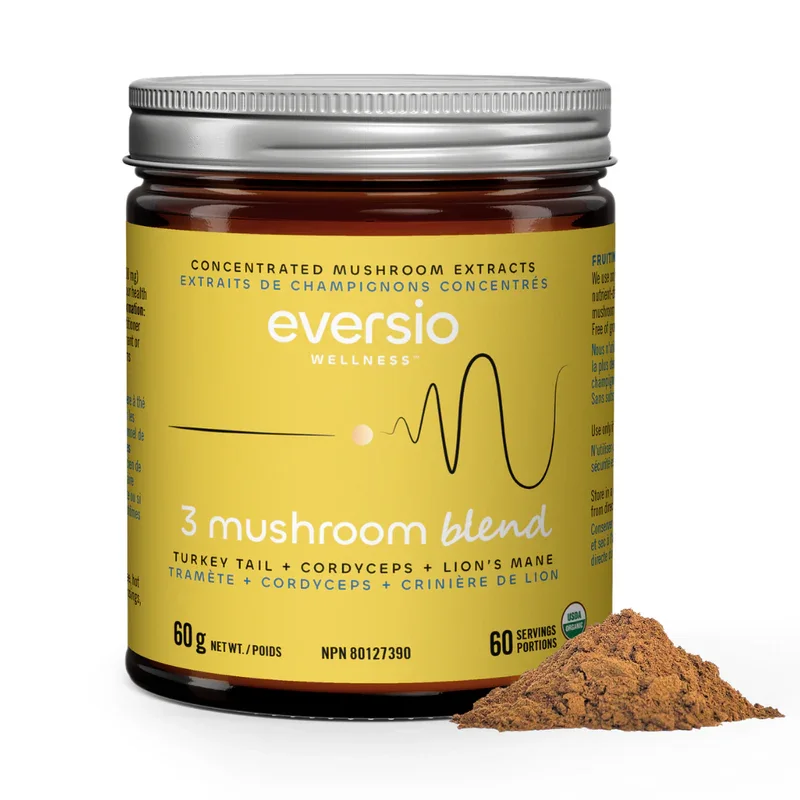
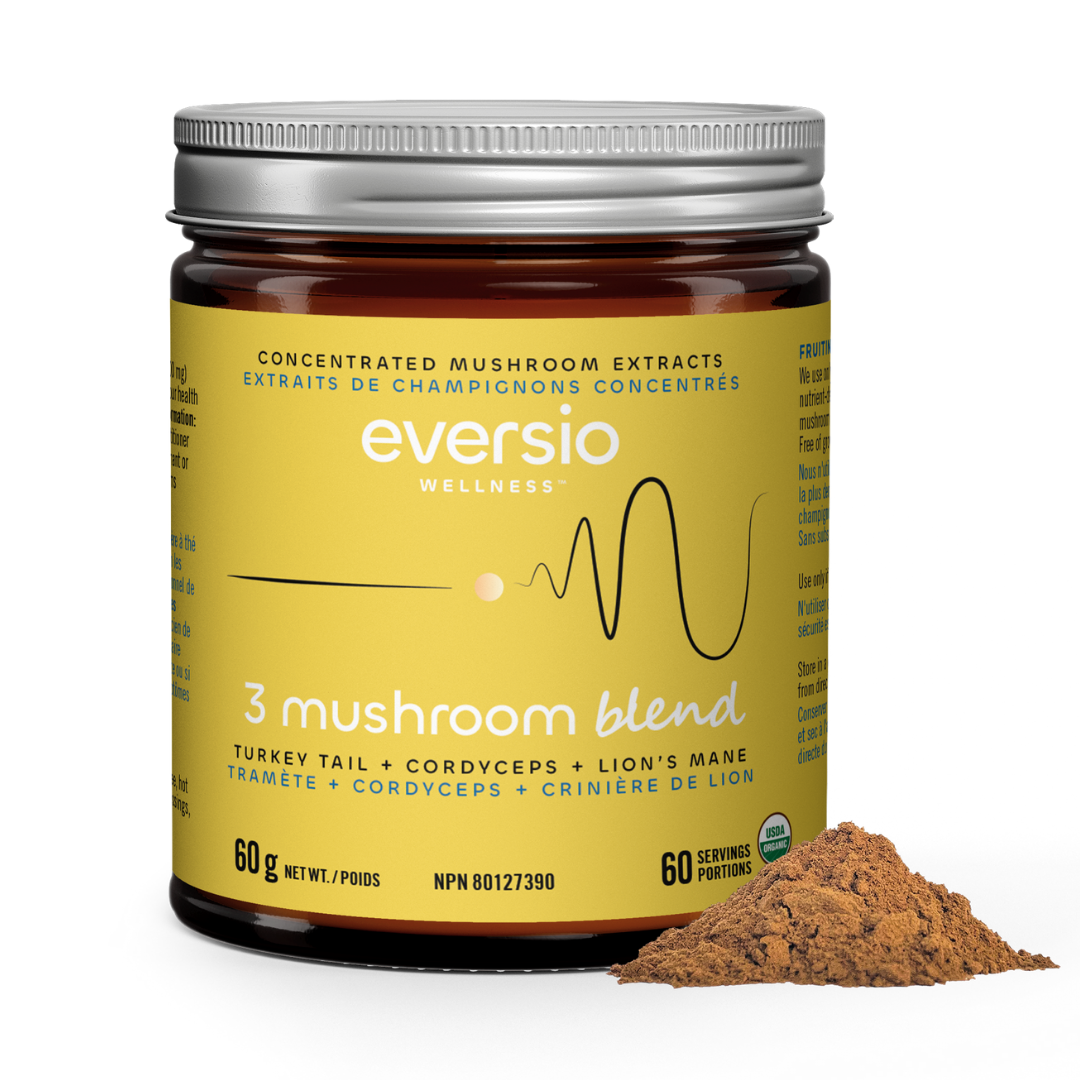
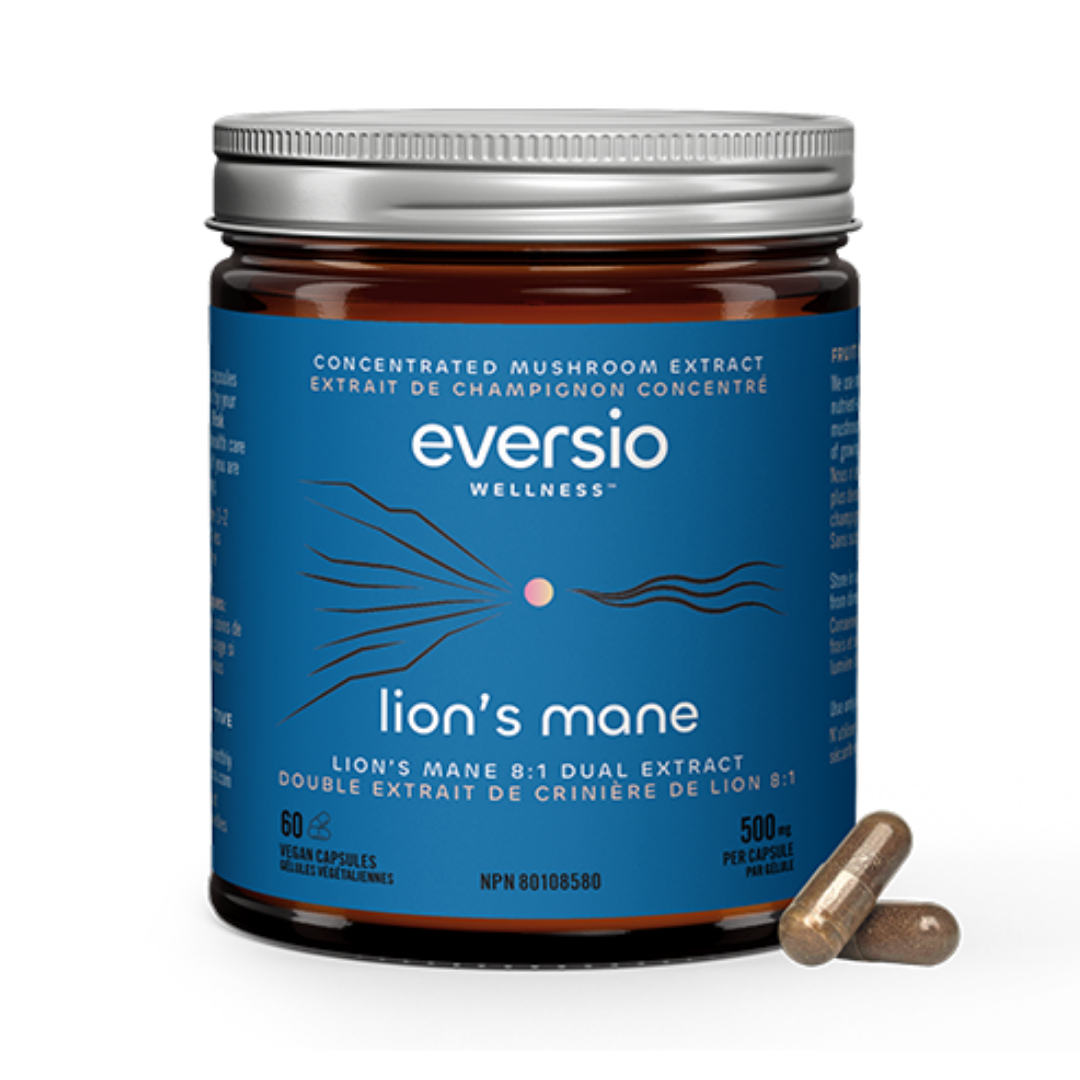
The Awaken Blend (3 Mushroom) combines Turkey Tail, Cordyceps, and Lion's Mane in an organic powdered extract designed to support morning energy, focus, and everyday resilience.
Cordyceps in this blend helps support physical energy and endurance. Lion's Mane is being investigated for its potential to support brain health and mental clarity, which may help you stay focused on your long term goals. Chaga is rich in antioxidant compounds that may help the body manage everyday oxidative stress.
Taken together, The Awaken Blend is designed to support both physical and mental energy. When paired with habits such as a nutrient dense breakfast, a regular morning walk, and time outdoors, it may help you feel more ready to approach your day and stay engaged with your movement and nutrition plans.
A Holistic Approach to Energy and Weight Management
Understanding the connection between energy and weight loss can help you choose habits that support your body in a realistic, sustainable way. Modest, steady weight loss achieved through balanced nutrition, regular movement, quality sleep, and stress management may support higher energy, less discomfort, and a greater sense of wellbeing.
Functional mushrooms can play a supportive role within this bigger picture. By focusing on whole food based eating, enjoyable physical activity, and consistent lifestyle routines, you create the foundation. Thoughtfully chosen mushroom extracts from Eversio Wellness can then be layered in to help support cellular energy, resilience, and mental clarity.
At Eversio Wellness, we are committed to organic ingredients, concentrated extracts, and rigorous third party testing so you can feel confident about what you are taking. Our aim is to educate and empower you to integrate functional mushrooms into a holistic lifestyle that feels achievable and sustainable. Explore our full range of Eversio Wellness mushroom capsules today.














Leave a comment
This site is protected by hCaptcha and the hCaptcha Privacy Policy and Terms of Service apply.