

Why Endurance and Stamina Are the Foundation of Every Fitness Goal

Endurance and stamina are two of the most frequently used words in fitness conversations, yet most people use them as if they mean exactly the same thing. They are related, but there is a meaningful difference between them, and understanding that difference can genuinely change how you train.
Here is a quick breakdown to address what most people want to know:
- Stamina is your ability to sustain high-intensity effort without fatiguing. Think of a sprinter pushing at near-maximum output for a short burst.
- Endurance is your ability to keep a lower-intensity activity going for a prolonged period. Think of a marathon runner settling into a steady, sustainable pace for hours.
- The key distinction: stamina is about maximising output, while endurance is about maximising duration.
- Both matter for overall health and performance, and most people benefit from training each one.
- Timeline: noticeable improvements in endurance can appear in as little as 8 to 12 weeks, while optimal stamina development typically requires 6 to 9 months of consistent training.
For a new runner, these two qualities might sound like one and the same. It is easy to assume that being fit simply means being able to go longer or harder. But the physiological mechanisms behind each are distinct, and so are the training methods, nutritional strategies, and recovery protocols that support them.
This guide covers everything you need to know, from the science of oxygen delivery and ATP production, to practical training plans, nutrition strategies, and the role that functional mushrooms like Cordyceps and Reishi may play in supporting your physical performance and recovery.
I am Brandi Garden, co-founder of Eversio Wellness and a passionate advocate for natural, evidence-informed wellness solutions, and my own experience navigating burnout and autoimmune challenges sparked a deep interest in how endurance and stamina can be supported sustainably through functional mushrooms. Read on to discover how to build both qualities safely, effectively, and holistically.
Explore more about Endurance and stamina:
Stamina vs. Endurance: Understanding the Core Differences
To design an effective fitness programme, we must first look at how these two physical attributes differ in practice. While we often use them interchangeably in everyday conversation, sports scientists and trainers view them as distinct aspects of physical capacity.
Stamina vs. Endurance: Is There a Difference? | HowStuffWorks explains that stamina is primarily concerned with the amount of time a muscle or muscle group can perform at or near maximum capacity. It is an output-focused measure. When an elite footballer repeatedly sprints down the field at top speed, play after play, they are demonstrating high levels of stamina.
Endurance, on the other hand, is a duration-focused measure. It describes the body's physical capability to sustain a specific submaximal exercise or activity for a prolonged period. Endurance is divided into two main categories: cardiovascular endurance, which is the ability of your heart and lungs to deliver oxygen to working muscles, and muscular endurance, which is the ability of specific muscles to contract repeatedly against resistance.
A simple way to picture this difference is by looking at weight training. If you perform a single repetition of a very heavy bicep curl, you are testing raw strength. If you perform six repetitions with a moderately heavy weight, you are testing stamina. If you lower the weight and perform twenty repetitions, you are testing muscular endurance.
There is also a qualitative versus quantitative distinction to consider. Endurance can be measured objectively using metrics such as time to exhaustion, heart rate zones, and oxygen consumption. Stamina is often viewed as a qualitative catch-all term that combines your physical capacity with your psychological state, representing your ability to tolerate high-intensity discomfort without giving up.
The Physiology of Sustained Physical Performance
Sustaining physical effort requires a complex coordination of multiple biological systems. At the heart of all physical movement is the production of adenosine triphosphate, or ATP, which acts as the primary energy currency for our cells. Every muscular contraction, neural signal, and breath relies on the constant regeneration of ATP.
Our bodies produce ATP through both anaerobic and aerobic pathways. During short, high-intensity activities that demand high stamina, our muscles rely heavily on anaerobic pathways, which produce energy quickly without requiring oxygen. This process leads to the accumulation of metabolic byproducts, which eventually causes that familiar burning sensation in working muscles and limits how long we can sustain the effort.
For long-duration endurance activities, the body relies on aerobic energy production. This pathway is highly efficient and uses oxygen to convert carbohydrates and fats into ATP. The efficiency of this system is governed by several key physiological factors:
- Slow-twitch muscle fibres: These Type I muscle fibres are packed with mitochondria and are highly resistant to fatigue, making them ideal for sustained, submaximal activities.
- Lactate threshold: This is the exercise intensity at which lactate starts to accumulate in the bloodstream faster than it can be removed. A higher lactate threshold allows you to maintain a faster pace for longer.
- VO2 max: This metric measures the maximum volume of oxygen your body can utilise during intense exercise, reflecting the overall efficiency of your cardiovascular system.
In scientific literature, researchers also look at how these systems maintain their function over time. According to a landmark study on Physiological Resilience: What Is It and How Might It Be Trained?, physiological resilience is a critical determinant of long-duration performance. It refers to an athlete's ability to resist functional decline and preserve their baseline VO2 max, running economy, and metabolic efficiency even after hours of continuous exercise.
The Physiological Mechanisms of Endurance and Stamina
To understand how our bodies adapt to consistent training, we have to look closely at cellular and vascular changes. When we perform regular aerobic exercise, our bodies respond by building denser networks of capillary beds around our muscle fibres. This increased capillary density allows for more efficient oxygen transport and nutrient delivery directly to the working muscles.
At the same time, training stimulates mitochondrial biogenesis, which is the creation of new mitochondria within our cells. Mitochondria are the powerhouses where aerobic ATP production takes place. Increasing mitochondrial density means your muscles can produce more energy with less effort, directly improving your running economy and stamina.
The neural mechanisms of fatigue also play a massive role in performance. In the podcast episode Essentials: How to Build Endurance, the discussion highlights how quitting is often a neural phenomenon rather than a purely muscular limit. The brainstem contains a structure called the locus coeruleus, which releases epinephrine as a readiness signal. When these neural signals peak alongside physical fatigue, our perception of effort increases, prompting the brain to slow the body down to protect itself.
This is where organic, dual-extracted Cordyceps mushrooms may help support physical performance. Research suggests that Cordyceps contains bioactive compounds like cordycepin, which structurally resembles adenosine, a key component of ATP. By supporting mitochondrial efficiency and oxygen utilisation, Cordyceps may help support the body's natural energy production pathways, helping you maintain physical output for longer periods.
Furthermore, a clinical study published in the Journal of Dietary Supplements demonstrated that acute supplementation with Cordyceps militaris can significantly improve tolerance to high-intensity exercise. This research supports the traditional use of these functional mushrooms for enhancing stamina and delaying the onset of physical fatigue.
Training Strategies to Build Endurance and Stamina
Building a balanced fitness profile requires a combination of different training modalities. To stimulate adaptation, we must apply the principle of progressive overload, which involves gradually increasing the volume, intensity, or frequency of our workouts over time. We also rely on the SAID principle (Specific Adaptations to Imposed Demands), which states that the body will adapt specifically to the type of stress placed upon it.
To build a strong aerobic base, we use the 80/20 rule of training. This approach dictates that approximately 80 percent of our weekly training volume should be performed at a low, conversational intensity (Zone 1 and Zone 2), while the remaining 20 percent is dedicated to high-intensity workouts. This balance allows us to build vascular and mitochondrial adaptations without overtraining or risking injury.
Here is a list of highly effective training methods to develop both physical capacities:
- Zone 2 Steady-State Cardio: Running, cycling, or swimming at a pace where you can easily hold a conversation. This builds your aerobic base, increases capillary density, and improves fat oxidation.
- High-Intensity Interval Training (HIIT): Alternating short bursts of maximum effort with periods of active recovery. This targets anaerobic capacity, raises your VO2 max, and builds stamina.
- Tempo Runs: Sustained running at a pace just below your lactate threshold, usually for 20 to 40 minutes, to train your body to clear metabolic byproducts more efficiently.
- High-Volume, Low-Load Resistance Training: Performing exercises like squats, lunges, and push-ups with light weights for 15 to 20 repetitions per set, keeping rest periods under 60 seconds to build muscular endurance.
- Hill Repeats: Sprinting up a steep incline for 30 seconds and walking back down to recover. This builds explosive lower-body power and muscular stamina.
How Beginners Can Safely Develop Endurance and Stamina
If you are new to training, the most important factor is consistency. It is incredibly easy to do too much too soon, which leads to excessive muscle soreness, burnout, or injury. Beginners should focus on building a habit of movement before worrying about high-intensity work.
A great rule of thumb is the 10 percent rule, which states that you should never increase your weekly running mileage or total workout duration by more than 10 percent from the previous week. This gradual progression gives your joints, tendons, and muscles adequate time to adapt to the physical stress of training.
Beginners should also learn to monitor their intensity using target heart rate zones. To find your approximate maximum heart rate, subtract your age from 220. Moderate-intensity exercise should keep your heart rate between 50 and 70 percent of this maximum, while vigorous exercise will push it to 70 to 85 percent. Staying in the moderate zone for the majority of your workouts ensures you are building an aerobic base safely.
Fuel, Hydration, and Recovery: The Pillars of Durability
Training is only half of the equation. Without proper nutrition, hydration, and recovery, your body cannot adapt to the physical demands of exercise. Fuelling your body correctly ensures that your glycogen stores, which are the primary source of carbohydrates stored in your muscles and liver, remain topped up for intense efforts.
During long-duration endurance events, the body must balance glycogen preservation with fat oxidation. While carbohydrates are the most efficient fuel source for high-intensity work, our bodies can store only a limited amount of glycogen. Training at lower intensities teaches the body to utilise fat as a primary fuel source, sparing precious glycogen for the final stages of a long run or race.
This concept is beautifully illustrated in Rachel Entrekin’s Cocodona 250 Win Shows the Power of Durability, which highlights how physiological resilience and consistent fuelling are essential for ultra-endurance success. Ultra-runners often consume small amounts of carbohydrates every 15 to 20 minutes to maintain steady blood glucose levels and prevent hitting the wall.
Hydration and electrolyte balance are equally critical. When we sweat, we lose both water and essential minerals like sodium, potassium, and magnesium. These electrolytes are vital for the sodium-potassium pump that allows our nerve cells to transmit signals and our muscles to contract. Drinking at least 500ml of water two hours before a workout and replacing lost electrolytes during long sessions will help prevent muscle cramping and maintain performance.
Finally, sleep hygiene is the ultimate recovery tool. During deep sleep, the body releases growth hormone, which stimulates tissue repair and muscle growth. Aiming for 7 to 9 hours of quality sleep each night is essential for rebuilding the microscopic tears in muscle fibres caused by training.
The Mental Game: Developing Psychological Resilience
Sustaining physical effort is as much a mental challenge as it is a physical one. According to the central governor theory, the brain acts as a safety mechanism, regulating exercise intensity to prevent physical damage. When you feel like you cannot run another step, your muscles are usually far from their actual physical limit; instead, your brain is signalling fatigue to protect your organs.
Developing psychological resilience involves training your mind to tolerate this discomfort. Practising positive focus, such as concentrating on your breathing, your stride, or the scenery rather than the burning in your legs, can help lower your perceived exertion.
Stress management outside of training is also vital. Chronic mental stress elevates cortisol levels, which can impair muscle recovery and deplete your cognitive reserves. This is where adaptogenic functional mushrooms like Reishi mushrooms and Lion's Mane mushrooms may help support your routine.
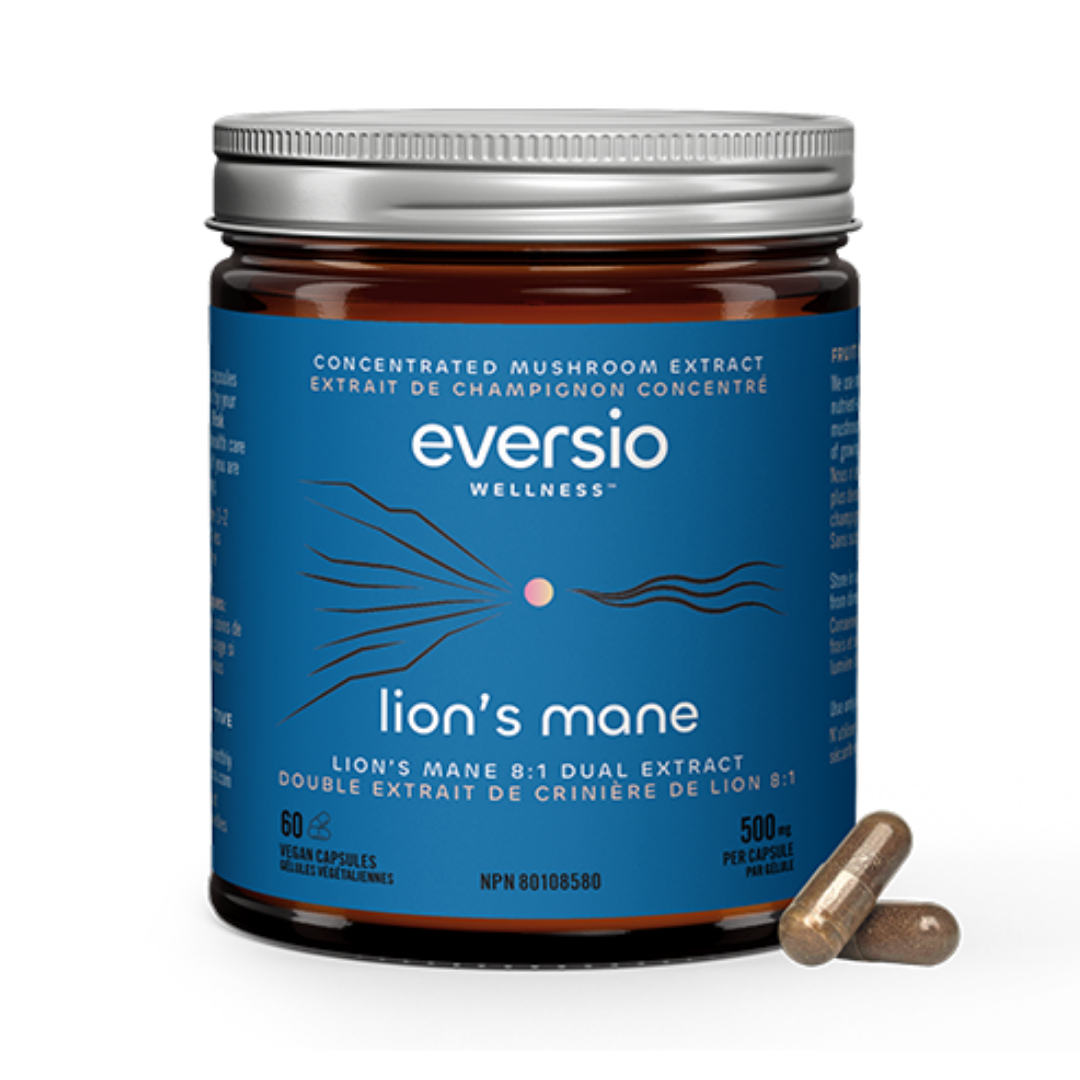
Reishi is traditionally used to support relaxation, stress management, and sleep quality, making it a fantastic addition to your post-workout recovery. Meanwhile, Lion's Mane may help support cognitive function and mental clarity, helping you maintain the focus and willpower needed to push through tough training sessions.
To validate these traditional benefits, a study published in the Journal of Ethnopharmacology highlights how Reishi extracts can help modulate the body's response to physical stress and support immune function. This scientific evidence reinforces the role of adaptogens in promoting systemic recovery after strenuous physical exertion.
High-Potency Mushroom Supplements for Performance and Recovery
At Eversio Wellness, we are proud to be a Canadian leader in organic, dual-extracted functional mushroom supplements. We focus exclusively on high-potency capsules and powdered extract blends crafted from USDA Organic Certified, 100 percent whole fruiting bodies.
By using dual extraction methods, we ensure that the beneficial compounds locked within the mushroom cell walls, such as beta-glucans and triterpenes, are highly bioavailable and potent. Our products contain zero grain fillers, starch, or additives, giving you pure, concentrated support for your fitness journey.
Energize Now Cordyceps Capsules
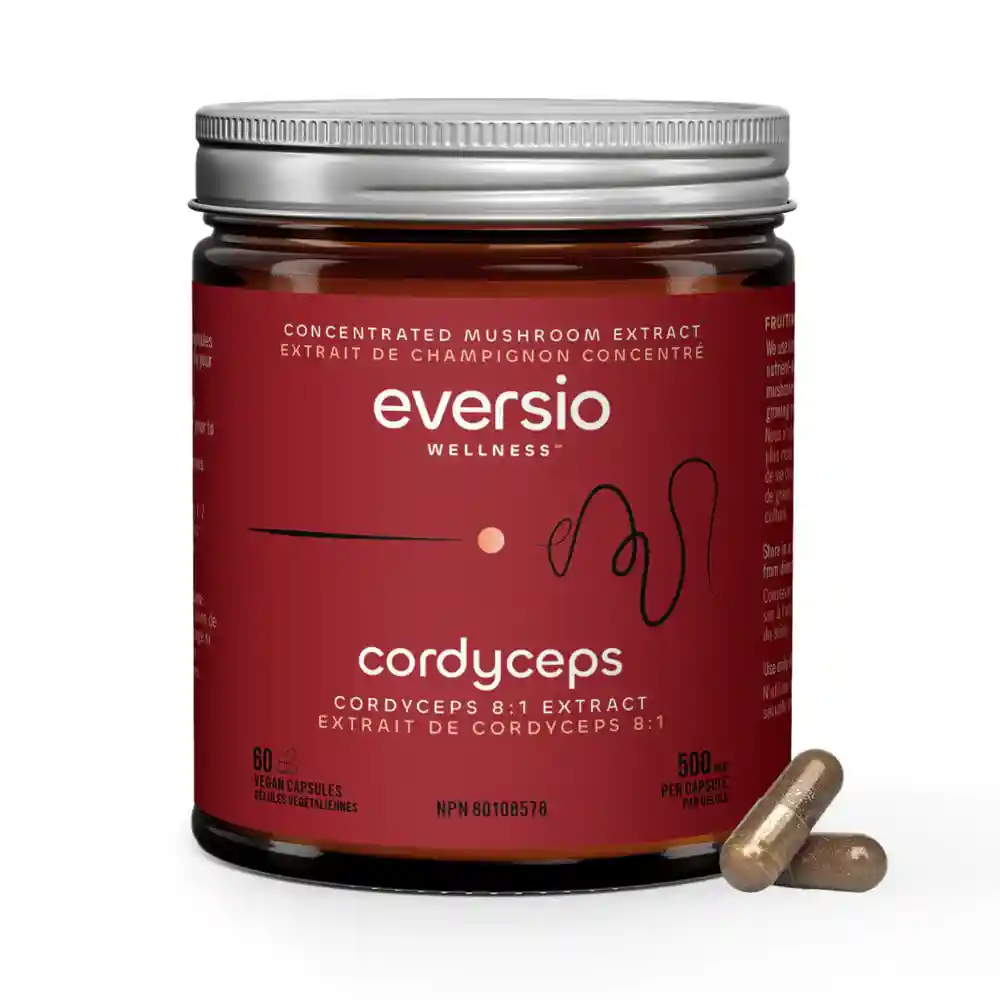
Our Energize Now (Cordyceps) capsules are formulated to support daily energy, stamina, and respiratory capacity. We use a high-potency 8:1 extract of Cordyceps militaris, meaning each capsule is equivalent to 4000mg of dry mushroom (Quantity Crude Equivalent / QCE).
This organic supplement is standardised to contain a minimum of 25 percent beta-glucans and 0.2 percent cordycepin. Cordyceps may help support athletic performance by assisting with cellular ATP synthesis and oxygen transport, making it the perfect pre-workout companion.
For optimal results, take 1 to 2 capsules daily, preferably 30 to 60 minutes before your workout. Alternatively, you can consume them in the morning for sustained daily energy.
Chill Now Reishi Capsules
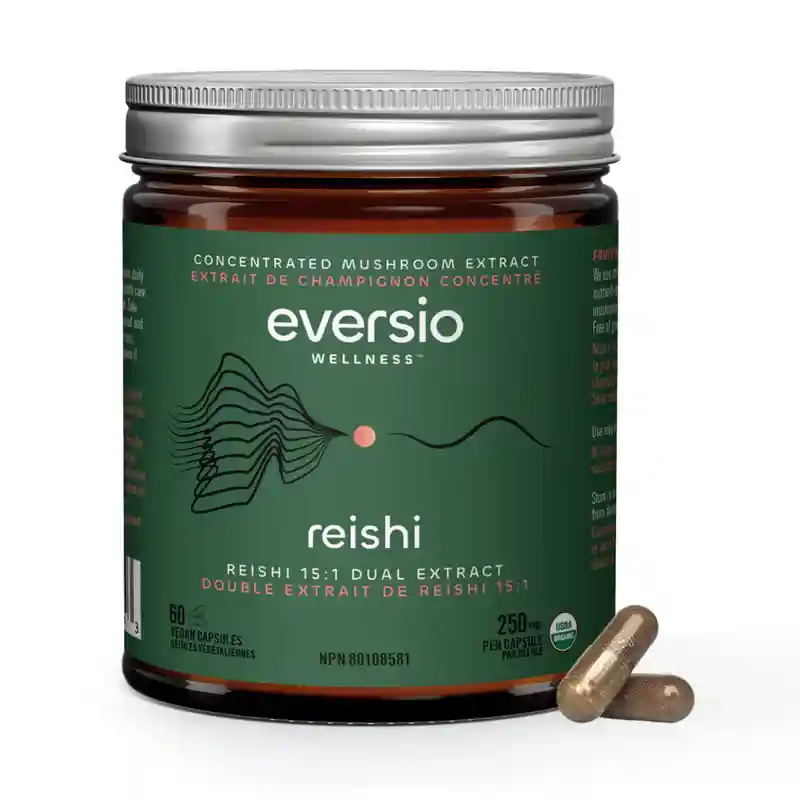
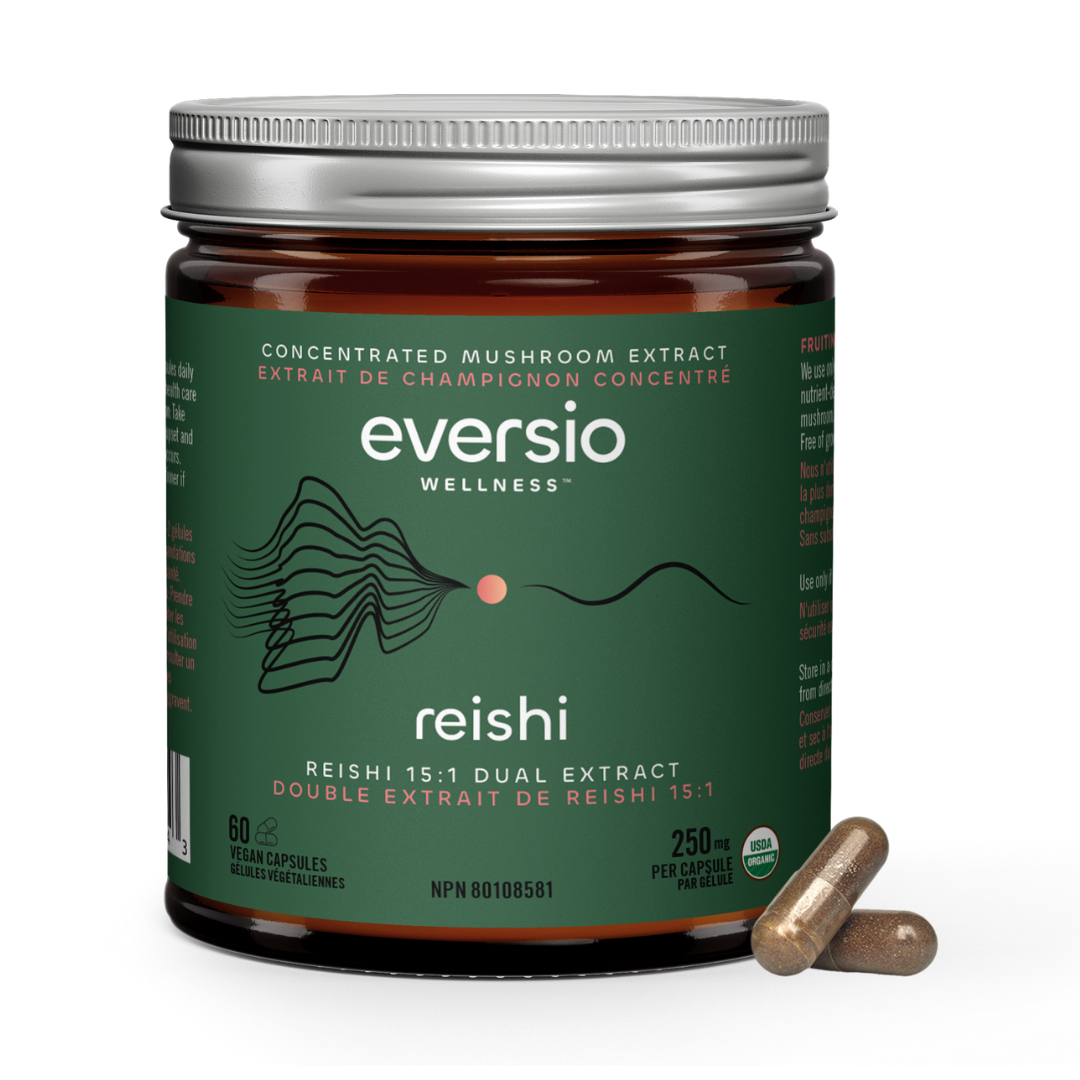
For post-workout recovery and stress support, our Chill Now (Reishi) capsules are an exceptional choice. This organic supplement features a highly concentrated 15:1 dual extract of Ganoderma lucidum, equivalent to 3000mg of dry mushroom per capsule.
It is standardised to contain a minimum of 30 percent beta-glucans and 4 percent triterpenes. Reishi may help support the body's natural response to exercise-induced oxidative stress, promote deep relaxation, and support healthy sleep cycles, allowing your muscles to repair and rebuild efficiently.
To support recovery and relaxation, take 1 to 2 capsules daily in the evening or after training. This consistent routine helps prepare your body for the next day's physical demands.
Awaken Blend 3 Mushroom Powder
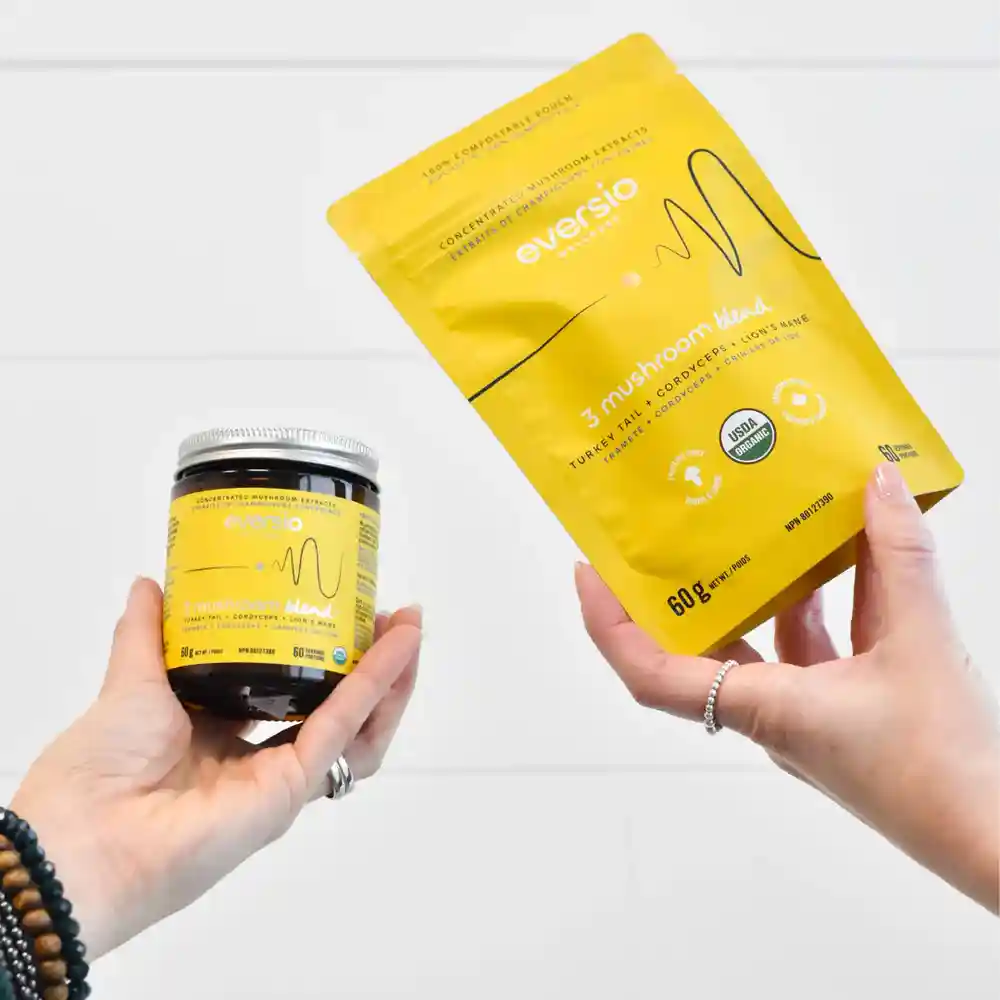
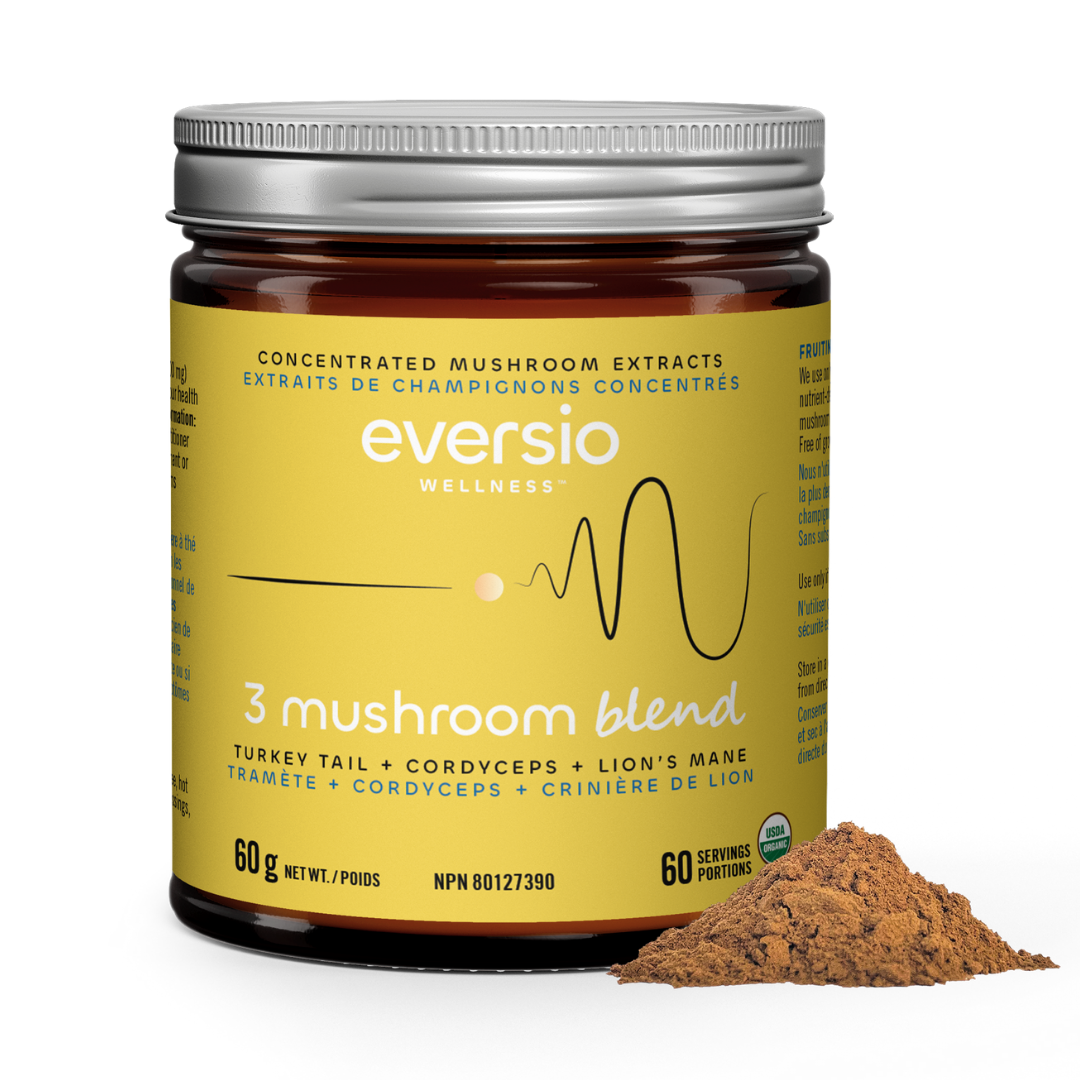
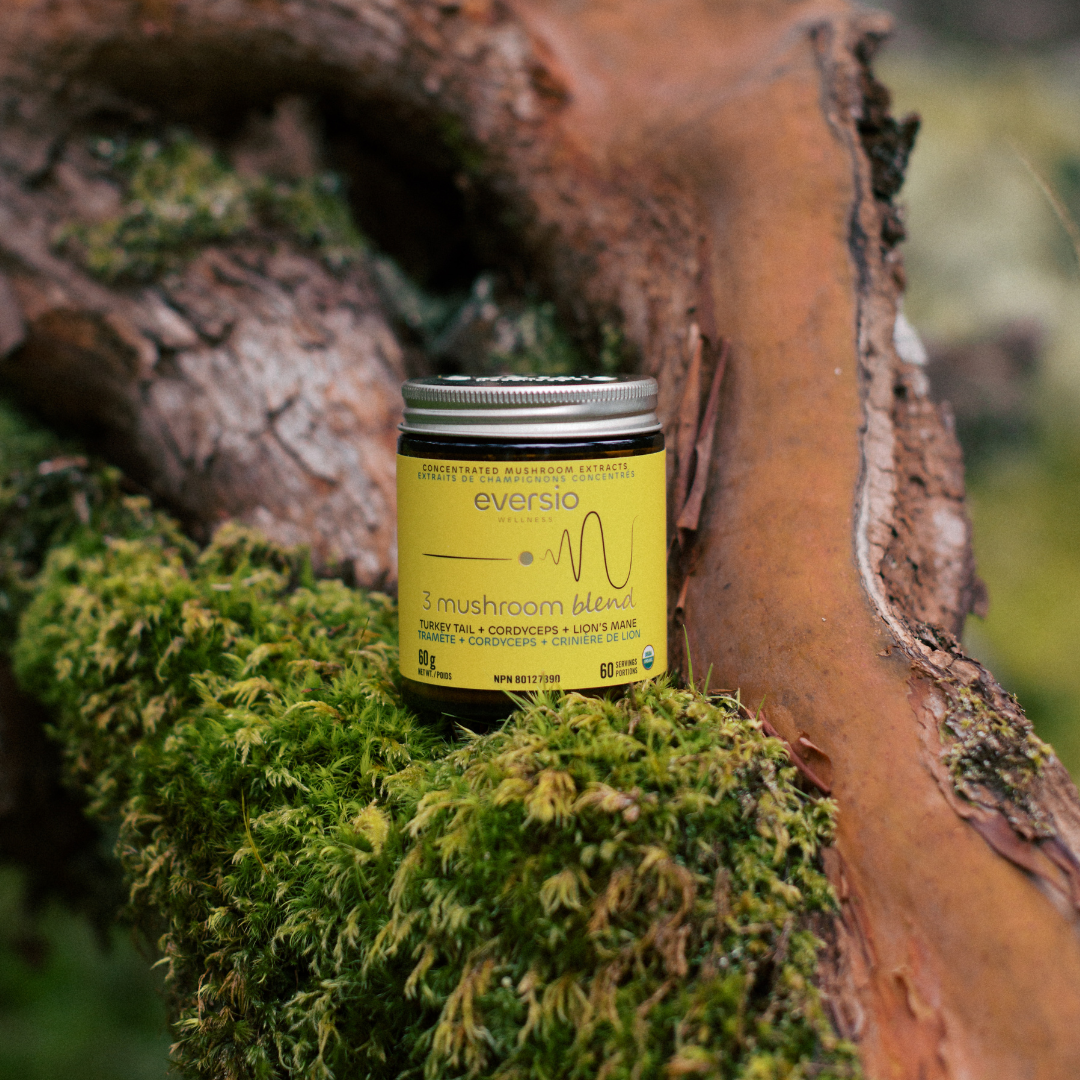
If you prefer a versatile powder to add to your pre-workout smoothies or morning beverages, our Awaken Blend (3 Mushroom) is a powerful, stimulant-free option. This organic blend combines equal parts of dual-extracted Turkey Tail, Cordyceps, and Lion's Mane whole fruiting bodies.
This high-potency blend is standardised to contain a minimum of 30 percent beta-glucans. It is designed to support both mental focus and physical vigour, helping you stay sharp and energised throughout your training session without the jittery crash associated with caffeine.
Mix 1/2 teaspoon daily into your favourite smoothie, pre-workout drink, tea, or coffee. This versatile powder integrates seamlessly into any morning or pre-training routine.
Frequently Asked Questions about Physical Durability
How long does it take to see noticeable improvements in endurance?
With consistent training, you can expect to see initial improvements in your cardiovascular capacity in about 3 to 4 weeks, with major, noticeable gains appearing in 8 to 12 weeks. These adaptations rely on your body building new capillary networks and increasing mitochondrial density to deliver and utilise oxygen more efficiently.
Can you train for both stamina and endurance simultaneously?
Yes, this is often referred to as hybrid training. You can train both systems by alternating your workouts throughout the week. For example, you might perform longer, low-intensity steady-state runs on two or three days to build endurance, and dedicate one or two days to interval training or high-volume resistance workouts to build stamina.
How do genetics and age affect physical stamina?
Genetics play a role in determining your ratio of slow-twitch to fast-twitch muscle fibres, which can influence whether you naturally excel at endurance or sprint-based activities. As we age, our maximum heart rate and VO2 max naturally decline. However, consistent physical activity and proper recovery can significantly slow this decline, allowing older adults to maintain exceptional levels of stamina and vitality.
Lasting Power, Naturally
Building endurance and stamina is a rewarding journey that requires a thoughtful approach to training, consistent nutrition, and dedicated recovery. By understanding the physiological differences between these two physical attributes, you can tailor your fitness routine to support your unique goals safely and effectively.
Integrating organic, high-potency functional mushroom extracts into your daily routine is a natural, holistic way to support your body's energy production and recovery pathways. Whether you are looking to support your respiratory capacity with Cordyceps, manage stress with Reishi, or maintain mental focus with Lion's Mane, our dual-extracted supplements are here to support you every step of the way.
Ready to support your physical potential? Explore our complete range of organic mushroom supplements in the Eversio Wellness Collection.










Leave a comment
This site is protected by hCaptcha and the hCaptcha Privacy Policy and Terms of Service apply.