
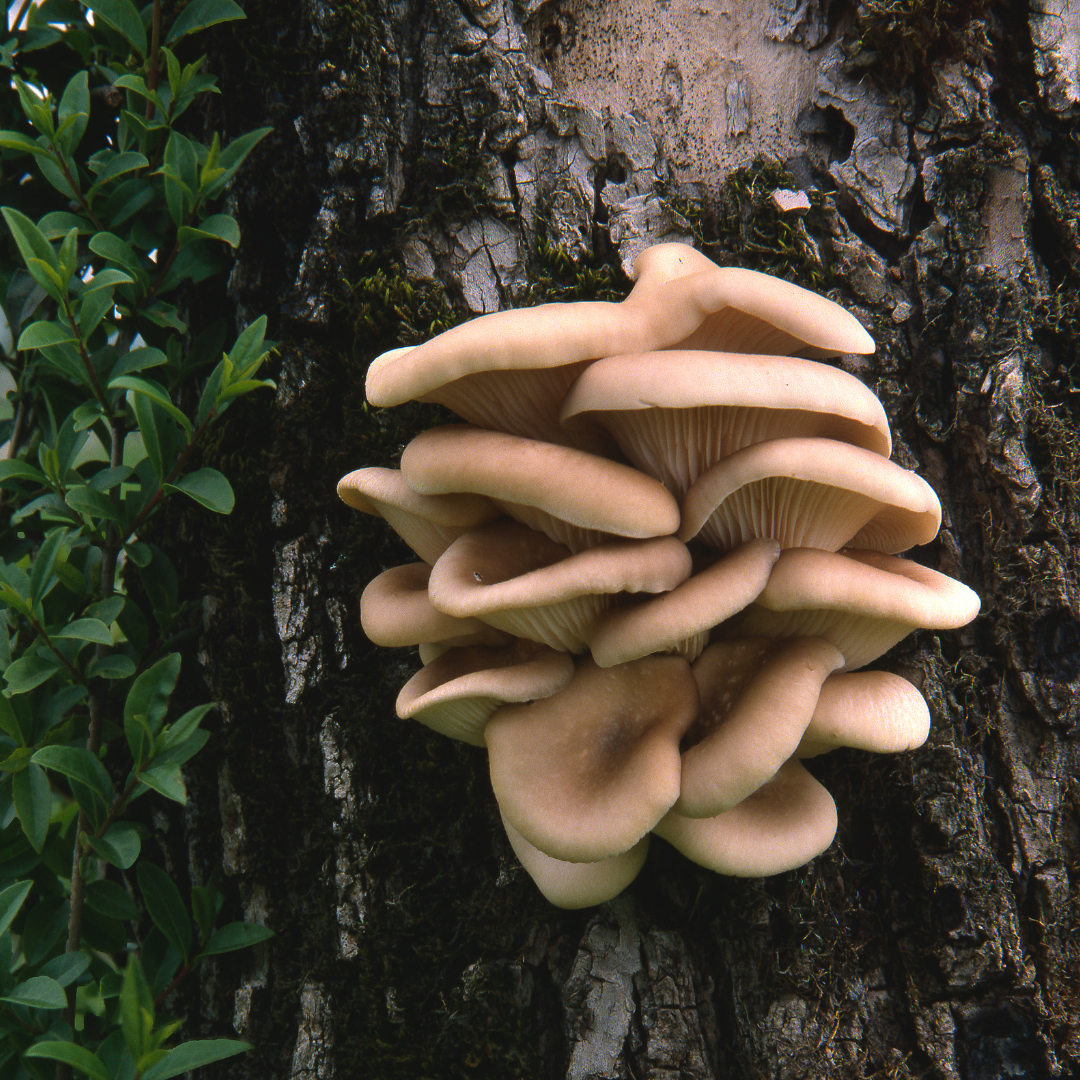
What Are the Main Types of Fungi? A Quick Answer

The types of fungi can be grouped in several ways, but here is a straightforward overview of the most widely recognised categories:
- Mushrooms: Macroscopic fungi that produce visible fruiting bodies above ground or on wood, ranging from edible species to toxic varieties.
- Moulds: Filamentous, multicellular fungi that grow as thread-like hyphae and are common decomposers found on food, soil, and decaying matter.
- Yeasts: Unicellular fungi used widely in fermentation, baking, and brewing, including well-known species like Saccharomyces cerevisiae.
- Lichens: Composite organisms formed through a symbiotic relationship between fungi and algae or cyanobacteria, often found colonising bare rock and post-wildfire landscapes.
- Chytrids (Chytridiomycota): Mostly aquatic fungi and among the most ancient, uniquely retaining flagella for movement.
- Mycorrhizal fungi: Soil-dwelling fungi that form symbiotic partnerships with the roots of approximately 90% of all plant species.
These categories reflect both everyday usage and formal taxonomic groupings. Scientifically, fungi are classified into phyla, with the five most commonly referenced being Ascomycota, Basidiomycota, Chytridiomycota, Glomeromycota, and Zygomycota.
If you have ever marvelled at a mushroom sprouting from a mossy log, noticed fuzzy mold creeping across forgotten bread, or reached for a loaf of sourdough, you have already encountered the remarkable world of fungi. Yet despite being one of the most diverse and ecologically essential kingdoms of life on Earth, fungi remain surprisingly misunderstood and underappreciated, even within conservation and wellness conversations.
Fungi are not plants, and they are not animals. They occupy their own kingdom entirely, one that was only formally recognised in 1969. Scientists estimate there may be anywhere between 2.2 and 3.8 million fungal species on the planet, yet only around 148,000 have been formally described to date. That staggering gap tells you just how much we are still learning about these organisms.
What makes fungi so fascinating is how broadly they touch every part of life on Earth. They are the principal decomposers that recycle nutrients back into the soil. They are the silent partners supporting the root systems of nearly every tree and plant you can think of. And some of them, the functional mushroom varieties, are gaining serious attention in the wellness world for the way they may help support immunity, energy, and stress resilience.
I am Brandi Garden, co-founder of Eversio Wellness and a passionate advocate for the power of functional mushrooms, and my deep dive into types of fungi grew directly from my own health journey, navigating autoimmune challenges and burnout. In the sections ahead, I will walk you through everything you need to know, from fungal biology and ecological roles to the specific mushroom extracts that have shaped our philosophy at Eversio Wellness.
Understanding the Kingdom Fungi: Key Characteristics
To truly appreciate the different types of fungi, we first need to understand what makes a fungus a fungus. For centuries, scientists lumped these organisms in with plants, mostly because they grow out of the ground and do not walk around. However, genetic studies have since revealed that fungi are actually more closely related to animals than they are to plants.
Unlike plants, which make their own food through photosynthesis, fungi are heterotrophs. This means they must acquire their nutrition from external sources. Instead of ingesting food like animals do, fungi release powerful digestive enzymes into their surroundings to break down organic matter, then absorb the dissolved nutrients directly through their cell walls.
Another defining feature of the fungal kingdom is the composition of these cell walls. While plant cell walls are made of cellulose, fungal cell walls are structured with a tough, fibrous compound called chitin. This is the exact same material found in the hard outer shells of insects and crustaceans. This robust cellular structure is part of what makes certain fungi so resilient and highly bioavailable when prepared correctly for human consumption.
The high-level classification of these organisms has been revised multiple times over the years as molecular research continues to advance. Researchers often look to resources like the NSF Public Access Repository to track how these evolutionary relationships are mapped out. Understanding these basic biological building blocks helps us appreciate why species like Reishi are so unique. If you want to learn more about the biological traits of this specific variety, you can explore our guide on what are reishi mushrooms.
Exploring the Major Taxonomic Types of Fungi
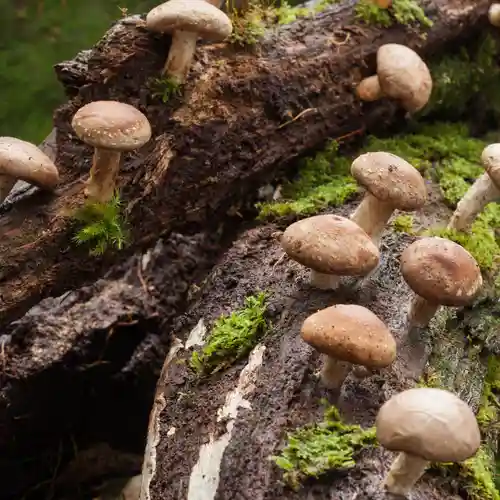
When scientists look at the fungal kingdom, they categorise species based on their reproductive structures and genetic relationships. While there are up to 19 accepted phyla in some modern classification systems, the vast majority of the fungi we interact with belong to a few key groups. These taxonomic divisions help us understand how different species grow, reproduce, and interact with their environments.
The two largest phyla are the Basidiomycota and the Ascomycota, which are often referred to as the higher fungi. Basidiomycota, or club fungi, typically produce their spores on club-shaped structures called basidia. This group includes most of the familiar umbrella-shaped mushrooms you see in the forest, as well as bracket fungi and puffballs. Many of the functional mushrooms we use in our daily routines belong to this incredibly diverse phylum.
The Ascomycota, or sac fungi, produce their spores inside microscopic sacs called asci. This massive group includes everything from single-celled yeasts to highly prized truffles and cup fungi. Understanding these classifications is not just an academic exercise: it helps researchers identify which species contain the most beneficial active compounds. You can find detailed scientific discussions on these taxonomic structures through the National Centre for Biotechnology Information.
Microscopic Types of Fungi: Yeasts and Moulds
Not all fungi are large enough to spot on a walk through the woods. In fact, some of the most influential types of fungi are completely invisible to the naked eye until they form massive colonies. These microscopic organisms are divided into two main lifestyle categories: unicellular yeasts and multicellular, filamentous moulds.
Yeasts are single-celled organisms that typically reproduce by budding. They are famous for their role in fermentation, where they convert sugars into carbon dioxide and alcohol. The most famous yeast, Saccharomyces cerevisiae, has been used by humans for thousands of years to bake bread and brew beer. Beyond the kitchen, genetically engineered yeasts are now used in modern biotechnology to produce life-saving compounds like insulin.
Moulds, on the other hand, grow as multicellular threads called hyphae, which form a tangled web called a mycelium. While mould on a loaf of bread might seem like a nuisance, these organisms are vital to medicine and science. The discovery of penicillin, derived from the mould Penicillium, completely revolutionised modern medicine. Other microscopic fungi have fascinating life cycles, such as the ancestors of the famous Cordyceps. To learn more about how these unique organisms function, check out our article on what are cordyceps mushrooms.
Macroscopic Types of Fungi: Mushrooms and Lichens
When most people think of fungi, they picture the macroscopic varieties: the structures we can easily see, touch, and sometimes harvest. The most common macroscopic form is the mushroom, which is actually just the temporary "fruiting body" of a much larger, hidden organism. Underground, or deep inside decaying wood, lies the mycelium, a vast network of microscopic threads that does the actual work of feeding and growing.
Some of these underground networks can grow to mind-boggling sizes. For example, a single colony of Armillaria solidipes, commonly known as the honey fungus, in Oregon covers over 3.4 square miles, making it the largest known living organism on Earth. While some mushrooms sprout and disappear in a matter of days, this massive underground network has been growing for thousands of years.
Lichens represent another fascinating macroscopic category. A lichen is not a single organism, but rather a highly successful symbiotic partnership between a fungus and a photosynthetic partner, usually an alga or a cyanobacterium. The fungus provides structural protection and absorbs moisture, while the alga produces food through photosynthesis. Lichens are famous pioneer species, colonising bare rock after volcanic eruptions or wildfires, and they serve as highly sensitive indicators of local air quality. Among the macroscopic species, some of the most visually striking and beneficial are the wood-dwelling varieties. To explore one of the most famous examples, read our guide on what are lions mane mushrooms.
Ecological Roles and Symbiotic Relationships
Without the diverse types of fungi, life on land simply could not exist. Fungi are the ultimate recyclers of our planet. As saprobes, they break down tough plant materials like cellulose and lignin that most other organisms cannot digest. By decomposing fallen trees, autumn leaves, and organic waste, they unlock trapped nutrients and return them to the soil, making them available for new plant growth.
Beyond decomposition, fungi are masters of connection. Around 90% of all land plants form mutually beneficial relationships with mycorrhizal fungi. In this partnership, the fungal mycelium wraps around or penetrates the plant's roots, effectively extending the plant's root system by hundreds of times. This allows the plant to absorb far more water, phosphorus, and other essential minerals than it ever could on its own.
In return, the plant shares the sugars it produces through photosynthesis with its fungal partner. This underground network is so extensive and interconnected that scientists often refer to it as the "Wood Wide Web." Through these mycorrhizal pathways, trees can actually share nutrients and chemical warning signals with one another. To see how we source mushrooms that honour these natural, wood-grown growth cycles, you can read more about our mushrooms.
Fungal Conservation: Protecting Our Hidden Biodiversity
While we often focus on the conservation of charismatic animals and ancient forests, the fungi that support these ecosystems are frequently left out of the conversation. Fungi face many of the same severe threats as plants and animals, including habitat destruction, pollution, over-harvesting, and the rapid onset of climate change. When we lose fungal diversity, the entire structural integrity of the surrounding ecosystem is put at risk.
The International Union for Conservation of Nature (IUCN) has begun to pay closer attention to this hidden kingdom. Out of 1,300 fungal species assessed by the organisation, over 400 were found to be threatened with extinction. This highlights a critical need for targeted conservation efforts that protect the soil and decaying wood habitats where these organisms thrive.
In Canada, mycologists and conservationists are working hard to document and protect rare fungal species. Because many fungi only appear above ground for a few days a year as mushrooms, tracking their populations requires dedicated, long-term study. You can read about these local conservation strategies and the efforts to protect northern forest species in the study on Macrofungal conservation in Canada.
Premium Mushroom Extracts for Daily Wellness
At Eversio Wellness, we believe in bringing the incredible resilience of the fungal kingdom into your daily self-care routine. We focus on producing high-potency mushroom extract capsules and powdered blends that are designed to support your natural vitality, cognitive function, and immune health. Our commitment to quality means we do things differently than many other supplement companies.
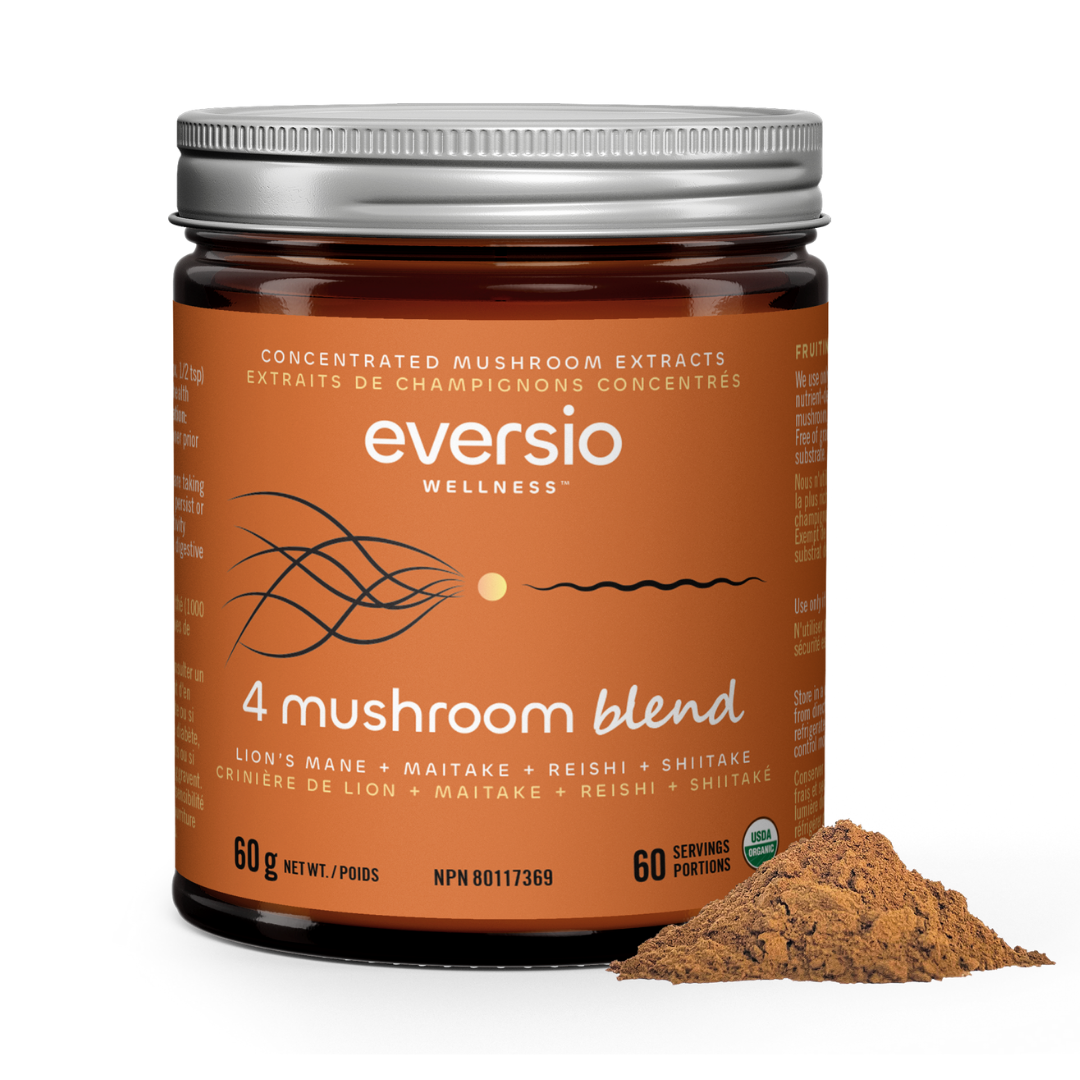
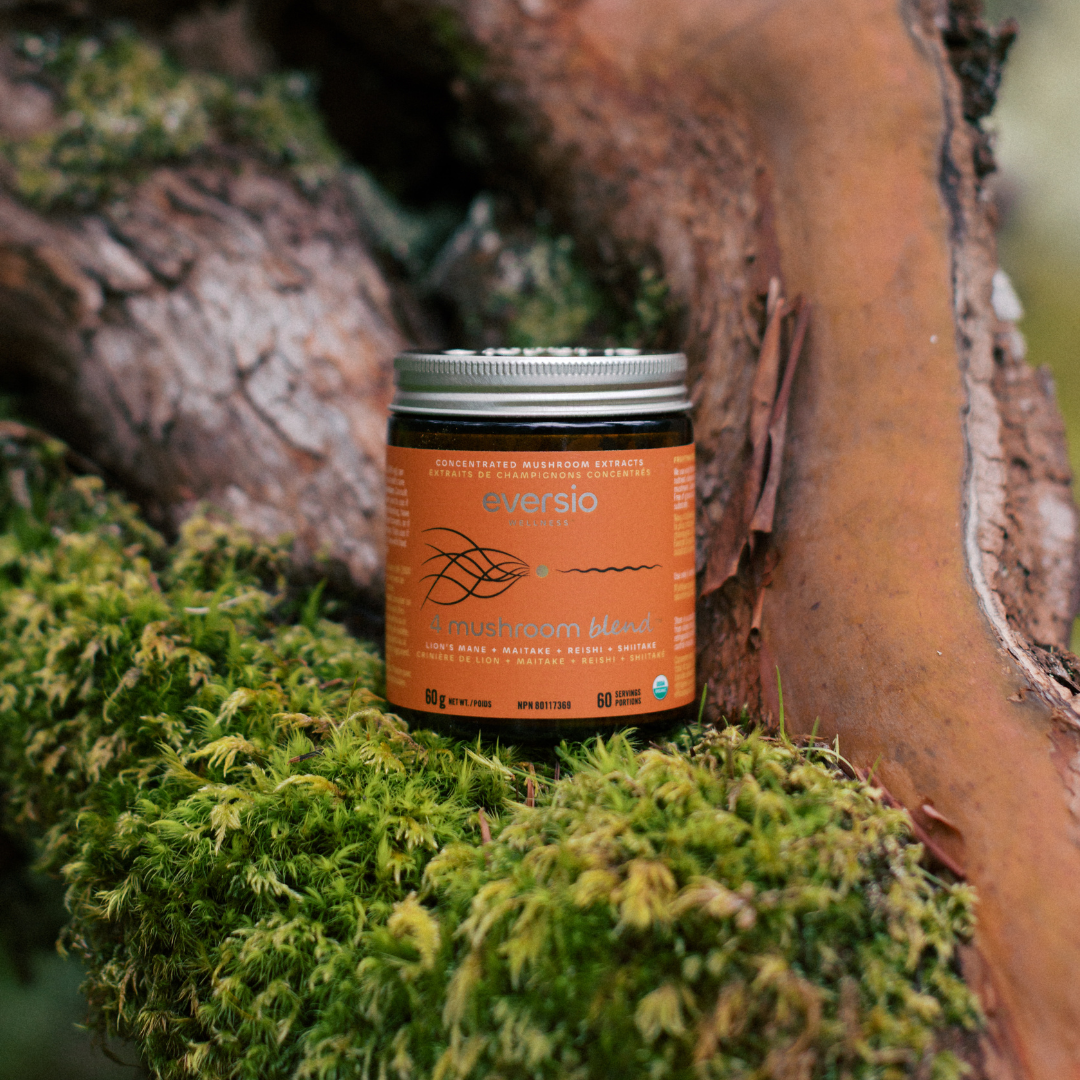
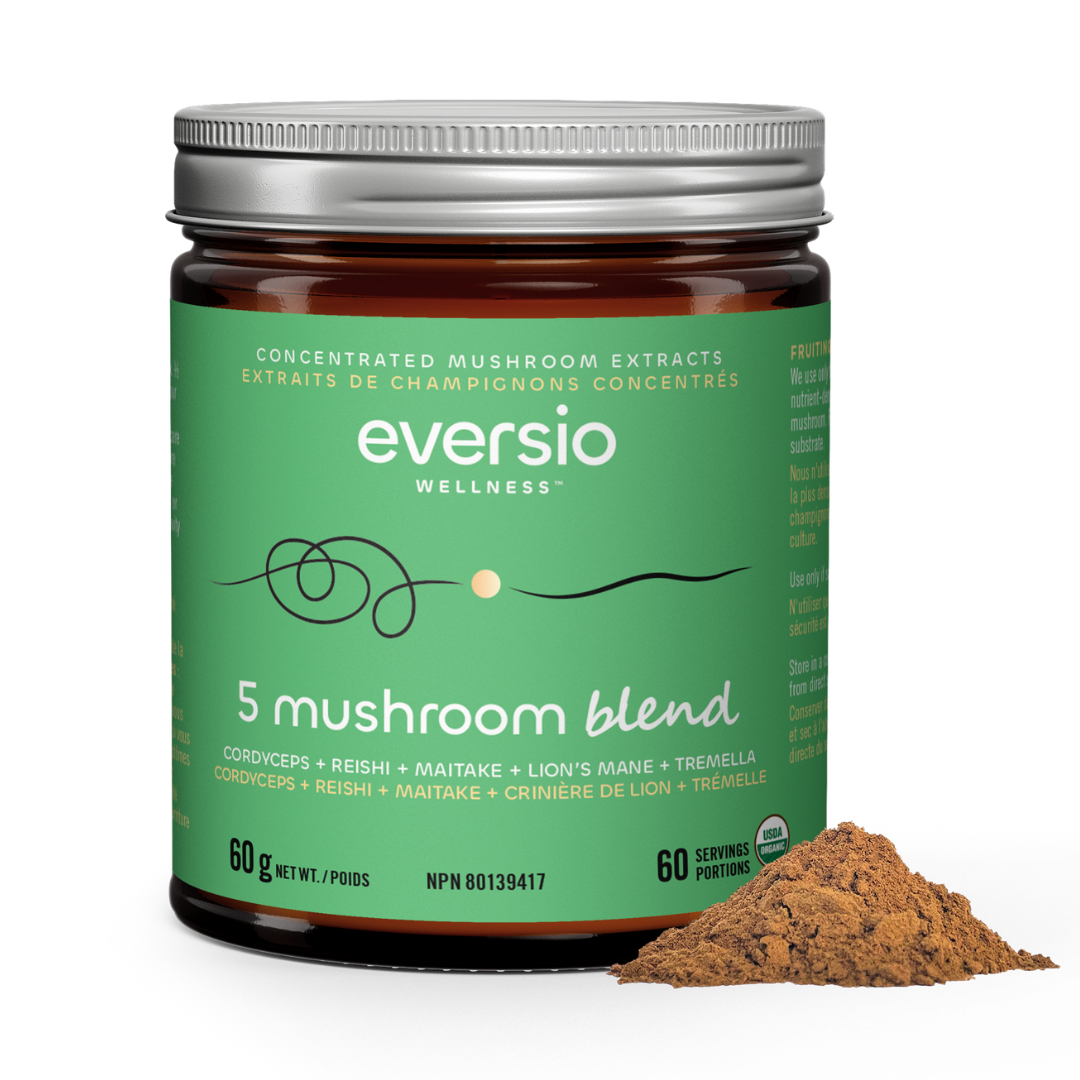
We use only USDA Organic Certified, 100% whole fruiting bodies: the actual mushrooms: rather than the cheaper, grain-grown mycelium. This is a crucial distinction because the beneficial compounds, such as beta-glucans, are concentrated in the mushroom itself. By using a dual extraction process with both hot water and organic alcohol, we ensure these active compounds are highly concentrated and bioavailable for your body to absorb.
Whether you are looking to support your focus, find a sense of calm, or boost your physical energy, our range of clean, lab-tested supplements is here to help. We make it simple to incorporate these ancient adaptogens into your modern lifestyle without any unnecessary fillers or starch. To understand how we design our formulations for maximum synergy, you can read our article on beyond the basics of multi-mushroom blends.
Focus Now Lion's Mane Capsules

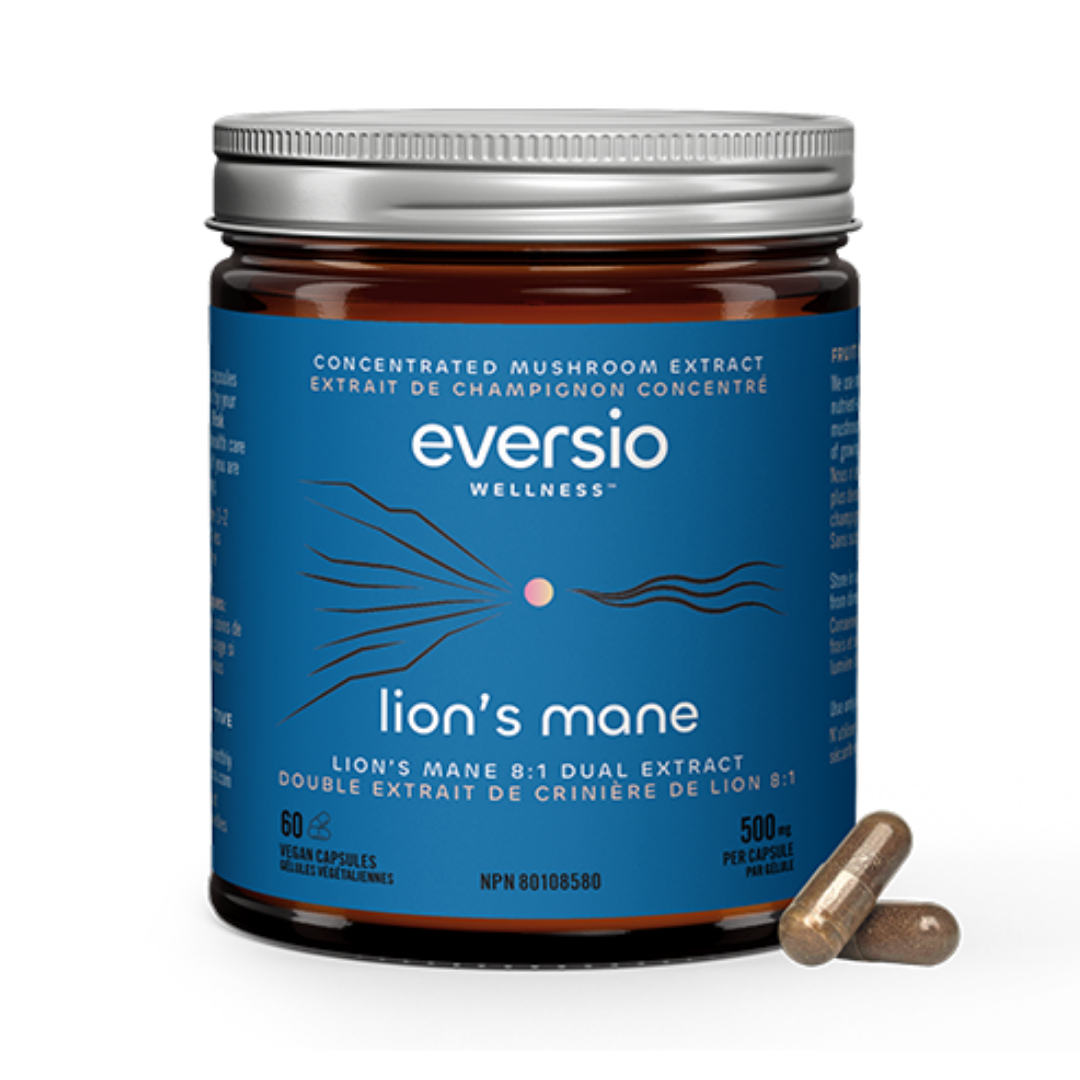
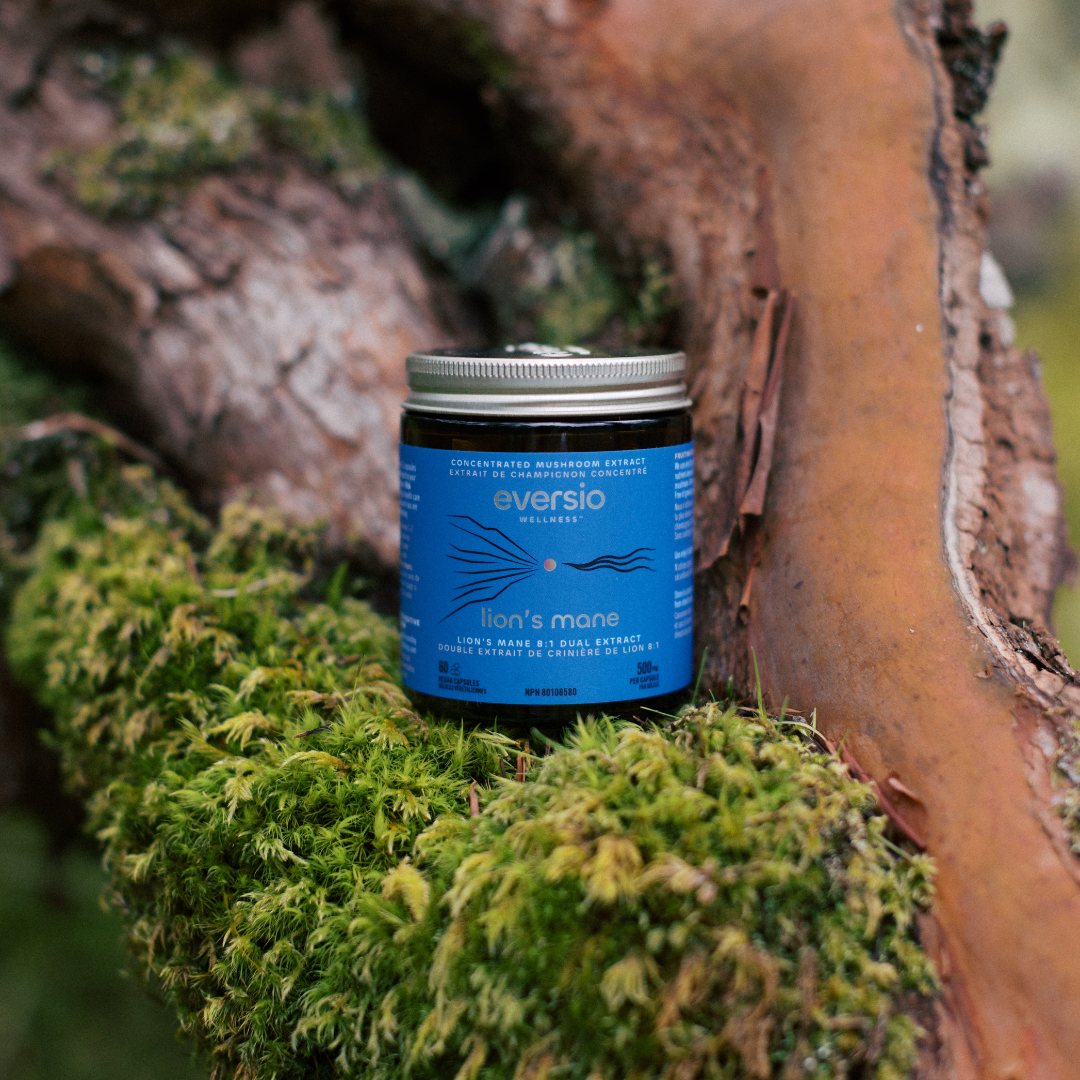
Our Focus Now Lion's Mane Capsules are crafted to support your cognitive function, memory, and mental clarity. Lion's Mane (Hericium erinaceus) is a striking, shaggy white mushroom that has been used for centuries to support brain health and nervous system function. It is the perfect natural companion for busy workdays, study sessions, or anyone looking to clear away mental fog.
We use an ultra-potent 8:1 dual extract, meaning it takes 8 kilograms of dried Lion's Mane mushrooms to produce just 1 kilogram of our pure extract powder. Every single capsule provides a massive 2400mg Quantity Crude Equivalent (QCE), standardised to contain a minimum of 30% beta-glucans. This ensures you receive a highly concentrated, therapeutic dose in every single serving.
To get the most out of this cognitive support supplement, we recommend taking 1 to 2 capsules daily. You can easily take them in the morning with your coffee or keep them at your desk for a mid-afternoon productivity boost. To experience this premium extract for yourself, visit the official Focus Now Lion's Mane page.
Chill Now Reishi Capsules

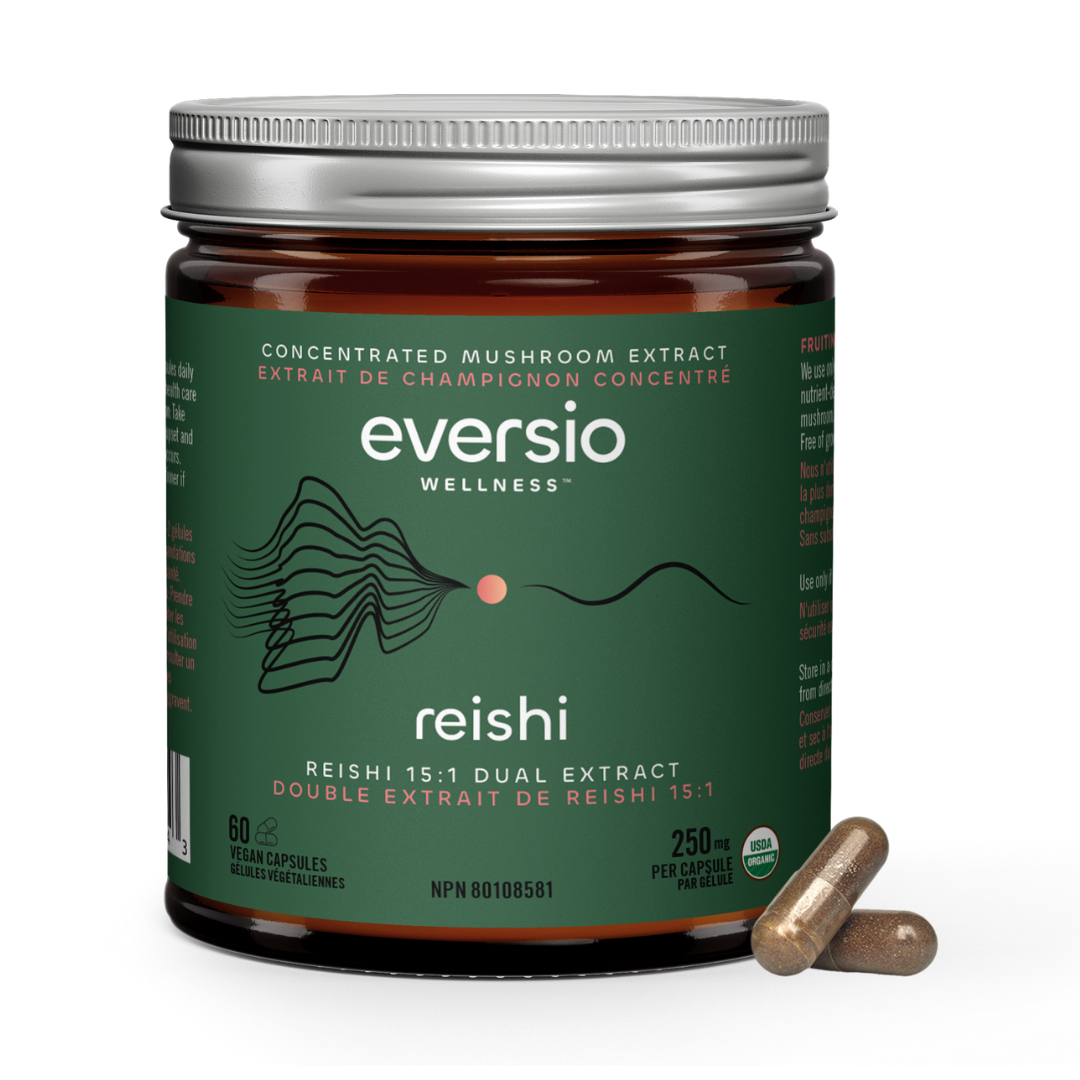
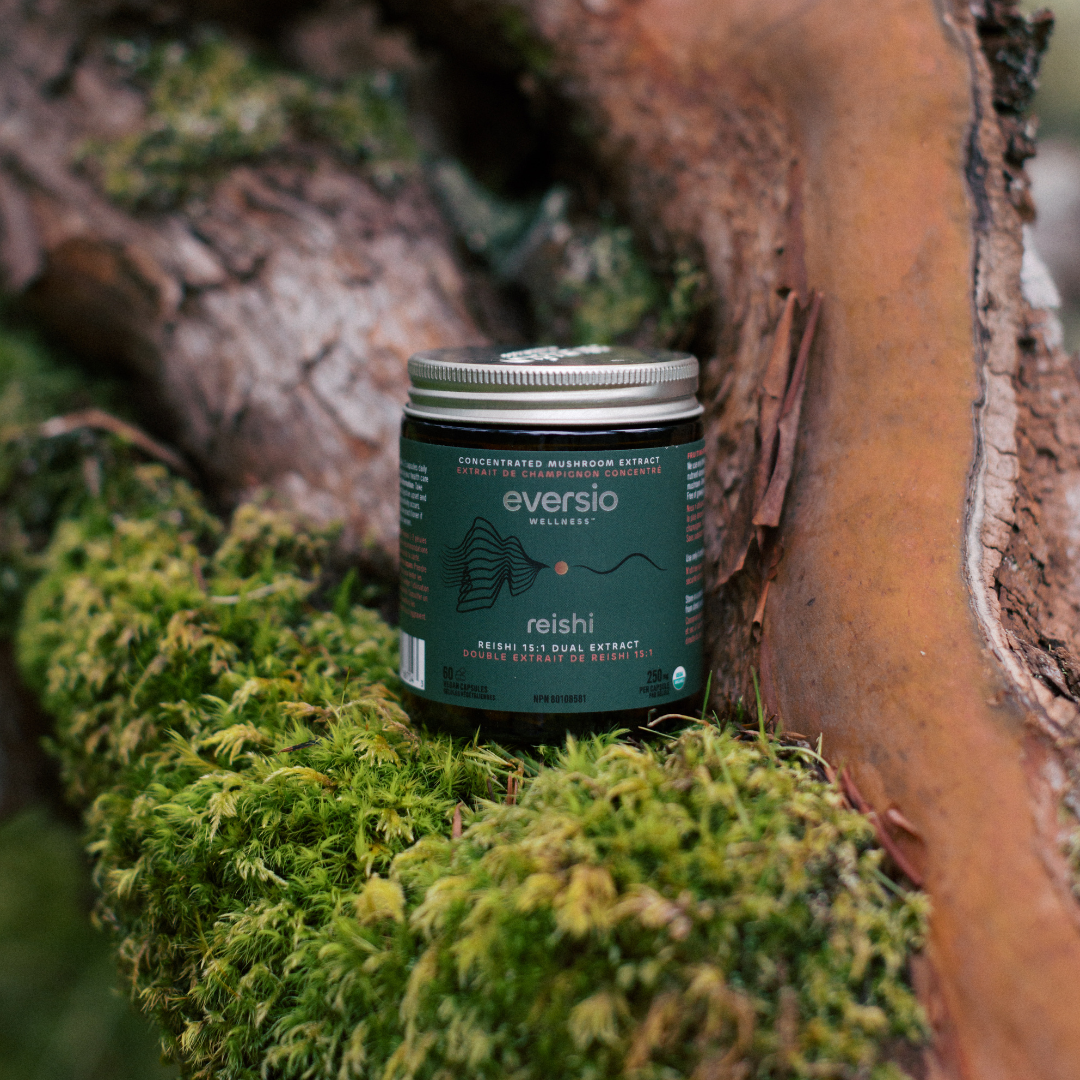
When you need to unwind, quiet a busy mind, or support a restful night of sleep, our Chill Now Reishi Capsules are the perfect addition to your evening routine. Reishi (Ganoderma lucidum) is known as the "Queen of Mushrooms" in traditional wellness practices, celebrated for its ability to help the body adapt to stress and support overall immune health.
Our Reishi supplement features a highly concentrated 15:1 dual extract, providing an incredible 3000mg QCE per capsule. Like all of our single-ingredient capsules, it is standardised to contain at least 30% beta-glucans, ensuring you get the active, immune-supporting compounds without any added grain or starch fillers.
For optimal relaxation and stress support, we suggest taking 1 to 2 capsules daily, preferably in the late afternoon or about an hour before bed. This allows the adaptogenic properties of the mushroom to help ease your body into a natural state of rest. To add this soothing supplement to your wellness ritual, visit the Chill Now Reishi page.
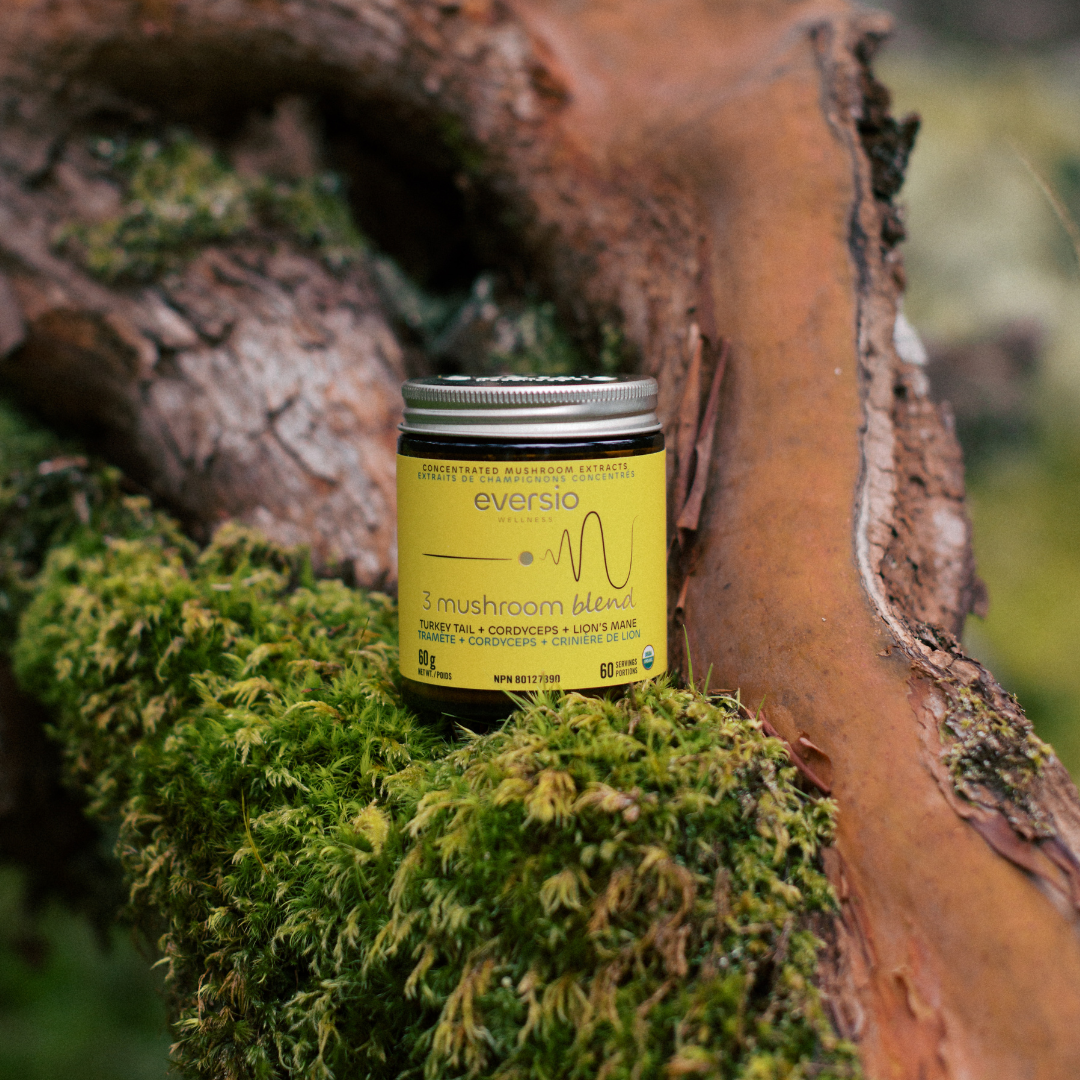
Awaken 3 Mushroom Blend Powder
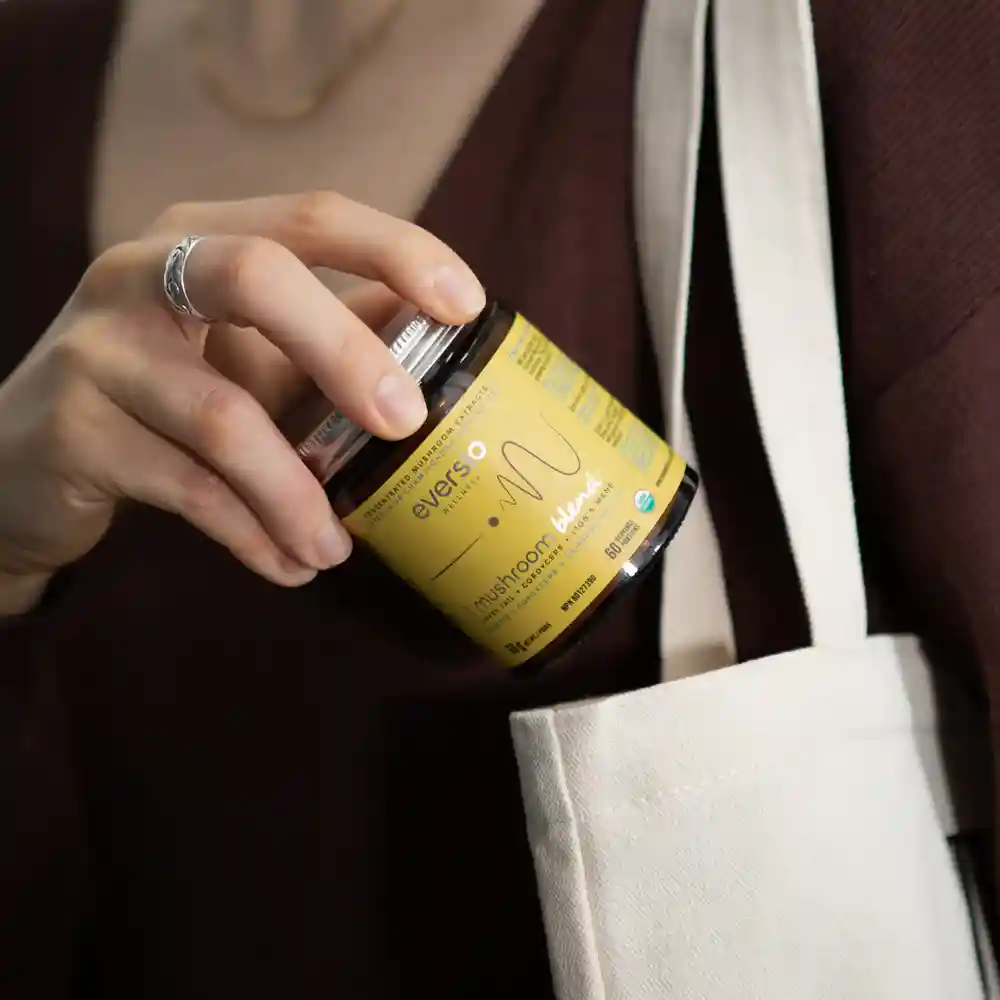
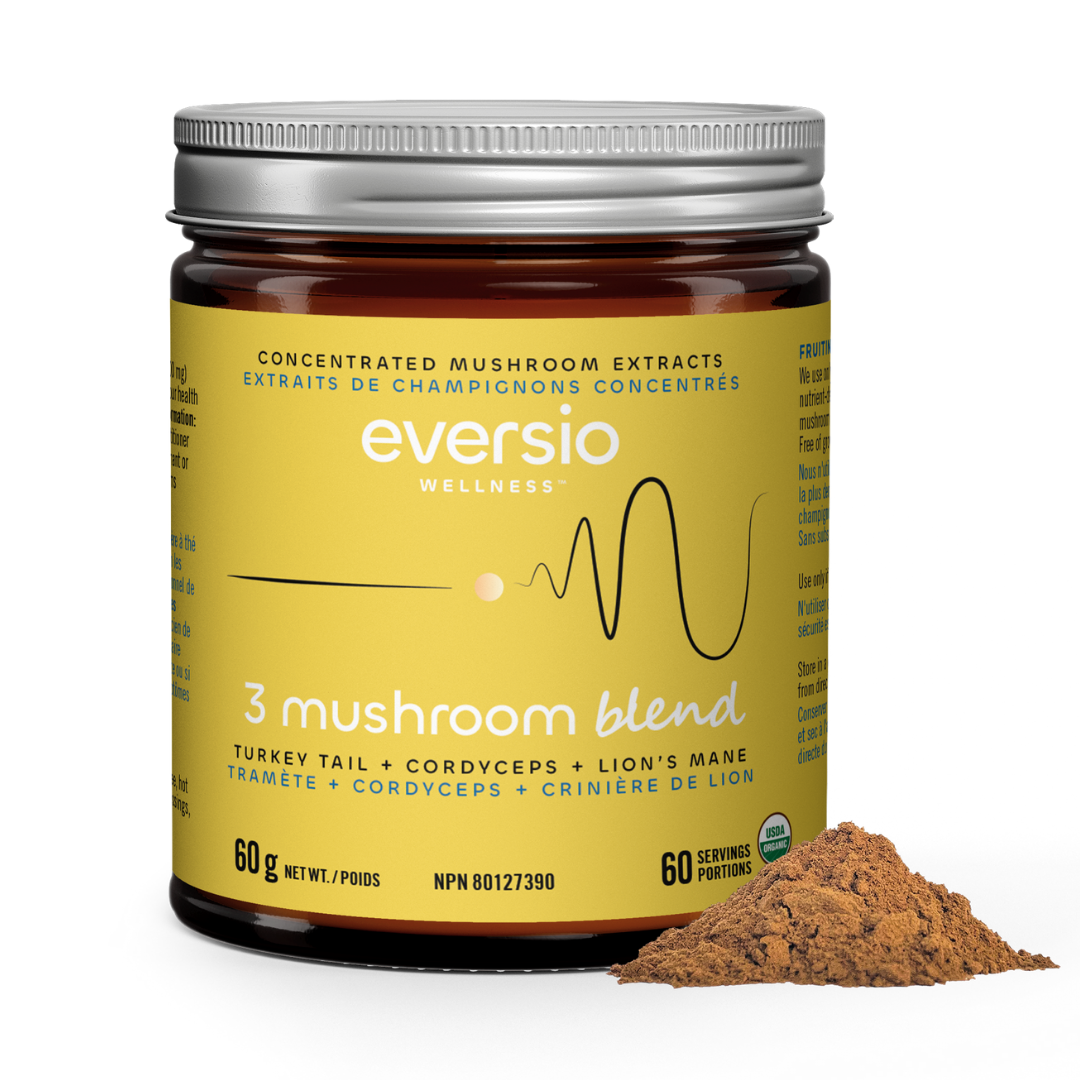
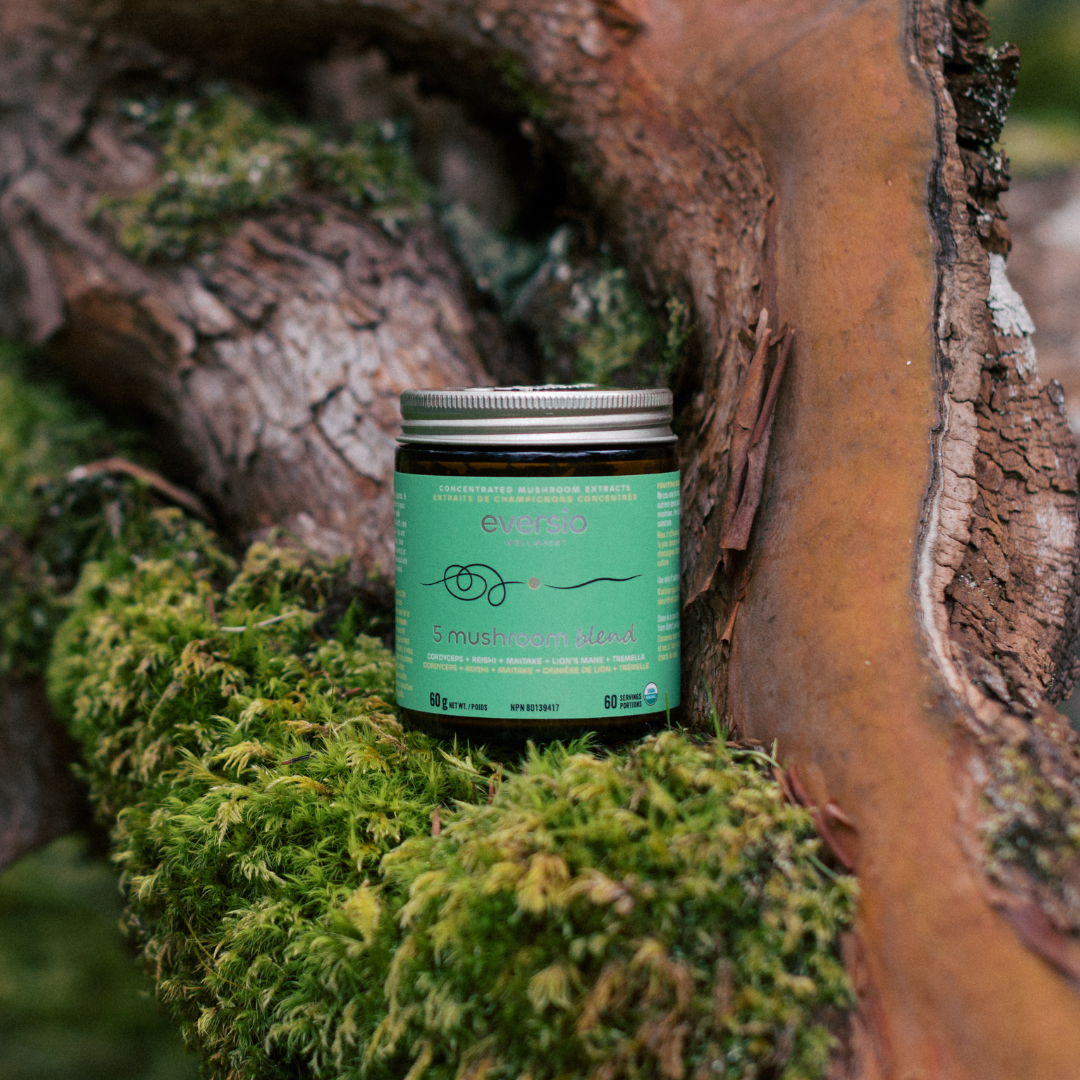
For those who prefer a versatile powder that can be easily stirred into morning beverages, our Awaken 3 Mushroom Blend Powder offers a powerful daily dose of energy, vitality, and immune support. This organic blend combines three of the most celebrated functional mushrooms on the planet: Turkey Tail, Cordyceps, and Lion's Mane.
This formulation features equal parts of our premium dual extracts, ensuring you get a balanced, full-spectrum dose of each mushroom. With a guaranteed minimum of 30% beta-glucans, this clean, unsweetened powder is entirely free from grains, additives, or flow agents, making it a pure and potent addition to your daily routine.
We recommend stirring 1/2 teaspoon of the Awaken blend into your morning coffee, matcha, smoothie, or oatmeal daily. It has a mild, earthy flavour that blends beautifully with warm spices and cacao. To start your mornings with this organic blend, visit the official Awaken Blend page.
Frequently Asked Questions about Fungi
What are the main types of fungi?
The fungal kingdom is incredibly diverse, but the most common macroscopic types include mushrooms, moulds, yeasts, and lichens. From a scientific perspective, taxonomists classify these organisms into several distinct phyla based on how they reproduce. The most widely studied phyla are the Basidiomycota, Ascomycota, Glomeromycota, and Zygomycota, each playing a unique role in our global ecosystems.
How do fungi differ from plants?
Fungi were once classified as plants, but they are actually genetically closer to animals. Unlike plants, fungi cannot perform photosynthesis to make their own food; instead, they are heterotrophs that must absorb nutrients from their surroundings. Additionally, while plant cell walls are made of cellulose, fungal cell walls are made of chitin, the same tough material found in insect shells.
Why are mycorrhizal relationships important?
Mycorrhizal relationships are essential partnerships between soil fungi and the roots of about 90% of all land plants. The fungal mycelium acts as an extension of the plant's root system, helping it absorb water and vital nutrients like phosphorus from the soil. In exchange, the plant provides the fungus with sugars produced through photosynthesis, creating a vital underground network that keeps whole forests healthy.
Discover the Power of Fungi with Eversio Wellness
Fungi are far more than just quiet forest dwellers; they are the literal foundation of life on land, the master recyclers of our planet, and a source of incredible wellness support. From the microscopic yeasts that bake our bread to the majestic wood-grown mushrooms that help us adapt to daily stress, this hidden kingdom holds endless wonders. By choosing organic, dual-extracted supplements that respect the natural growth cycles of these organisms, you are not only supporting your own health but also fostering a deeper appreciation for the biodiversity of our planet.
At Eversio Wellness, we are proud to offer high-potency, lab-tested mushroom extracts that bring the very best of the fungal kingdom straight to your daily routine. If you are ready to experience the benefits of pure, whole fruiting body mushrooms with zero added fillers, we invite you to explore our complete collection. Explore the full range of organic mushroom supplements today and take your first step toward a more balanced, naturally supported life.







Leave a comment
This site is protected by hCaptcha and the hCaptcha Privacy Policy and Terms of Service apply.