

An Introduction to the Health Benefits of Mushrooms

Mushrooms' health benefits are wide ranging and increasingly supported by scientific research, making these humble fungi one of nature's most interesting whole foods. They may help support immune function, brain health, heart health, balanced energy, and a resilient gut when used as part of a holistic lifestyle that includes nourishing food, movement, quality sleep, and stress management.
Key mushrooms' health benefits may include:
- Immune system support. Compounds such as beta glucans, a type of complex carbohydrate found in mushroom cell walls, may help the body maintain balanced immune activity.
- Brain health support. Observational research suggests that people who regularly eat mushrooms may have a lower risk of developing mild cognitive impairment as they age.
- Heart health support. Mushrooms are naturally low in sodium and contain potassium, which, together with an overall heart conscious diet and lifestyle, may help maintain healthy blood pressure and cholesterol levels.
- Cellular protection. The antioxidants in mushrooms, including ergothioneine, may help protect cells from oxidative stress, which is one factor involved in chronic disease development.
- Gut health and digestion. Mushroom polysaccharides can act as prebiotics, which are fibres that feed beneficial gut bacteria and may support a healthy microbiome.
- Nutrient density. Mushrooms provide B vitamins and minerals such as selenium and copper, and are the only commonly eaten produce that can naturally provide vitamin D when exposed to ultraviolet light.
Mushrooms are more than just a tasty addition to your meals. They contain essential nutrients, powerful antioxidants such as ergothioneine, and unique polysaccharides that work together to support the body's normal functions.
I'm Brandi Garden, co founder of Eversio Wellness, and my personal journey with autoimmune challenges led me to explore the potential of functional mushrooms and their role in overall wellbeing. Through years of research and lived experience, I have dedicated myself to helping others understand and use these remarkable fungi in a safe, informed way through high quality, organic extracts that are thoroughly tested for purity and potency.
Mushrooms health word roundup:
The Nutritional Powerhouse: What Makes Mushrooms So Healthy?
When we talk about mushrooms health, we are often talking about their nutritional density and unique compounds. These fungi are far from just a garnish. They offer a blend of vitamins, minerals, fibre, and bioactive molecules that can contribute to overall wellbeing when combined with other healthy habits.
A Rich Source of Essential Nutrients
Mushrooms stand out in the produce aisle for their impressive nutritional profile, especially considering their low kilojoule and low fat nature. For instance, a single cup of whole cremini mushrooms contains only about 15 kilojoules and a very small amount of fat, which can make them a helpful choice for those who are mindful of their overall intake.
They also contribute plant based protein and some dietary fibre, which is important for digestive health. Fibre helps keep the digestive system moving and provides fuel for beneficial gut bacteria.
One of the most remarkable aspects of mushrooms is their naturally low sodium content. This makes them an ideal ingredient for enhancing savoury flavour without contributing much salt, supporting heart health as part of a whole diet pattern.
Beyond macronutrients, mushrooms are a source of B vitamins, including riboflavin, niacin, pantothenic acid, and folate. These B vitamins are involved in energy metabolism and cell function. Mushrooms also provide minerals such as selenium and copper, which play roles in antioxidant defence and red blood cell formation.

The Sunshine Vitamin and Potent Antioxidants
A distinctive contribution of mushrooms to our diets is their potential to provide vitamin D. Mushrooms contain ergosterol, a compound that can be converted to vitamin D2 when exposed to ultraviolet light. This is somewhat similar to how our skin produces vitamin D3 after sun exposure.
The amount of vitamin D in mushrooms can vary significantly depending on how much UV light they receive during growth or after harvest. Some wild mushrooms naturally contain higher levels, while standard cultivated varieties usually contain less. Exposing cultivated mushrooms to sunlight or UV lamps can increase their vitamin D content, which may be helpful for those with limited sun exposure or following a plant based pattern of eating.
Beyond vitamins and minerals, mushrooms contain antioxidants that help protect cells from damage caused by oxidative stress. Oxidative stress occurs when there is an imbalance between free radicals and the body's antioxidant defences.
Ergothioneine, an amino acid found in relatively high amounts in many mushrooms, is one example of an antioxidant that may help slow or prevent oxidative damage to cells. Other compounds, such as glutathione, also contribute to this cellular defence system.
Research is ongoing into how these antioxidants might contribute to long term health outcomes. For example, scientific reviews in journals such as Nutrients and Molecules have discussed the potential role of mushroom antioxidants in supporting healthy ageing and cellular resilience.
Opening up the Broad Spectrum of Mushrooms' Health Benefits
The growing body of research into mushrooms' health suggests a broad spectrum of potential benefits for different body systems. Mushrooms offer more than basic nutrition. They contain bioactive compounds, such as polysaccharides and antioxidants, that may provide targeted support for the immune system, brain, heart, and gut when used alongside other healthy lifestyle practices.
Supporting a Strong and Resilient Immune System
Our immune system is our body's first line of defence, and mushrooms are being studied for their role in helping to keep it balanced and responsive. Many edible and functional mushrooms contain polysaccharides, particularly beta glucans. These are complex carbohydrates found in the cell walls of mushrooms.
Beta glucans are thought to interact with receptors on immune cells and may help the body recognise and respond appropriately to internal and external challenges. Rather than simply increasing immune activity, they appear to support a more balanced response.
Mushrooms also provide micronutrients that contribute to immune function. For example, selenium supports antioxidant enzymes, and vitamin D is involved in normal cell growth and differentiation. Vitamin B6 plays a role in red blood cell formation and supports several aspects of immune health.
Several reviews, including those published in Nutrients and Frontiers in Pharmacology, have highlighted the potential of mushroom derived polysaccharides for supporting immune health, although more high quality human studies are still needed.
Nurturing Your Brain and Cognitive Function
The relationship between mushrooms health and brain function is an exciting and emerging area of research. Mushrooms contain compounds that may have protective effects on the brain, particularly as we age.
Ergothioneine, for example, is being explored for its potential to protect nerve cells from oxidative stress. Oxidative stress and chronic low grade inflammation are thought to play a role in age related cognitive changes.
Observational research from Singapore has suggested that older adults who consumed mushrooms more frequently had a lower likelihood of developing mild cognitive impairment compared to those who ate mushrooms less often. In this research, even moderate weekly intake appeared to be associated with potential benefits, although these studies cannot prove cause and effect and more controlled trials are needed.
Certain mushroom varieties, such as Lion's Mane, are gaining attention for their possible brain supportive properties. Compounds in Lion's Mane are being studied for their ability to stimulate nerve growth factor, a protein that supports the growth and maintenance of nerve cells.
Early human and animal studies, including those published in Biomedical Research and Journal of Agricultural and Food Chemistry, suggest Lion's Mane may help support cognitive function and mood in some contexts, but this research is still developing and should be interpreted with care.
Promoting a Healthy Heart and Blood Pressure
Maintaining cardiovascular health is essential for long term wellbeing, and mushrooms may play a supportive role when included in an overall heart friendly lifestyle.
Mushrooms are naturally low in sodium and provide potassium, which may help counteract the effects of higher sodium foods and contribute to maintaining healthy blood pressure. Using mushrooms to replace part of the meat in recipes can also reduce overall kilojoules and saturated fat in a dish.
Research has explored how mushroom intake might affect blood lipids such as LDL cholesterol, HDL cholesterol, total cholesterol, and triglycerides. Some studies and reviews, including work published in Nutrition Journal and Advances in Nutrition, suggest that mushrooms may have modest, favourable effects on these metabolic markers.
However, results are not entirely consistent, and mushrooms should be seen as one part of a broader pattern that includes a varied diet, regular movement, and other heart supportive habits.

Aiding in Cancer Prevention and Gut Health
The potential role of mushrooms in reducing cancer risk is one of the most widely discussed aspects of mushrooms health, but it is important to approach this area carefully. Mushrooms are not a treatment or cure for cancer and should never replace screening, medical care, or advice from a qualified health professional.
A review of observational studies published in Advances in Nutrition examined mushroom intake and cancer outcomes. The researchers reported that people who ate mushrooms more regularly appeared to have a lower risk of developing some types of cancer compared with those who ate them less often. In some analyses, even small daily amounts were associated with this trend.
These findings are promising, but observational research can be influenced by many lifestyle factors, and more clinical studies are needed. At this stage, mushrooms can be considered a nutrient rich food that may contribute to a pattern of eating linked with lower cancer risk, alongside plenty of vegetables, fruits, whole grains, movement, and other healthy choices.
Beyond cancer research, mushrooms are also recognised for their potential to support gut health. Their polysaccharides can act as prebiotics, which are non digestible fibres that selectively feed beneficial bacteria such as Lactobacillus and Bifidobacterium.
A healthy, diverse gut microbiome is linked with digestion, nutrient absorption, immune function, and even mood regulation. Studies in Food Chemistry and International Journal of Molecular Sciences have described how mushroom polysaccharides may help promote a more favourable gut microbiota profile, although most of this work is still in early stages and often uses animal models.
Integrating Mushrooms Into Your Daily Life
Now that we have explored the potential mushrooms health benefits, it can be helpful to look at simple, practical ways to include them as part of a holistic wellness routine. Combining mushrooms with whole foods, regular movement, restorative sleep, and stress management habits may offer the greatest overall support.
Culinary Tips for Maximum Mushrooms Health Benefits
To get the most from your mushrooms in the kitchen, gentle cleaning and mindful cooking methods are useful. Avoid soaking mushrooms in water for long periods, as they readily absorb moisture and can lose their firm texture.
Instead, give them a brief rinse under gently running water to remove visible dirt or brush them clean with a damp cloth or paper towel. This approach helps preserve their structure and keeps them from becoming soggy.
When cooking, mushrooms can be simmered in water until tender or sautéed with a small amount of extra virgin olive oil over medium heat until browned at the edges. Larger varieties, such as portabella caps, are suitable for grilling or baking.
Shorter cooking times at moderate heat can help preserve some water soluble nutrients. Including mushrooms in dishes that also contain vegetables, whole grains, and healthy fats can create balanced, nutrient rich meals.
From Meat Substitute to Flavour Improver
Mushrooms are well known for their rich umami flavour. Umami is sometimes described as the fifth basic taste, related to savoury depth, and is created by natural glutamates found in mushrooms.
This characteristic allows mushrooms to enhance flavour in many recipes while reducing the need for added salt. This can be useful for people who are mindful of their sodium intake.
Their hearty texture and savoury profile also make mushrooms a popular stand in for some or all of the meat in recipes. For example, replacing half of the mince in a pasta sauce or burger mixture with finely chopped mushrooms can help lower the overall kilojoules and saturated fat while maintaining a satisfying texture.
Mushrooms can be added to soups, stir fries, stews, grain bowls, and pasta dishes, or enjoyed in omelettes and frittatas. This versatility makes it easy to include small amounts regularly, which is how most studies have assessed mushroom intake.
How Many Mushrooms Should You Eat?
When thinking about mushrooms health benefits, consistency tends to matter more than large amounts at once. Some observational research suggests that even modest daily portions, such as a few tablespoons, may be associated with health advantages over time.
For brain health, studies have observed potential benefits in people who ate mushrooms several times per week. For general wellbeing, including mushrooms regularly alongside a variety of other plant foods is a practical approach.
Safety is also important. It is always recommended to choose mushrooms that have been properly identified and grown in controlled conditions. For most people, this means purchasing mushrooms from supermarkets, farmers' markets, or trusted growers rather than foraging.
If you have a medical condition, take regular medications, or are pregnant or breastfeeding, it is sensible to speak with a healthcare professional before making significant changes to your diet or adding concentrated mushroom extracts.
Eversio Wellness Organic Mushroom Extracts
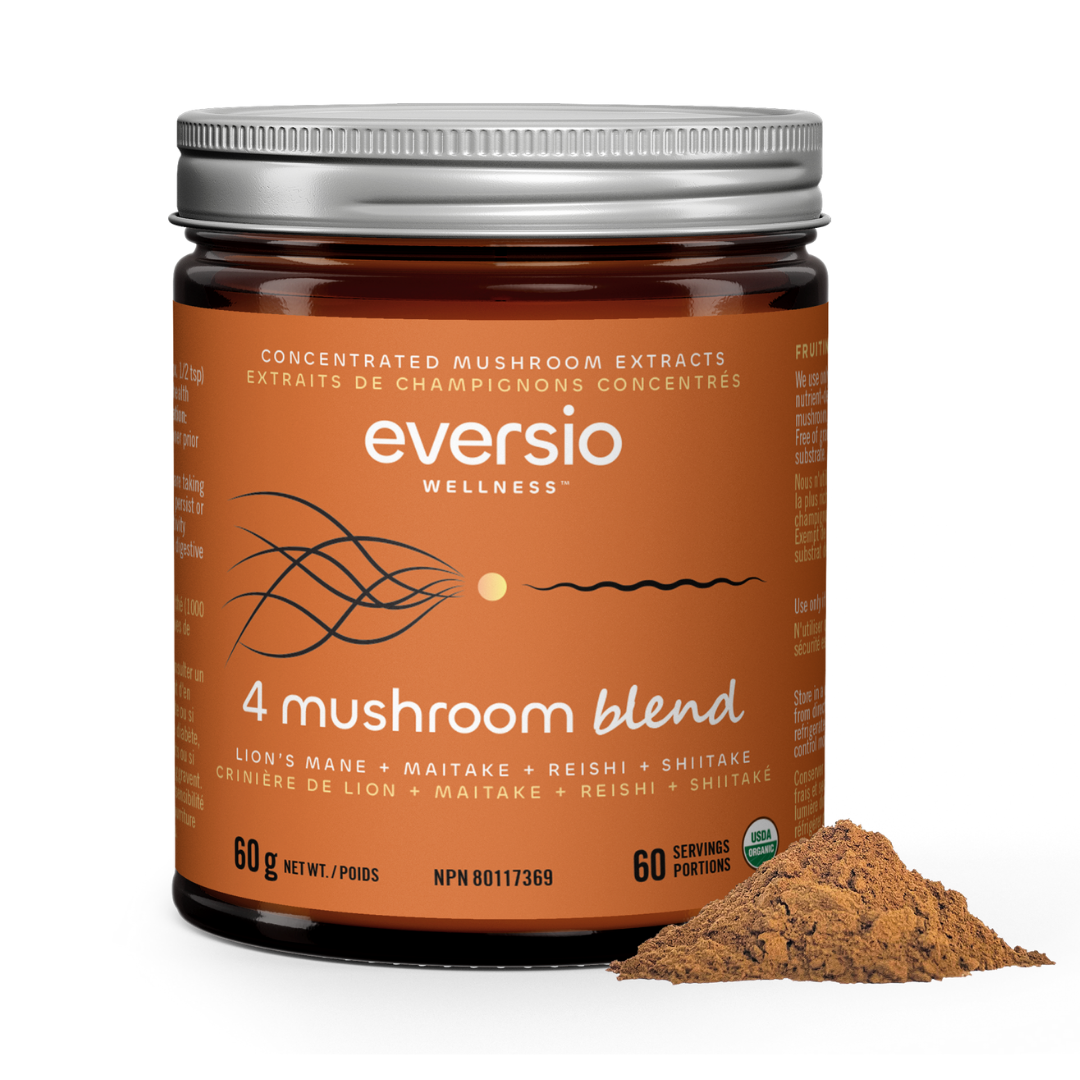
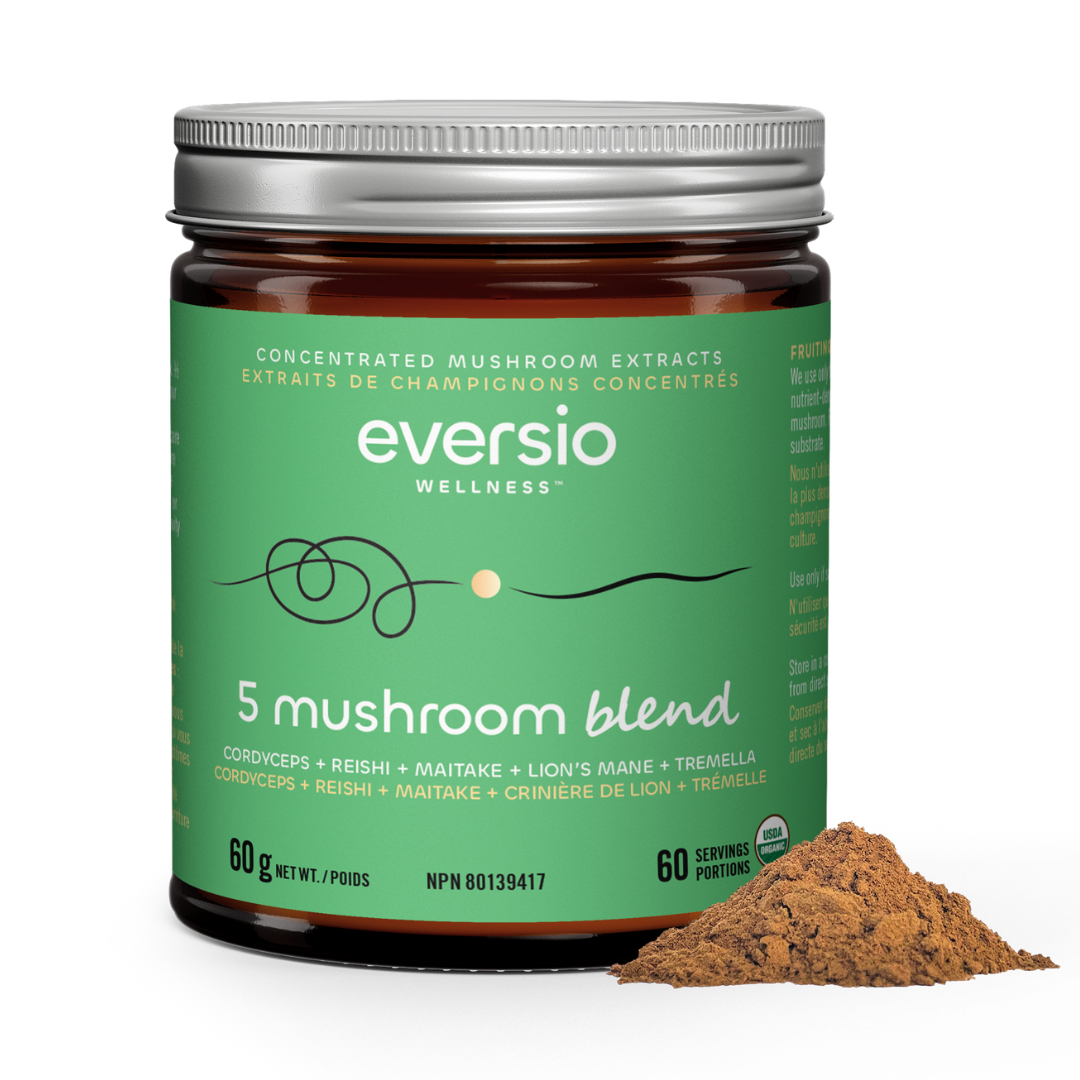
For those who would like a convenient and consistent way to access mushroom compounds alongside whole foods, high quality extracts can be a useful addition. At Eversio Wellness, our focus is on organic, functional mushrooms and careful processing to protect their naturally occurring beta glucans, antioxidants, and other active compounds.
We use only 100 percent certified organic whole fruiting bodies and a dual extraction process for relevant species to support bioavailability and potency. Our products are rigorously tested by third parties, including aflatoxin testing by Pura and beta glucan testing by SGS, and we publish our results on our Certificate of Analysis page for full transparency.
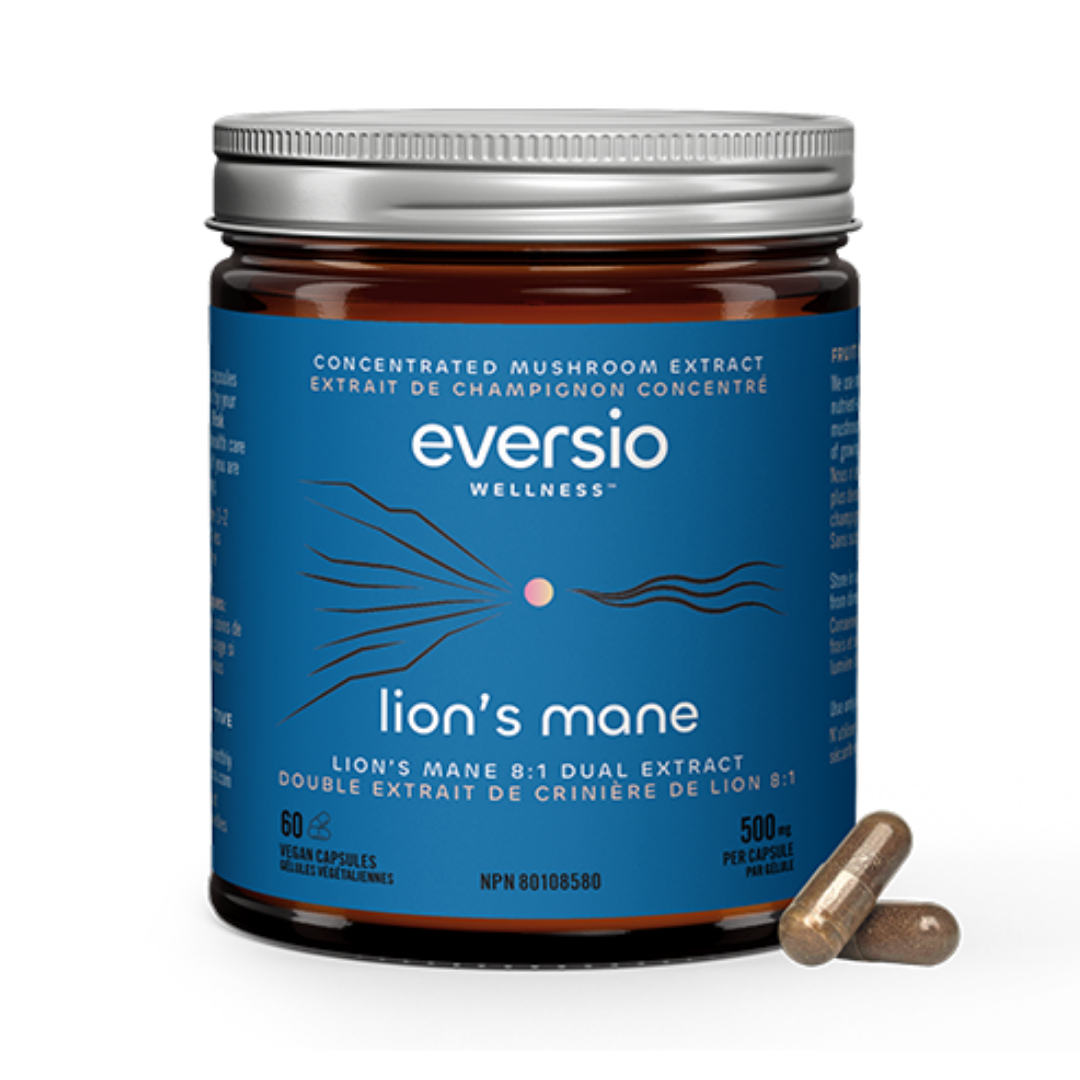
Focus Now - Organic Lion's Mane 8:1 Dual Extract Capsules
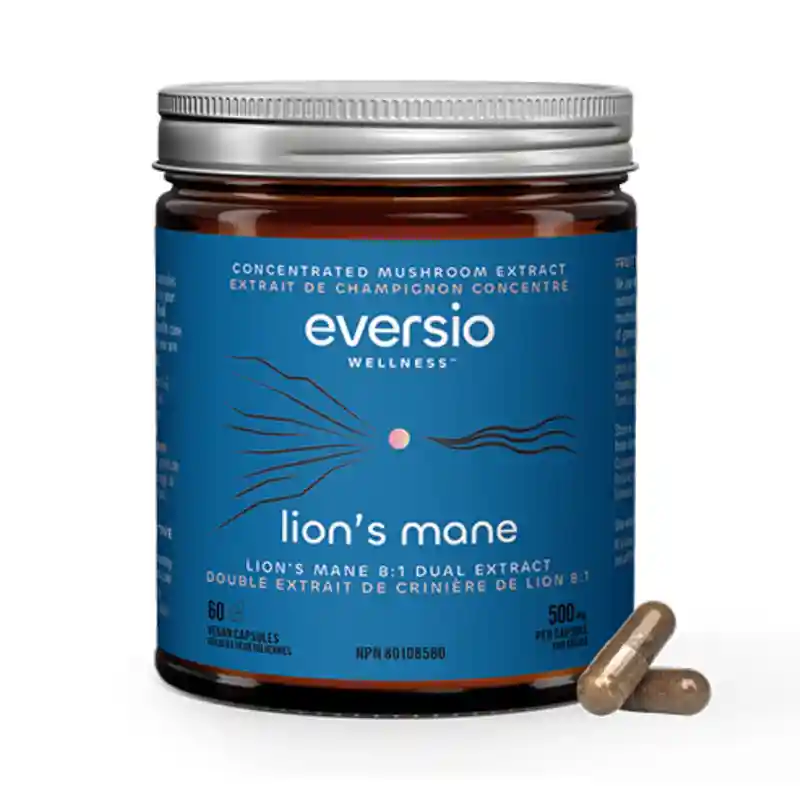
Focus Now is formulated for people who are interested in the brain supportive properties of Lion's Mane as part of their daily routine. Lion's Mane is being studied for its potential to support cognitive function, focus, and mood through compounds that may influence nerve growth factor and neuronal health.
Our 8:1 dual extract capsules are made from organic fruiting bodies and are designed to deliver a concentrated amount of these naturally occurring compounds. Dual extraction uses both hot water and alcohol to draw out a wide spectrum of water soluble and alcohol soluble components.
Focus Now can be taken on its own or alongside other lifestyle practices that support brain health, such as quality sleep, regular movement, balanced nutrition, and mental stimulation.
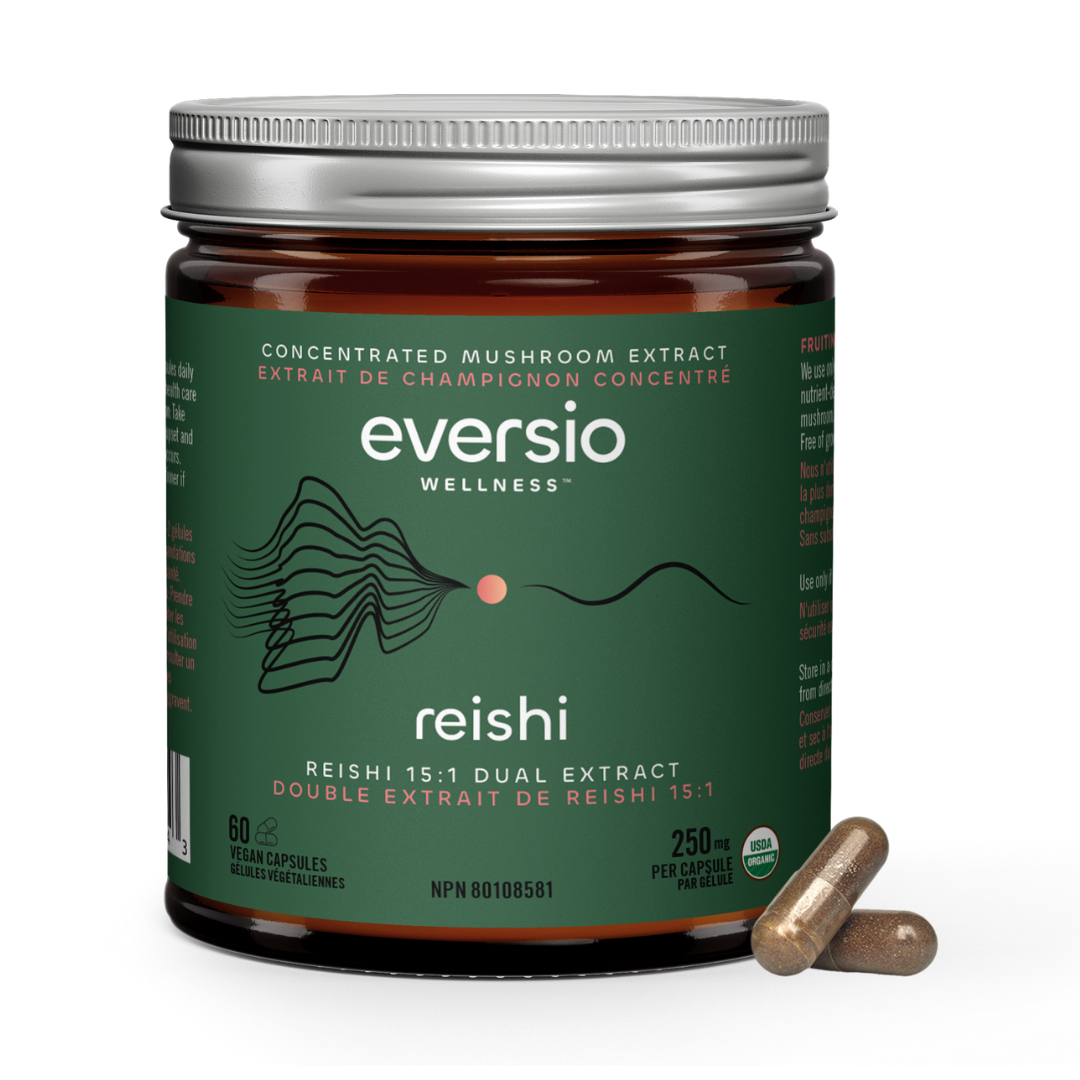
Chill Now - Organic Reishi Mushroom 15:1 Dual Extract Capsules
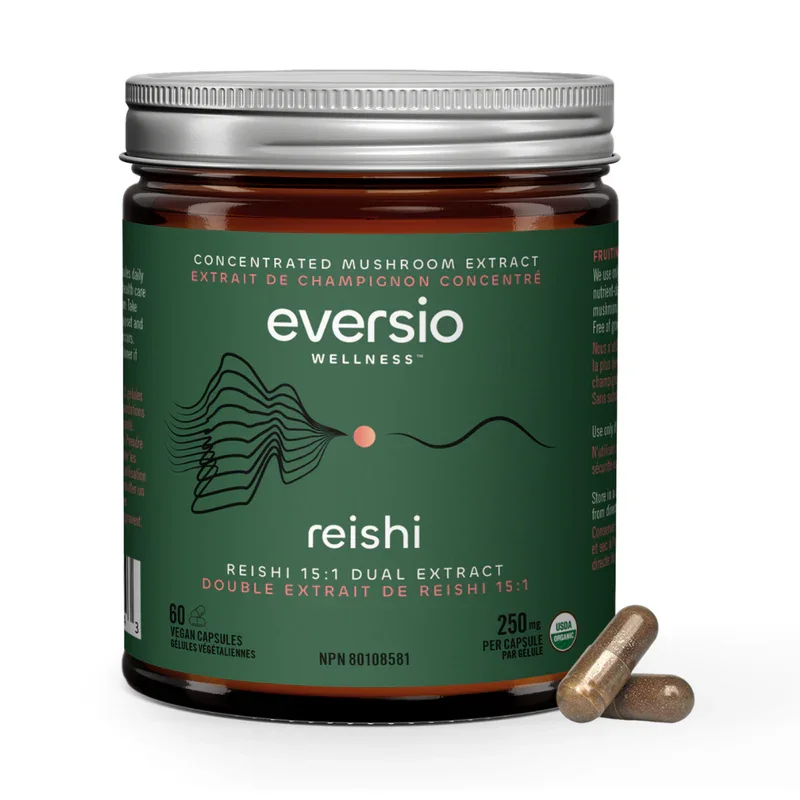
Chill Now is centred on Reishi, sometimes called the mushroom of calm, which is traditionally used to support relaxation and a sense of balance. Modern research is exploring Reishi for its potential to help the body adapt to everyday stress and support sleep quality.
Our high potency 15:1 dual extract delivers a concentrated amount of Reishi's key compounds, including triterpenes and beta glucans, in a convenient capsule. In 2 capsules, you benefit from 500 mg of 15:1 Reishi extract, which is equivalent to 7500 mg of dried mushroom.
Chill Now is best used consistently as part of an evening wind down or stress management routine that might also include practices such as gentle movement, breathwork, or limiting screen time before bed.
A Holistic Approach to Wellness with Mushrooms
From supporting immune balance and cognitive function to contributing to heart and gut health, the current evidence for mushrooms health is encouraging. These fungi can be a valuable part of a holistic wellness approach that also prioritises whole foods, movement, sleep, and stress management.
Mushrooms and functional mushroom extracts are not cures or stand alone solutions, but they may help the body maintain its natural resilience when used thoughtfully and consistently. Choosing high quality, well tested products and combining them with everyday healthy habits is a practical way to put the research into action.
Ready to get started? Explore our full range of Eversio Wellness mushroom capsules today.








Leave a comment
This site is protected by hCaptcha and the hCaptcha Privacy Policy and Terms of Service apply.