Why Turkey Tail Research Is Capturing the Attention of Scientists Worldwide
Turkey Tail Research is revealing what traditional healers have long suspected: this colourful bracket fungus may be one of nature's most promising sources of immune supporting compounds. Modern science is now investigating how these ancient fungi may assist in maintaining a balanced and vigilant immune system. This research is particularly relevant for those seeking to optimise their long term wellness through natural, evidence based solutions.
Here is a quick snapshot of what the science currently shows:
- Key bioactive compounds: Polysaccharide-K (PSK) and Polysaccharide Peptide (PSP), both water soluble beta glucan polysaccharides with immune modulating properties.
- Traditional use: Centuries of use in traditional Chinese medicine under the name Yun Zhi, consumed as a tea or decoction for general wellness and immune support.
- Clinical research highlights: Human trials involving thousands of participants examining Turkey Tail's potential to support immune function alongside standard care.
- Active clinical trials: A Phase 2 trial (NCT06450873) at Mayo Clinic is currently investigating Turkey Tail's effect on cellular proliferation markers in postmenopausal women.
- Safety profile: Toxicological assessments suggest Turkey Tail powder is well tolerated, with a no observed adverse effect level (NOAEL) of 2,000 mg/kg body weight per day in preclinical models.
- Regulatory status: PSK has been used as a standardised adjunct therapy in Japan for decades, though it is not yet approved by the FDA or EMA.
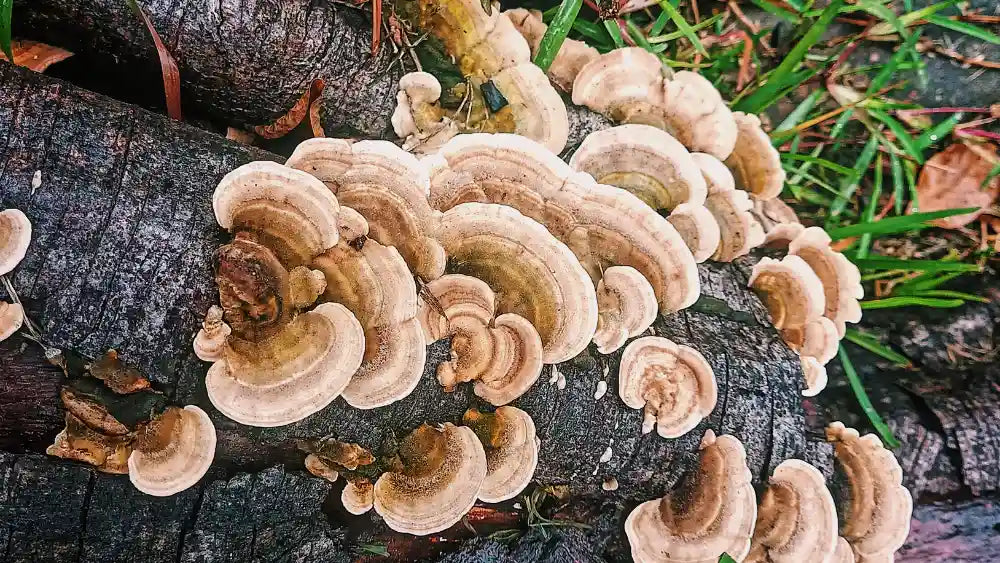
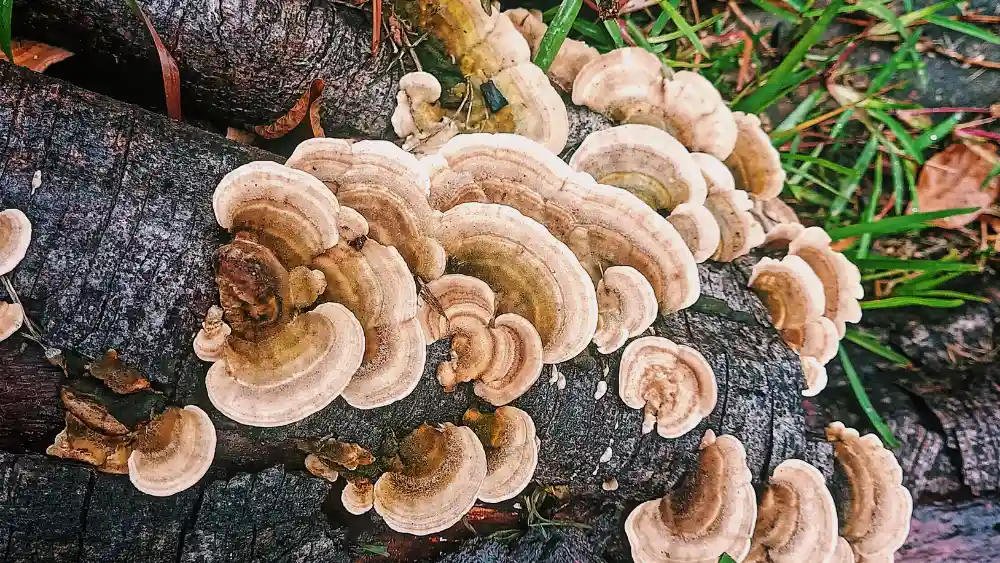
Turkey Tail (Trametes versicolor) grows on decaying logs across temperate forests in Europe, Asia, and North America. Its fan shaped cap, banded with concentric rings of colour, has made it one of the most recognisable fungi in the world. Beyond its appearance, it is the mushroom's biochemical complexity that has earned it a place in both traditional medicine cabinets and modern research laboratories.
What makes this research particularly exciting is the growing body of human clinical trial data, moving Turkey Tail beyond the realm of folk remedy and into evidence based discussion. Scientists are now working to understand exactly how its compounds interact with the immune system, and whether those interactions translate into meaningful health outcomes. This exploration into functional fungi is part of a broader movement toward proactive health management.
I'm Brandi Garden, co-founder of Eversio Wellness and someone who turned to functional mushrooms after my own journey with autoimmune challenges and burnout. My experience building a mushroom wellness brand grounded in science and transparency means I have spent years studying this research. I am excited to walk you through what the evidence actually says about this remarkable fungus.
Easy Turkey Tail Research word list:
Understanding Turkey Tail and Its Bioactive Profile
When we talk about Trametes versicolor, commonly known as Turkey Tail, we are looking at a master of biochemical synthesis. While many people admire its beautiful, feather like rings in the wild, the real magic happens at the molecular level. Turkey Tail is a saprophytic fungus, meaning it plays a vital role in the forest by breaking down dead wood, but it also produces a suite of compounds that may support our own internal maintenance systems.
The most significant players in Turkey Tail Research are two protein bound polysaccharides: Polysaccharide-K (PSK, also known as Krestin) and Polysaccharide Peptide (PSP). These are large, complex molecules with a molecular weight of approximately 100 kDa. They are essentially long chains of sugars linked to proteins. According to a 2024 scientific review in Current Opinion in Food Science, these compounds are primarily found in the fruiting body and the mycelium, though their concentrations can vary depending on how the mushroom is grown and processed.
For these compounds to be useful to us, they must be bioavailable. Because Turkey Tail is quite leathery and tough, simply eating it won't do much. This is why dual extraction is so important. Hot water extraction is particularly effective for Turkey Tail because its primary active components, the beta glucans, are water soluble. By using high quality extraction methods, we can ensure these polysaccharides are released from the mushroom's tough cellular walls, making them ready for our bodies to use.
Beta glucans are a type of soluble fibre found in the cell walls of fungi. In Turkey Tail, these beta glucans are specifically structured to interact with receptors on our immune cells. This interaction is what scientists refer to as immune modulation. It is not about overstimulating the system, but rather providing the tools the body needs to maintain balance and resilience.
The Evolution of Turkey Tail Research: From Tradition to Clinical Trials
The use of Turkey Tail is not a new fad. In Traditional Chinese Medicine (TCM), it is known as Yun Zhi (Cloud Mushroom) and has been valued for centuries as a potent tonic. Historically, it was prepared as a simple decoction or tea to support the lungs and bolster general vitality. This ancient wisdom provided the foundation for the rigorous scientific investigation we see today.
Modern pharmacology began taking a closer look at Turkey Tail in the 1960s and 70s, particularly in Japan. Researchers there were interested in how natural compounds could serve as biological response modifiers. This led to the development of PSK, which became a standardised extract used in clinical settings. This transition from traditional use to modern science represents a significant milestone in mycology.
A scoping review of medicinal mushrooms highlights that Turkey Tail is now one of the most extensively researched fungi in the world. We have transitioned from traditional observations to sophisticated human clinical trials that examine how these ancient fungi might work alongside modern wellness protocols to support a healthy immune response. This research continues to expand as more people seek natural ways to support their health.
The historical context of Turkey Tail is essential for understanding its current role in wellness. In many cultures, mushrooms were seen as a bridge between the earth and human health. Today, we use advanced laboratory techniques to confirm what these cultures knew intuitively. By bridging the gap between tradition and science, we can better appreciate the potential of these functional fungi.
Current Clinical Frontiers: Investigating Turkey Tail Research in Modern Wellness
One of the most exciting aspects of current Turkey Tail Research is the work being done at world renowned institutions like the Mayo Clinic. A Phase 2 interventional clinical trial (NCT06450873) is currently underway to investigate the effects of Turkey Tail mushrooms in postmenopausal women with newly diagnosed health challenges. The goal of this specific study is to measure changes in a marker called Ki-67, which is used by researchers to determine how quickly cells are proliferating within a specific area.
By administering Turkey Tail before certain procedures, researchers hope to see if the mushroom's bioactive compounds can influence this proliferation marker. You can find more details on this Mayo Clinic trial here. This type of research is vital for understanding how natural compounds can be integrated into a proactive health strategy. It provides a scientific basis for the use of Turkey Tail in supporting cellular health.
Additionally, UCLA Health has shared evidence regarding the mushroom's role as a non-specific immune modulator. In various observations, researchers have noted how Turkey Tail extract may support the body's natural immune response when used alongside standard protocols. While individual cases don't prove a universal effect, they provide a compelling real world context for the UCLA Health research on immune modulators.
How exactly does a mushroom talk to our immune system? Research suggests that compounds like PSK act as biological response modifiers. They don't necessarily attack foreign cells directly; instead, they may help prime our own immune cells to do their jobs more effectively. This priming effect is a key focus of modern mycological studies.
Key findings in Turkey Tail Research suggest that these polysaccharides may:
- Help support the activity of Natural Killer (NK) cells.
- Assist in the production of certain cytokines that coordinate the immune response.
- Enhance the body's natural immune surveillance capabilities.
By acting as a non-specific modulator, Turkey Tail may help maintain a balanced and vigilant immune system, which is a cornerstone of long term cellular health. This mechanistic rationale is a major focus for those studying the immune mechanisms of PSK. Understanding these pathways allows us to use these mushrooms more effectively in our daily routines.
The Gut-Immune Connection and Microbiome Support
Some of the strongest evidence for Turkey Tail comes from large scale human trials focused on digestive wellness. In one massive study involving over 10,000 participants, the group receiving PSK showed significantly better outcomes in maintaining their health over time compared to those who did not. This suggests that the compounds in Turkey Tail may play a role in supporting the body's natural defences within the digestive system.
Another trial involving nearly 1,000 participants found that PSK helped support long term wellness outcomes. The researchers suggested that the mushroom extract helped enhance the body's natural immune ability by increasing the presence of natural killer cells. This is particularly important because a large portion of the immune system is located within the gut. Supporting gut health is, therefore, a direct way to support overall immune function.
Regarding colorectal wellness, trials have examined the use of PSK alongside standard care. While it didn't meet all its goals compared to other treatments, the participants using the Turkey Tail extract reported a significant improvement in their quality of life. They experienced fewer common challenges associated with their primary health journeys, such as fatigue and digestive discomfort. This suggests that Turkey Tail may play a vital role in supportive care, helping people feel better as they navigate their health. You can read more about the digestive health and PSK clinical trial here.
Turkey Tail also acts as a prebiotic, which is a type of fibre that feeds the beneficial bacteria in your gut. A healthy microbiome is essential for a strong immune system, as these bacteria help train our immune cells. By supporting the growth of beneficial microbes like Lactobacillus and Bifidobacterium, Turkey Tail may help create a more resilient internal environment. This dual action of immune modulation and prebiotic support makes it a unique tool for wellness.
Mechanisms of Action: How Turkey Tail Supports Cellular Health
Beyond just supporting the immune system, Turkey Tail Research has identified several specific ways these mushrooms support cellular health. One of the most important is their antioxidant effect. Turkey Tail contains phenols and flavonoids that help neutralise free radicals, protecting our cells from oxidative stress. This protection is vital for maintaining the integrity of our DNA and cellular structures over time.
Research has also looked into:
- Apoptosis support: The process of programmed cell death, which is vital for clearing out damaged or unhealthy cells.
- Prebiotic activity: Turkey Tail polysaccharides may act as a food source for beneficial gut bacteria, which in turn supports the 70% of our immune system located in the gut.
- Mitochondria support: Some studies suggest Turkey Tail compounds help support the powerhouses of our cells, ensuring they function efficiently.
A recent toxicological assessment of Turkey Tail powders confirmed that these benefits come with a very high safety profile. This makes them a viable option for long term wellness support for most individuals. The study used rigorous testing methods to ensure that the powder was free from contaminants and safe for daily consumption.
When we look at the cellular level, we see that Turkey Tail is doing much more than just boosting a single response. It is working across multiple pathways to ensure that our cells are protected, nourished, and functioning at their best. This holistic approach to cellular health is why so many people are turning to functional mushrooms as a foundational part of their wellness routine.
Safety, Dosage, and Global Availability
If you are looking to add Turkey Tail to your routine, it is reassuring to know that it is widely considered safe. In Japan, PSK has been used for decades with minimal reported side effects. Some people might experience mild digestive upset, but this is rare and often temporary. It is always important to start with the recommended amount to see how your body responds.
In clinical studies, dosages typically range from 1 to 3 grams per day. For daily wellness, Eversio Wellness recommends 1-2 capsules daily for our single ingredient products. For our powdered extract blends, a serving size of 1/2 teaspoon is recommended. It is always best to choose a form that uses the whole fruiting body, as this most closely mimics the composition used in successful research.
The safety evaluation of medicinal mushrooms indicates that even at high doses, Turkey Tail is non-toxic. However, we always recommend consulting with a healthcare professional, especially if you have an autoimmune condition or are taking medication that affects the immune system. This ensures that your mushroom routine is tailored to your specific health needs.
Quality is also a major safety factor. You should look for products that have been tested for purity and potency. At Eversio Wellness, we ensure that our products are free from heavy metals and other contaminants. This commitment to quality means you can focus on the benefits of the mushroom without worrying about what else might be in the bottle.
High Potency Support: Eversio Wellness Turkey Tail Solutions
At Eversio Wellness, we believe that if you are going to use Turkey Tail Research to inform your health, you deserve products that actually match the quality used in those studies. We don't use mycelium on grain or fillers. Instead, we focus on USDA Organic Certified, whole fruiting body mushrooms that are dual extracted for maximum bioavailability.
Our extraction process is key to our potency. We use a dual extraction method to ensure that all the beneficial polysaccharides and secondary metabolites are present. You can view our Certificate of Analysis for every batch, showing the exact beta glucan content and purity as verified by SGS. This level of transparency is a core part of our mission.
Defend Now - Organic Turkey Tail 12:1 Extract Capsules

Our flagship Turkey Tail product is designed for those who want concentrated immune support in a convenient form. These are not just ground up mushrooms; they are a 12:1 extract, meaning it takes 12 kilograms of raw mushrooms to create just 1 kilogram of our potent powder. This ensures a high concentration of the beta glucans that are so central to Turkey Tail Research.
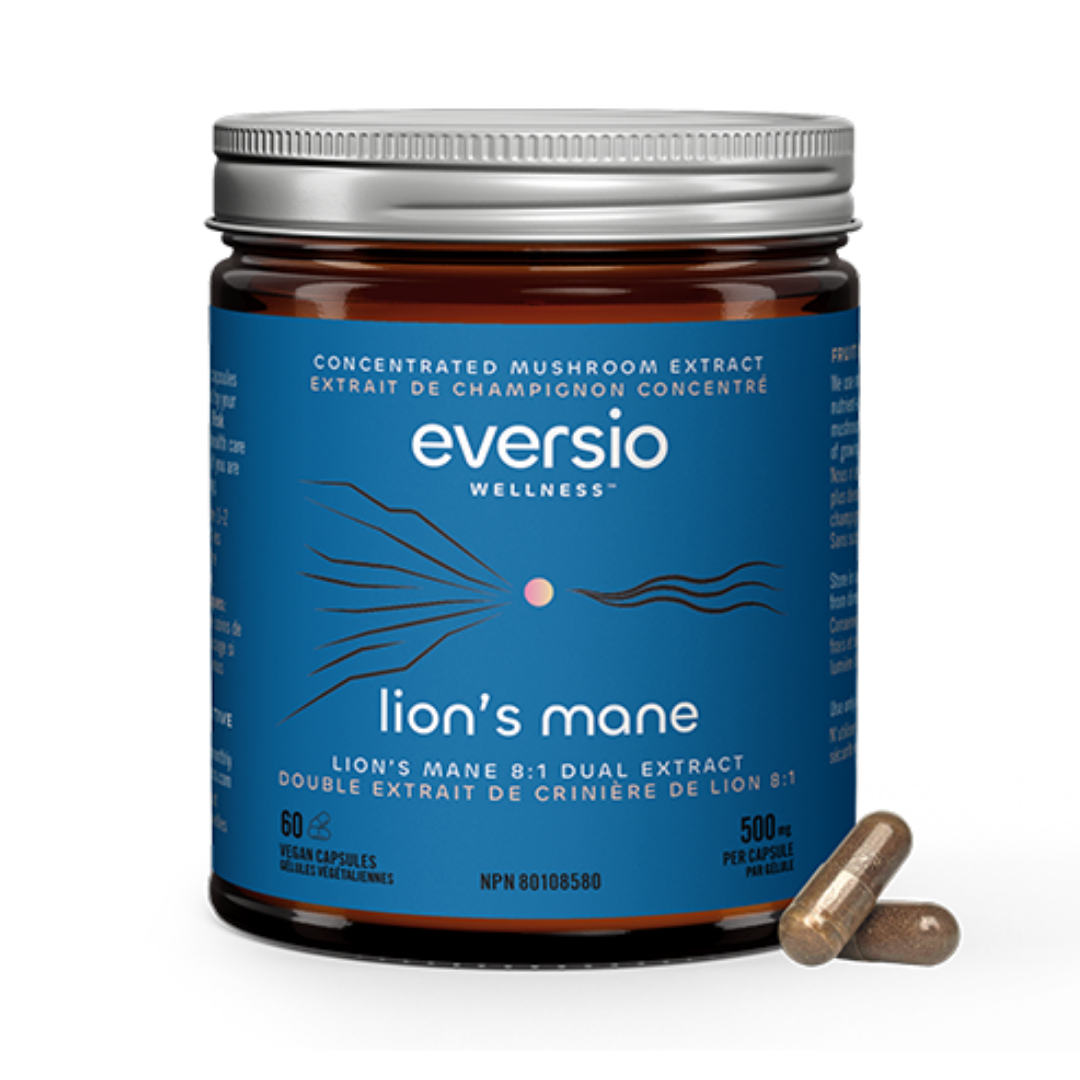
In 1-2 capsules daily, you are getting a therapeutic dose of pure Turkey Tail extract. This single ingredient product is perfect for those who want to focus specifically on the benefits of Trametes versicolor. You can find our Defend Now - Organic Turkey Tail 12:1 Extract Capsules here. These capsules are an easy way to integrate functional mushrooms into your daily wellness routine.
The Awaken Blend - 3 Mushroom Blend
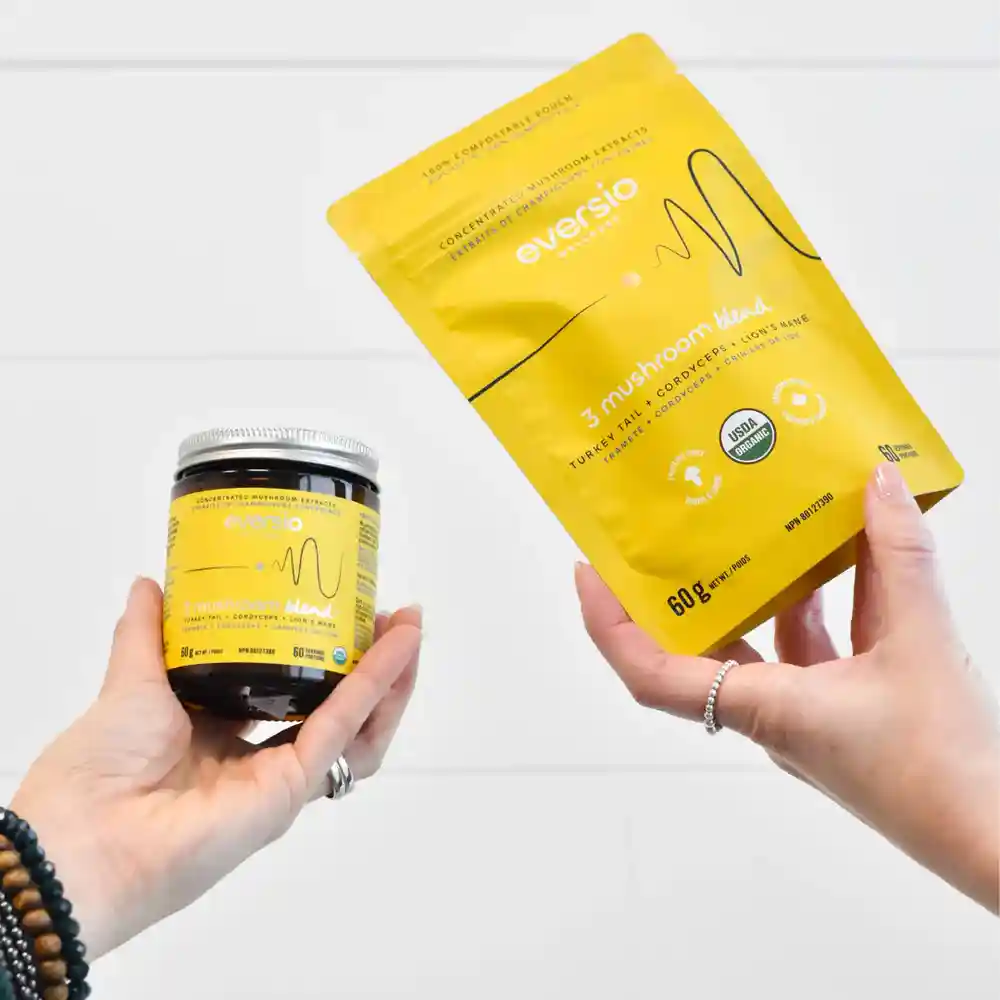
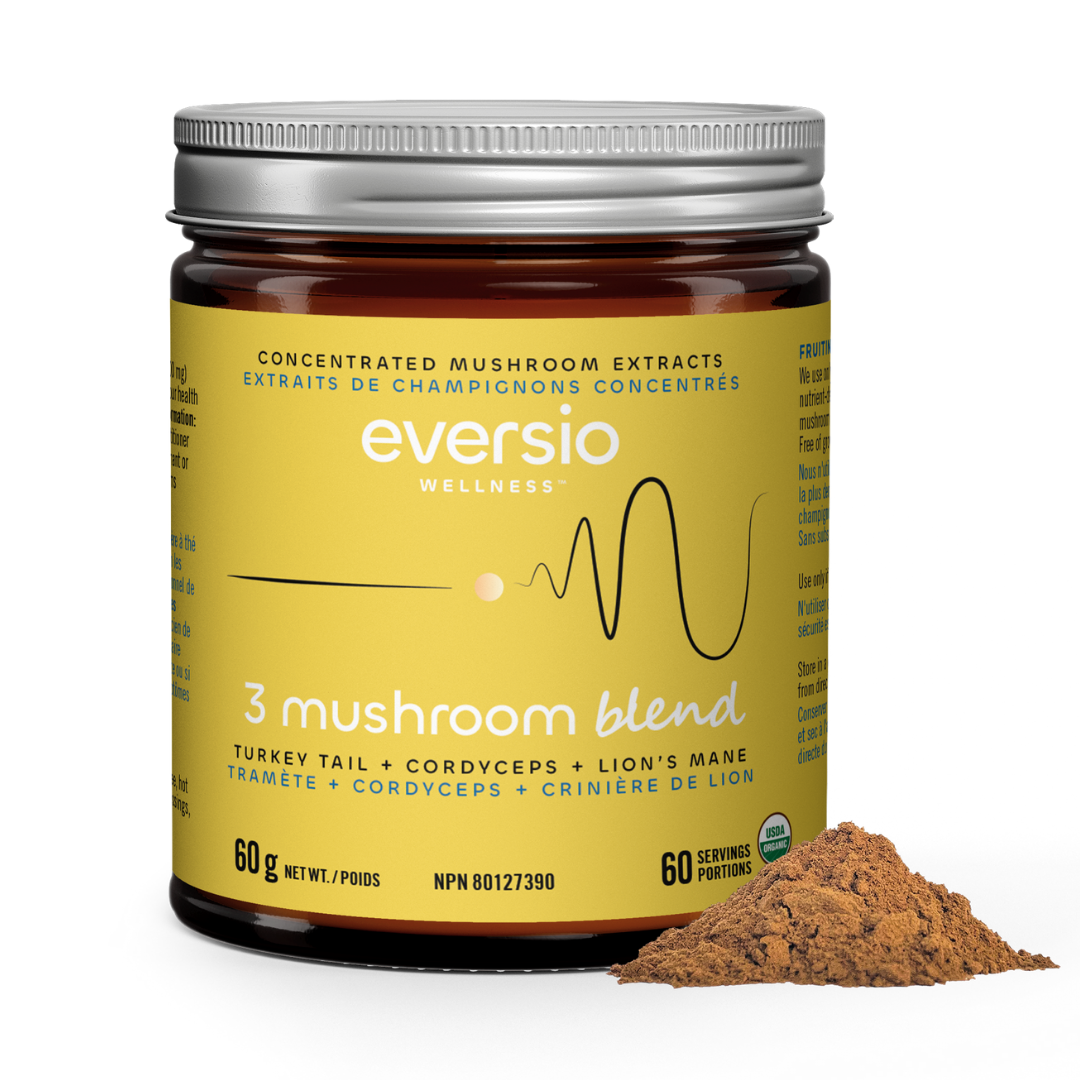
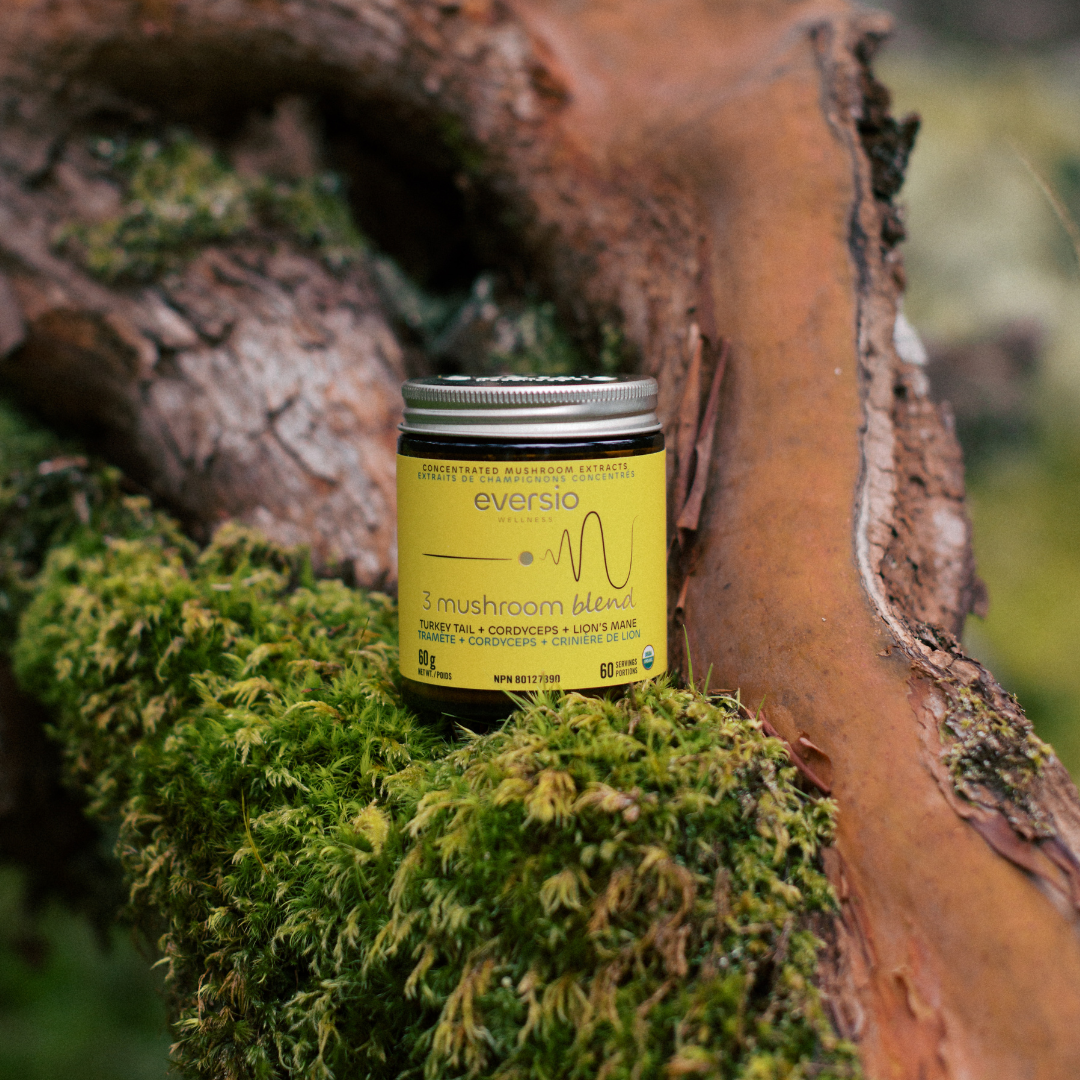
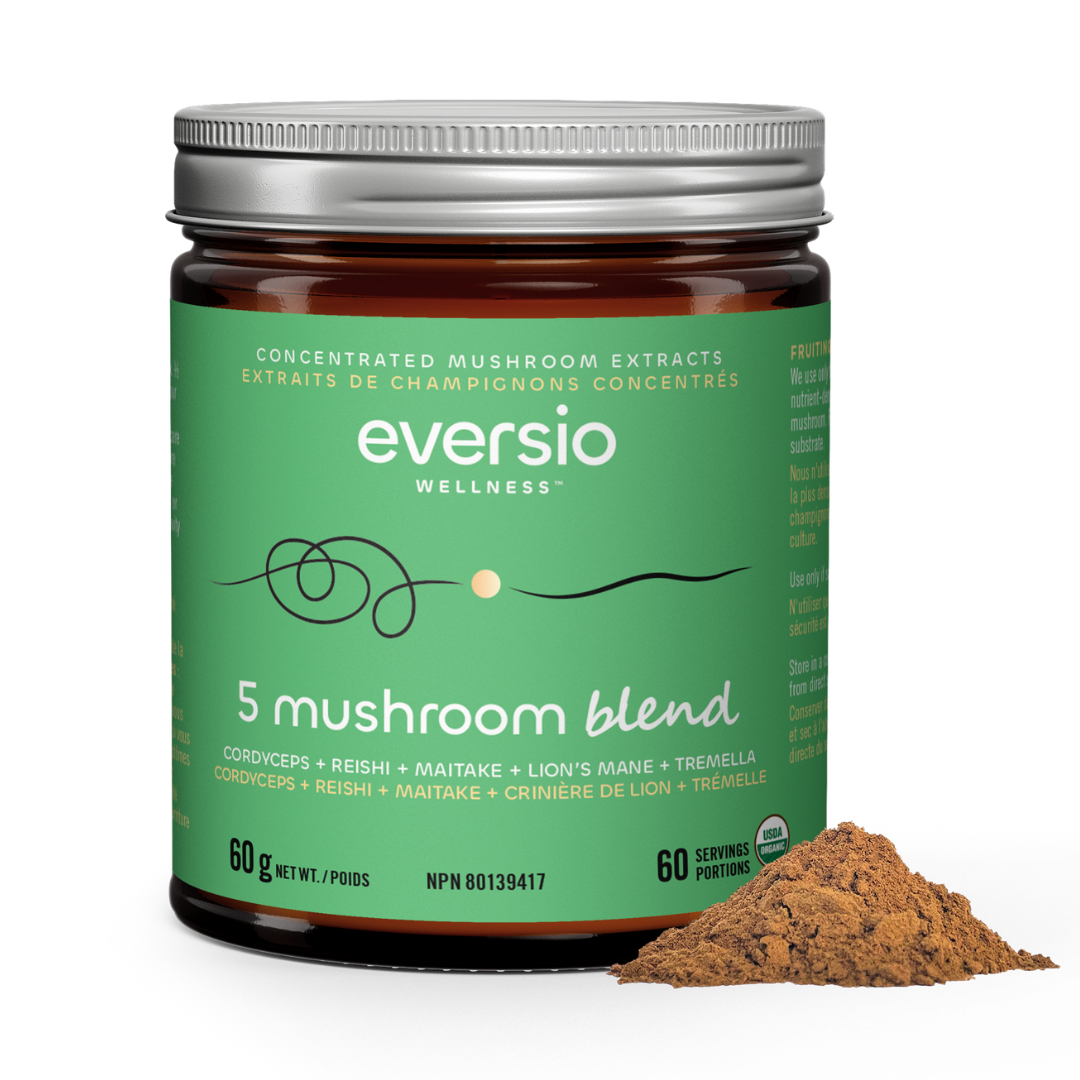
If you want a broader daily mushroom routine, we created The Awaken Blend. This 3 mushroom powdered extract blend combines Turkey Tail, Lion's Mane, and Cordyceps to support immune health, mental clarity, and everyday energy. It is a simple way to bring multiple research-backed mushrooms into one daily serving.
It is a perfect way to get your daily dose of Turkey Tail alongside other adaptogenic fungi. Simply add 1/2 tsp to your morning coffee, tea, or smoothie for a natural boost. This blend is an excellent choice for those who enjoy the ritual of preparing a functional beverage. Explore The NEW Blend here.
Future Directions and Limitations in Turkey Tail Research
While the current data is incredibly promising, we must also acknowledge the limitations. Many of the most positive studies come from East Asia, and there is a need for more large scale, multicentre trials in Western populations. This will help determine if the results are consistent across different lifestyles, diets, and genetic backgrounds. Science is an ongoing process of discovery.
Standardisation is another challenge in the industry. Not all Turkey Tail extracts are created equal, which can make it hard to compare results between different studies. However, the move toward using standardised PSK and PSP in research is a step in the right direction. As integrative wellness continues to grow, we expect to see even more focus on how these fungi can be used as a foundational part of a proactive health strategy.
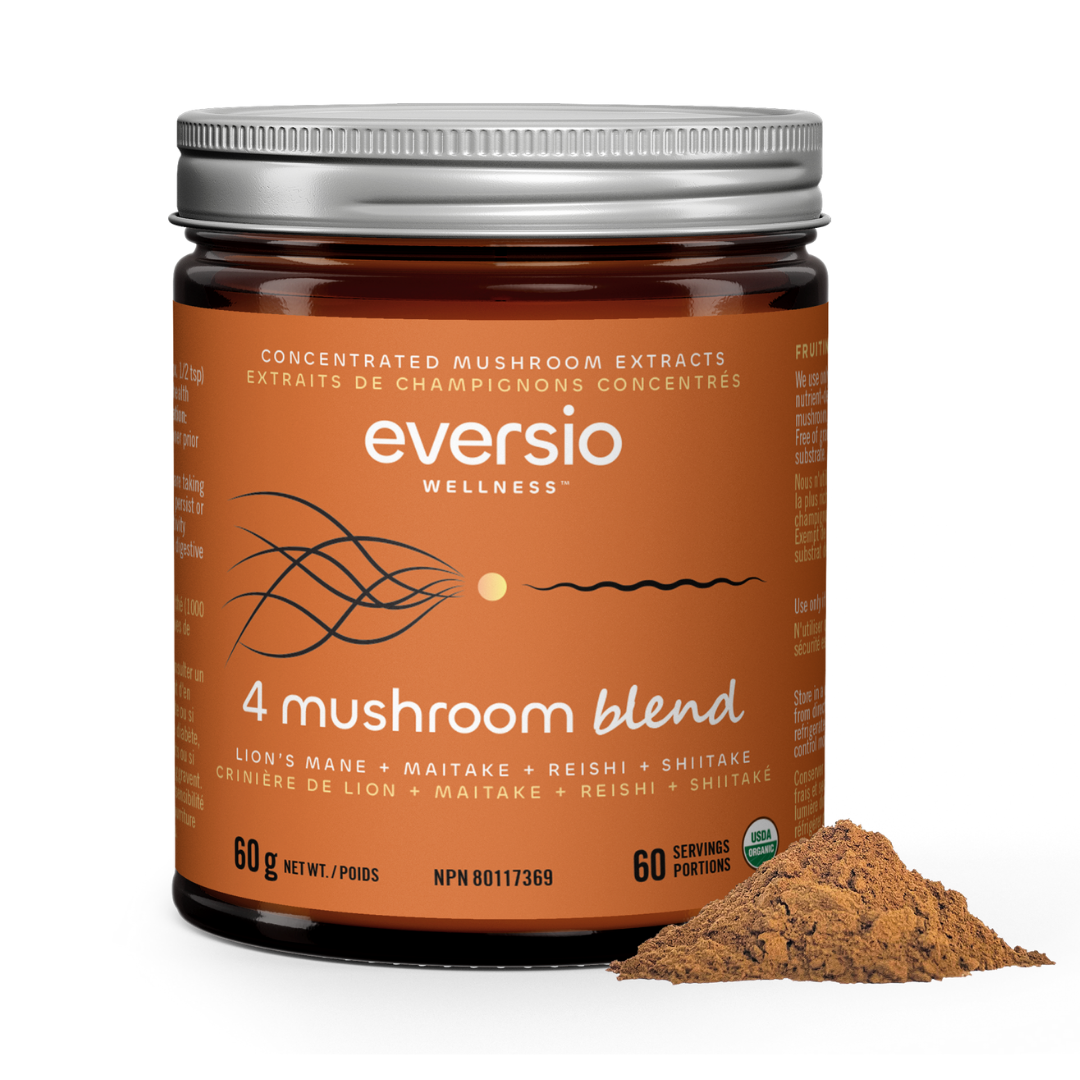
Researchers are also beginning to look at the synergistic effects of combining different mushrooms. For example, how might Turkey Tail work when taken with Reishi mushrooms or Lion's Mane mushrooms? These questions are at the forefront of modern mycology. We look forward to seeing how this research evolves and how it can further support our community.
In the meantime, the existing body of evidence provides a strong foundation for the use of Turkey Tail. By focusing on high quality, standardised extracts, we can feel confident in the support these mushrooms provide. The future of Turkey Tail Research is bright, and we are proud to be a part of it.
Frequently Asked Questions about Turkey Tail Research
What is the most studied compound in Turkey Tail?
The most studied compounds are PSK (Polysaccharide-K) and PSP (Polysaccharide Peptide). These are the specific water soluble polysaccharides that have been the focus of clinical trials for decades due to their ability to modulate the immune system and support cellular health.
How is Turkey Tail used in wellness settings?
In many countries, Turkey Tail extracts are used as a supportive supplement. They are often taken to help maintain a healthy immune system and improve overall quality of life, especially during times of physical stress or recovery. They are valued for their non-specific modulating effects.
Is Turkey Tail research ongoing?
Yes, absolutely. Beyond the historical data, there are active Phase 2 trials at institutions like the Mayo Clinic and ongoing reviews in scientific journals as recently as 2024. The world of Turkey Tail Research is more active today than ever before as scientists seek to understand its full potential.
Can I take Turkey Tail with other mushrooms?
Yes, Turkey Tail is often combined with other functional mushrooms like Chaga mushrooms. Many people find that a blend of different fungi provides more comprehensive support for their wellness goals. Our NEW Blend is a great example of this approach.
Unlock Nature’s Potential with Eversio!
The journey of Turkey Tail from a forest floor fungus to a subject of high level clinical research is a testament to the power of nature. Whether you are looking to support your immune system, improve your gut health, or simply invest in your long term cellular wellness, the science suggests that Turkey Tail is a formidable ally. By choosing high potency, organic extracts, you can ensure you are getting the most out of this remarkable mushroom.
At Eversio Wellness, we are committed to providing you with the highest potency, cleanest mushroom extracts available, so you can experience the benefits of this research for yourself. Our dedication to quality and transparency means you can trust every product we make.
Ready to get started? Explore our full range of Eversio Wellness mushroom capsules today.







Leave a comment
This site is protected by hCaptcha and the hCaptcha Privacy Policy and Terms of Service apply.