
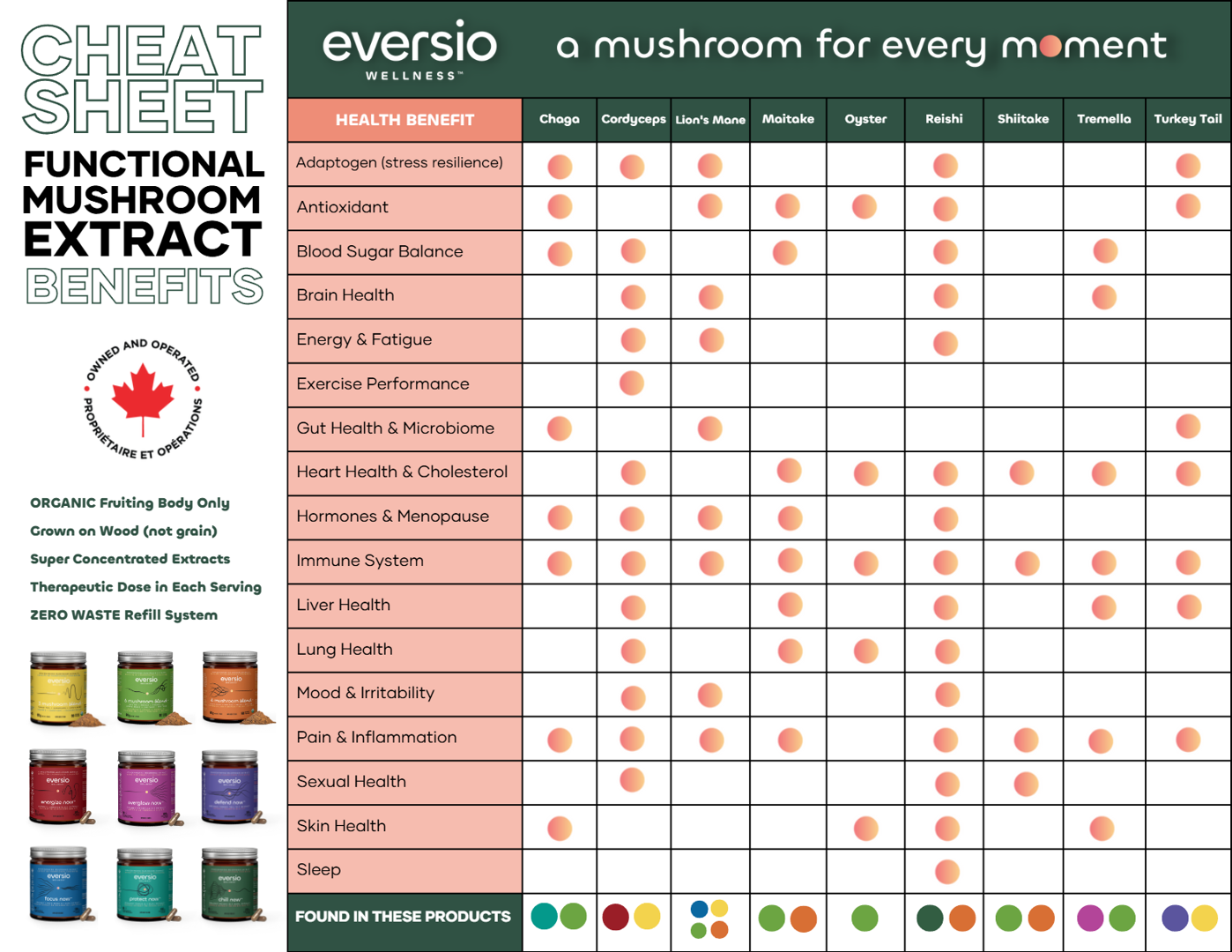
Why Mushroom Nutrients Deserve a Place in Your Daily Wellness Routine

Mushroom nutrients are a remarkably diverse collection of vitamins, minerals, bioactive compounds, and dietary fibre that make edible fungi one of the most nutritionally interesting foods on the planet. Here is a quick overview of what a typical serving delivers:
- Protein: Around 2.2g per 100g fresh weight (up to 30g+ when dried)
- Key vitamins: Riboflavin (B2), niacin (B3), pantothenic acid (B5), and vitamin D (especially in UV-exposed varieties)
- Key minerals: Potassium, selenium, copper, and phosphorus
- Bioactive compounds: Beta-glucans, ergothioneine, glutathione, and terpenes
- Dietary fibre: Chitin and hemicellulose to support gut health
- Calorie density: Very low, typically under 20 kcal per 84g serving
- Fat and cholesterol: Essentially fat-free and completely cholesterol-free
Mushrooms have been used as both food and medicine for thousands of years, from ancient Greek warriors consuming them for strength to traditional Chinese practitioners using varieties like Reishi and Shiitake to support vitality and longevity. Modern science is now catching up, confirming what those traditions long suggested: fungi are genuinely packed with compounds that support human health in meaningful ways.
What makes mushrooms especially interesting in May 2026 is how they sit at the crossroads of everyday nutrition and functional wellness. They are not just a flavourful addition to a meal. They are one of the few plant-kingdom foods that can provide vitamin D, a nutrient identified as a public health concern in the Dietary Guidelines for Americans, alongside a suite of antioxidants and immune-supporting polysaccharides that are rarely found elsewhere in a typical diet.
I'm Brandi Garden, co-founder of Eversio Wellness, and my deep dive into mushroom nutrients grew directly from my personal journey navigating autoimmune challenges and burnout, which led me to research the evidence behind functional fungi and eventually build a wellness brand around them. Let's explore exactly what mushrooms contain, why it matters, and how to get the most from these remarkable organisms.
The Nutritional Profile of Mushroom Nutrients

When we look at the macronutrient breakdown of fungi, we see a food that is uniquely positioned between the plant and animal kingdoms. Mushrooms are roughly 80 to 90 per cent water, which explains their low calorie density. However, when we look at their dry weight, the concentration of Mushroom Nutrients becomes even more impressive.
On a dry weight basis, mushrooms can contain between 13.8g and 38.5g of protein per 100g. This has led many to refer to them as "vegetarian meat" or "white vegetables". While fresh mushrooms provide a modest amount of protein (about 2.16g per cup), they are a complete protein source, meaning they contain all nine essential amino acids that our bodies cannot produce on their own. This makes them a valuable addition to plant-based diets.
The carbohydrate content of mushrooms is also unique. Unlike plants that use cellulose for structure, mushrooms use chitin and hemicellulose. These complex carbohydrates act as functional fibres. Furthermore, mushrooms are essentially fat-free and contain no cholesterol, making them a heart-friendly option for those monitoring their lipid profiles. You can learn more about these foundational aspects in An Essential Guide To Mushroom Benefits.
Research published in the Nutritional Composition and Biological Properties of Sixteen Edible Mushroom Species highlights that mushrooms are biological accumulators of minerals. This means they pull essential elements from their growing environment and concentrate them in their fruiting bodies, offering a dense source of nutrition that is often missing from modern, processed diets.
Essential Vitamins and Minerals in Mushroom Nutrients
Mushrooms are particularly rich in B-complex vitamins, which are vital for energy metabolism and nervous system support. A single serving of three to four button mushrooms can provide approximately 25 per cent of your daily requirement for riboflavin (B2), niacin (B3), and pantothenic acid (B5).
- Riboflavin (B2): Supports healthy red blood cell production and energy metabolism.
- Niacin (B3): Important for digestive health and maintaining healthy skin.
- Pantothenic Acid (B5): Plays a role in hormone production and the nervous system.
Beyond vitamins, the mineral profile of Mushroom Nutrients is stellar. They are an excellent source of selenium, an antioxidant mineral that may help support the immune system and protect cells from oxidative stress. They also provide significant amounts of copper, which helps the body make red blood cells and maintain healthy bones and nerves.
One of the most notable minerals in mushrooms is potassium. Many people reach for a banana when they need potassium, but mushrooms are a comparable source by weight. A standard cup of sliced white mushrooms provides about 223 mg of potassium, which is roughly 5 to 10 per cent of daily needs. Adding mushrooms to standard dietary patterns has been shown to increase potassium intake by 8 to 12 per cent without adding excess sodium or calories, as noted in the Nutritional impact of adding a serving of mushrooms to USDA Food Patterns – a dietary modeling analysis.
Dietary Fibre and Gut Health
The fibre in mushrooms is not just for "keeping things moving". The cell walls of fungi are made of chitin and hemicellulose, which are types of insoluble fibre that provide satiety and support digestive regularity. However, the real magic happens at the microbial level.
Mushrooms are considered powerful prebiotics. The polysaccharides found in Mushroom Nutrients act as fuel for beneficial gut bacteria like Lactobacillus and Bifidobacterium. By nourishing these "good" microbes, mushrooms may help support a balanced gut microbiome, which is increasingly linked to everything from immune function to mood.
Unlike the cellulose found in most vegetables, chitin is quite tough. This is why we often recommend cooking mushrooms or using dual-extracted supplements to make these fibres more accessible to your digestive system. For a deeper look at how these fibres impact your health, check out What's The Nutritional Value Of Mushrooms Here's What Experts Say.
Bioactive Compounds and Mushroom Nutrients
While vitamins and minerals are important, the true "superfood" status of fungi comes from their secondary metabolites. These are bioactive compounds that the mushroom produces to protect itself from environmental stressors, and when we consume them, they may offer similar protective benefits to us.
Mushrooms contain a variety of polyphenols, indoles, and carotenoids that provide antioxidant and anti-inflammatory support. These compounds help neutralise free radicals, which are unstable molecules that can damage cells over time. As reviewed in Mushrooms as Nutritional Powerhouses: A Review of Their ..., these bioactives are a major reason why mushrooms are being studied for their potential roles in cognitive health and immune longevity.
Fungal Beta-Glucans and Immune Modulation
The most well-researched bioactive compounds in mushrooms are the beta-D-glucans. These are complex polysaccharides found in the cell walls of the mushroom's fruiting body. Unlike the beta-glucans found in oats or barley, fungal beta-glucans have a specific 1,3/1,6 molecular structure that allows them to interact with our immune cells.
When we consume these Mushroom Nutrients, they act as "immunomodulators". They don't necessarily "boost" the immune system in a way that causes overactivity; instead, they help train or prime immune cells like macrophages and Natural Killer (NK) cells to respond more efficiently when needed. This support for "immune intelligence" is a cornerstone of functional mushroom use. You can explore the science behind these molecules in our article All About Fungal Beta D Glucans.
Ergothioneine and Glutathione
Mushrooms are the leading dietary source of two very important antioxidants: ergothioneine and glutathione. Ergothioneine is often called a "longevity vitamin" because it is a highly stable antioxidant that the human body has a specific transport system for. This suggests that our bodies have evolved to actively seek out and use this compound.
Ergothioneine may help protect red blood cells and other tissues from oxidative stress, particularly as we age. Glutathione is often referred to as the body's "master antioxidant" and is crucial for detoxification processes. A single 84g serving of mushrooms adds approximately 2.2 mg of ergothioneine and 3.5 mg of glutathione to the diet. For more on this unique compound, read about Ergothioneine In Medicinal Mushrooms.
Terpenes and Adaptogenic Properties
In addition to polysaccharides, many functional mushrooms contain fat-soluble compounds called terpenes. These are especially prevalent in mushrooms like Reishi (triterpenes) and Lion's Mane (diterpenes). Terpenes are often responsible for the adaptogenic properties of mushrooms, helping the body manage the physical and mental effects of stress.
Because terpenes are not water-soluble, they are often missed in simple tea preparations. This is why we use a dual extraction process for our supplements at Eversio Wellness. By using both hot water and alcohol extraction, we ensure that both the immune-supporting beta-glucans and the nervous-system-supporting terpenes are present in the final product. Discover more about this in Benefits Of Terpenes In Dual Extracted Mushroom Products.
Maximising Nutrient Retention and Bioavailability
To get the most out of Mushroom Nutrients, preparation is key. As we mentioned earlier, the cell walls of mushrooms are made of chitin, which is indigestible to humans in its raw form. If you eat raw mushrooms, you may miss out on many of the beneficial compounds locked inside those cells.
Cooking mushrooms—whether sautéing, roasting, or simmering—helps break down the chitin, making the vitamins and minerals more bioavailable. Interestingly, many of the major vitamins and minerals, including B vitamins and potassium, are quite stable during the cooking process. Sautéing or grilling mushrooms can actually concentrate these nutrients as the water content evaporates. For more tips on preparation, see Mushroom Nutrition | Mushroom Health Science Australia.
The Importance of UV Exposure for Vitamin D
Mushrooms are the only food in the produce aisle that can naturally increase their vitamin D levels when exposed to sunlight or UV light. This happens because mushrooms contain ergosterol, a precursor that converts to vitamin D2 when hit by UV rays—much like how our skin synthesises vitamin D from the sun.
Standard supermarket mushrooms are often grown in the dark and contain very little vitamin D. However, if you place your mushrooms on a windowsill in the sun for about 15 to 30 minutes before cooking, their vitamin D levels can skyrocket. UV-exposed mushrooms can provide 200 to 400 IU of vitamin D per serving, which can cover a significant portion of your daily needs. This is a vital strategy for those on plant-based diets, as noted in the Nutritional impact of adding a serving of mushrooms on usual intakes and nutrient adequacy using National Health and Nutrition Examination Survey 2011–2016 data.
Why Dual Extraction Matters for Supplements
While culinary mushrooms are wonderful, achieving therapeutic levels of certain bioactives like beta-glucans and terpenes can be difficult through diet alone. This is where high-quality supplements come in.
At Eversio Wellness, we prioritise the "fruiting body" of the mushroom because it contains the highest concentration of Mushroom Nutrients. Many products on the market use "mycelium on grain," which is essentially the root system of the mushroom grown on rice or oats. This often results in a product that is high in starch and low in the actual mushroom compounds you are looking for. By using 100 per cent organic fruiting bodies and a dual extraction method, we provide a potent, bioavailable extract that delivers the full spectrum of fungal benefits.
High-Potency Functional Mushroom Supplements
We believe that wellness should be simple and effective. That is why our supplements are formulated to provide therapeutic doses of the most researched functional mushrooms. Whether you prefer the convenience of capsules or the versatility of powdered extract blends, our products are designed to fit seamlessly into your daily routine.
All of our products are USDA Organic Certified, non-GMO, and third-party tested to ensure they are free from contaminants and rich in active compounds like beta-D-glucans. We operate out of Surrey, BC, and Ferndale, Washington, serving health enthusiasts across Canada and the United States.
The Balance Blend for Daily Equilibrium
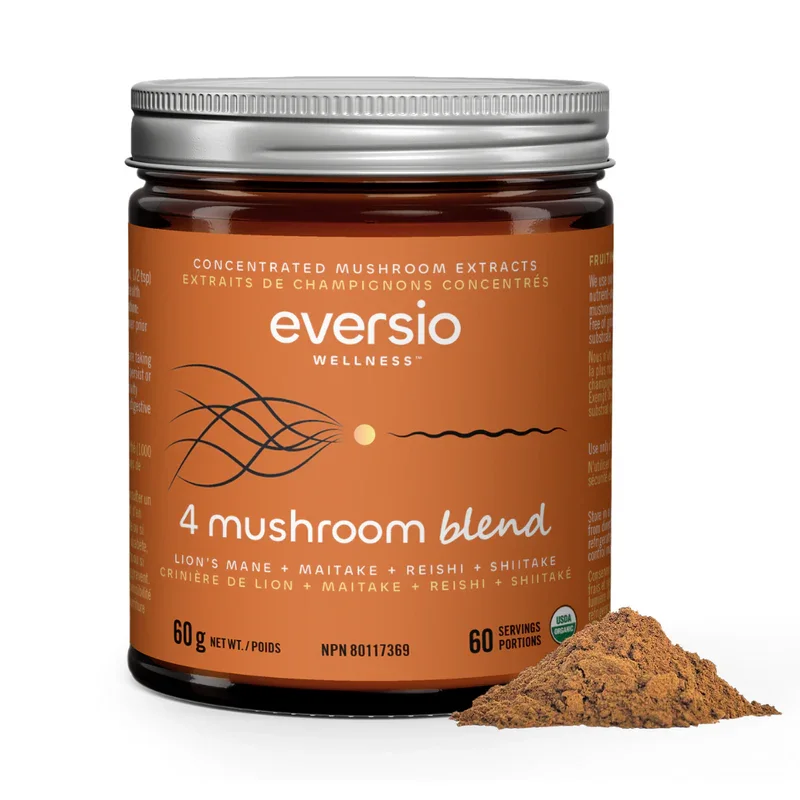
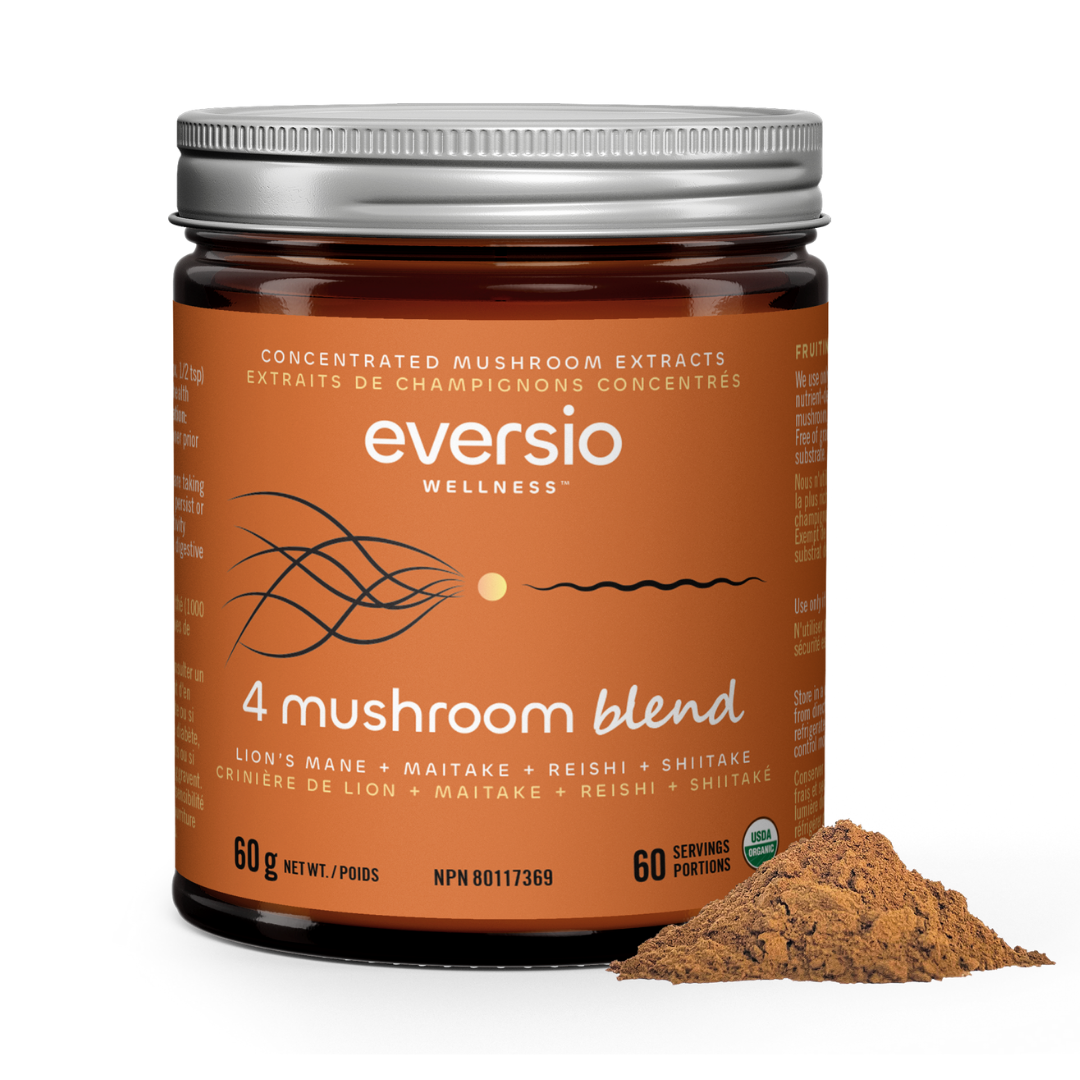
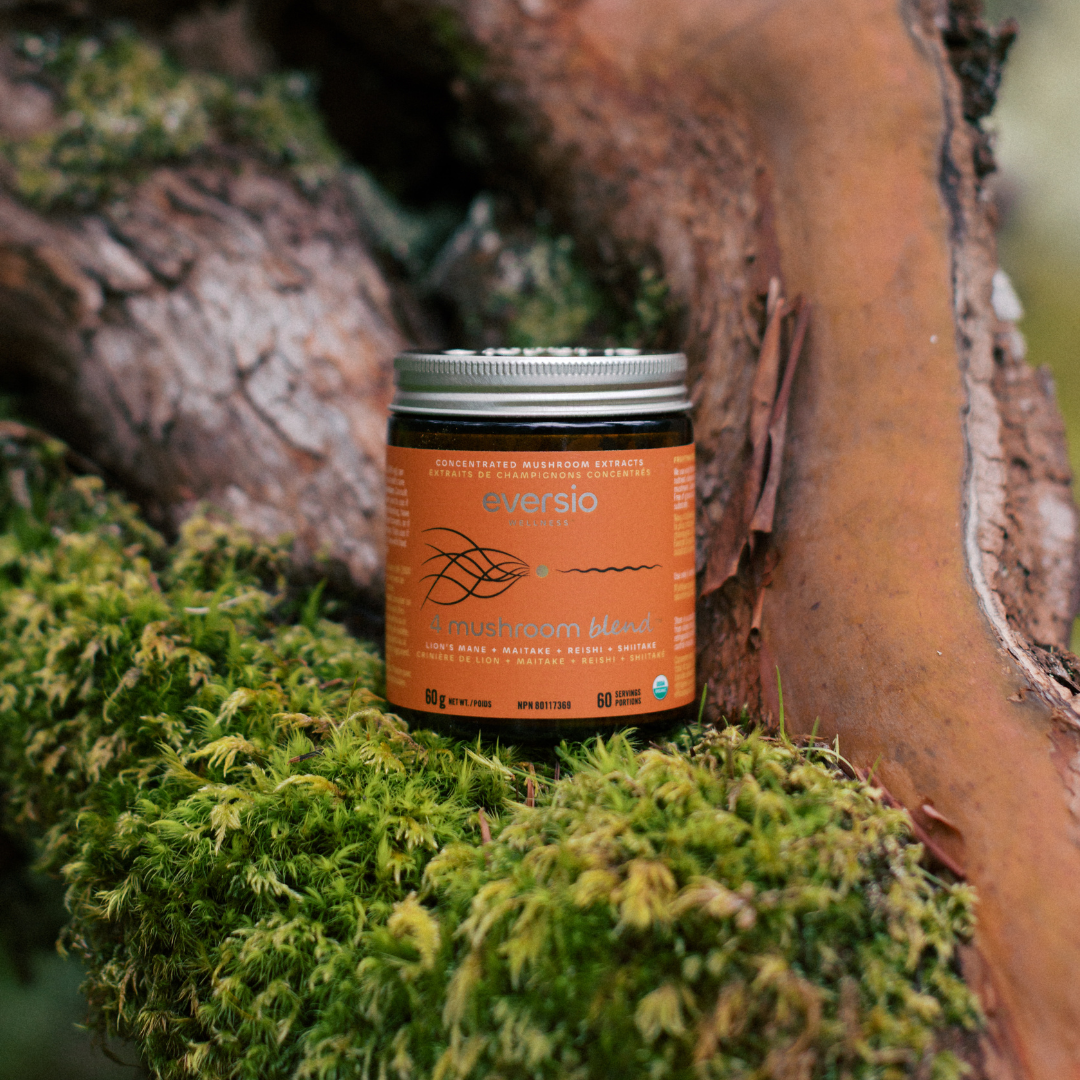
If you are looking for a comprehensive way to incorporate Mushroom Nutrients into your life, our Balance Blend is the perfect starting point. This 4-mushroom powdered extract blend combines the unique strengths of Reishi, Lion's Mane, Maitake, and Shiitake.
This blend is designed to help support your body's ability to adapt to stress while providing a steady foundation for immune health. It is an ideal addition to your morning coffee or smoothie, offering a balanced approach to daily wellness without any added fillers or "fluff."
- Product: Balance Blend (4 Mushroom)
- Format: Powdered Extract Blend
- Serving Size: 1/2 tsp daily
Focus Now for Cognitive Support
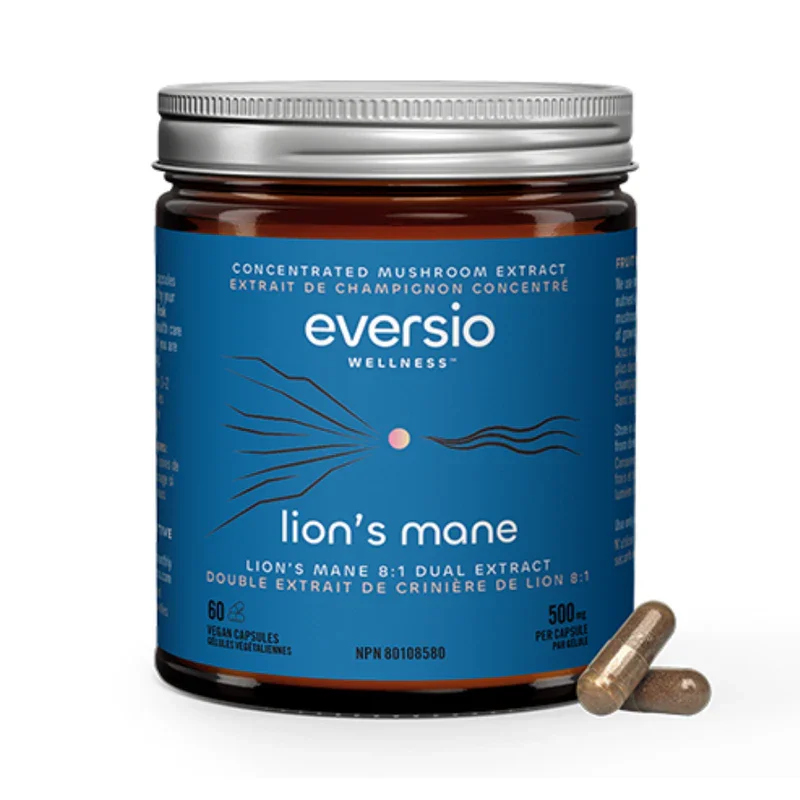
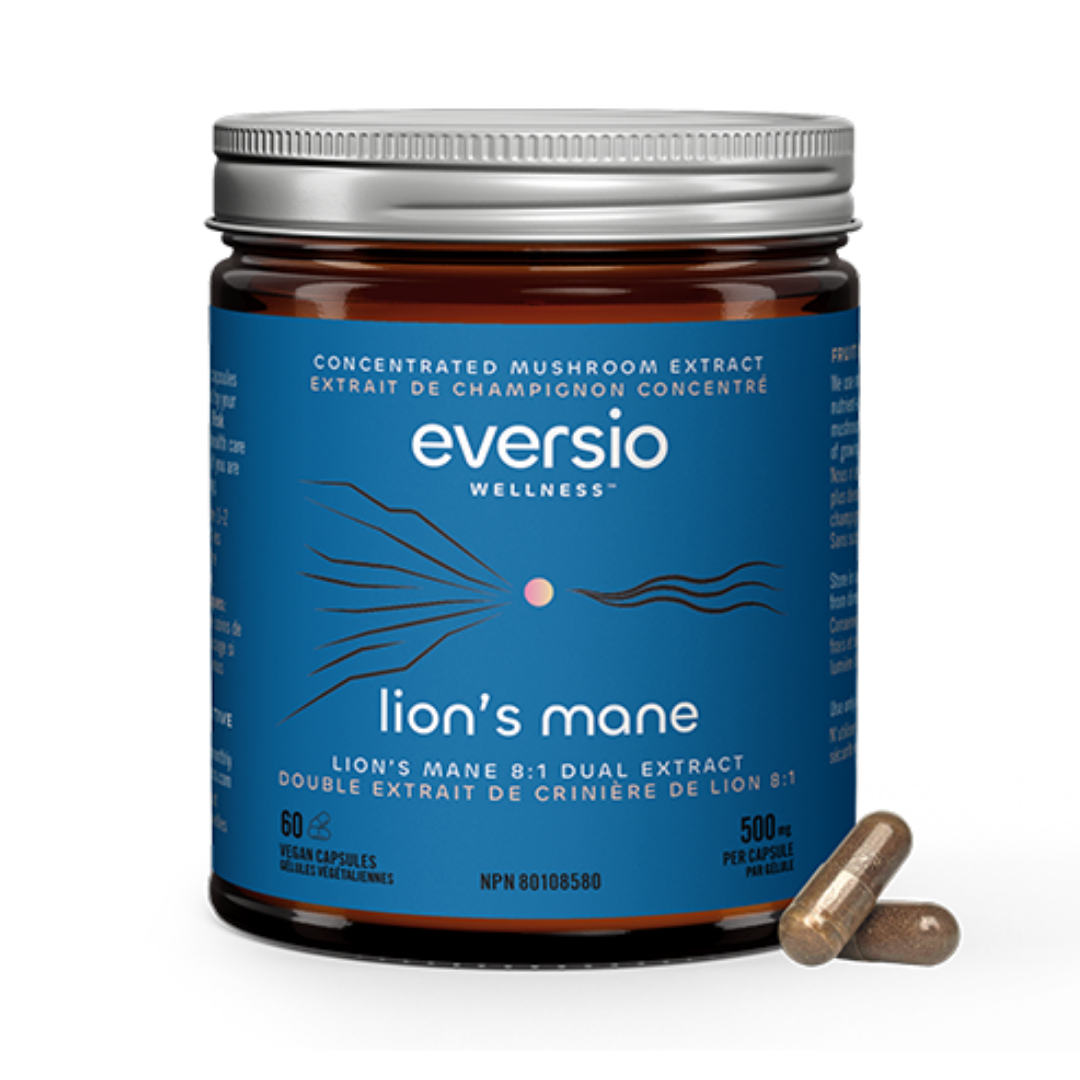
For those looking to support mental clarity and focus, our Focus Now capsules feature a high-potency Lion's Mane extract. Lion's Mane is famous for containing compounds like hericenones and erinacines, which may help support the synthesis of Nerve Growth Factor (NGF).
NGF is a protein that plays a key role in the maintenance and regeneration of neurons. By including this specific mushroom in your routine, you are providing your brain with unique nutrients that aren't found in typical multivitamins.
- Product: Focus Now (Lion's Mane)
- Format: 100% Fruiting Body Capsules
- Serving Size: 2 capsules daily
Chill Now for Restorative Sleep
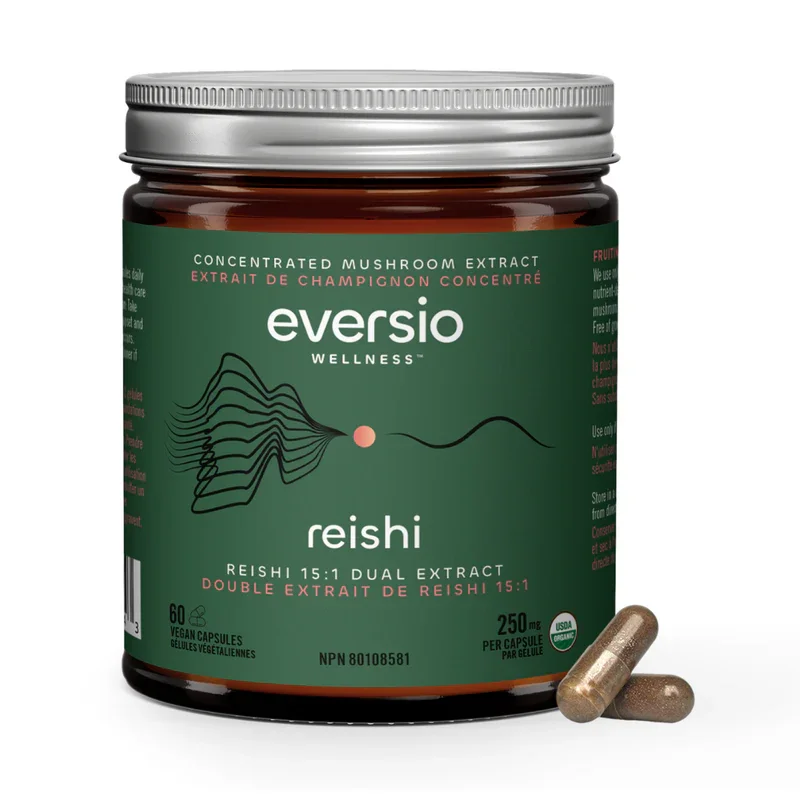
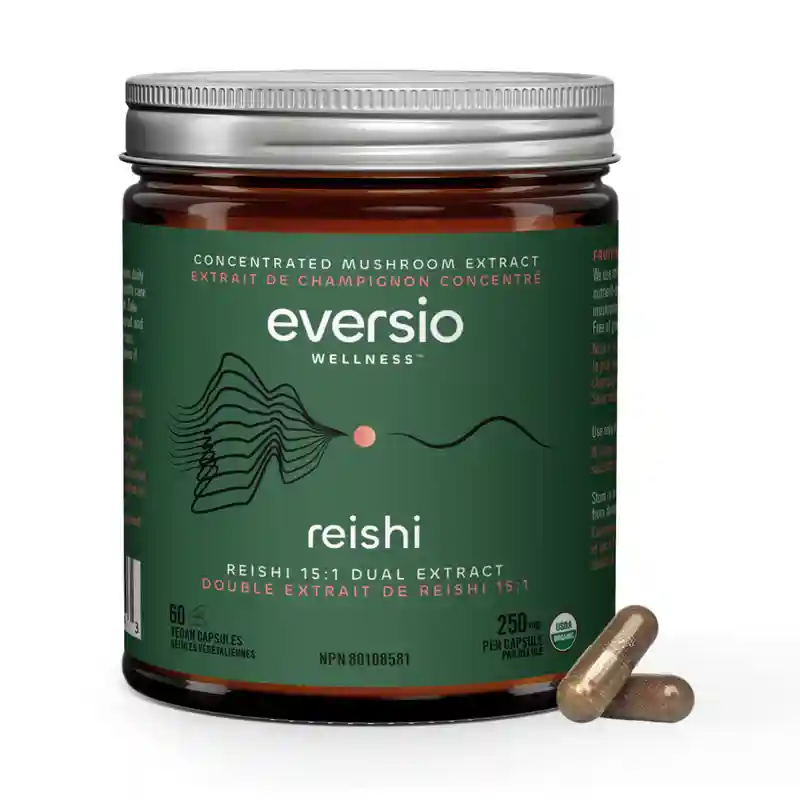
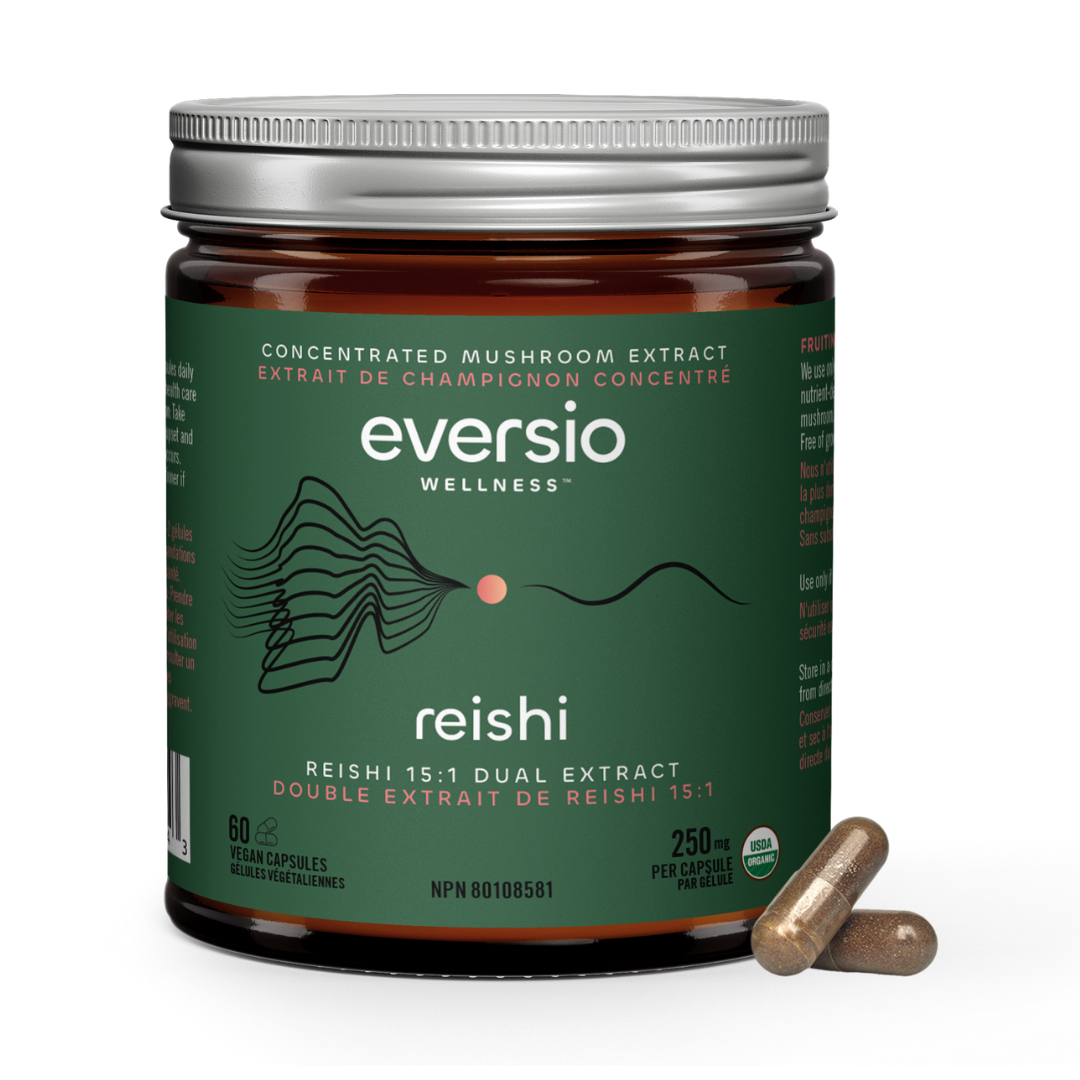
Rest is a critical pillar of health, and our Chill Now capsules are formulated to help you unwind. Featuring a dual-extracted Reishi mushroom, this supplement is rich in triterpenes, which are known for their ability to support the nervous system and promote a sense of calm.
Adding Chill Now to your evening routine may help support a more restorative sleep cycle, allowing your body to repair and recharge. Like all our single-ingredient capsules, it contains only the pure mushroom extract with no grain fillers.
- Product: Chill Now (Reishi)
- Format: 100% Fruiting Body Capsules
- Serving Size: 2 capsules daily
Frequently Asked Questions about Mushroom Nutrients
Are mushrooms a significant source of protein for vegans?
Yes, especially when considered as part of a varied plant-based diet. While fresh mushrooms are mostly water, their dry weight protein concentration (up to 30 per cent) is quite high, rivaling some legumes. They also provide all nine essential amino acids, making them a "complete" protein source. For a deeper dive into specific varieties, see The Health Benefits Of Shiitake Mushrooms.
How does cooking affect the nutritional value of mushrooms?
Cooking is actually beneficial for mushroom nutrition. It breaks down the tough chitin cell walls, making the nutrients inside more accessible. While some water-soluble B vitamins may decrease slightly if boiled in large amounts of water, sautéing or roasting helps retain most of the minerals and bioactive compounds while enhancing the savory "umami" flavour.
Can I get enough Vitamin D from eating mushrooms alone?
It is possible if you choose UV-exposed varieties. Standard mushrooms have very little, but those treated with UV light or left in the sun can provide 100 per cent or more of your daily requirement in a single serving. However, for consistent year-round levels, many people find that high-quality supplementation is a more reliable method. Learn more about specialty varieties in Oyster Mushrooms Explained Functional Benefits And Everyday Uses.
Embracing the Power of Fungi
As we have explored in this guide, Mushroom Nutrients offer a unique and powerful way to support your health. From the essential B vitamins and minerals like potassium and selenium to the complex world of beta-glucans and antioxidants like ergothioneine, fungi are truly in a league of their own.
Whether you are adding more fresh Oyster mushrooms to your stir-fry or incorporating a dual-extracted Reishi supplement into your nightly routine, you are tapping into a kingdom of life that has supported human wellness for millennia. At Eversio Wellness, we are proud to provide the high-potency, organic extracts that make these benefits accessible to everyone.








Leave a comment
This site is protected by hCaptcha and the hCaptcha Privacy Policy and Terms of Service apply.