



Most acne content goes one of two directions: fix your skincare or fix your gut. Very little of it covers the enzyme converting a hormone inside your skin right now, driving excess oil production in the exact follicles most likely to break out. That enzyme is called 5-alpha reductase. And it may be the most important part of the hormonal acne picture that never gets named.
In the final episode of The Eversio Experience Skin Series, Brandi Garden and naturopathic physician Dr. Desiree Caruso closed out three episodes on psoriasis, eczema, and acne with the most personally familiar condition. They cover mechanism-level, research-grounded content that's more specific than most public-facing acne content.
Acne Is Not One Condition
Dr. Desiree opens with something that matters to anyone trying to address their skin: acne is not a single condition. She separates it into four categories.
Comedonal acne is the non-inflamed kind. Blackheads and whiteheads result from clogged pores, with little redness or swelling. Inflammatory acne has red, tender papules and pustules when the immune system gets involved. Nodulocystic acne is more severe, with deep painful nodules and cysts that sit further under the skin and carry a real risk of scarring. Hormonal acne isn't defined by a specific lesion type, but by a distinct pattern and cause that can show up as any of the above.
She also flags one condition that is not acne at all but is frequently treated as though it is. Malassezia folliculitis, widely known online as fungal acne, is caused by an overgrowth of a yeast that normally lives harmlessly on the skin. Under conditions like sweat, humidity, tight clothing, or antibiotic use, it can overgrow inside hair follicles and produce small, uniform, intensely itchy bumps that look similar to acne but respond only to antifungal treatment. One study found that close to 29% of people clinically diagnosed with acne actually had this condition, either alongside or instead of true acne vulgaris. The clearest signal: true acne is not typically itchy. Uniform bumps that itch and don't respond to standard acne products are worth discussing with a practitioner.

The Hormonal Acne Pattern and Why It Lives on the Jawline
Hormonal acne has a recognizable signature. It concentrates along the jawline, chin, and lower face. It tends to flare cyclically, often seven to ten days before menstruation. The lesions sit deeper in the skin than a typical teenage breakout.
The reason it lands specifically on the jaw is structural. The sebaceous glands along the jawline and chin have up to two to five times the density of androgen receptors compared to glands on the forehead or cheeks. The same hormonal fluctuation that barely registers on the upper face can trigger a significant breakout along the jaw because that tissue is more sensitive to androgen signalling. It is built that way.
The Four-Factor Cascade, and the One Driver That Starts It
Dr. Desiree outlines four interacting factors behind any acne breakout: excess sebum production, a buildup of dead skin cells inside the follicle (hyperkeratinization), colonization by a bacterium called Cutibacterium acnes, and inflammation layered on top of it all.
Hormonal acne is a story about sebum, and what drives it. Testosterone circulates in the body and gets converted inside the skin itself into dihydrotestosterone, or DHT, by the enzyme 5-alpha reductase. DHT binds to androgen receptors far more strongly than testosterone does. When it binds to sebaceous glands, it signals them to produce more sebum. That sebum feeds C. acnes. As the bacterial population expands, it produces enzymes that break down sebum into free fatty acids, which irritate the follicle wall and trigger an inflammatory immune response involving cytokines like interleukin-1 alpha and interleukin-6. One hormonal driver at the top. The entire cascade follows.
Why Your Blood Work Can Look Normal
This is the part that catches many people off guard. You can have completely normal testosterone levels on a standard blood panel and still experience hormonal acne. In many cases, what matters is how much 5-alpha reductase activity happens locally inside the skin, converting testosterone to DHT right at the follicle. Blood work reflects circulating hormone levels, not local enzymatic activity in androgen-sensitive tissue.
PCOS, which involves elevated androgens, shows up as an underlying driver in roughly 20 to 30% of hormonal acne patterns. But normal lab values do not rule it out. What's optimal for one person may be different from what registers as normal on a population-based reference range, and local tissue activity is a separate variable entirely.
The Psychological Weight Is Documented
Before getting to the reishi research, Brandi and Dr. Desiree take time to discuss something that deserves more space in acne conversations. There is a frequently cited review showing that people with acne had greater impairment in mental health scores than those living with conditions including diabetes, back pain, arthritis, and epilepsy. Clinically significant depression appears in roughly 18 to 29% of people with acne. Anxiety affects 30 to 40%. And the psychological impact does not track cleanly with clinical severity. Someone with what a dermatologist might grade as mild acne can carry just as much distress as someone with a more visibly severe case.
The condition is public-facing. It shows up on a part of the body people see first. That is not a small thing.

The Reishi Research: Specific Compounds, Specific Enzyme
A body of published research dating back about two decades examines Ganoderma lucidum triterpenoids and their effect on 5-alpha reductase. Researchers isolated specific compounds from reishi's fruiting body, including ganoderic acid DM and ganoderyl B, and tested them directly against both major forms of the enzyme in lab assays. Both compounds showed measurable inhibitory activity.
In a related study, researchers tested an ethanol extract of reishi in an animal model of prostate growth. It suppressed testosterone-induced tissue growth but not growth already induced by DHT directly. That distinction is mechanistically meaningful: the extract was acting upstream, blocking the conversion step itself, rather than acting on DHT after it had already formed.
Dr. Desiree is precise about the scope: these are enzyme assay studies and an animal model, not human clinical trials on acne patients. The prostate growth model may seem unrelated, but the pathway is the same. Both conditions involve 5-alpha reductase converting testosterone to DHT in androgen-sensitive tissue. The mechanism identified is the same one driving hormonal acne, tested against the enzyme responsible.
This is why reishi appears twice in this Skin Series. The anti-inflammatory triterpene research covered in the eczema episode is relevant to acne's inflammatory side. The 5-alpha reductase research is relevant to the sebum driver. Two of the four pathogenic factors behind every breakout are addressed through two separate, well-documented mechanisms.
The Gut Connection Runs Through Insulin and IGF-1
Dr. Desiree explains the gut-acne connection through a specific, well-mapped pathway. A high glycemic diet spikes blood glucose, which raises insulin and IGF-1 (insulin-like growth factor 1). IGF-1 directly stimulates the same sebaceous glands driving acne, including through a cellular growth pathway called mTORC1. One study found zero cases of acne in a group of adolescents and adults following a low glycemic index diet, compared with a meaningfully higher rate in a standard-diet comparison group.
The microbiome piece runs parallel. An unhealthy gut environment appears to worsen insulin resistance, which amplifies the IGF-1 signal. A 12-week pilot study found that a specific Lactobacillus rhamnosus strain reduced IGF-1 expression and oxidative stress markers in participants, both directly relevant to the acne pathway.
This is not a loose association. The mechanism from food to insulin spike to IGF-1 rise to sebaceous gland response is a straight, documented biological line. Dr. Desiree calls reducing glycemic load one of the few dietary interventions for a skin condition with clearly mapped mechanism support.

Chaga's Role and Where It Fits
Chaga is a secondary player in this episode, not the central mechanism. Acne involves measurable oxidative stress, and an imbalance between oxidants and antioxidants has been documented as a contributing factor in the inflammatory part of the four-factor picture. Chaga's antioxidant capacity and its documented influence on cytokine signalling from macrophages are relevant to the inflammatory layer, even though it has not been tested directly in acne the way it has been in other inflammatory contexts. It does not address the hormone conversion or the sebum driver. It supports the oxidative and inflammatory layer from downstream.
If focusing on one mushroom specifically for hormonal acne, Dr. Desiree names reishi. It has more direct, mechanism-specific research for the hormonal driver.
What to Look For and What Comes First
Before adding supplements, Dr. Desiree names the dietary interventions with published support: lowering glycemic load, reducing refined carbohydrates and sugary foods, eating mostly whole foods. The mechanism is clearly documented and independent of anything else in this episode.
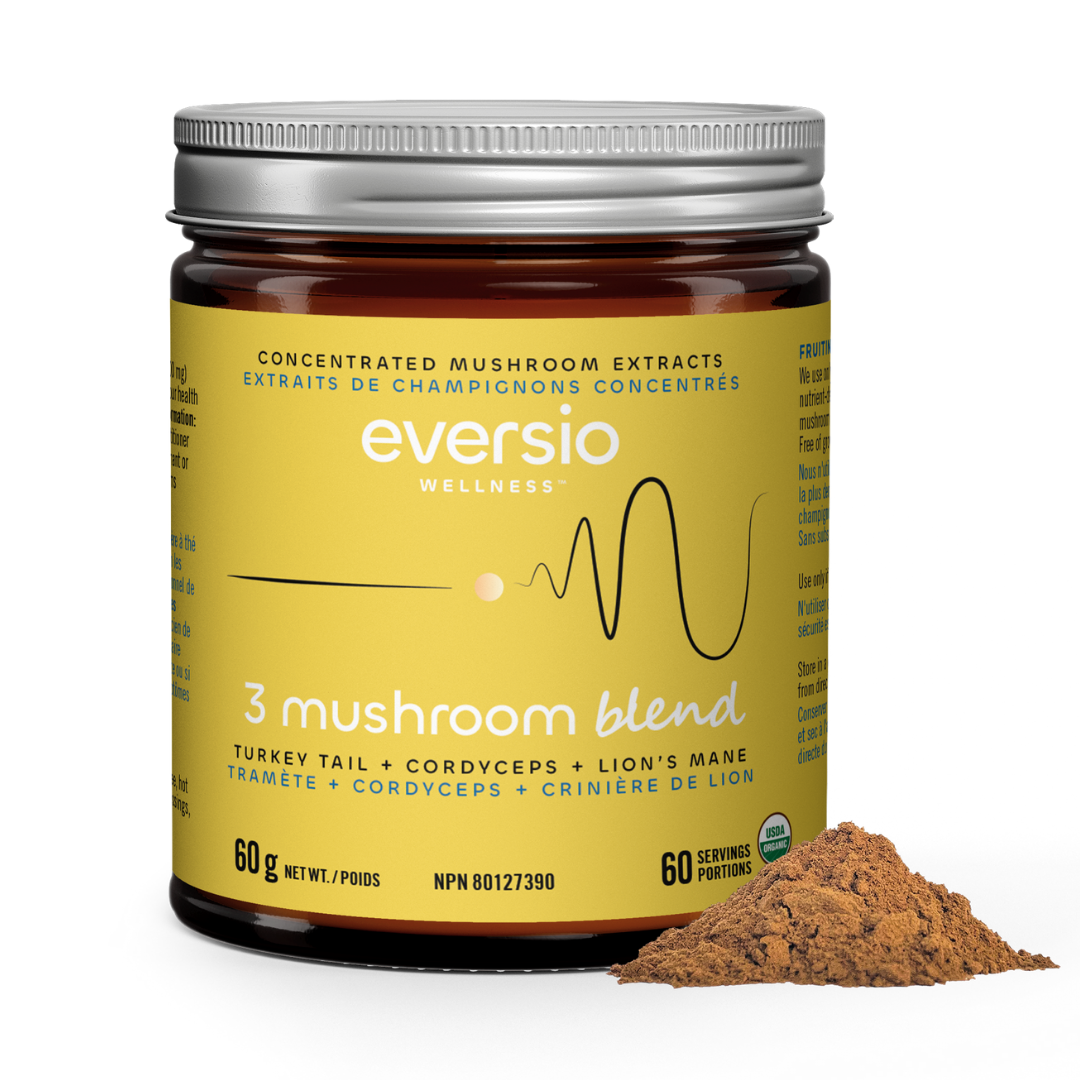
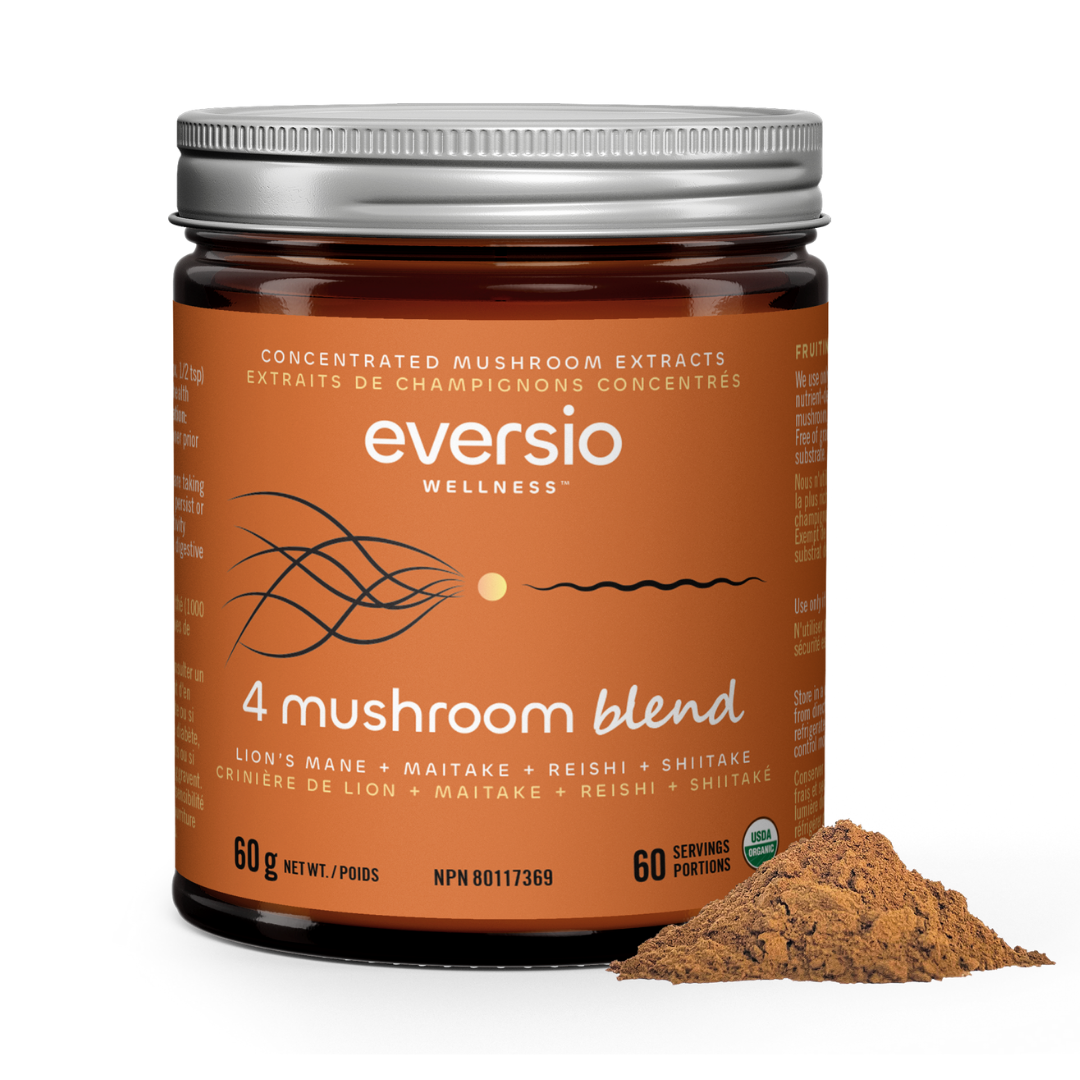
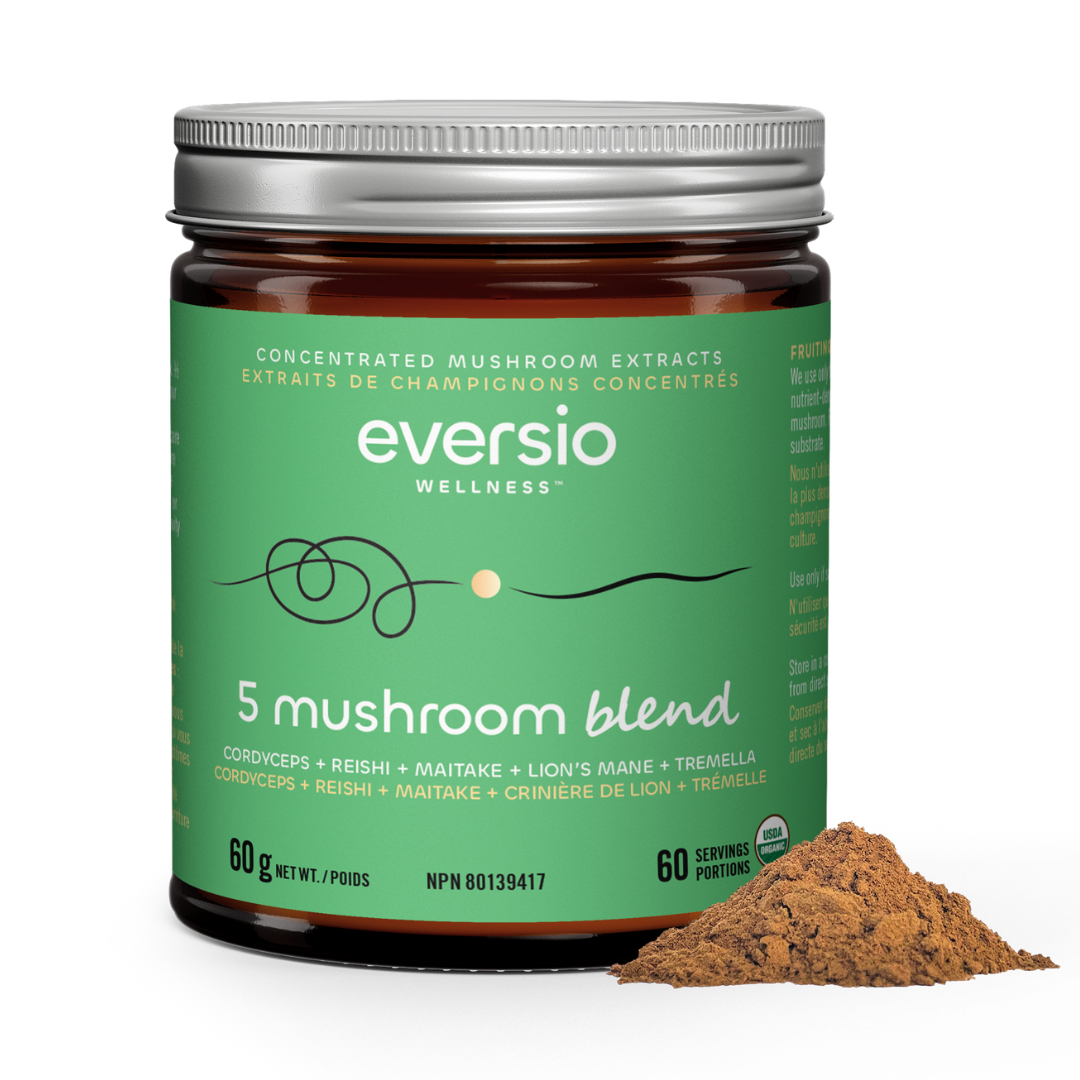
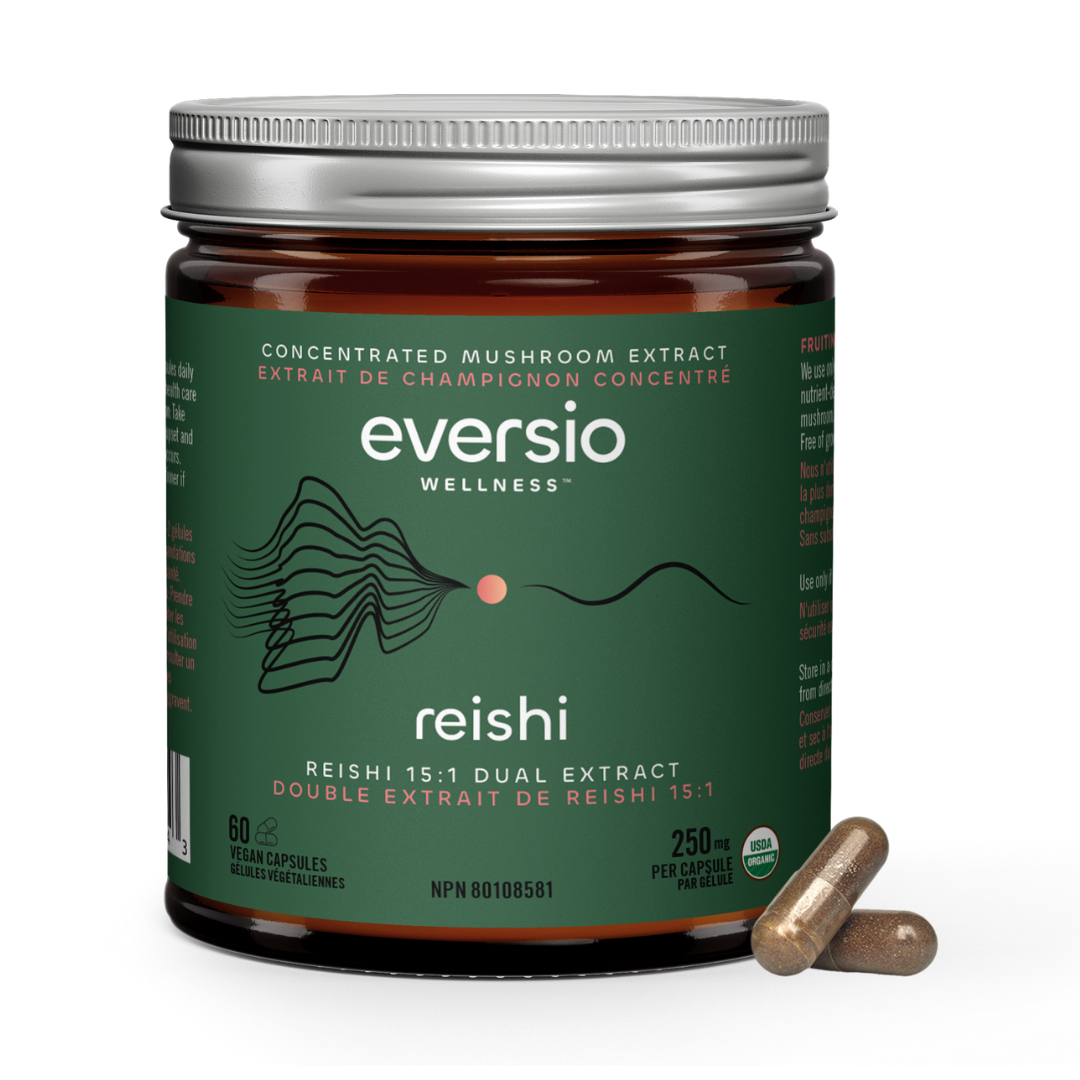
For reishi, the extraction method matters directly. Reishi's ganoderic acids, the specific compounds behind the 5-alpha reductase research, are alcohol-soluble. A water-only extract will miss most of them. What to look for: whole fruiting body, dual extraction, verified beta-glucans and triterpenes listed on the label, USDA organic certified, grown on wood.
And Dr. Desiree is clear: this conversation lives alongside dermatological care. Retinoids, benzoyl peroxide, oral antibiotics for severe cases, and anti-androgenic medications like spironolactone are effective tools. Functional mushrooms and dietary support are not a replacement for those options. They are part of a fuller picture.
The Through Line Across the Skin Series
Psoriasis was an immune system running hot on one specific pathway. Eczema was a barrier problem with its own separate immune circuit. Acne is a hormone conversation playing out at the level of a single enzyme, a single gland, and a single part of your face. Three different conditions. Three different mechanisms. One underlying conclusion: the skin is downstream. It is the last place these stories show up, not the first.









Leave a comment
All comments are moderated before being published.
This site is protected by hCaptcha and the hCaptcha Privacy Policy and Terms of Service apply.