


Two in the morning. The inside of your elbow is itching again. Not the kind you scratch once and move on from. The kind that breaks sleep, demands attention, and once you start scratching, gets worse, not better.
That is eczema in real life. Not a cosmetic annoyance. Not just sensitive skin. An immune condition with specific pathways, specific molecules, and a physiological loop that the scratching reflex itself helps sustain.
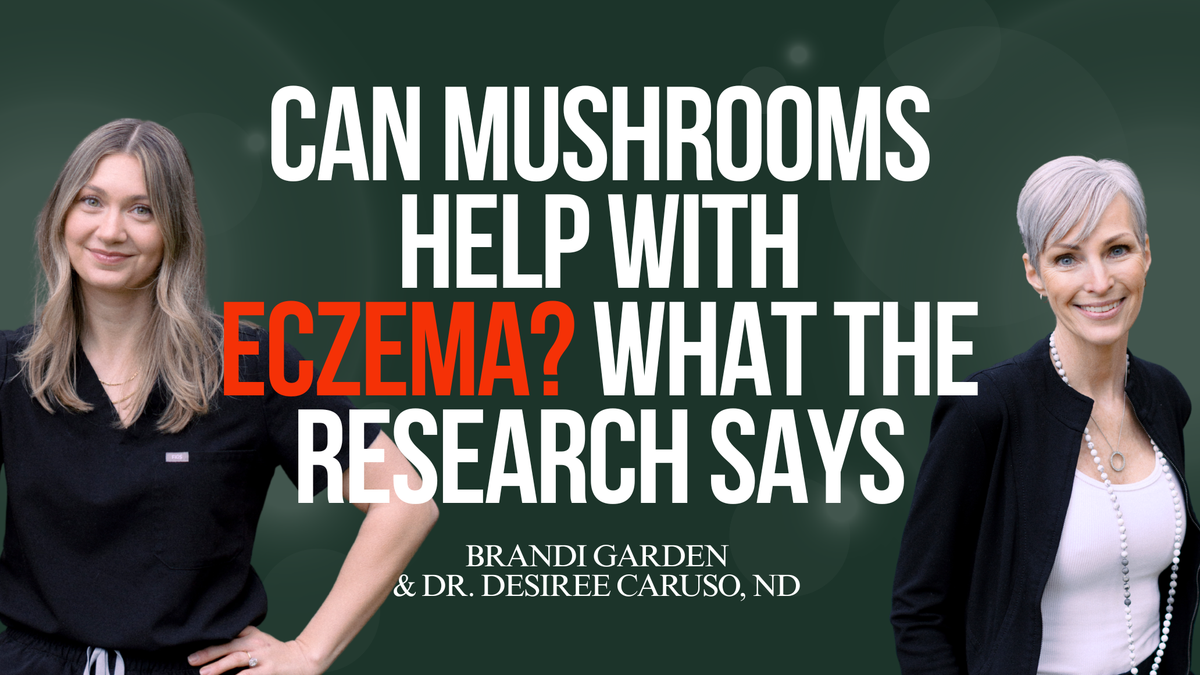
In Part 2 of our Skin Series on The Eversio Experience, Dr. Desiree Caruso, ND, and Brandi Garden covered what is actually happening biologically in an eczema flare, how the research on reishi mushroom connects to that mechanism, and what three things you can do right now to start supporting your skin more consistently. Here is what that conversation covered.
Eczema Is a Th2 Immune Condition
Eczema, most commonly known as atopic dermatitis, is driven by the Th2 arm of the immune system. When something damages the skin barrier, whether a genetic vulnerability, an environmental irritant, or a combination of both, Th2 cells respond by releasing specific cytokines called interleukins.
IL-4 and IL-13 suppress the expression of a structural protein called filaggrin, which is essential for maintaining the skin barrier's integrity and hydration. Less filaggrin means a leakier barrier. A leakier barrier lets in more irritants and allergens, triggering greater immune activation, which suppresses more filaggrin. It is a self-sustaining loop.
IL-31 is the molecule responsible for the itch signal. It acts almost directly on nerve endings in the skin, sending the itch signal to the brain. IL-33, released when skin cells are damaged, amplifies the entire Th2 response and worsens itching.
Between 10 and 30% of people with eczema have an identifiable mutation in the filaggrin gene, meaning their skin barrier was already operating with reduced structural support before any trigger appeared. But genetics are not the whole story. Environmental factors and daily choices are part of it too.
The Itch-Scratch Cycle and Why It Keeps Going
Itching causes scratching. Scratching causes more skin damage. The damage releases more alarm signals. More alarm signals cause more itching. Researchers use the term "itch-scratch cycle" specifically because it is a loop, and breaking it requires addressing more than the surface symptom.
Research from the American Academy of Pediatrics found that between 50 and 80% of children with atopic dermatitis experience sleep disturbances, with numbers climbing higher during active flares. A widely cited review in the British Journal of Dermatology found that the quality-of-life impact of childhood eczema is equal to or greater than that of other major chronic childhood conditions, including asthma and diabetes. And the disruption does not stop with the child. Studies have found that a child's disrupted sleep is directly correlated with higher levels of anxiety and depression in their parents.
The Atopic March: When Eczema Is a First Chapter
Researchers tracking large groups of children with eczema have found a predictable pattern. Eczema tends to show up first, sometimes as early as four months of age. Food allergies often follow. Then asthma, sometimes in adolescence. Then allergic rhinitis or hay fever.
This is what researchers call the atopic march. The biological logic behind it connects back to the leaky skin barrier: a damaged barrier does not just let in irritants. It lets in allergens, including dust, pollen, and food proteins, which get exposed to the immune system through the skin rather than through digestion. That appears to promote allergic sensitization rather than tolerance.
Studies estimate that up to 75% of children with severe eczema may go on to develop asthma, and 30 to 50% may develop food allergies. Consistently supporting the skin barrier early is not just about reducing discomfort in the moment. The research makes a case for it affecting a child's broader immune trajectory.
When Eczema Points to Something Deeper
For most people with eczema, barrier support and trigger management work well. For a smaller group, when treatment is not responding or when eczema appeared in adulthood with no prior history, it is worth looking further.
Dr. Desiree shared her own experience on this episode: she developed eczema as an adult after four years of unknowing mould exposure in her home. It showed up on her face and hands, came alongside new food sensitivities and gut disruption, and took significant detective work to trace back to its source. A 2024 meta-analysis covering over three decades of research found that children living in damp or mouldy homes had a measurably higher risk of developing eczema, asthma, and allergic rhinitis.
Other categories that come up consistently in clinical practice: food sensitivities and gut dysbiosis, nutrient deficiencies including zinc and essential fatty acids, and thyroid dysfunction, which shows up on the skin more often than most people expect.
The skin is often the last place a deeper imbalance shows up, not the first.

How Reishi Maps onto the Eczema Mechanism
Reishi (Ganoderma lucidum, known as Ling Zhi in traditional Chinese medicine) has been used for over 2,000 years, classified in the oldest Chinese pharmacopoeia as a superior herb suitable for long-term use. It has been called the mushroom of immortality in both Chinese and Japanese tradition, historically used to calm an overactive, agitated system. That description maps onto the actual immunology in a specific way.
The compounds that matter for eczema are the triterpenes, specifically the ganoderic acids unique to reishi and responsible for its distinctly bitter taste. Multiple studies going back to the 1980s found that ganoderic acids and triterpenes isolated from reishi meaningfully inhibited histamine release from mast cells, which are the cells at the center of the IL-31 itch story. A systemic review and meta-analysis pulling together over 20 studies found consistent reductions in key inflammatory markers, including TNF-alpha, IL-6, and nitric oxide, through the same inflammatory signaling pathways involved in eczema.
As an adaptogen and immune modulator, reishi does not simply suppress or stimulate. The research suggests it helps bring an overactive immune response down and support an underactive one, depending on what the body needs. Given that stress is a documented eczema trigger, and reishi has a well-established research profile around the stress response and sleep, it is working on the trigger and part of the mechanism at the same time.
The Gut-Skin Connection
Eczema has some of the most well-established gut-skin research of any skin condition. Multiple studies have found that infants who develop eczema in their first year of life show lower gut microbiome diversity in early infancy, with reduced levels of specific beneficial bacteria including Bifidobacterium, Akkermansia, and Faecalibacterium, compared to infants who do not develop it. Gut microbiome differences are now being explored as an early predictor of eczema risk.
Reishi's polysaccharides, the same beta-glucans responsible for many of its immune-modulating effects, have been described in the research as a source of prebiotic activity that may help feed and support beneficial gut bacterial populations. It is an early-stage piece of the reishi research profile, but it connects meaningfully to what the gut-skin evidence points toward.

What to Verify Before You Buy, and What to Do Now
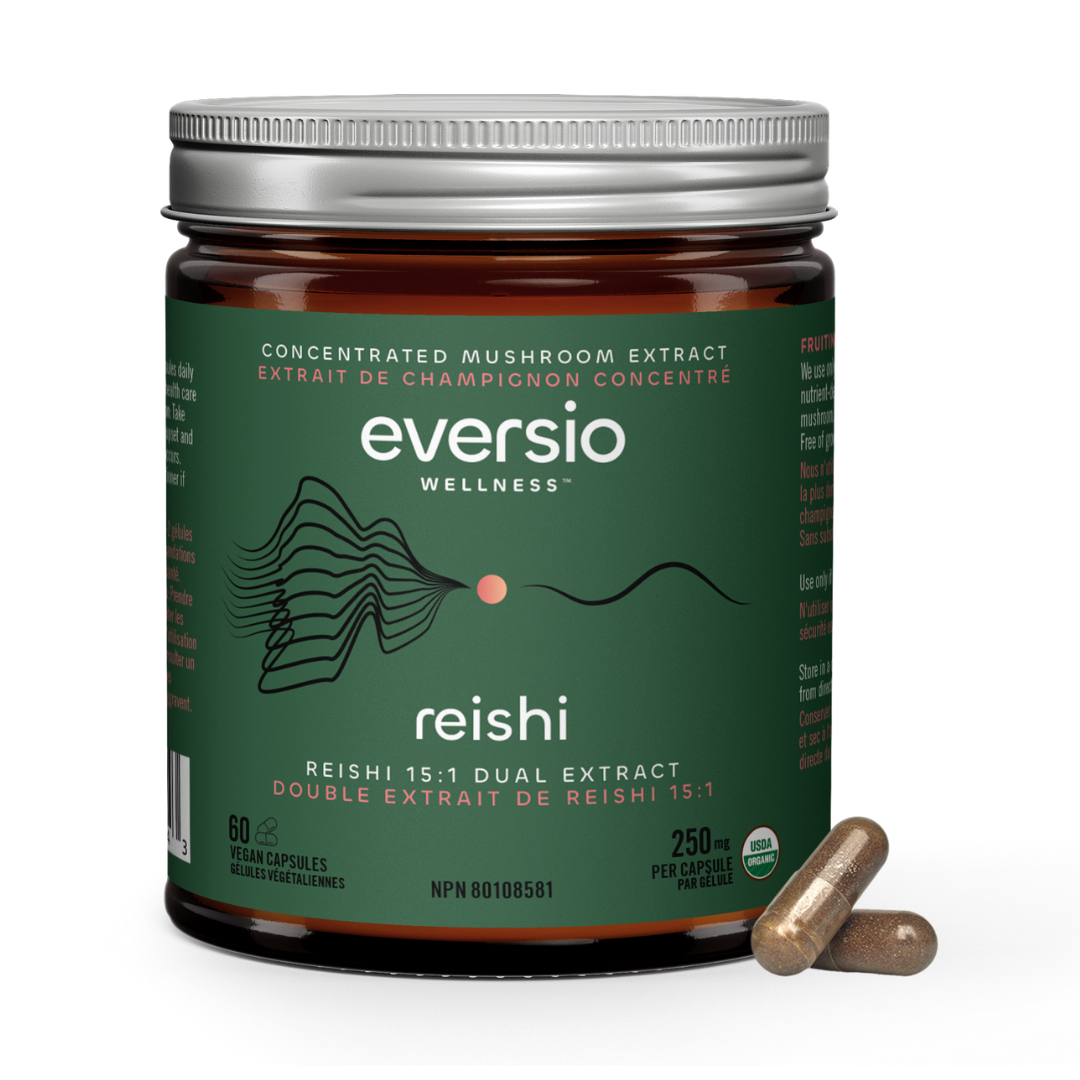
Research on reishi for eczema is based on specific compounds. If your product is not delivering those compounds, you are not getting what the studies show. Here is what to check:
- Whole fruiting body, not mycelium on grain. Mycelium grown on grain is diluted with starch and does not carry the same compound profile.
- Dual extraction, meaning both hot water and alcohol. The ganoderic acids and triterpenes are alcohol-soluble and are not captured by a water-only extraction.
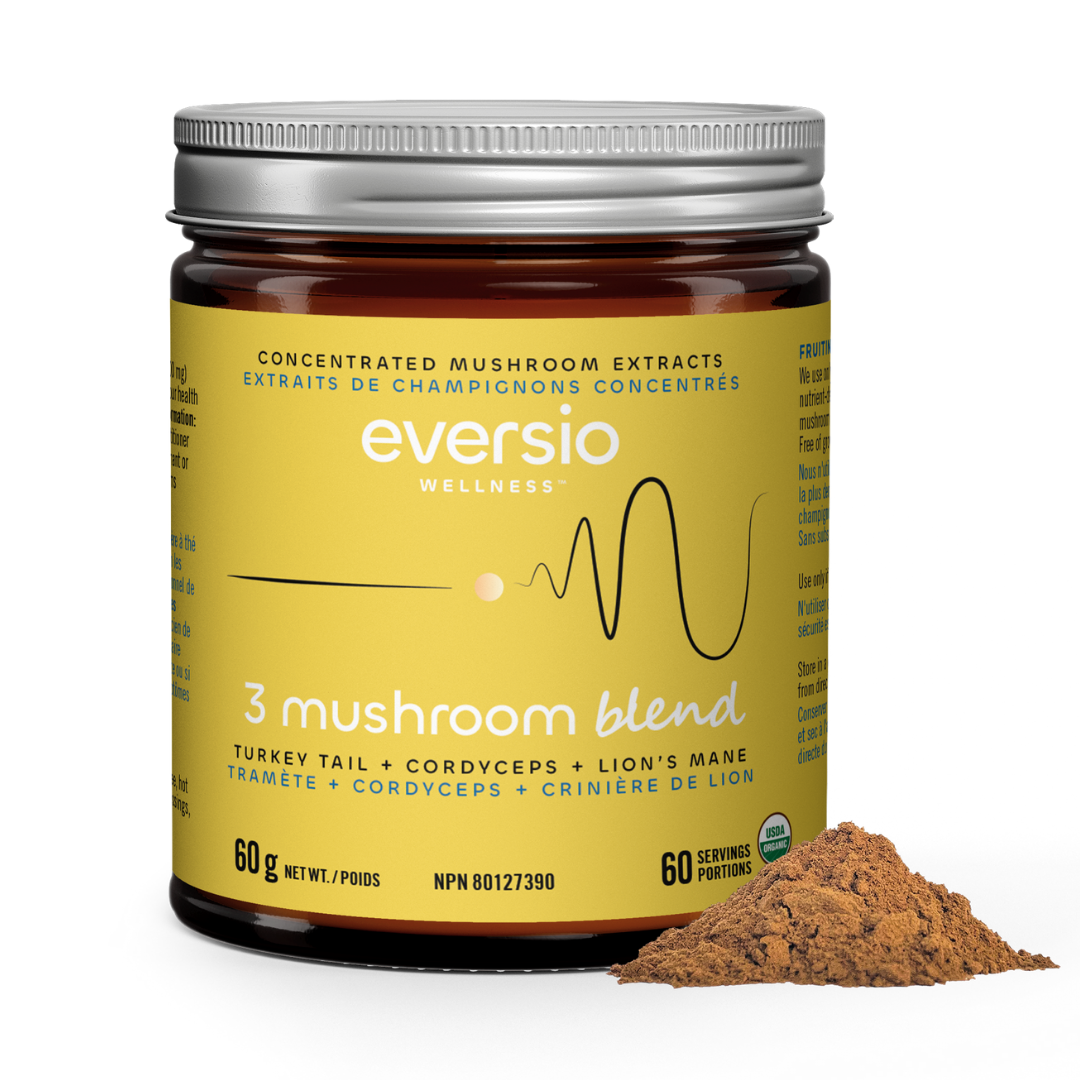
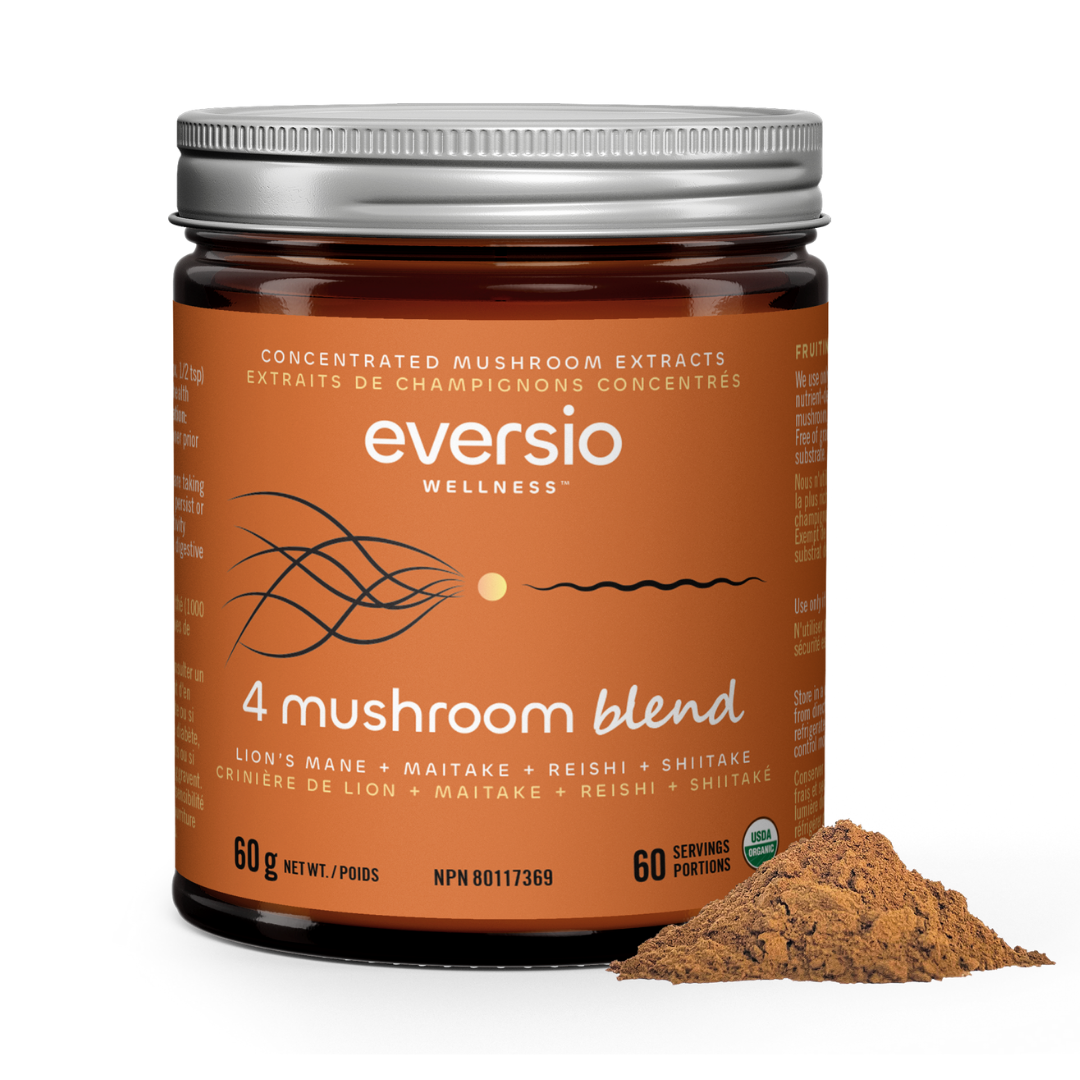
- USDA organic-certified and third-party lab-tested. What is on the label should be independently verifiable.
On the routine side, Dr. Desiree recommends three starting points: map your own triggers by keeping a detailed log for a few weeks, protect the skin barrier consistently with gentle fragrance-free products and regular moisturizing, and treat reishi as a daily practice rather than something you reach for during a flare. The anti-inflammatory and antihistamine effects build with consistent use.









Leave a comment
All comments are moderated before being published.
This site is protected by hCaptcha and the hCaptcha Privacy Policy and Terms of Service apply.