


You have done the things. You read the books, took the courses, booked the therapy, built the morning routine. You understand stress. You know about nervous system regulation. You've heard the terms.
And somehow, it still feels like too much.
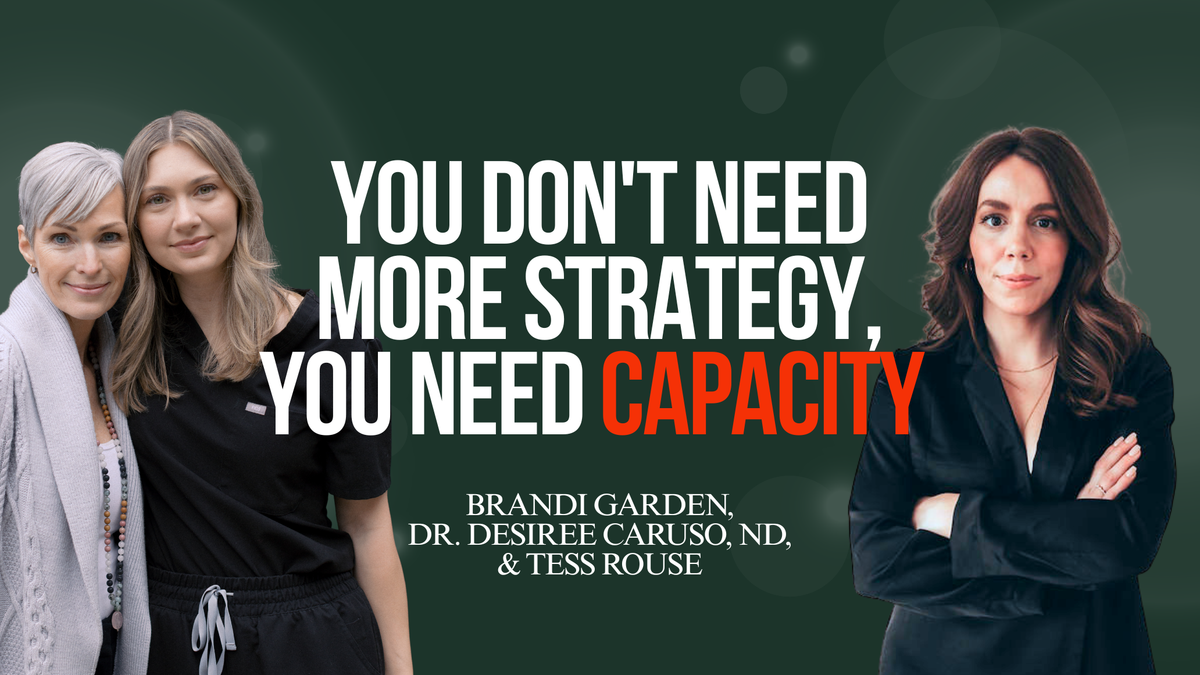
That gap, between knowing what to do and actually being able to do it, is exactly what breathwork facilitator and somatic practitioner Tess Rouse works in. In a recent episode of The Eversio Experience, Tess joined hosts Brandi Garden and Dr. Desiree Caruso, ND, to talk about one idea that reframes the entire burnout conversation: the problem isn't a strategy gap. It's a capacity gap.
What Capacity Actually Means
Most of us have heard about nervous system regulation, but Tess frames it through a specific lens that makes it concrete.
Capacity, in her definition, is how much life you can hold while remaining connected to yourself and having a choice in how you respond.
When capacity is full, choices get smaller. That gap between something happening and how you react shrinks. You snap. You can't sit still during a free afternoon. You replay a work conversation for three hours at 2 a.m. You hold it together all day at work and then lose it in the kitchen over something small.
The question isn't whether you're achieving. It's whether you have a choice.
The High Achiever's Coping Mechanism Nobody Talks About
Tess made a distinction that stuck with us. Some coping mechanisms have visible consequences. Addiction. Withdrawal. Relationships falling apart. And then there are the coping mechanisms that get applauded.
Overachievement. Control. Productivity. Perfectionism.
For someone who learned early that uncertainty felt dangerous, control creates safety. For someone who grew up feeling unseen, achievement brings recognition. These aren't character flaws. They are learned patterns that once served a real purpose.
The challenge is that unlike other coping mechanisms, these ones look like success from the outside. Nobody is telling you to stop. Your career is advancing. You're holding it all together. The battle stays entirely internal, while everyone around you thinks you're doing great.
Tess's diagnostic question: Can you stop when there's still more to be done? Can you let someone else do something imperfectly without stepping in? Can you leave the dishes?
If your system really struggles to downshift, that's a signal. Not that you're a hard worker. It may mean you don't have a choice.
Why Knowing Doesn't Fix It
This is what most wellness content misses.
Tess describes the body as a container. Everything you haven't processed- grief, stress, fear, old relational patterns- takes up space in that container. When you ignore it, it doesn't dissolve. It sits there and reduces the space available for everything else.
And when the container fills up, the body starts expressing what the mind has been managing. Physical symptoms. Autoimmune flares. Emotional reactivity that seems disproportionate to the trigger. The body holds what hasn't been felt.
The nervous system also runs learned patterns that were wired in, most of them in childhood, long before any strategy was available to you. These patterns are not consciously chosen. They are automatic responses designed to keep you safe. The problem is that the nervous system doesn't pause during a conflict in 2026 to verify whether the threat is actually the same one from 30 years ago. It just reacts.
This is why you can walk into a hard conversation fully committed to staying calm, and then find yourself reacting in a way you didn't intend. The prefrontal cortex, the reasoning part of the brain, doesn't get the first word. The nervous system pattern does.

Two Ways to Actually Build Capacity
Tess describes capacity as something you build in two specific steps. Most people want to skip the first one.
Step one: Clear the vessel.
Before you can stretch capacity, you have to create space. That means processing what you're already holding. The suppressed emotions, the unprocessed grief, the things that were swallowed in the name of keeping it together. This is where breathwork does its core work. Not as relaxation, but as a way to access and release what has been stored at a body level.
This is the step that feels the least productive. There is no glow-up here. There is no transformation content. And it is the step that makes everything else possible.
Step two: Stretch the nervous system.
Once you have space, you can build a wider window of tolerance. This happens by safely experiencing discomfort and emotion with the right support, in a context where the nervous system can learn these experiences are survivable. That is how new patterns get wired in.
Tess references Hebbian law: nerve cells that fire together, wire together. The patterns running your life now were built through repetition. And the same principle applies in reverse. Nerve cells that no longer fire together, no longer wire together. Old connections can be pruned. New ones can be built.
The nervous system also cannot distinguish between a real experience and a vividly imagined one. This is the mechanism Tess uses in the reprogramming portion of breathwork sessions. Once the clearing has happened, she guides people to visualize new patterns, new responses, and new relational dynamics. The body begins to encode these as real. That is how rewiring happens.
What Genuine Regulation Actually Looks Like
Tess made a point worth sitting with: regulation is not being calm all the time. Regulated people still cry, still get angry, still feel afraid, still have conflict.
The difference is that they can feel it all without automatically obeying it. They can choose how they respond.
The signal to look for is not how you perform when everyone is watching. It's what happens after the performance. What happens when you walk in the door at home? What happens when your child leaves their shoes in the foyer? What happens in the quiet?
If you're running the show at work with what looks like capacity, but then coming home with nothing left, that is a full container, not a regulated one.

The Calm Has to Come First
Brandi landed something important toward the end of the episode: calm has to come first. Not supplements. Not nutrition plans. Not even education. Calm first, and then everything else has somewhere to land.
This is not about doing less or stopping the work you're doing. Tess herself was managing autoimmune disease for 18 years while doing all the right physical things: diet, supplements, therapies. It wasn't until she addressed the emotional piece that the picture began to change.
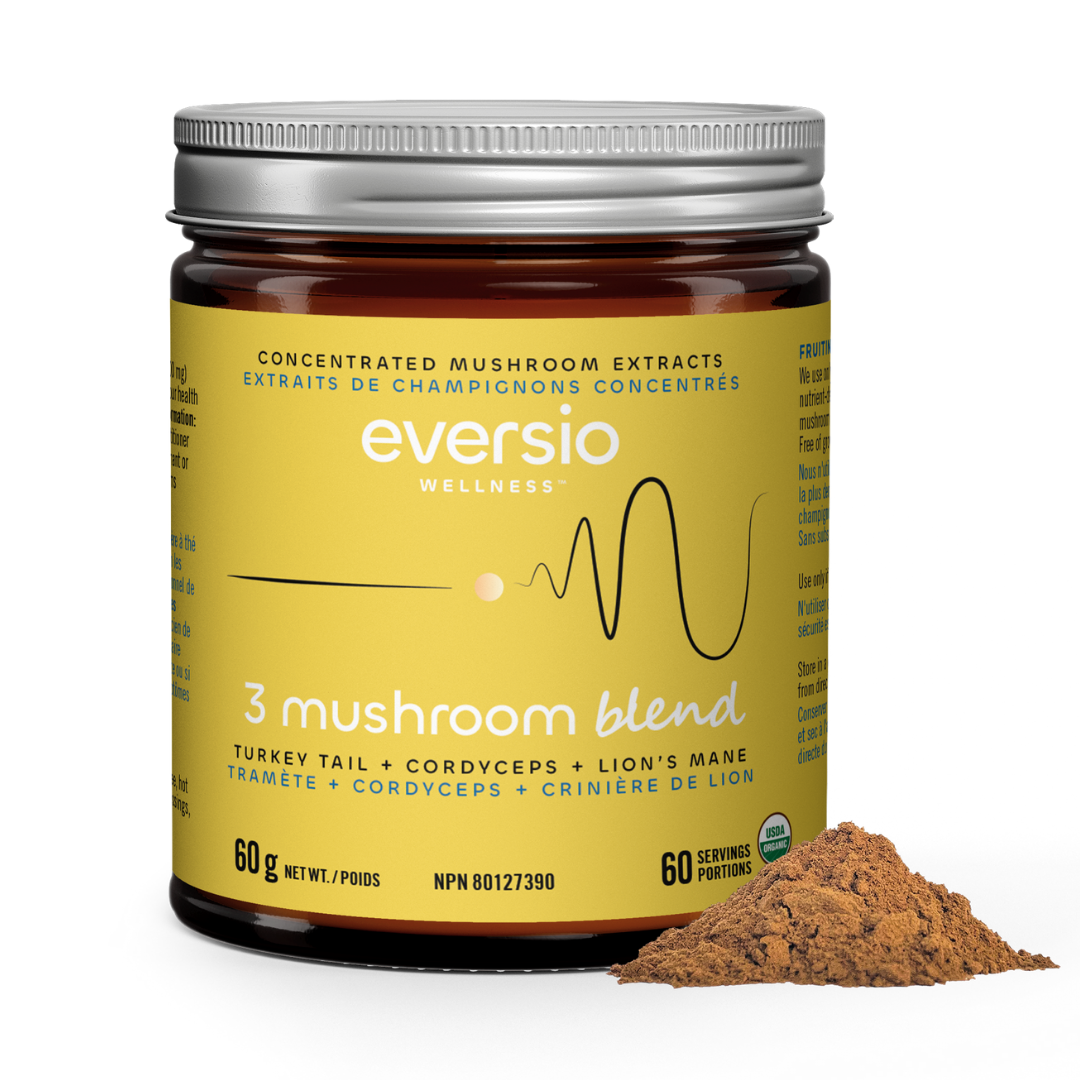
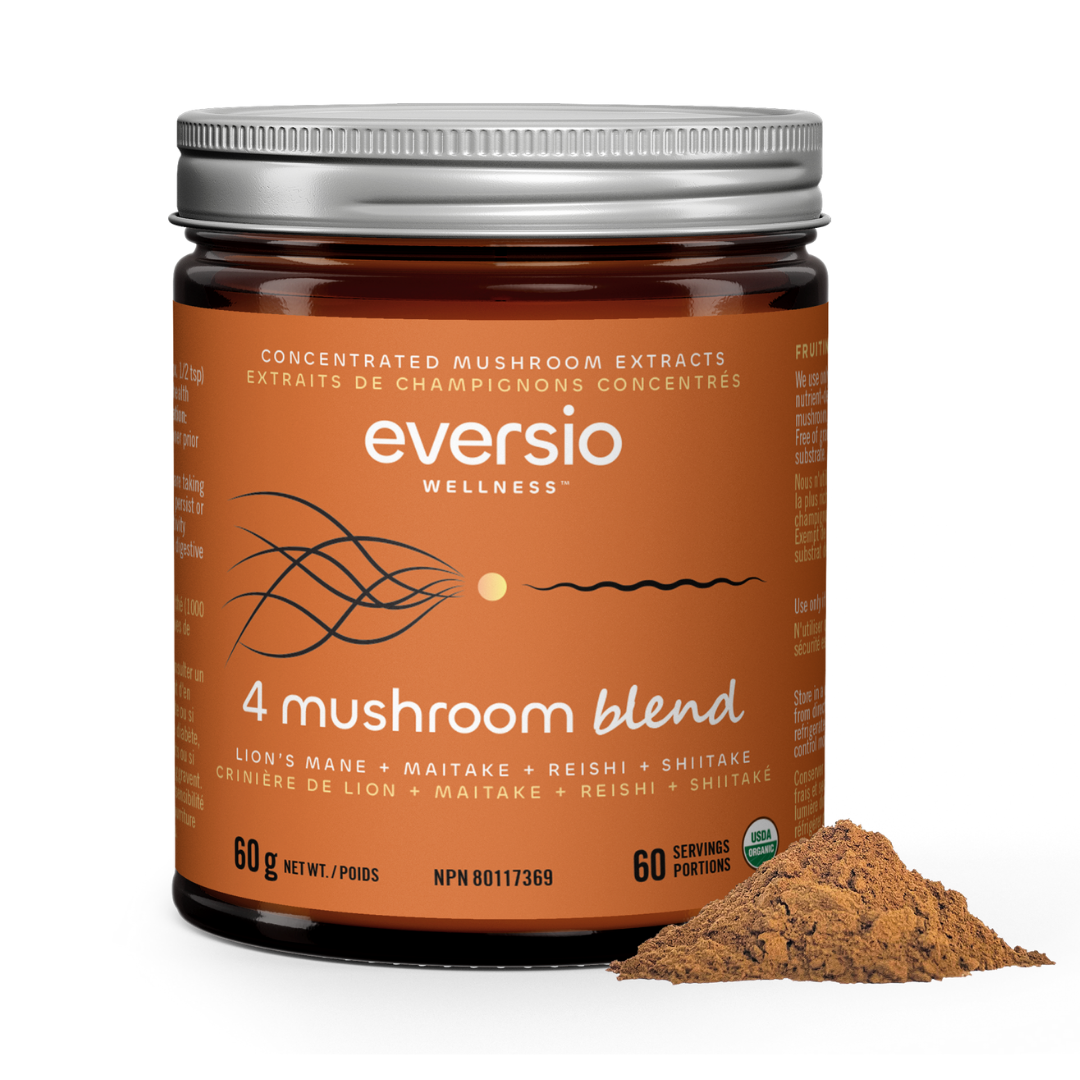
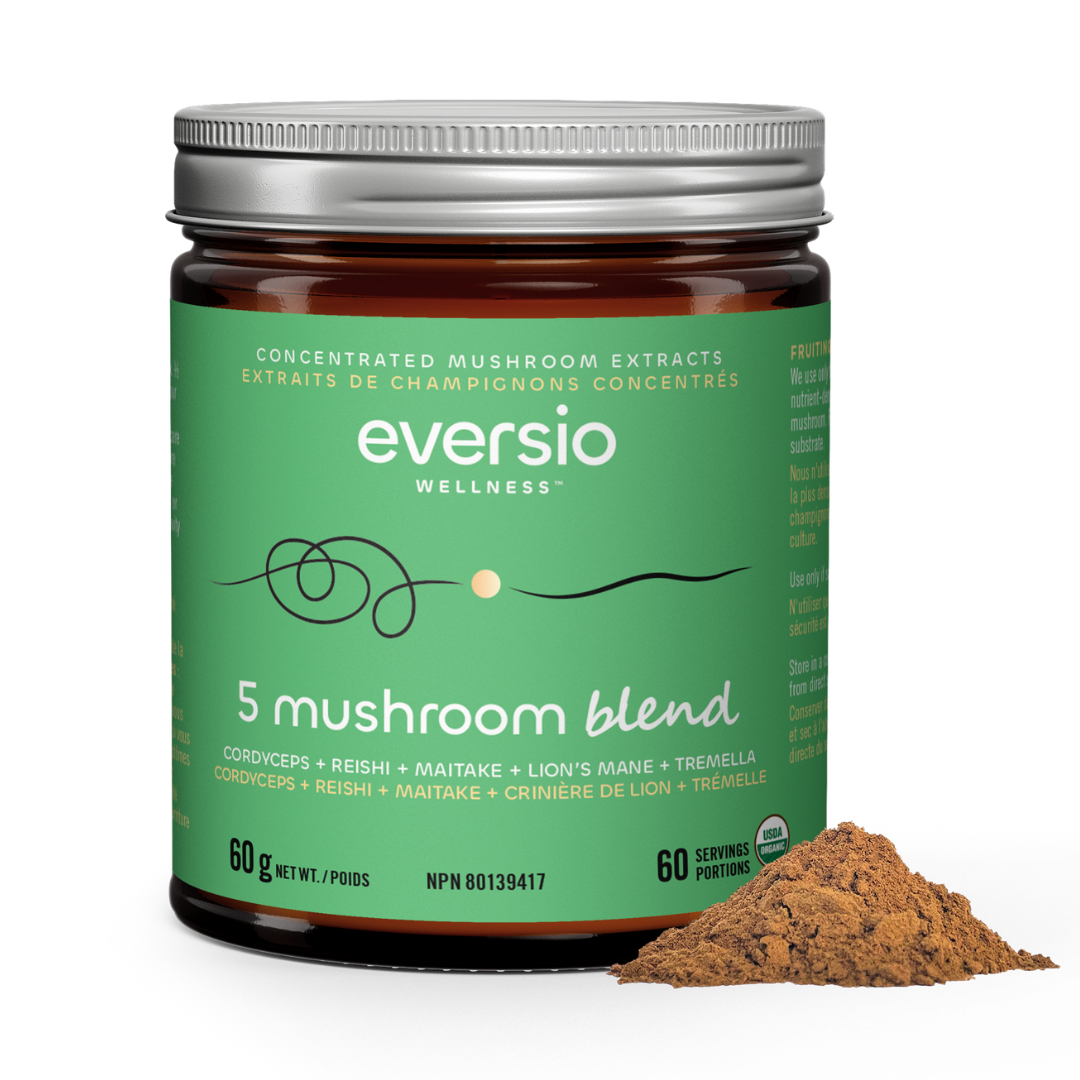
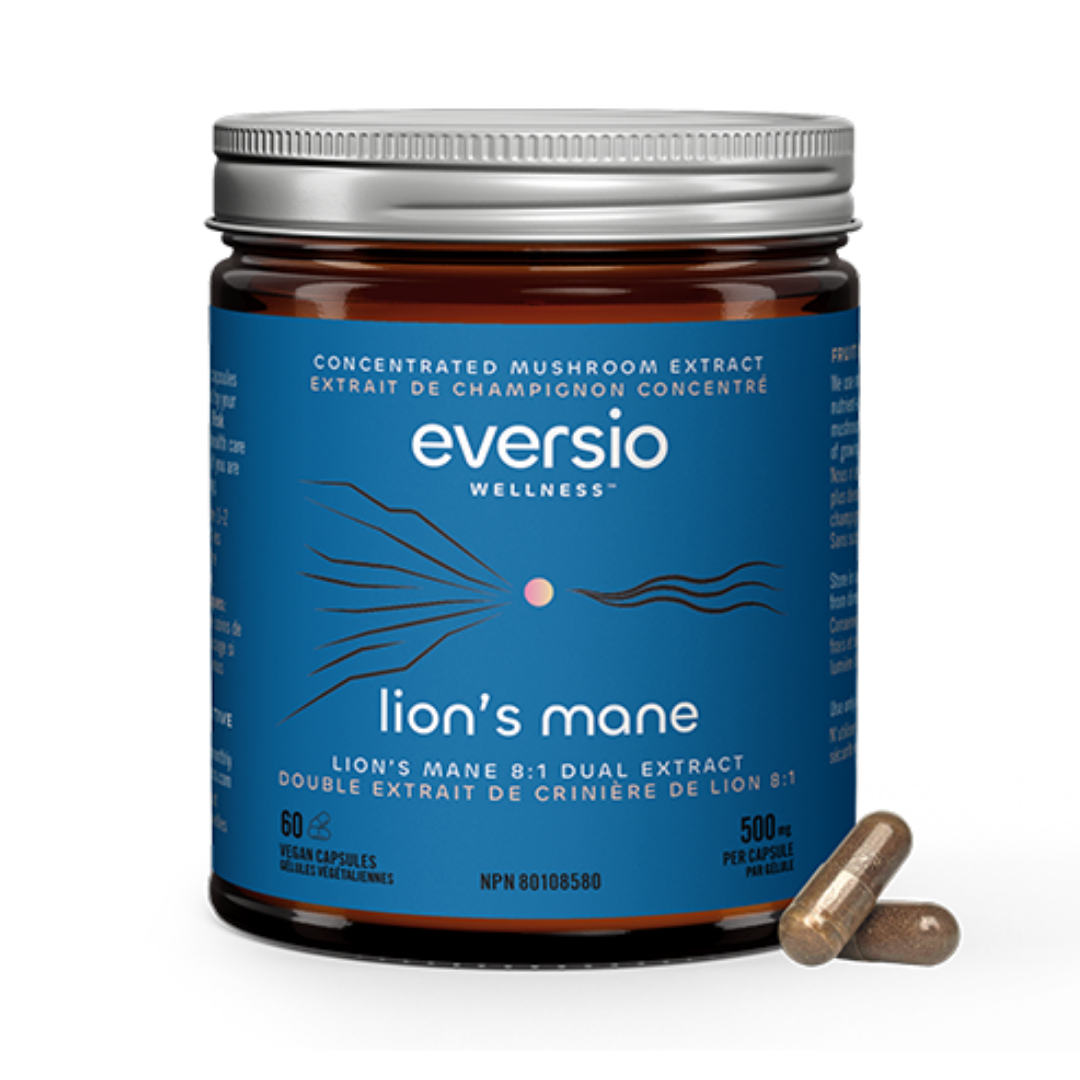
Functional mushrooms, nutrition, movement- all of it matters. And none of it works at full effect in a nervous system that doesn't have room to receive it.









Leave a comment
All comments are moderated before being published.
This site is protected by hCaptcha and the hCaptcha Privacy Policy and Terms of Service apply.