


She was standing in a supplement store on a weekend, not looking for anything in particular. Something pulled her to a tincture she'd never noticed before. She bought it, brought it home, took it —, and by morning, she was in a full-body flare. Eyes nearly swollen shut. Skin angrier than it had been in years.
That was the moment everything started to make sense. Not because the supplement made her worse. Because her body finally had something to react against.
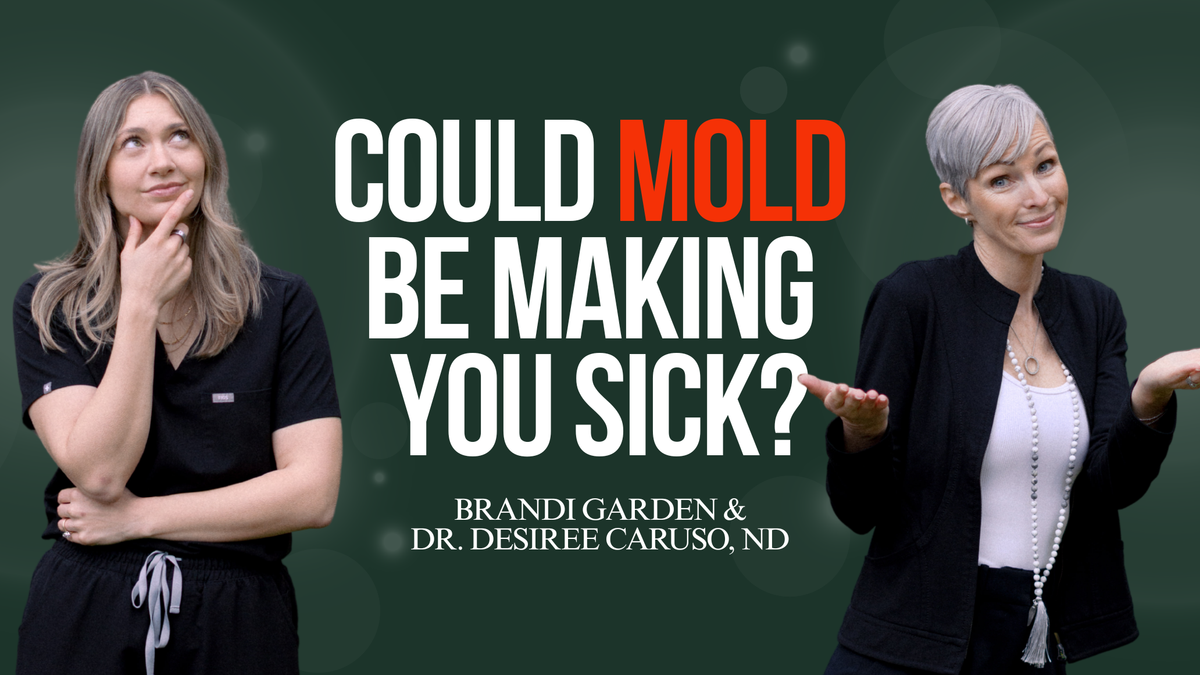
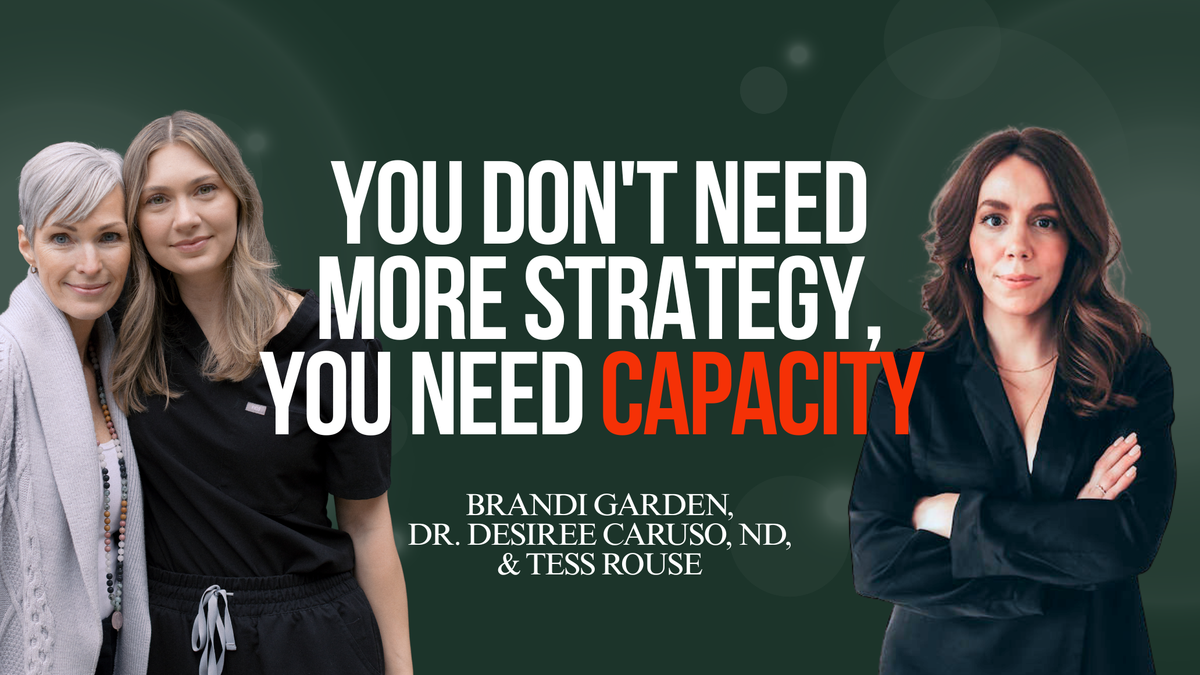
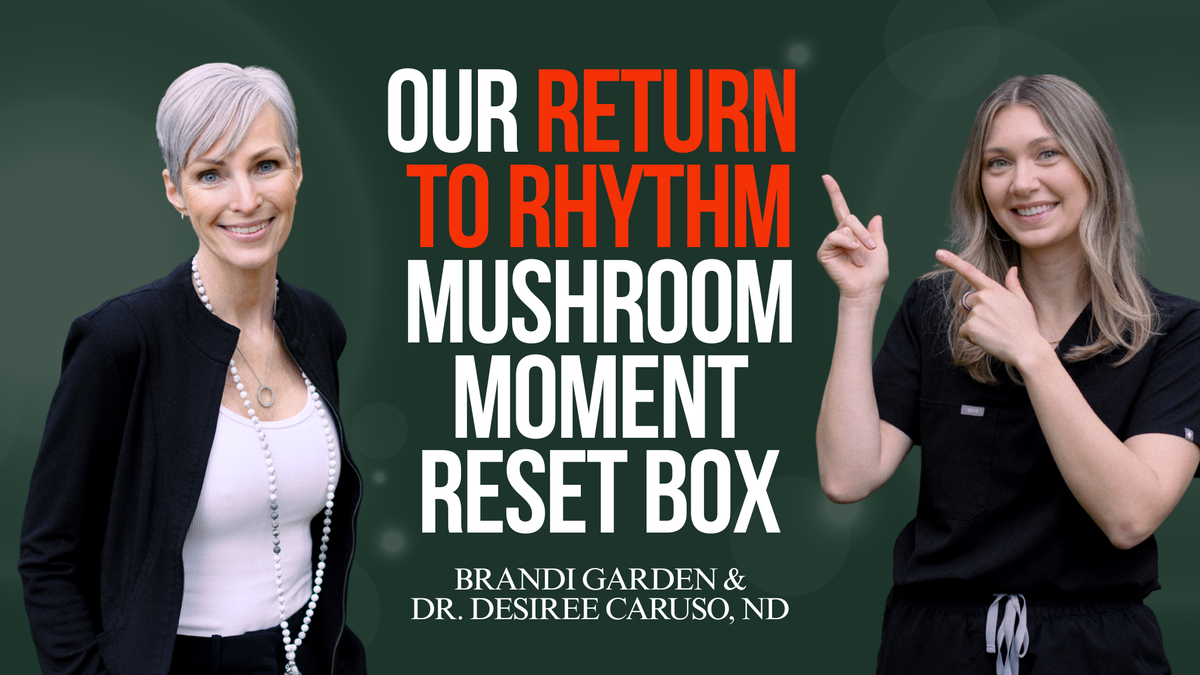
Dr. Desiree Caruso, ND, has been sharing pieces of her mold toxicity story on her personal Instagram for a couple of years. But in Episode 70 of The Eversio Experience Podcast, Brandi turns the mic around and asks for the whole thing — from the first strange symptoms in 2021, through the detective work, the discovery, and the long, layered recovery that followed.
When the Symptoms Don't Add Up
It started with her hands.
During the pandemic, Dr. Desiree noticed her skin reacting. Dryness, then a rash. She attributed it to increased hand washing, added stress, maybe a new sensitivity. Reasonable explanations. And for a while, those explanations seemed to hold.
Then the rash spread. To her neck. Her face. Around her eyes and eyebrows. She lost nearly all the hair in her eyebrows from the severity of the inflammation there. She started reacting to foods she'd always tolerated — fermented foods she loved, bell peppers, spinach, cashews, anything that could increase histamine load. Her tongue would go numb when she ate certain things. Chronic postnasal drip developed. Then congestion. Shortness of breath. Brain fog. And fatigue so unrelenting that twelve hours of sleep still left her drained.
She kept eliminating foods. Kept adjusting. She got a little better in patches. Then slid back again.
This constellation of symptoms is, as Dr. Desiree explains in the episode, one reason mold toxicity is so frequently missed. The body doesn't produce a "mold symptom." It produces inflammation, histamine activity, immune reactivity, and fatigue — all of which map onto dozens of other conditions. Without a practitioner who specifically keeps mold toxicity in mind, the pieces rarely connect.
Being Too Close to See
Dr. Desiree was, by any measure, well-equipped to figure this out. She had the training. She had the clinical tools. She was actively treating patients with complex symptom pictures. And she still didn't connect it to mold for a few years.
During the episode, she reflects on why. When we're too close to something, we tend to go more granular, not wider. She kept trying to address individual symptoms rather than stepping back to see the bigger pattern. "Sometimes being too granular can be a disadvantage," she said. "We really need to step outside the jar."
She also credits her baseline health habits, the supplementation she was already doing, and her clinical knowledge for helping manage symptoms well enough that things didn't get worse faster. In some ways, her tools helped her stay functional. In another way, they may have delayed the reckoning.
A medical doctor she precepted with years earlier had told her: "We can't doctor ourselves." She remembered hearing it. She thought she understood it. Then she lived it.
The Supplement That Changed Everything
On a regular weekend, she walked into Pure Pharmacy. Not looking for anything specific. Something drew her to a tincture by St. Francis Herb Farm called FUNGAFECT — an antifungal herbal blend she'd never picked up before. She bought it, took it, and had a significant reaction.
Her skin flared badly. Her eyes were nearly swollen shut when she woke up the next morning.
She still came to work.
But that flare was data. Her body wasn't reacting badly to the supplement because it was wrong. It was reacting because the supplement was doing exactly what antifungal herbs do — and her system was so loaded that even a small antifungal signal was more than it could handle. As Dr. Desiree describes it: the bucket was full. That one extra drop was too much.
That reaction started a new line of investigation.
Finding the Source
Around the same time, she made some observations: her symptoms were worse in the shoulder seasons—fall and spring—and she noticed something strange: they seemed to flare when she did laundry.
She moved her washing machine and found warped laminate flooring underneath. The baseboard was compromised. A slow leak, probably running for years, had been growing mold behind the wall. You couldn't see it from the surface. But it had been there the whole time.
Once she confirmed the source, she began remediation. But even after the remediation, she wasn't fully better. Some of what she was dealing with had already moved into her body. And that required a different kind of work.
Mushrooms Are Not Mold
Before walking through the recovery, it's worth pausing on something Dr. Desiree covers in the episode: the fungi kingdom.
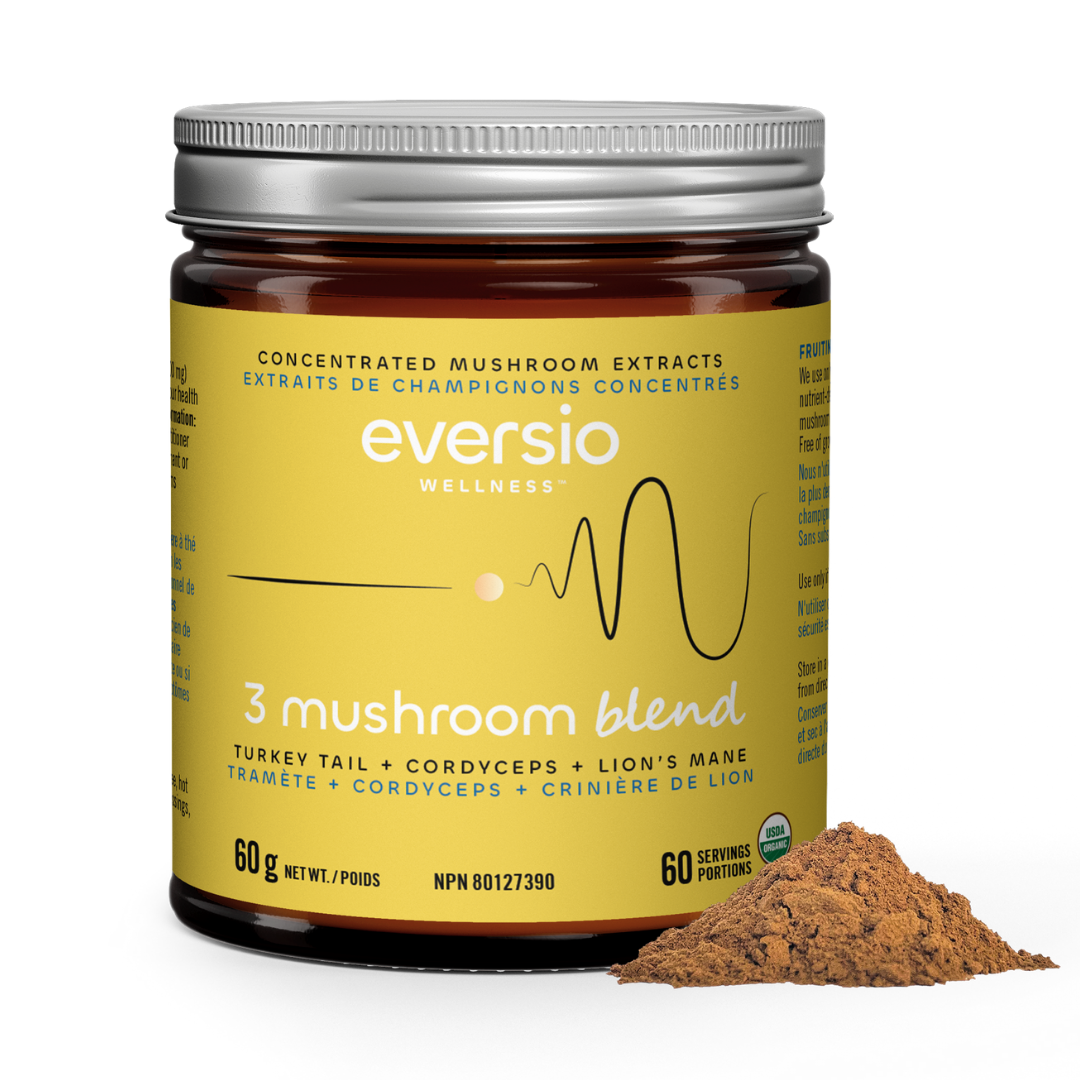
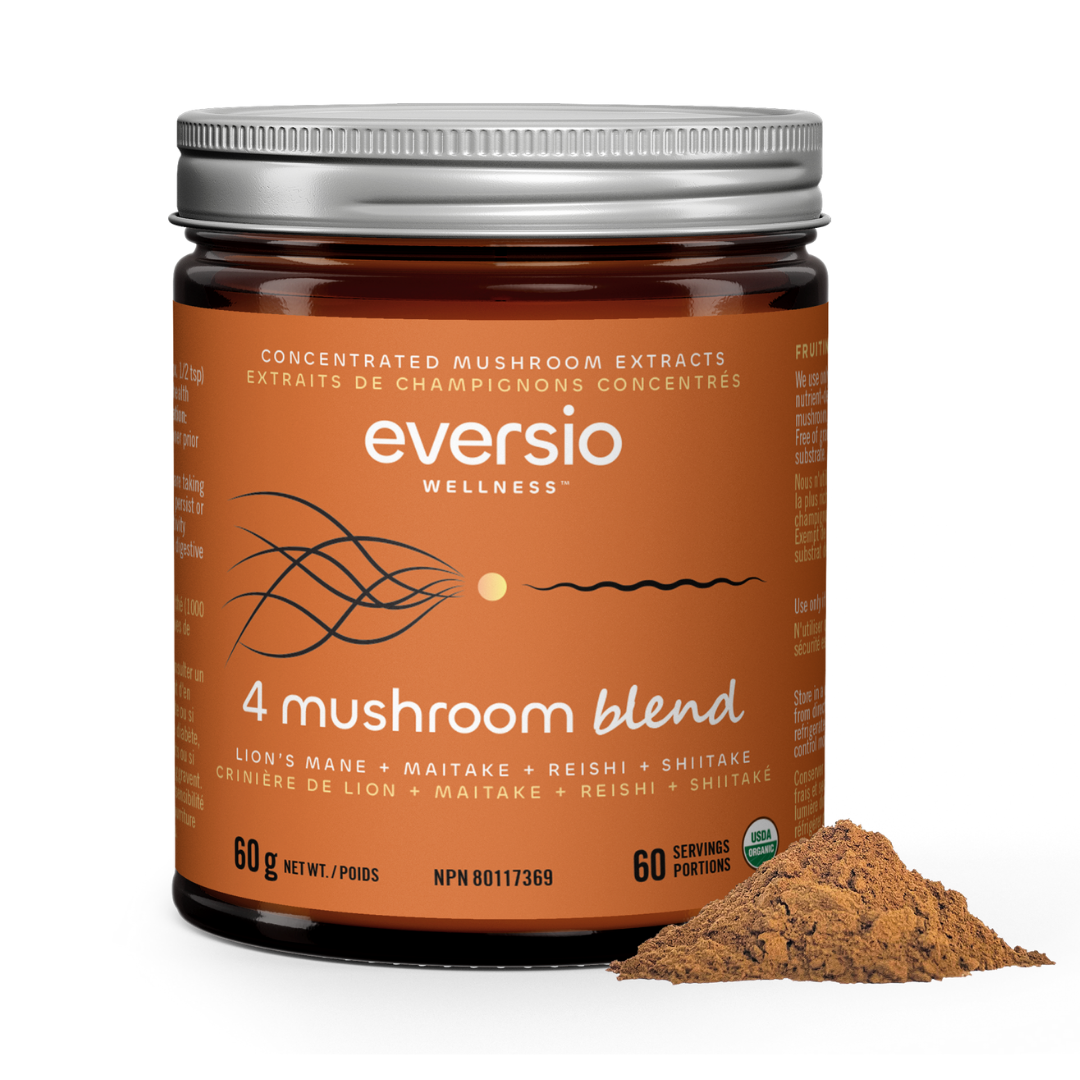
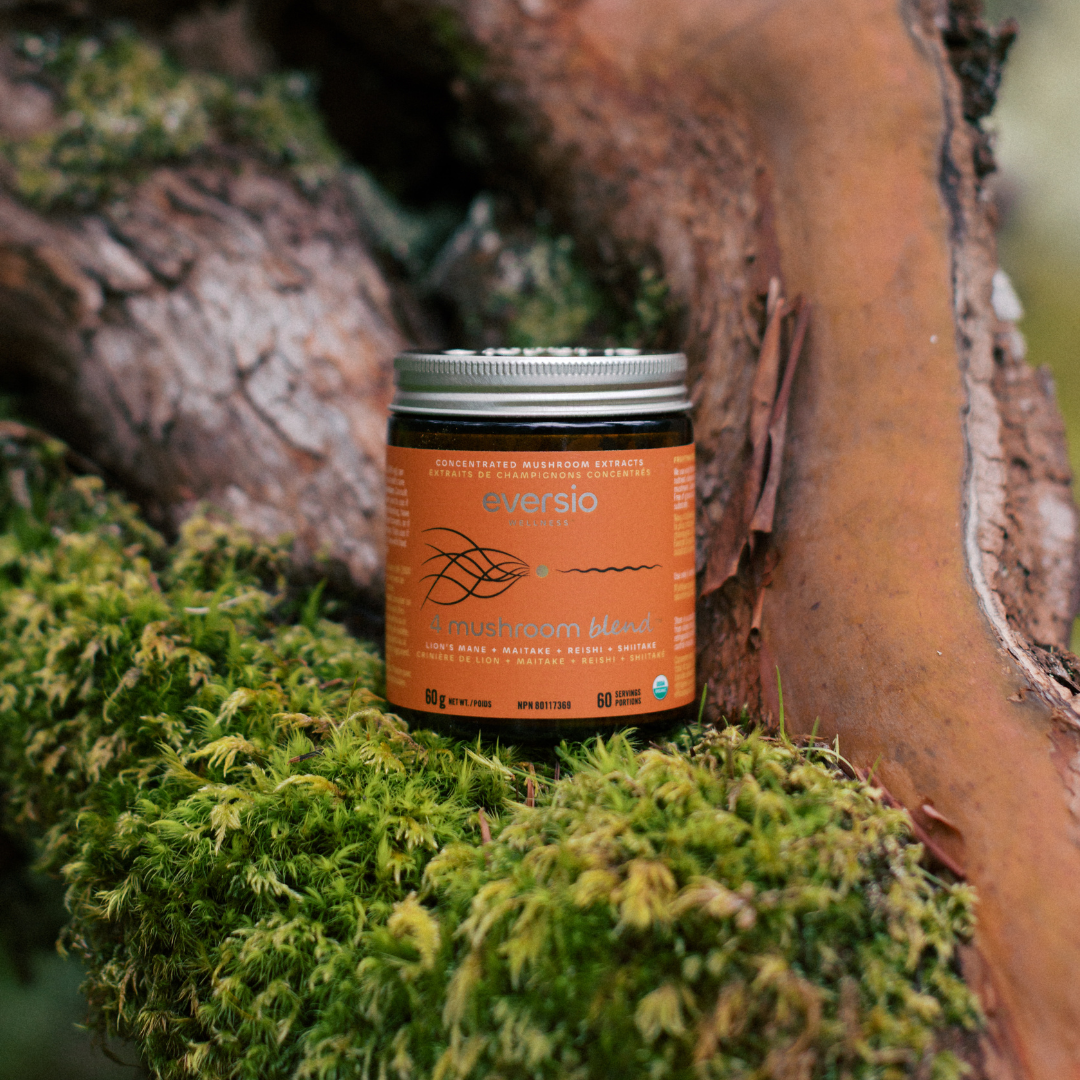
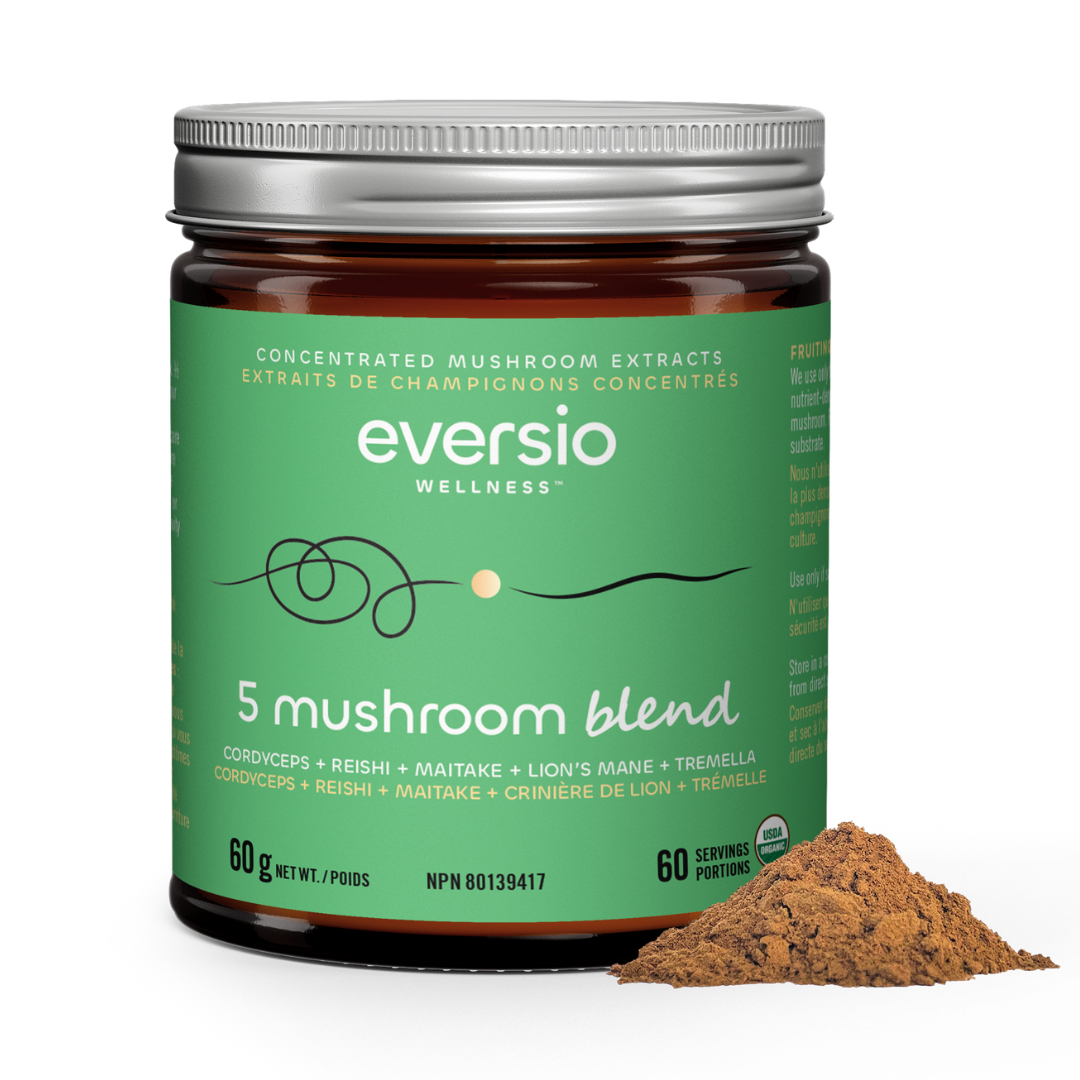
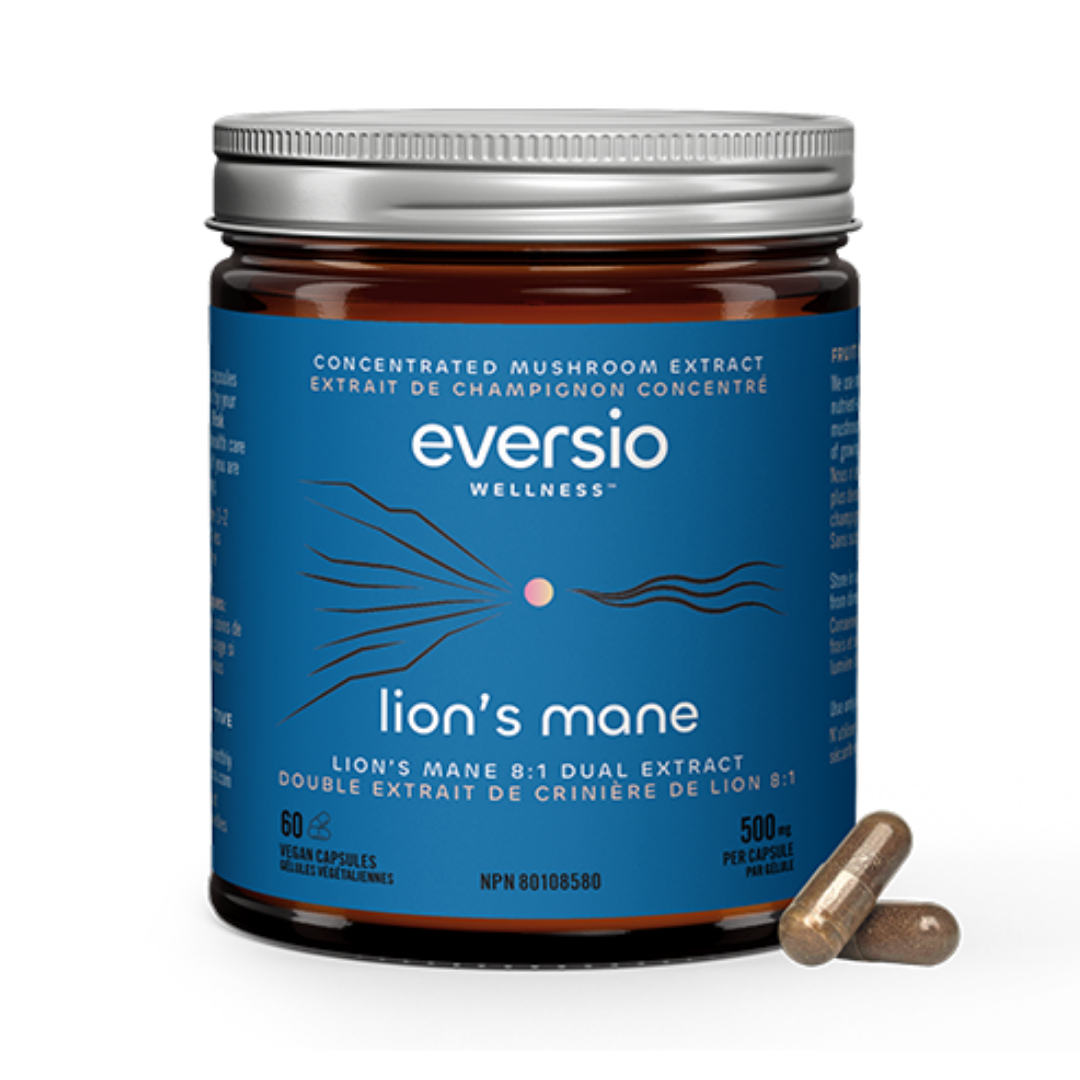
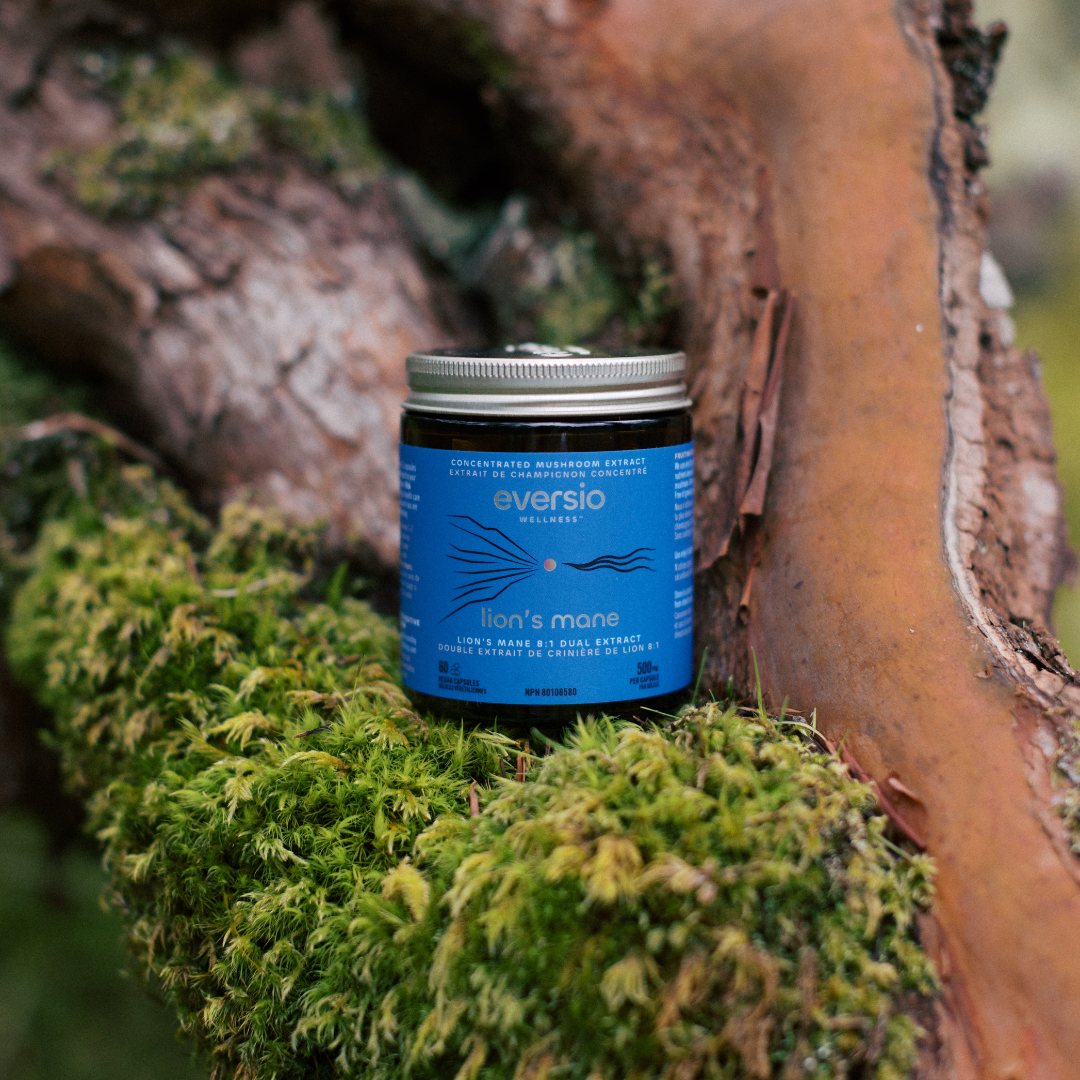
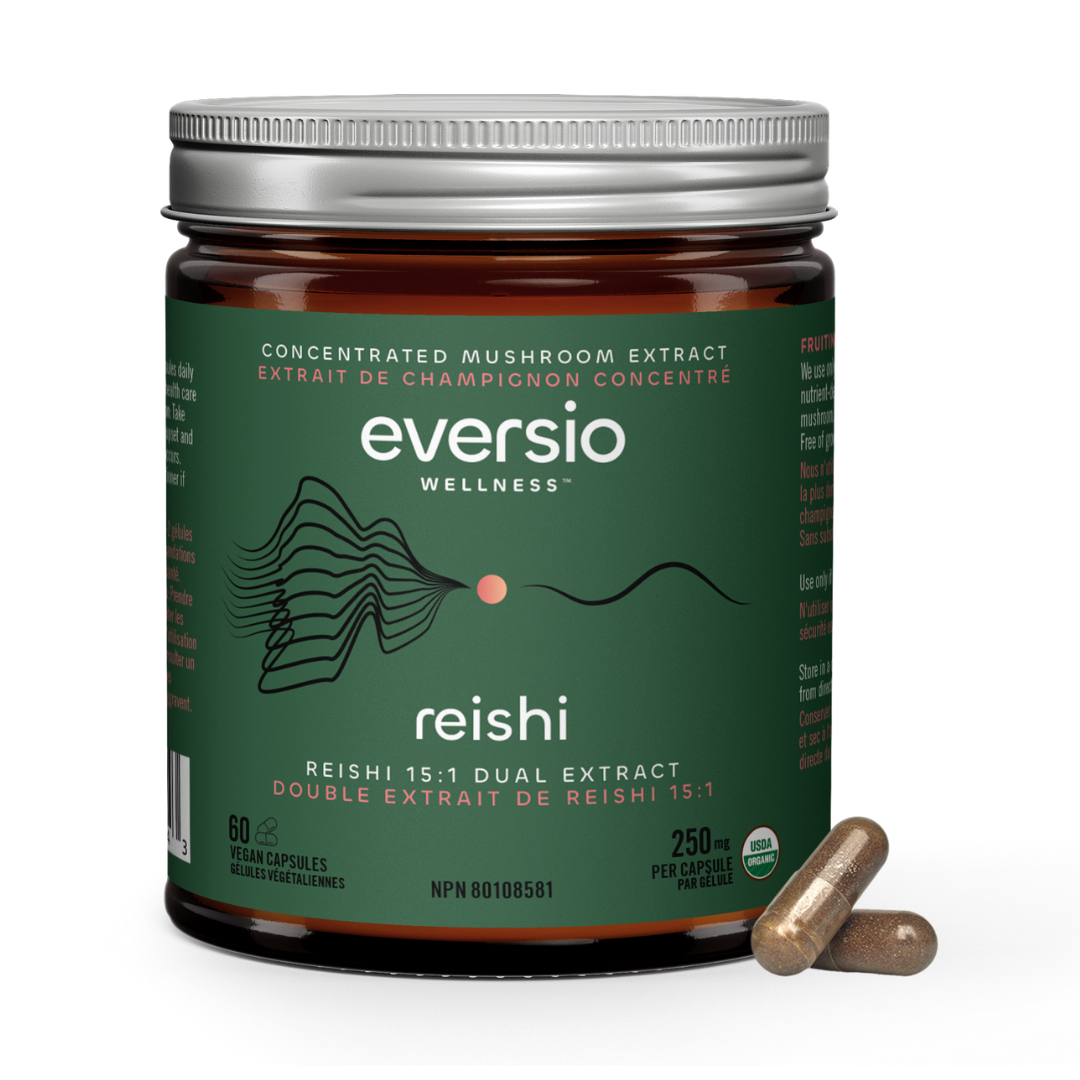
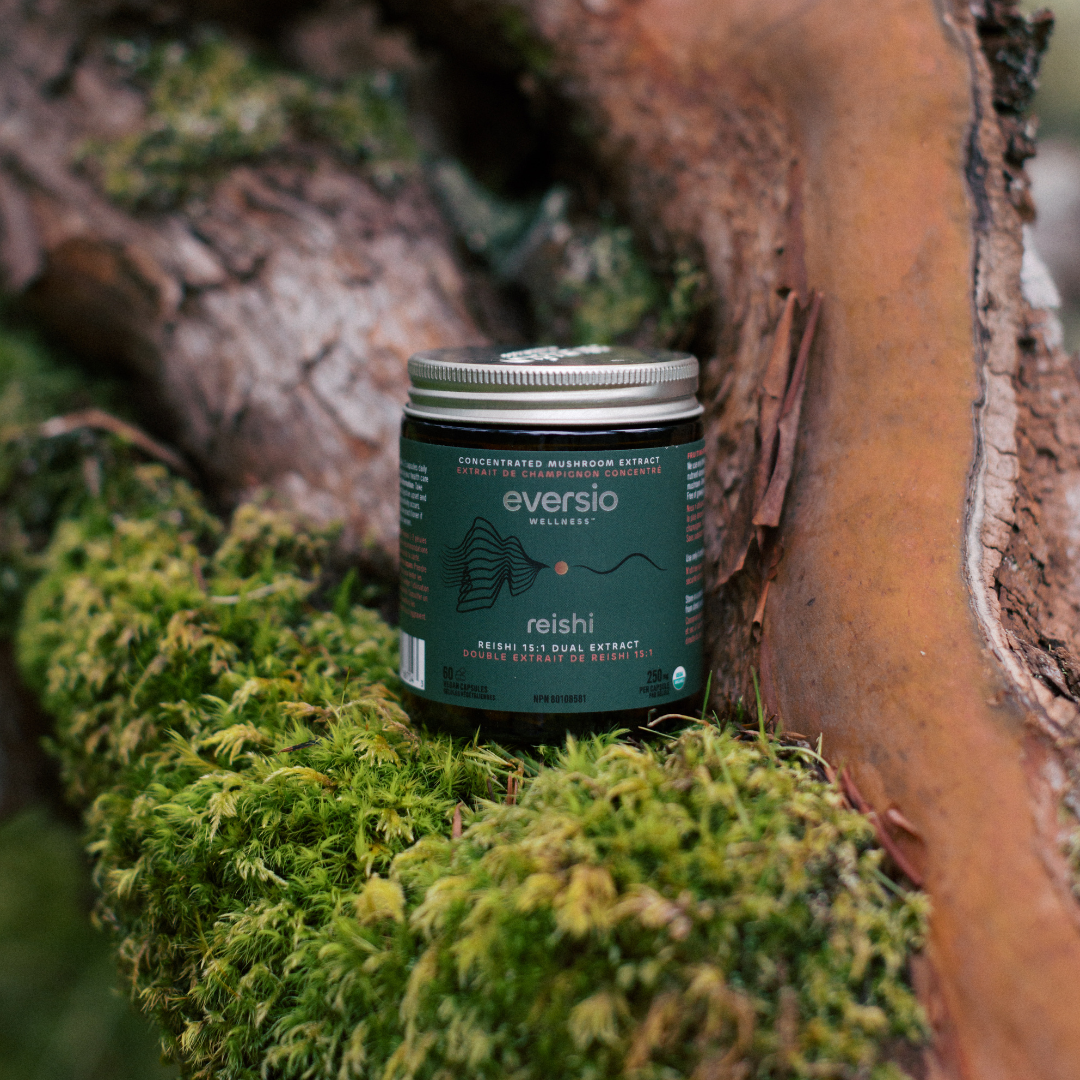
Fungi is a large kingdom that contains mushrooms, yeasts, and molds. These are related in classification but differ greatly in biology, behavior, and effects on the human body. Mold is not a mushroom. A mushroom is not mold. For anyone dealing with mold toxicity who also uses functional mushroom supplements, this distinction matters. During the episode, Brandi addresses it directly: Eversio's products are mushrooms. Not mold. Not yeast. The fact that mold made Dr. Desiree unwell does not mean mushrooms were part of the problem. (And Turkey Tail and Reishi were both part of her support protocol.)
The Recovery: Layered, Slow, and Non-Linear
Dr. Desiree is specific about one thing: you cannot rush mold recovery.
Her first goal wasn't to eliminate the mold from her body. It was to make sure her detox pathways could handle the process of elimination. That meant arugula — a bitter green that stimulates bile production and digestive function. It meant making sure bowel movements were happening daily and completely, because that's how the body moves toxins out. It meant supporting liver detoxification across both phase one and phase two pathways.
Only once those foundations were solid did she add the antifungal layer: antimicrobial herbs and supplements, introduced slowly because each step came with Herxheimer reactions. These are detox reactions — headaches, flu-like symptoms, fatigue — that signal the body is working hard to clear what's being disturbed. She'd push up to a certain point, feel those reactions, and back off. Then build up again. Twice a week. Three times a week. Eventually daily.
Later layers included a full Candida-specific dietary protocol and antimicrobial protocol, sauna, and binders to support full excretion of what was being mobilized.
A Dr. Joe Dispenza retreat in Dallas — a drier climate than the Pacific Northwest where she lives — showed her for the first time what she felt like away from the exposure. Her skin responded. She could eat foods she hadn't touched in months. That clarity made the work worth it.
The Nasal Breathing Connection
Once the mold load started coming down, something else emerged: Dr. Desiree had become a chronic mouth breather at night, driven by months of unresolved nasal congestion. This brought its own downstream effects: broken sleep, TMJ tension, and a morning that rarely felt restorative.
She worked with Dr. Laura Caylor (the subject of an earlier episode - listen HERE) on rebuilding her nasal microbiome. The protocol included a nasal spray with xylitol, grapefruit seed extract, and EDTA—starting once a week and slowly building to twice daily. The goal was to address the biofilm in the nasal cavity — the MARCONS piece that the Shoemaker protocol identifies as a significant barrier to full mold recovery.
This, too, required patience. But bit by bit, her ability to breathe through her nose at night came back.
What to Do If You Suspect Mold
Dr. Desiree's closing recommendation is specific: get tested.
Mold testing with a practitioner who has mold illness awareness can run a few hundred dollars. It's not a trivial cost. But it rules mold in or rules it out—and that information is worth far more than another cycle of eliminating foods and guessing. Depending on the strain and species of mold involved, the supplementation protocol may differ, which is one more reason to test rather than assume.
She also recommends looking for a provider who has specific awareness of mold illness. Not every practitioner does, and having one who recognizes the symptom picture can speed up how quickly the connection is made.
As Brandi closes: trust your gut. Going with your gut doesn't mean deciding whether it is or isn't. It means choosing to find out.





Leave a comment
All comments are moderated before being published.
This site is protected by hCaptcha and the hCaptcha Privacy Policy and Terms of Service apply.