


Before I get into this, I need to be honest with you about something. This episode of The Eversio Experience was one of the most personal ones I have ever recorded. I sat down with the brilliant Dr. Desiree Caruso, naturopathic physician and one of the humans I trust most in this world, and I walked her through my entire day. From the moment I open my eyes in the morning to the moment I fall asleep at night. Hour by hour, habit by habit.
Not because I think my day is aspirational. Not because I want you to copy it.
But because I spent years getting it wrong. Years waking up jacked on cortisol, scrolling my phone before my feet hit the floor, ignoring what my body was telling me, eating in ways that were quietly destroying my gut, and wondering why my psoriatic arthritis kept flaring in spite of everything I was trying.
The system I am about to share with you did not come from a book or a protocol handed to me by someone else. It came from years of paying attention to my own body, learning from extraordinary practitioners like Dr. Desiree, and making thousands of small daily choices in the direction of healing.
If you are living with an autoimmune condition, or you are in that exhausting space of knowing something is off but not being able to name it yet, this is for you. This is the blog companion to Episode 53 of The Eversio Experience: Healing My Autoimmune Disease with the Perfect Day.

What Is the Three-Legged Stool of Autoimmunity?
Understanding this model changed everything for me, and it will change the way you see your daily habits too. Dr. Desiree explains it this way: for an autoimmune disease to express itself, three things have to be present simultaneously.
Leg One: Genetic predisposition. You carry a gene for the condition. In my case, that gene is for psoriatic arthritis.
Leg Two: A leaky gut, also called intestinal permeability. When the gut wall becomes compromised, substances pass through into the bloodstream that should not be there, triggering an immune response.
Leg Three: A trigger. This could be chronic stress, a physical trauma, an infection, an emotional event. Something that tips the system over the edge.
Here is the part that gives me so much hope: you cannot change your genetics, but you can absolutely change whether those genes get switched on. You can heal your gut lining. And you can reduce or remove the triggers. Every single element of my perfect day maps directly back to addressing one or more of those three legs. That is not coincidence. That is intention.

6:30 AM: The Nervous System Check-In
The very first thing I do in the morning, before I touch my phone, before I get out of bed, is what I call my nervous system check-in. I open my eyes and I take five minutes to consciously direct my very first thoughts of the day toward a clear vision of the future I want to create.
I know how that sounds. Believe me, the former skeptic in me hears it too.
But here is what Dr. Desiree wants you to understand: when we wake up, our brain is in a theta brainwave state. It is that slightly dreamy, not-quite-awake moment, and it is one of the most neuroplastic states the brain ever enters. It is genuinely one of the best windows we have for reprogramming subconscious patterns. Holding a clear vision of the future you want in those first few minutes is not wishful thinking. It is intentional use of neuroscience.
For someone managing an autoimmune condition, this matters physiologically. Chronic physiological stress is one of the most underappreciated triggers for autoimmune flare. Stress activates the sympathetic nervous system, which suppresses immune regulation and increases gut permeability. When I spent years starting my mornings in cortisol and urgency, I was actively pulling on that third leg of the stool without knowing it.
Five minutes of intention at 6:30 AM sets a completely different tone for everything that follows.

6:35 AM: The Morning Mason Jar
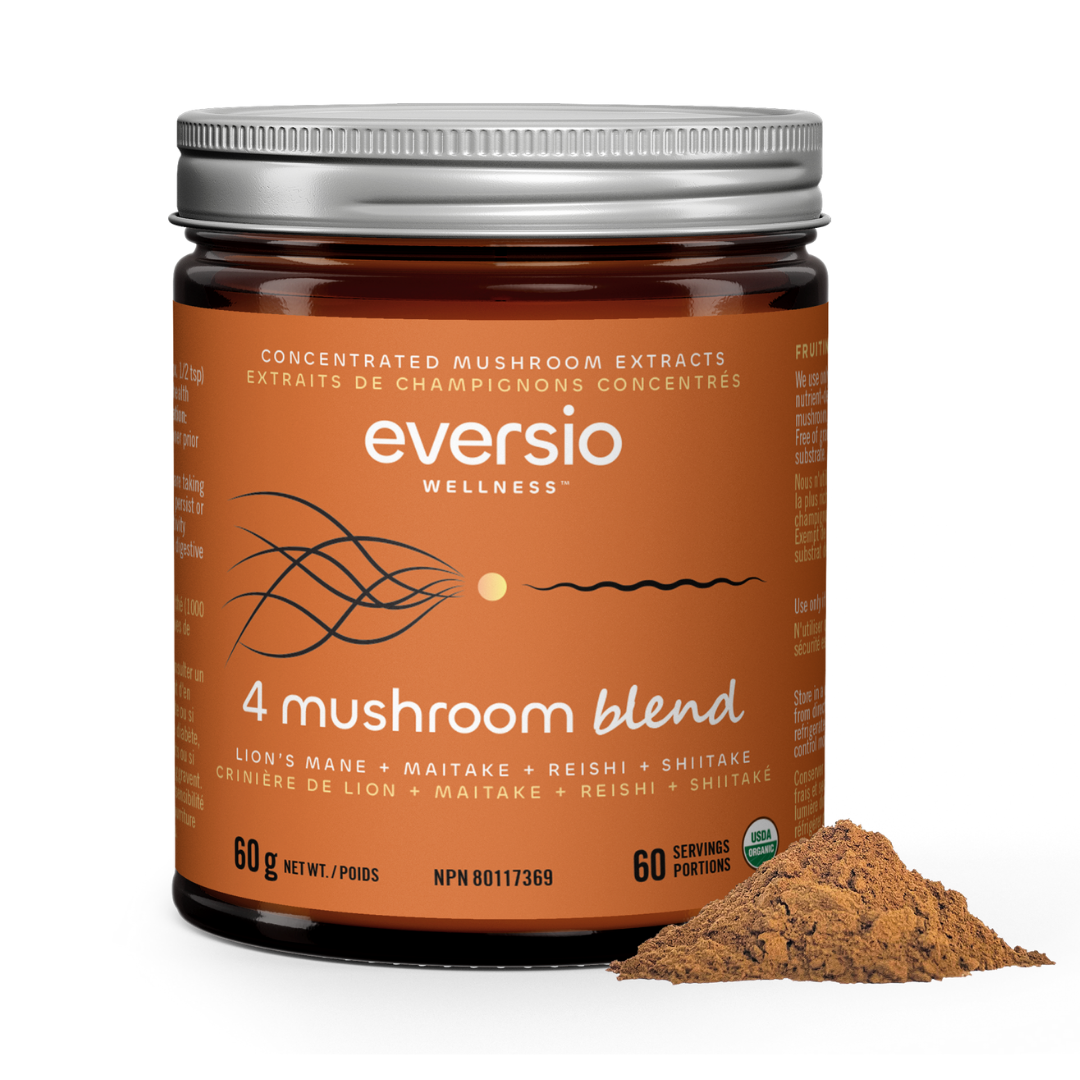
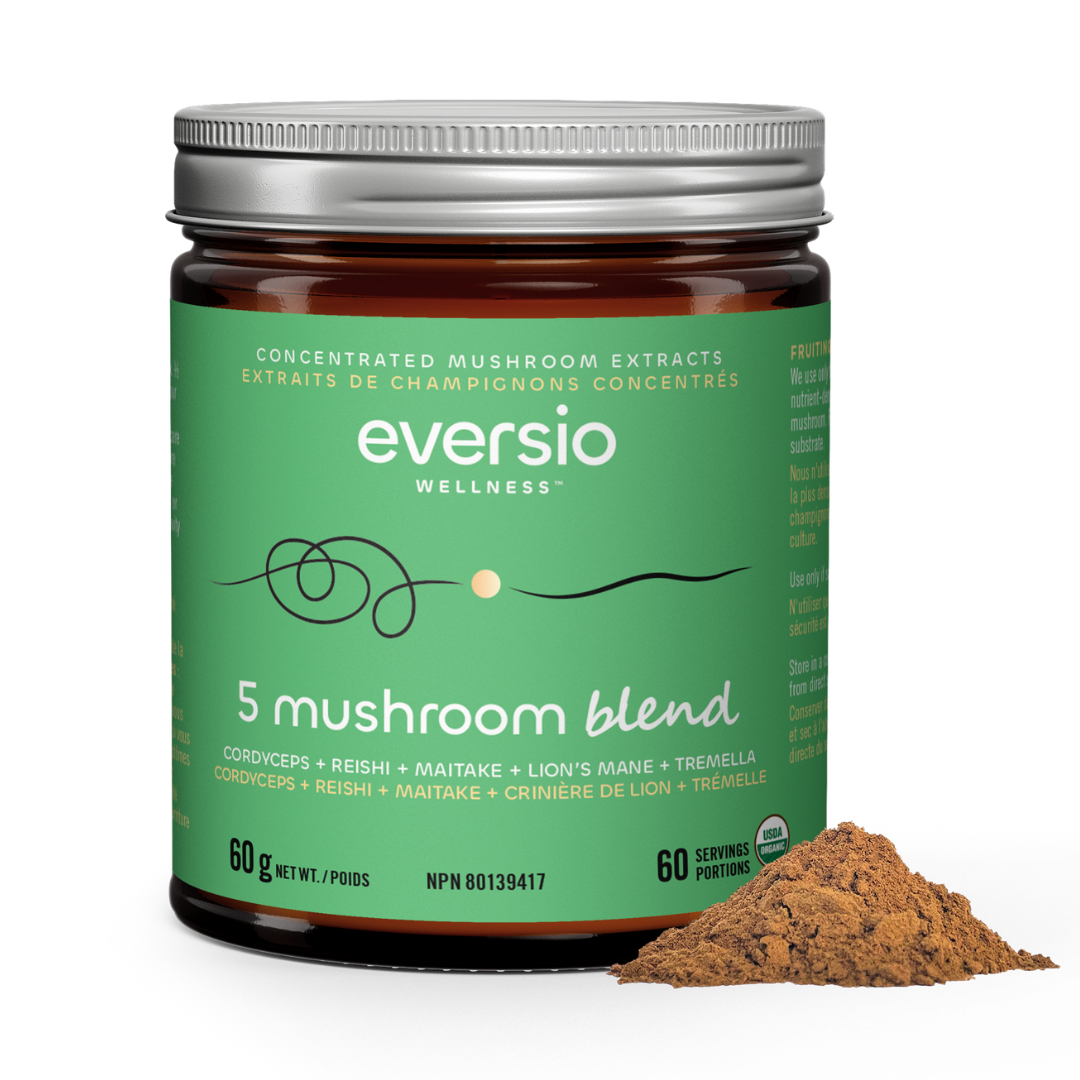
The second I sit up in bed, I reach for the mason jar on my nightstand. I prepare it the night before so it is already waiting for me. Inside: room temperature water, the juice of half a lemon, a splash of apple cider vinegar, and our Five Mushroom Blend.
Dr. Desiree breaks down exactly what each component is doing.
The lemon juice provides vitamin C and citric acid, which supports stomach acid production first thing in the morning. Many people with autoimmune conditions actually have low stomach acid, not high. That is a common misconception. Starting the day with something acidic gently wakes up the digestive process and improves how well you absorb nutrients throughout the day.
The apple cider vinegar has a modest prebiotic effect, feeding beneficial bacteria in the gut. The gut is ground zero for immune regulation, and starting the bowel movement process early is a real win.
Room temperature or warm water is doing something important too. It stimulates the gastrocolic reflex, essentially telling your digestive system it is time to move.
And the mushrooms. I take the Five Mushroom Blend on an empty stomach because the beta-glucans are doing two things at once: feeding the microbiome and beginning to modulate my immune system. Starting my day with immune support, gut support, and hydration, all in one mason jar before my feet have even hit the floor, is genuinely efficient. My body has been doing this long enough now that it craves it.

6:45 AM: Meditation Is Not a Luxury. It Is the Medicine.
After the mason jar, I meditate. Usually for about an hour, though I want to be clear I built up to that over years. If you are new to meditation, five minutes is genuinely enough to begin. That becomes ten very quickly.
I say this knowing how strong a statement it is: meditation is the most important thing I do all day for my autoimmune health.
The reason goes so much deeper than relaxation. Meditation directly addresses two of the three legs of the autoimmune stool. On the genetic side, research in epigenetics now shows that meditation actually influences which genes get expressed. You can carry a gene for an autoimmune condition, and that gene can remain silent if the environment around it does not activate it. Meditation is one of the tools that keeps that internal environment calm enough.
On the trigger side, shifting from sympathetic to parasympathetic, from fight-or-flight to rest-and-digest, through daily consistent meditation changes your baseline. You are not just recovering from stress. You are becoming more resilient to it. You are building more capacity for the life you want.
For someone managing autoimmune disease, meditation is not a wellness extra. It is a therapeutic intervention.

8:00 AM: The Matcha Switch and Why It Changed Everything
By eight o'clock I am usually at my laptop with a matcha. There was an intentional reason for that switch, and it is one that Dr. Desiree recommends to many of her patients.
Coffee and black tea can spike cortisol, particularly first thing in the morning when cortisol is already naturally elevated as part of your waking cycle. For someone with an autoimmune condition, chronically elevated cortisol is inflammatory. It disrupts the gut lining. It dysregulates the immune system.
Matcha provides a sustained energy lift from L-theanine combined with a lower dose of caffeine than coffee. You get the alertness without the spike and the crash. L-theanine also promotes alpha brain waves, the same relaxed alertness you cultivate in meditation, so in a small way your morning matcha is an extension of that practice.
If you have tried matcha and thought it tasted terrible, Dr. Desiree and I both want you to know that quality matters enormously. We personally drink Soar Organics matcha from Vancouver, which is USDA and Canadian organic certified and sourced directly from Japan. A good quality matcha should be bright green. That is where the antioxidants and L-theanine live.

8:30 AM: Morning Light and the Motility Walk
Morning light in the eyes is medicine. I learned this from the surge of longevity and circadian rhythm research that has come out in recent years, and I want you to really hear it.
When natural outdoor light hits your eyes in the morning, not through a window and not through sunglasses, it triggers a cascade of hormonal signals that set your circadian rhythm for the entire day. It tells your body what time it is. It sets the cortisol peak at the right moment. It initiates gut motility. And it starts the clock on melatonin production so that fourteen to sixteen hours later, you are genuinely ready for sleep.
Dr. Desiree points out that for autoimmune patients specifically, disrupted circadian rhythms are associated with increased inflammation, impaired immune regulation, and worsened gut permeability. The morning walk is not just good for your mental health. It is a physiological anchor that tells your nervous system it is safe.
I walk for about thirty minutes. If Craig is home, we walk together. If not, I listen to a podcast or an audiobook. My gut is waking up. My nervous system is settling. My mind is being fed. Very few thirty-minute blocks in my entire day do as much good as that one.

9:00 AM: Breakfast, Journaling, and Your Back Pocket Thoughts
I am genuinely hungry by nine o'clock because I have woken up the gut. Breakfast is always high fiber, moderate protein, and low sugar. Oatmeal with chia and berries, overnight oats, coconut yogurt with nuts, a green protein smoothie, avocado toast on gluten-free bread. All real, whole, plant-forward foods.
Dr. Desiree explains the principle behind all of them: they are rich in prebiotics, meaning they feed the beneficial bacteria that already live in your gut. Well-fed beneficial bacteria produce short-chain fatty acids, which are the primary fuel for your gut lining. Every breakfast I eat is directly supporting the second leg of that stool.
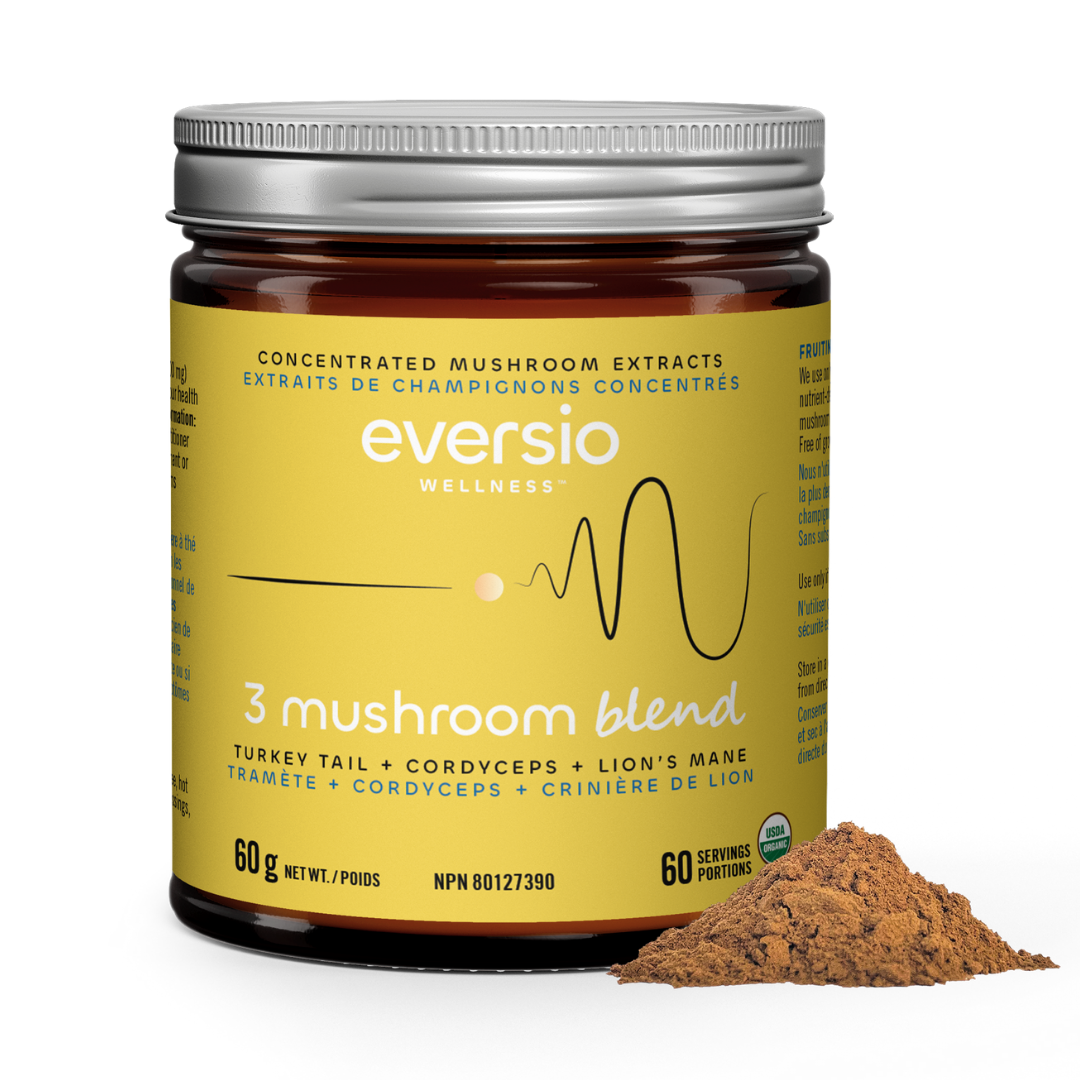
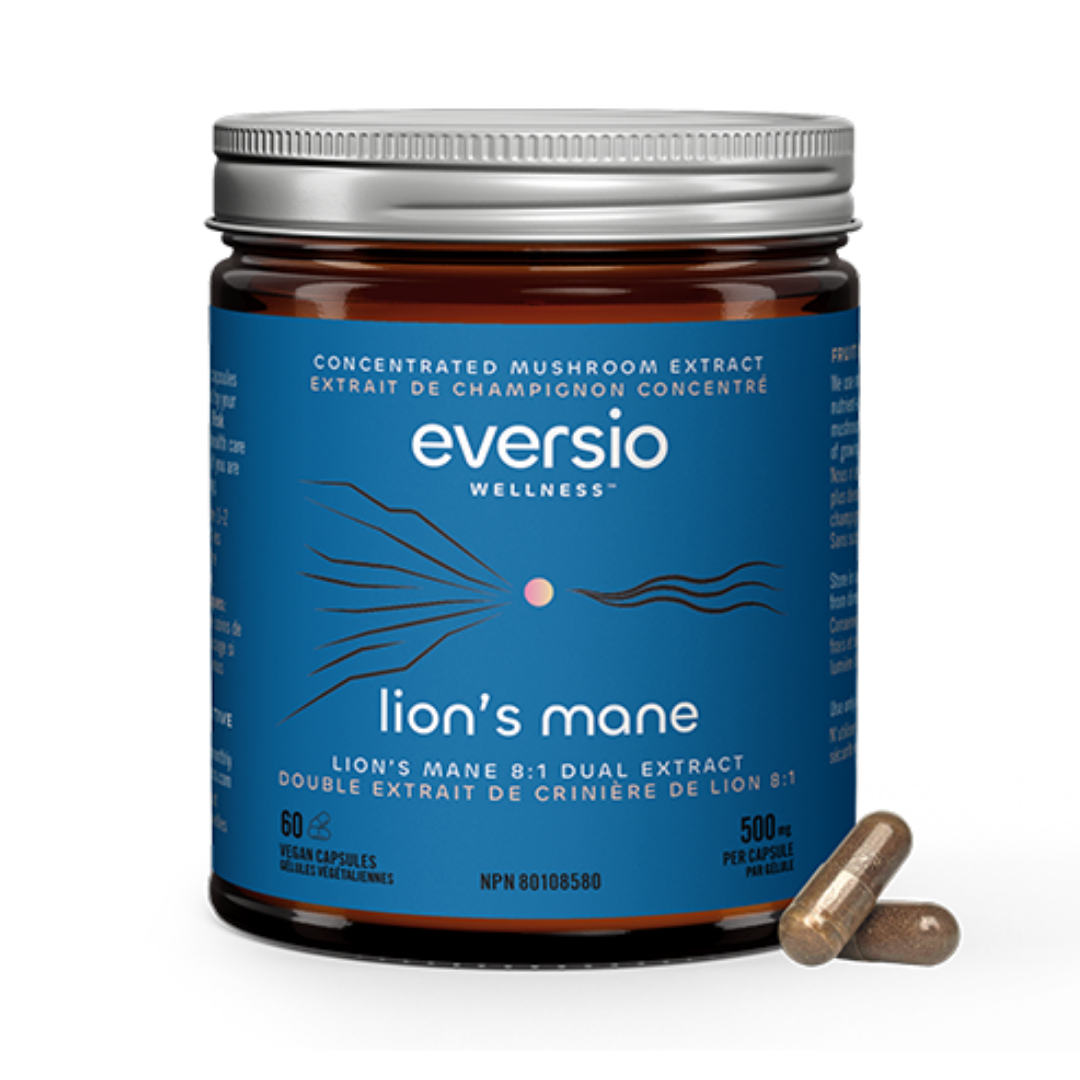
Breakfast is also when I take morning supplements on the days I include them: vitamin D in winter, B12 periodically, omega-3 always, and Lion's Mane always. Dr. Desiree describes Lion's Mane as neurologically fascinating because the hericenones in it stimulate Nerve Growth Factor, supporting the growth and maintenance of neurons. For someone managing an autoimmune condition where inflammation can affect the nervous system, that support is genuinely valuable. Brain fog is one of the most common complaints I hear from people with autoimmune conditions, and Lion's Mane is one of the most powerful tools I know for it.
I journal while I eat. And the practice I want to share with you here is what I call checking in with my back pocket thoughts.
The idea is this: we all carry a set of core beliefs about ourselves and the world that run in the background of our subconscious all day long. Back pocket thoughts are the replacement thoughts I have ready to use when a limiting belief tries to sneak past my awareness. My morning journaling is a time to surface those thoughts, look at them honestly, and consciously choose a replacement.
A common one for me used to be: there is not enough time. My replacement is: I have enough time to get what I really need to do in the next fifteen minutes done. Just taking away the stress, the anxiety, the urgency. Keeping my immune system happy, one thought at a time.
Dr. Desiree calls this a physiological skill. Emotional intelligence, the ability to recognize, name, and work with your emotions, lives in the prefrontal cortex and practices like journaling literally strengthen those neural pathways over time.

Midday: Connection, Movement, and Mushrooms at Lunch
By noon I have had three full hours that were entirely dedicated to me, my nervous system, my body, and my mind. I show up to my first meeting at 9:30 knowing who I want to be, knowing what energy I am bringing to the room.
I stay hydrated throughout the workday and take a midday movement break around 1:00 PM, whether that is a walk, a stretch, a few sets of air squats, or the short Tai Chi routine I have built into my afternoon. Movement after meals supports blood sugar regulation, and breaking up sedentary blocks has a real independent effect on inflammation markers.
Lunch follows the same principles as breakfast: fiber, good fat, protein, and plants. And there are almost always mushrooms, either in the meal itself (I love roasting them in the air fryer) or through my supplement stack. The immune and gut benefits of mushrooms are cumulative. The more consistently you include them, the more your microbiome adapts to using them. They are rich in beta-glucans, which are prebiotic fibers your gut bacteria simply love.
Dr. Desiree adds something important here: meaningful social connection, even a brief genuine check-in with someone you love at midday, reduces inflammatory markers and supports immune function. Science calls it a biological need, not a nice-to-have.

What I Avoid and Why It Is Not About Restriction
There are several things that do not have a home in my daily life, and I want to be clear that this is not about deprivation or fear. It is about understanding what these things actually do in the body.
Seed oils, including canola, vegetable, soybean, and sunflower oils, are highly processed and oxidize at cooking temperatures in ways that damage the gut lining. I use extra virgin olive oil on low heat, and avocado oil in the air fryer.
Glyphosate, the herbicide used on most non-organic crops, has been shown to disrupt the gut microbiome and damage the tight junctions in the gut wall, directly contributing to intestinal permeability. Dr. Desiree recommends using the Environmental Working Group's annual Clean 15 and Dirty Dozen list to guide organic purchasing decisions when budget or availability is a constraint.
Refined sugar and refined flour feed the wrong bacteria in the gut, promoting imbalance in the microbiome, which drives inflammation and compromises immune regulation. I did not give these things up overnight. It was a years-long evolution of adding more variety and quality until the other things naturally faded out.
Alcohol increases intestinal permeability with every drink. For someone managing autoimmune disease, Dr. Desiree is honest: there is not really a safe amount that does not work against healing. I might have a glass of champagne at New Year's. That is the extent of it, and I am genuinely happy with that.

Evening: Movement You Love, Protected Personal Time, and Sleep as Medicine
Between 6:00 and 7:30 PM, I move my body in a way I actually enjoy. An evening walk with Craig. Yoga or breathwork a couple of evenings a week. Pickleball at the lake when we are there. Dancing in my kitchen when nothing else is happening, and I will not apologize for it.
Dr. Desiree makes a point here that I want you to really absorb: when movement is joyful, it activates the parasympathetic nervous system. When it is forced and miserable, it becomes another stress on the system and can actually worsen autoimmune outcomes. Find the thing you love. Move daily. It does not have to be long or intense.
From 7:30 to 9:30 PM, I protect that time as personal and family time. No email. No production. Just being a person, a mom, a friend, a human.
A hot shower before bed is part of my sleep hygiene stack. The drop in body temperature after a hot shower signals the nervous system that it is time to wind down. My Oura ring actually showed me that my sleep quality was measurably worse on the nights I skipped it.
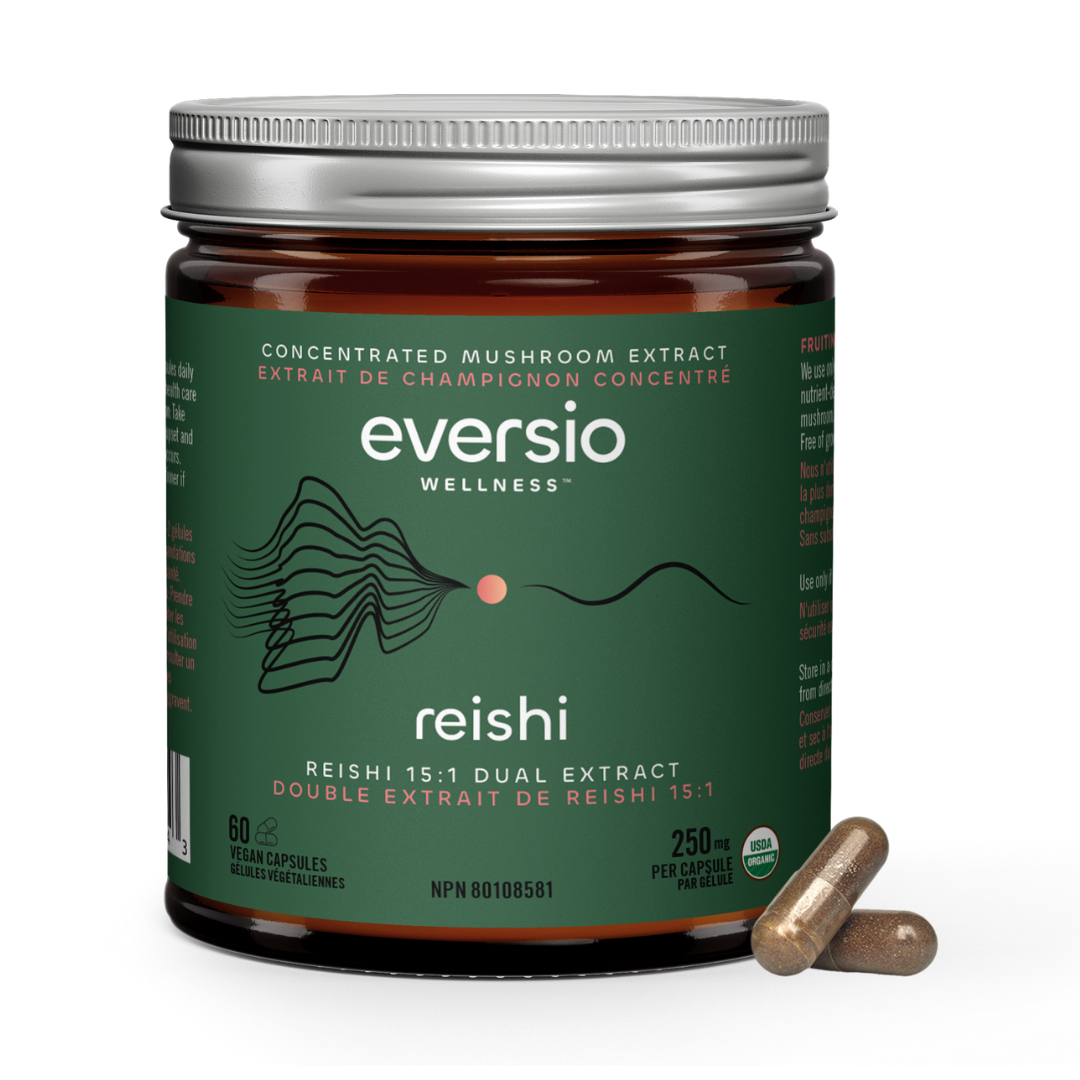
By 10:00 PM I am in bed reading, and I take my evening supplements: Reishi and magnesium bisglycinate, with zinc added sometimes depending on what is happening for me.
Reishi in the evening is doing several things at once. It continues to modulate the immune system, which does a lot of its repair work during sleep. It has a gentle calming effect on the nervous system without being sedating. And research shows that Reishi can improve sleep quality, sleep duration, and sleep latency, meaning how quickly you fall asleep. Dr. Desiree and I have both seen this reflected in our Oura data. It is not us saying it. It is the data.
Magnesium bisglycinate supports over 300 enzymatic processes in the body. It relaxes muscles, acts as a vasodilator, and gently supports a morning bowel movement without acting as a laxative. Most of us are deficient in magnesium due to soil depletion. It is one of the most impactful things you can do for your sleep tonight.
Lights out by 11:00 PM for a minimum of seven to nine hours of sleep. Dr. Desiree puts it beautifully: during sleep, the brain's glymphatic system flushes out metabolic byproducts, the gut repairs itself, the immune system resets, hormones restore, and memory consolidates. There is no supplement, no biohack, and no morning routine that compensates for chronic sleep deprivation. Sleep is the foundational resource that everything else relies on.

How Every Element Maps Back to Healing
When I look at my perfect day through the lens of the three-legged stool, the mapping is clear.
The meditation, the nervous system check-in, the journaling, the back pocket thoughts, the joyful movement, and the protected evening time are all addressing the genetic leg. They are keeping the internal environment regulated enough that the genes stay quiet.
The morning mason jar, every food and supplement choice, the prebiotic breakfast, the mushrooms both on the plate and in extract form, the avoidance of seed oils, glyphosate, refined sugar, and alcohol, and the morning walk to initiate gut motility are all addressing the leaky gut leg. I am rebuilding and maintaining my gut lining like it is my job, one meal at a time.
The stress management tools, the breathwork, the yoga, the genuine human connection, the journaling, and the immune-modulating mushrooms like Reishi and Lion's Mane are all reducing the trigger leg. The mushrooms are particularly interesting here because they are not stimulating the immune system and they are not suppressing it. They are helping it find its appropriate balanced response. That is what an adaptogen does. For an immune system that has lost its sense of appropriate response, which is the definition of autoimmunity, that modulating effect is genuinely therapeutic.
Where to Start If This Feels Overwhelming
You do not have to start with all of it. I did not start with all of it. This is a system that was built one habit at a time, over years.
So many people get paralyzed by the thought that there is not enough time, and then they sit in procrastination that turns into guilt, and they stay stuck in that thinking and feeling loop. Instead of saying I do not have time for this, try saying: I have enough time to put water on my nightstand before bed. That morning mason jar. That is where you start.
Do it consistently. Let it become automatic. Then add the next thing.
Healing is not a destination you arrive at. It is a direction you choose, over and over, every single day.
And the science is genuinely on your side. As Dr. Desiree says: your body wants to heal. It is designed to heal. Your job is to create the conditions that make healing possible.









Leave a comment
All comments are moderated before being published.
This site is protected by hCaptcha and the hCaptcha Privacy Policy and Terms of Service apply.