


I want to tell you something that took me years to understand, and once I did, it changed everything about how I approach my own health and what we talk about here at Eversio.
Most thyroid problems are not really thyroid problems.
Let me say that again, because it matters: most thyroid problems are actually systemic problems. They're immune system problems. They're stress problems. They're nutrient problems. And the conventional medical playbook, which I say with zero judgment because I followed that playbook myself for over a decade, is mostly just topping up the tank without ever asking why the tank is leaking.
I'm about to turn 50. More than half of my closest friends are currently taking a thyroid medication. And when I started really diving into the mushroom research over the past five or six years, I realized that for so many of us, the conversation about thyroid health has been missing something huge.
So today I want to walk you through what Dr. Desiree and I explored in our most recent episode of The Eversio Experience Podcast, because the research we found genuinely blew my mind. We're talking about two major clinical studies, thousands of participants, and results that our conventional healthcare system is largely just not telling people about.
Ready? Let's get into it.

What Your Thyroid Actually Does (It's Not in Your Thigh)
I'm only half joking with that headline. We actually know people who thought the thyroid was in the thigh. It is not. Your thyroid is a small, butterfly-shaped gland that lives in your neck, and despite being tiny, it functions like your body's master speed controller.
Your thyroid produces hormones that tell your body how fast to burn energy, how quickly your heart should beat, how warm you should feel, and how fast your digestion moves. Dr. Des uses the analogy of a thermostat and a gas pedal rolled into one. I love thinking of it like the flame under a pot of soup. Your body is the pot. If the flame is too low, everything is cold and slow. If it's too high, everything is boiling and chaotic. We just want it just right, Goldilocks-style.
When the thyroid runs too slowly (hypothyroidism), you'll feel it everywhere: stubborn weight gain, exhaustion that sleep doesn't fix, brain fog, feeling cold when everyone else is comfortable, dry skin. Your body gets stuck in slow motion.
When it runs too fast (hyperthyroidism), the opposite happens: anxiety, racing heart, difficulty sleeping, sweating, unexplained weight loss. Your body feels stuck on overdrive.
What makes this even more complicated is the hormone pathway. Your brain's pituitary gland monitors your body and sends a hormone called TSH (thyroid-stimulating hormone) to the thyroid. The thyroid then produces T4, which is an inactive or "sleeping" hormone. That T4 then needs to be converted into T3, which is the active form that actually does the work.
Here's what most standard thyroid testing misses: when your doctor only checks TSH, and it looks normal, that doesn't tell you whether your T4 is actually converting to T3 properly. You could have a completely invisible conversion problem that never shows up on a basic panel. This is why so many people feel terrible but are told their thyroid is "fine."

The Three Real Reasons Thyroid Health Breaks Down
In our podcast episode [LINK TO PODCAST EPISODE], Dr. Des and I broke down the three root causes that are almost always behind thyroid dysfunction, and more importantly, the specific functional mushrooms that address each one. I call them missing fuel, friendly fire, and internal fire.
Missing Fuel: The Selenium-Thyroid Connection Most People Don't Know About
Here's something that surprised even me, and I've been studying mushrooms seriously for over five years now: mushrooms are naturally rich in selenium.
Selenium is what Dr. Des calls the "essential helper." It's the nutrient that chemically snaps off a piece of that sleeping T4 hormone and wakes it up, converting it into active T3. Without adequate selenium, you can be producing all the T4 in the world and still feel terrible, because you can't convert it into the form your body can actually use.
I heard it described once as having a wallet full of $100 bills but the vending machine only takes coins. T4 is your $100 bills. You have plenty of money, technically, but you can't spend it. Selenium is what makes change.
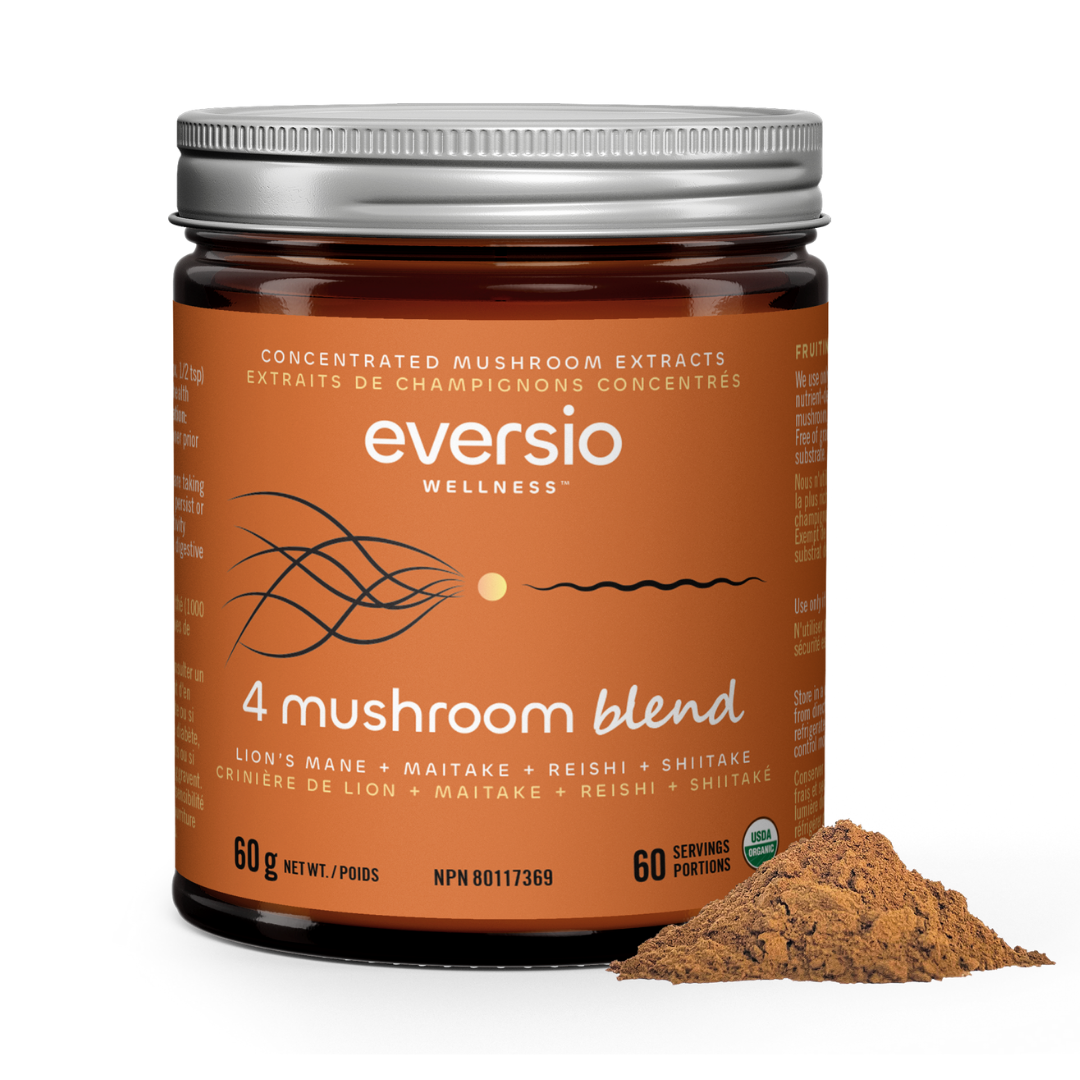
Of the mushrooms studied for selenium content, shiitake was found to be among the highest. And here's the thing I love about this: shiitake mushrooms are delicious, they're accessible (Costco carries organic certified shiitake most of the year), and they're affordable. This isn't exotic medicine. This is lunch.
But does it actually work? Is food really medicine? Hippocrates thought so, and now we have data to back it up.

The Study That Stopped Me in My Tracks
A large prospective cohort study followed 6,631 participants and looked specifically at the relationship between eating edible mushrooms and subclinical thyroid dysfunction (which means suspected thyroid issues that haven't yet shown up definitively on lab work, the very category where conventional medicine often says "we'll just watch and wait").
The finding? People who ate mushrooms four times per week had a 70% lower risk of developing subclinical hypothyroidism.
Seventy percent. From eating mushrooms four times a week.
I want you to let that sink in. Because nobody is talking about this. Your doctor didn't mention it at your last physical. It's not on the pamphlet in the waiting room. But 6,000 people participated in a study that showed a 70% risk reduction from a food that is cheap, delicious, and available at your local grocery store.
Whether you already have thyroid issues or you're being proactive, this is one of the simplest things you can do. Four times a week. Put mushrooms on your plate.
One important note for anyone taking mushroom supplements rather than eating them as food: the selenium content of a mushroom supplement depends heavily on how the mushrooms were grown. Shiitake mushrooms grow naturally on hardwood, and that hardwood contains the precursors that build selenium inside the mushroom. If a supplement wasn't made from mushrooms grown on wood (their natural substrate), you're likely missing a lot of what makes them therapeutically valuable. Quality matters enormously here.

Friendly Fire: When Your Immune System Attacks Your Thyroid
Here is something that I think changes the whole framing of thyroid health: most thyroid dysfunction is actually an immune system problem.
Conditions like Hashimoto's thyroiditis and Graves' disease are autoimmune conditions. That means the immune system, which is supposed to protect you, gets confused and starts attacking your own thyroid tissue. In Hashimoto's (the autoimmune version of hypothyroidism), the immune system creates antibodies that essentially wage a relentless internal assault on the thyroid gland.
When I connected this to what I know about my own health story, which has always been rooted in autoimmunity, it all made so much more sense.
The conventional medical response to autoimmune thyroid disease typically focuses on replacing the hormones being destroyed, but it completely ignores the immune system that's doing the destroying. It's like bailing water out of a boat while the hole is still wide open.
This is where cordyceps mushrooms come in, and this one genuinely surprised me.
We talk about cordyceps constantly in our community, but we talk about it for energy, endurance, stamina, libido, lung health. Dr. Des used to deal with asthma as a child and cordyceps was part of what helped her. I had never really connected cordyceps to thyroid health specifically until I found this research.

The Cordyceps Clinical Trial That's Matching Pharmaceutical Results
A human clinical trial (yes, in actual humans, which I always want to make clear because so much supplement research is done in petri dishes or mice) looked at patients with Hashimoto's and Graves' disease taking cordyceps.
The finding: cordyceps reduced thyroid antibodies by up to 51%.
This is matching or beating conventional medications in some groups. Medications that people are taking every day, that their doctors have never questioned, that don't address the root cause. And cordyceps, this mushroom that we've already been taking for energy and endurance, is quietly reducing the very antibodies responsible for the autoimmune attack on the thyroid.
What's important to understand here is that cordyceps isn't just stimulating the immune system. All functional mushrooms are immunomodulators, meaning they don't simply boost or suppress. They regulate. They read the room and respond accordingly. In this case, cordyceps is coming in to calm and retrain a hyperactive immune system that has lost its sense of direction.
Read about the clinical trial, here.
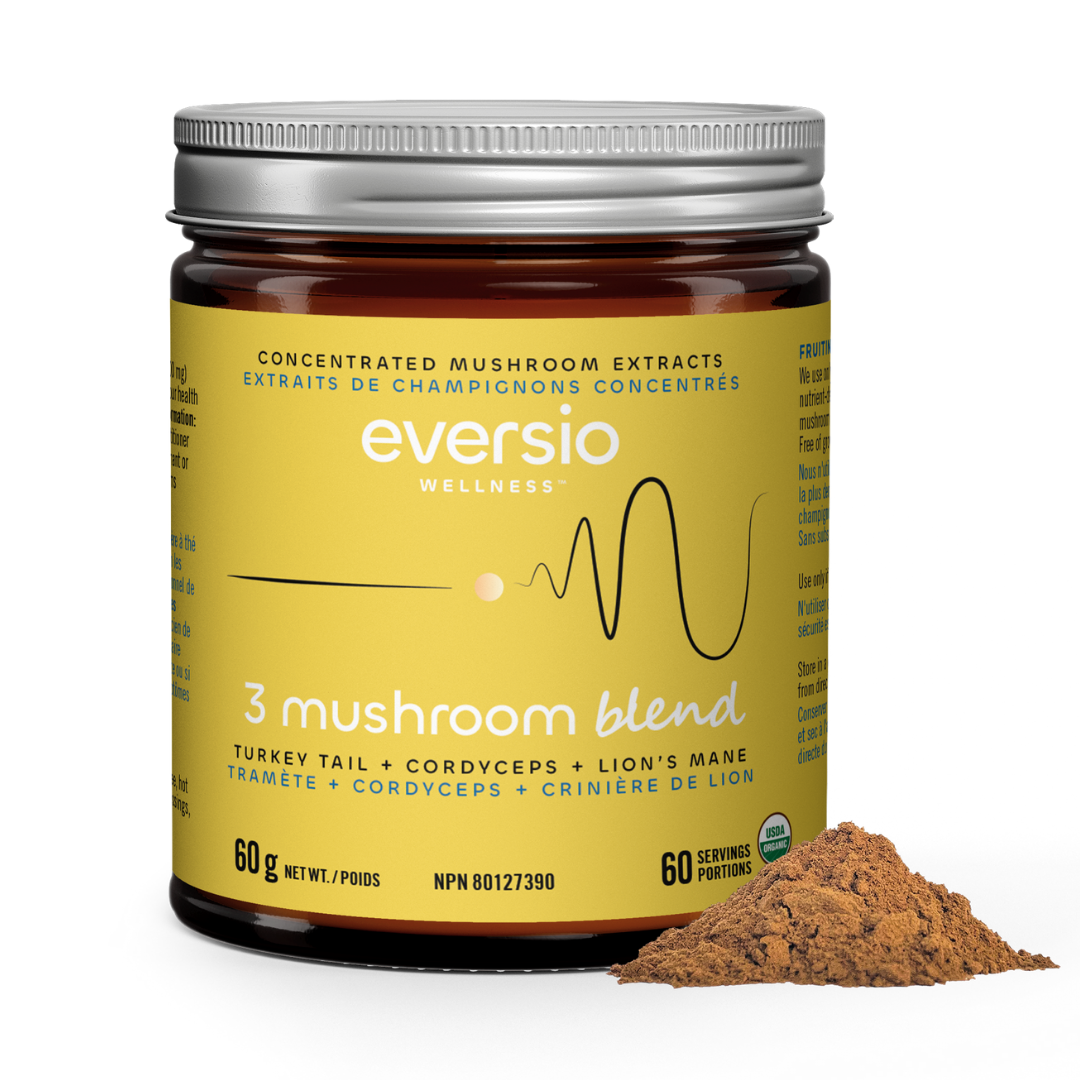
Unlike shiitake, you probably won't find cordyceps on the menu at your regular restaurant (though I have seen some San Francisco restaurants use them in creative ways). For most people, cordyceps will come in supplement form: typically an extract made from cordyceps militaris, harvested from its growing substrate, then dried and concentrated into powder or capsules.

Internal Fire: Cooling the Thyroid Inflammation Left Behind
Even when the autoimmune attack is addressed, the thyroid tissue can be left in a state of severe inflammation. Chronic inflammation damages the cellular machinery of the organ, leaving it hot, exhausted, and unable to function normally. And this is something I see in so many health conditions: you address the root cause, you think you've handled it, but the inflammation lingers. The body is still trying to talk to you.
This is where lion's mane comes in as what I think of as the cooling mushroom.
Lion's mane works by activating specific immune-regulating cells called dendritic cells. Think of it as dropping a biological cooling blanket over the inflamed organ. By deeply lowering tissue inflammation, lion's mane gives the thyroid the rest it needs to begin recovery and start resuming normal hormone output.
I already love lion's mane for brain inflammation and cognitive support, which we've talked about extensively, (especially in this episode, ifykyk). Seeing it show up in thyroid research as an anti-inflammatory was a natural extension of what we already know it does.
In practice, Dr. Des suggests thinking of lion's mane as something you'd use alongside or after addressing the immune system component with cordyceps, layering these tools intentionally based on where you are in your healing journey.

Reishi: The Adaptogen That Addresses the Stress Root Cause
I keep saying it, and I'll keep saying it until everyone believes me: stress is at the root of so much dysfunction and disease. Or dis-ease, as some people say.
A 2018 study looked specifically at reishi mushroom polysaccharides and their effect on specific immune cell ratios: TH1 vs TH2, and TH17 vs T regulatory cells. Without getting too deep into the immunology (that's what Dr. Des is for), what matters is that specific autoimmune conditions have specific patterns in these ratios. To suppress autoimmunity, you want more T regulatory cells and fewer TH17 cells.
Reishi helped modulate exactly that balance.
This is the essence of what makes functional mushrooms different from pharmaceuticals. They don't override the system. They communicate with it, read it, and help it find its way back to homeostasis.
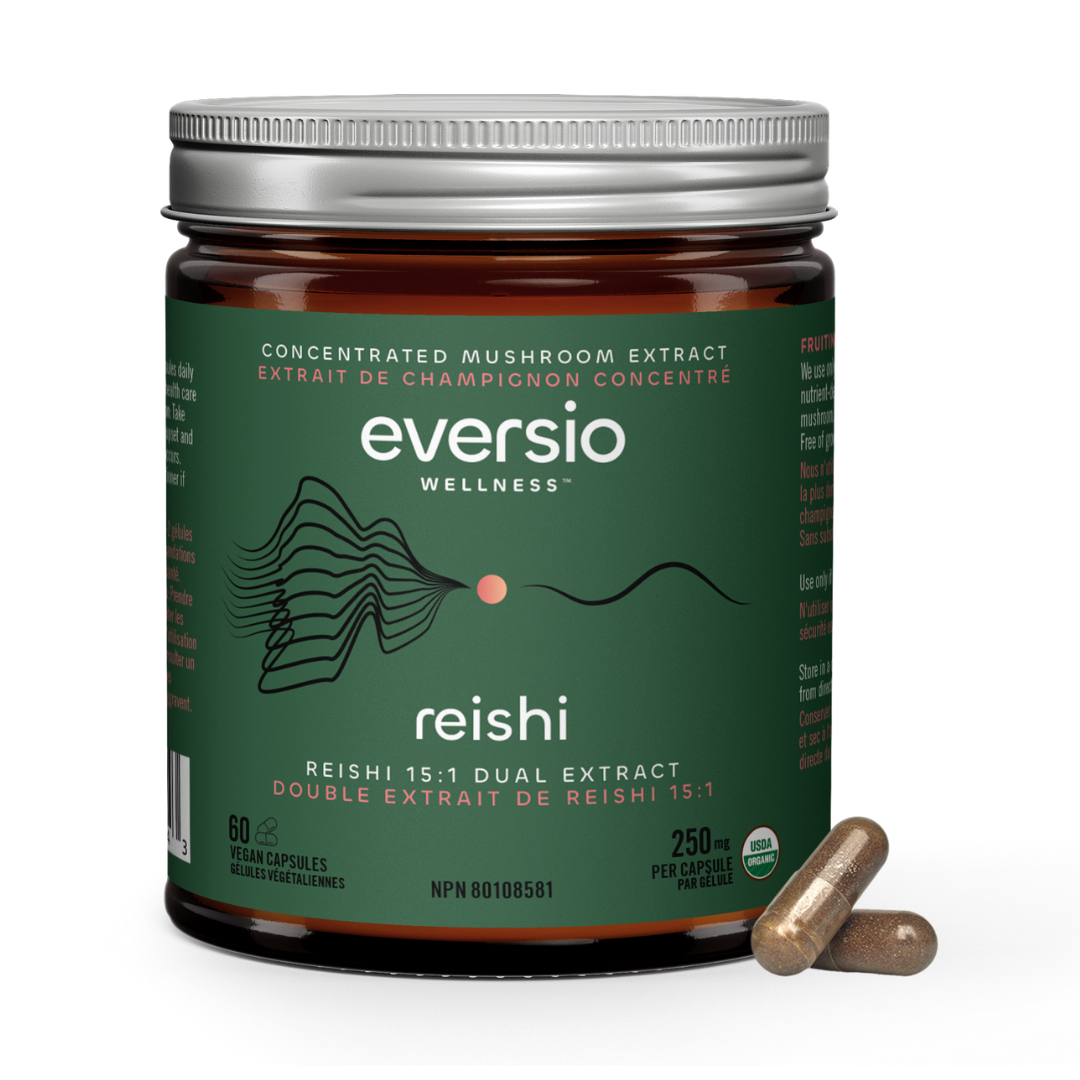
Reishi is also the truest adaptogen in our mushroom toolkit. Adaptogens help the body adapt to stress, whether physical, emotional, or environmental. And high stress levels have been shown to predispose people to the development of Hashimoto's thyroiditis and Graves' disease. That link between stress and autoimmune thyroid disease is real, and reishi addresses it at a root level.
Read the study, here.
I call reishi herbal yoga. When I take it, there's a calm, zen contentedness that settles not just in my mind but in my body. And I've noticed in my own life: as soon as I sense stress coming, whether it's a family member who's unwell, travel, anything that's going to ask more of my nervous system, I start taking more reishi. I add it in the morning. I double up in the evening. I take it with my magnesium before bed.
The irony of chronic stress is that it's become so normalized in our society that most people don't recognize how high their physiological stress level actually is. Your mind might not feel as stressed as you've ever been, but if your body has been managing a heavy load over time, it's predisposed to breakdown. That's not weakness. That's biology.

Two Paths Forward (And What I Choose Every Time)
So here's where we land. If you're dealing with thyroid concerns, or you love someone who is, there are essentially two paths.
The conventional path gives you synthetic hormone replacement. It manages the symptoms, and for many people it provides real relief in the short term. I understand that, and I respect it. I took a pharmaceutical drug for over ten years because it worked. But the conventional path also ignores why the hormone is missing. It doesn't address the immune confusion. It doesn't calm the inflammation. It doesn't patch the hole. It just keeps refilling the bucket.
The mushroom path is about fixing the engine:
- Eating shiitake and other selenium-rich mushrooms regularly to support T4-to-T3 conversion and reduce thyroid dysfunction risk by up to 70%.
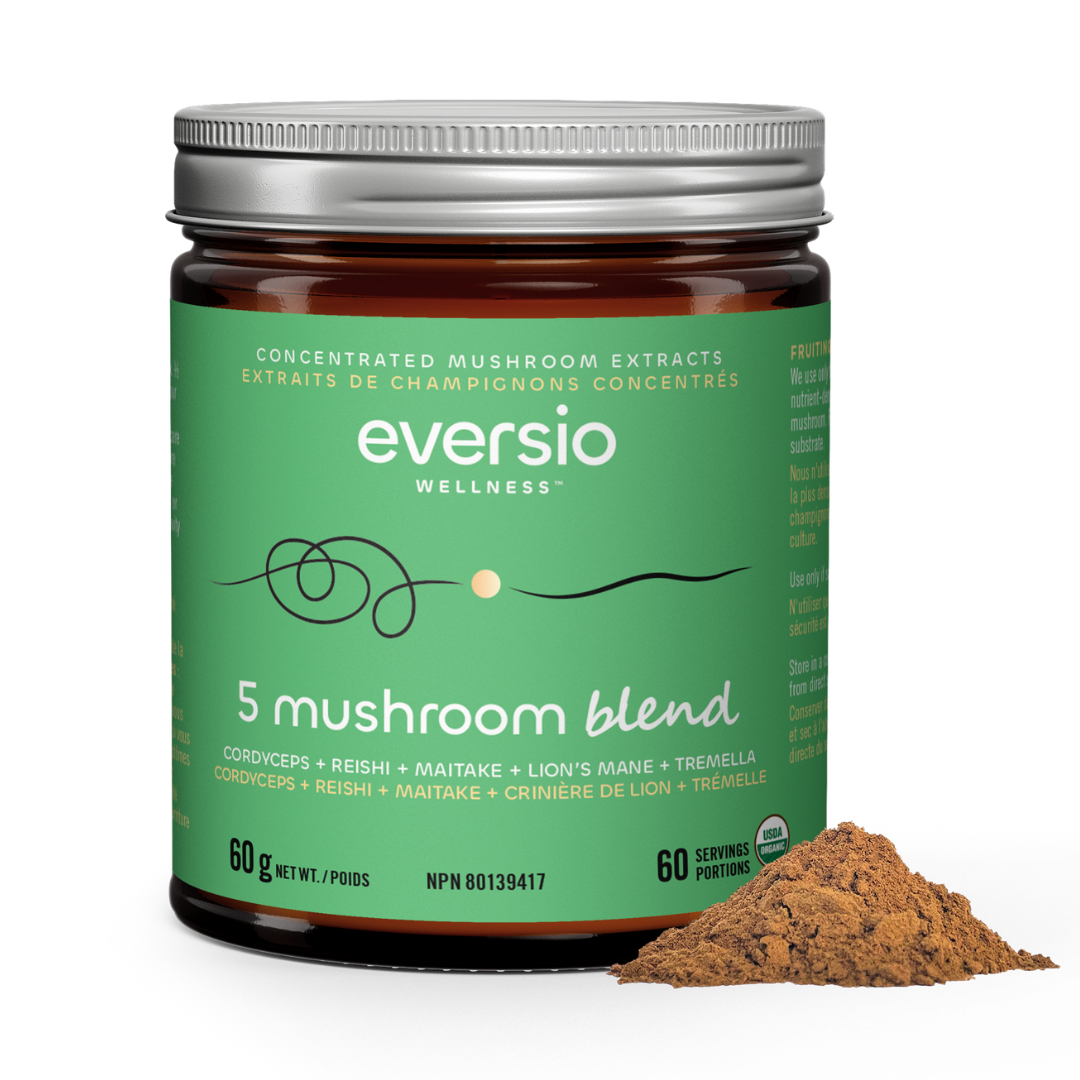
- Using cordyceps to calm the autoimmune misfiring and reduce thyroid antibodies by up to 51%.
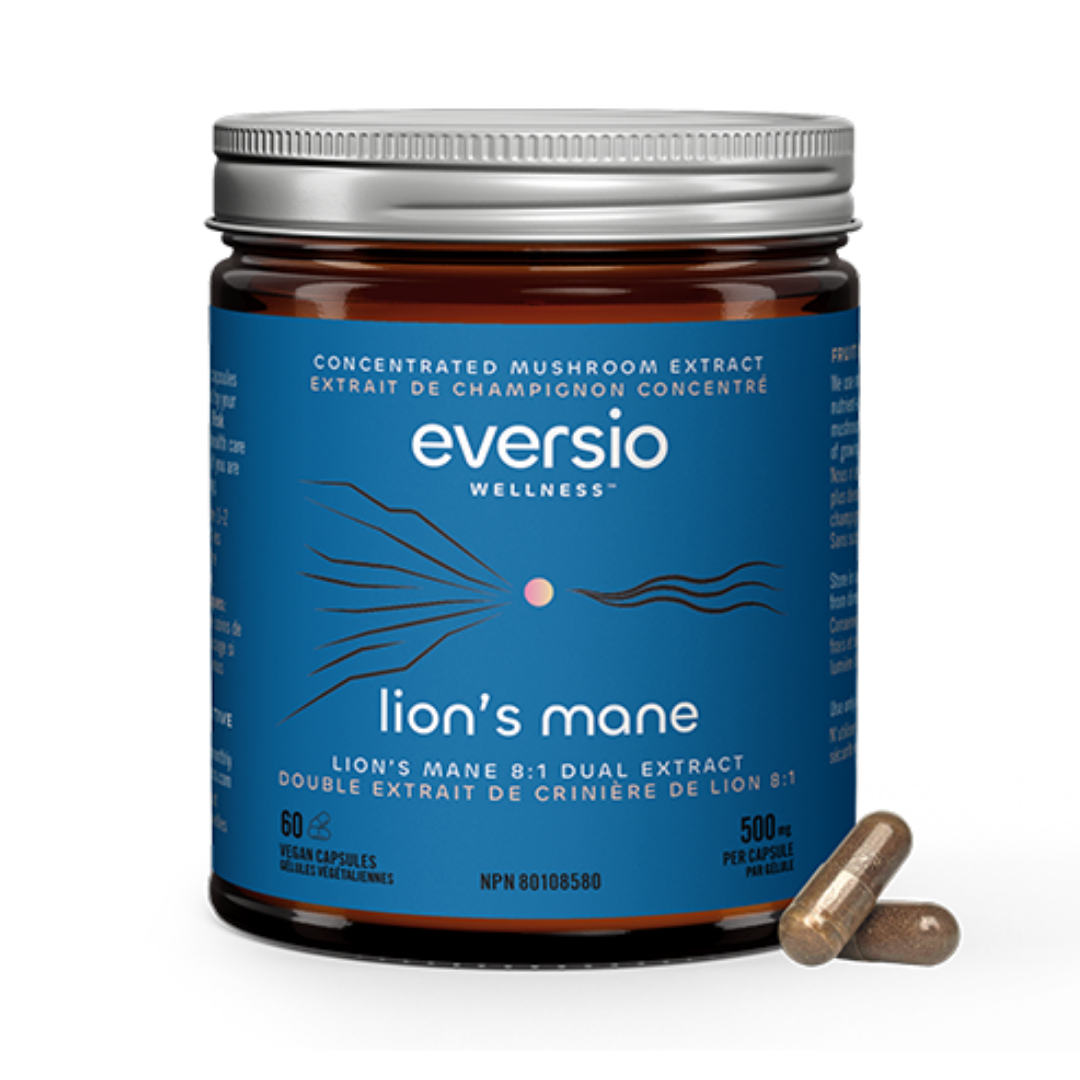
- Using lion's mane to cool the chronic inflammation left behind in the thyroid tissue.
- Using reishi to address the stress and immune dysregulation that predisposed the system to break down in the first place.
This isn't rocket science. It isn't replacing your doctor. It's healing the terrain so that your body can do what it already knows how to do.
If you're just starting out and not sure where to begin, our Mushroom Wellness Quiz is a great place to start. It can help you figure out which mushrooms make the most sense for where you are right now.
One Last Thing Dr. Des Said That I Can't Stop Thinking About
At the end of our podcast episode, Dr. Des offered something that felt like it went beyond the science. The thyroid sits at the throat. The throat energy center, in a lot of traditional frameworks, is associated with speaking your truth, with authentic self-expression.
And she asked: are you someone who consistently holds back what you really want to say? Who shows up differently than how you actually feel? Who has something to express but hasn't taken that step?
I don't know if that resonates with you. But I've been sitting with it. Because we've all felt that lump in the throat. And that is literally where the thyroid sits.
Maybe what your body is trying to tell you goes deeper than a hormone panel can show.









Leave a comment
All comments are moderated before being published.
This site is protected by hCaptcha and the hCaptcha Privacy Policy and Terms of Service apply.