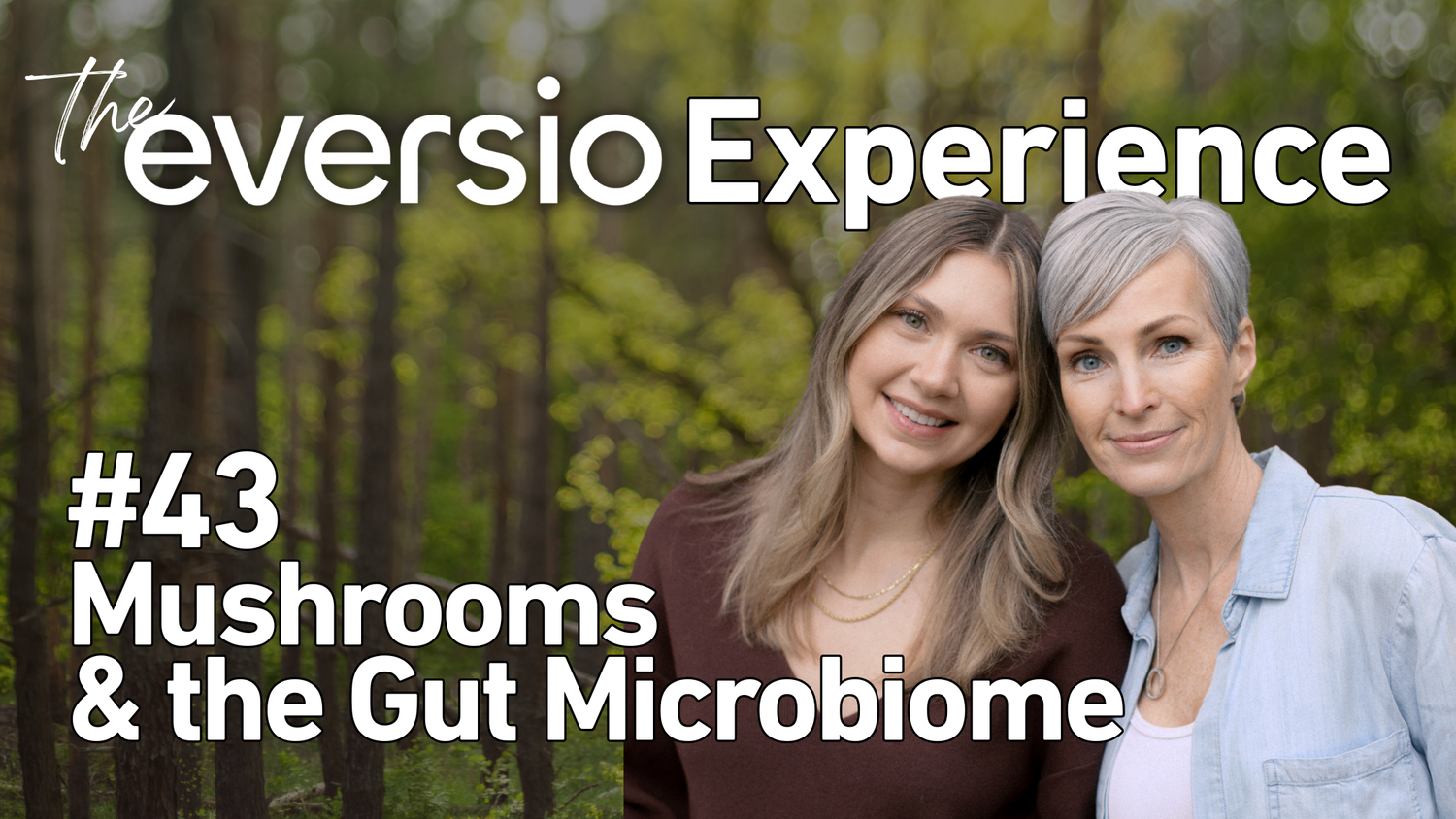


I have to start where my mushroom heart always wants to begin: the ancient world. Because here is the thing about fungi that never stops humbling me. They have been on this planet for millions of years. Long before us. Long before language. And yet, carved into ancient stone structures sitting in museums around the world, there they are. Mushrooms. Recognized, revered, consumed.
Hippocrates said it in 440 BC: let food be thy medicine and let thy medicine be food. I genuinely believe he was talking about mushrooms. Because that is exactly what they are. They are food and they are medicine, and we should think of them as both.
Today, if you head over to PubMed and search "medicinal mushrooms," you will find 7,935 papers. Over 40 clinical trial-supported indications. Covering everything from allergies and anxiety to sleep disorders and everything in between. So if you have a healthcare practitioner who still says there is no research on mushrooms, gently point them in that direction.
But today's deep dive is about something that sits at the very foundation of everything: your gut. Specifically, how mushroom polysaccharides are engineering a healthier gut microbiome from the inside out. Buckle up, because we are getting delightfully nerdy.

Chapter 1: Your Gut Is a Hidden Metabolic Organ (And It Is Running the Show)
The gut microbiome. You have heard these words. But let me tell you what they actually mean, because understanding this changes everything.
Your gut hosts somewhere between 10 and 100 trillion microbial cells. It is such a powerful, influential system that scientists now refer to it as a hidden metabolic organ. This is not just about digestion. Your gut is shaping your immune responses, protecting you from pathogens, synthesizing essential vitamins, and breaking down non-digestible dietary components like polysaccharides and polyphenols. It is influencing your nervous system. It is, in very real terms, running a significant part of your entire body.
What affects your gut? There are factors we cannot control: age, ethnicity, genetics. But there are also factors we have tremendous power over every single day.
What we eat.
How we move.
Where we live.
Our stress levels.
Whether we have taken antibiotics.
These external factors are where we have agency. And that is exciting.
When balance is disrupted, we enter what is called dysbiosis. A disruption of the gut's microbial equilibrium. Dysbiosis is strongly linked to a rising wave of gastrointestinal illnesses and metabolic disorders, including obesity and type 2 diabetes.
The opposite of dysbiosis? Eubiosis. Think of the word eustress. We know not all stress is bad. Eustress is the kind that keeps our nervous system sharp and adaptive. Eubiosis is that same principle applied to your gut. It is when your bacteria, fungi, and other microbes are in a stable, diverse, well-functioning ecosystem, supporting digestion, immune function, nutrient absorption, inflammation balance, and mood and brain health.
A thriving gut microbiome is the foundation of thriving health. Full stop.

Chapter 2: The Leaky Gut to Insulin Resistance Pipeline (And Why It Starts With What You Eat)
Here is something I want every person to understand, because it connects so many dots.
A diet high in fat is a primary driver of dysbiosis. And here is the cascade that follows. First, dysbiosis damages the integrity of the gut's epithelial wall. This creates what we call intestinal permeability, or leaky gut. There is literally a break in the barrier.
When that barrier is compromised, bacterial endotoxins called lipopolysaccharides (LPS) can move into the bloodstream. If you have been listening to gut health conversations lately, you have probably heard about LPS. Gastroenterologists and functional medicine practitioners are pointing to these as the real villains in the metabolic disease story. Reducing their levels in the blood is a powerful path to better health across the board.
When LPS enter the bloodstream, we enter what is called metabolic endotoxemia. The body responds with a chronic, low-grade inflammatory response. Inflammatory cytokines like tumor necrosis factor and IL-6 start activating, creating inflammation where we do not need it. Eventually, the TLR4 pathway is activated, unleashing a pro-inflammatory cascade that is now understood to be a leading cause of tissue-specific insulin resistance and the development of type 2 diabetes.
Leaky gut. LPS in the blood. Chronic inflammation. Insulin resistance. It is a pipeline, and it starts with dysbiosis. So where do mushrooms come in? Right at the beginning. At the root.

Chapter 3: Mushroom Polysaccharides, the Prebiotic Power You Have Been Missing
Most of us know about probiotics. The good bacteria. Many people take a probiotic supplement every day. But here is what I want you to understand: you were born with a community of healthy microbes. Your whole life, every time you ate plants and fungi, you were feeding them, whether you knew it or not.
Prebiotics are simply food for your good bacteria. And mushroom polysaccharides are one of the most powerful and structurally unique prebiotics on the planet.
Edible mushrooms are a rich source of bioactive macromolecules called polysaccharides. These compounds function as powerful prebiotics, selectively fueling the beneficial microbes in your gut. But here is what makes them different from plant-based prebiotics: their molecular structure is entirely distinct. Fungal polysaccharides are compositionally unique. You simply cannot get them from plants alone.
We talk about diversity all the time in gut health. It is not just about eating healthy. It is about eating a wide variety of healthy things. If spinach is the only vegetable you eat, you are only feeding the microbes that love spinach. The microbes that thrive on mushrooms? They are going hungry. Over time, those colonies decline. And a less diverse microbiome is a less resilient one.
We often hear the goal of eating 30 different plants per week. That is a great target. But fungal polysaccharides give us something genuinely different, something we simply cannot replace with plants alone. Adding functional mushrooms to your daily routine is not redundant with eating a fiber-rich diet. It is additive.

Chapter 4: The Beta-Glucan Blueprint (Why Molecular Structure Is Everything)
When we look at Eversio products, we are always looking for beta-glucans. These are complex polymers that our own digestive enzymes cannot break down. And that is a feature, not a bug.
Because they resist digestion, mushroom polysaccharides arrive in the colon largely intact. And that is where the magic happens. The colon is home to a vast microbial community that has been waiting for exactly this.
Beta-glucans, specifically beta-D-glucans, are the most promising mushroom polysaccharides. Their specific glycosidic bonds and spatial structure make them potent biological response modifiers. They stimulate immune cells like phagocytes and T cells. Structure dictates function, always.
A few key properties worth knowing. The glycosidic linkage: the beta configuration is crucial for biological effects. Molecular weight: higher molecular weight polysaccharides, greater than 90 kilodaltons, are associated with superior bioactivity. This is why sourcing and extraction method matter enormously in mushroom supplements.
Then there is the triple helix advantage. Only polysaccharides with a sufficiently high molecular weight can form a stable triple helix configuration. This shape appears to enhance anti-cancer and immunomodulatory efficacy. And here is the part that still gives me chills: our DNA is also a triple helix. We are more connected to the fungal kingdom than most people realize.
🔗 Check out our Certificate of Analyses

Chapter 5: How Your Gut Bacteria Unlock the Power of Mushrooms
Here is where the alchemy happens.
Your gut microbiota possesses over 260 carbohydrate-active enzymes. Humans have just 17. That is not a typo. Your gut bacteria are equipped to do something you simply cannot do on your own: break down and ferment these complex mushroom polysaccharides.
One particular group of bacteria, the Bacteroidetes phylum, is especially well equipped. They use specialized gene clusters called polysaccharide utilization loci to bind, transport, and degrade complex glycans like mushroom polysaccharides. Bacteroidetes are strongly associated with a healthy microbiome. Feeding them what they love means you are actively cultivating the bacteria that serve you best.
Through this fermentation process, your gut microbes convert mushroom polysaccharides into energy-rich bioactive metabolites called short-chain fatty acids. These short-chain fatty acids reshape your gut environment by lowering the pH of the colon from about 7 to roughly 5.5, creating conditions that favour beneficial bacteria and actively inhibit pathogens.
This is your gut, engineering its own health. You are just giving it the right raw materials.

Chapter 6: Short-Chain Fatty Acids, the Three Metabolites That Change Everything
Let's talk about the three main short-chain fatty acids your gut produces from mushroom polysaccharides, because each one deserves its own moment.
Acetate: The Most Abundant and the Barrier Rebuilder
Acetate is the most abundant short-chain fatty acid. It is transported to the liver for lipid metabolism and is also metabolized in peripheral tissues including muscle, heart, and brain. Most importantly, it stimulates the NLRP3 inflammasome, which helps improve gut barrier integrity. Acetate is actively patching the leak.
Propionate: The Metabolic Modulator
Propionate is where the metabolic magic lives. It enhances insulin sensitivity and metabolic homeostasis. It lowers liver triglycerides. This is exactly why we see functional mushrooms supporting healthy cholesterol and triglyceride levels. Propionate also has anti-inflammatory and anti-cholesterol properties, making it one of the most clinically significant short-chain fatty acids for metabolic health.
Butyrate: The Colon's Guardian
Butyrate is the primary energy source for colonocytes, the cells of your colon. It is what literally feeds your colon wall. Researchers are postulating that people eating the standard American diet do not produce enough butyrate, and this may be contributing to increased rates of colon cancer in younger generations.
Butyrate also maintains gut barrier integrity, exhibits powerful anti-inflammatory and antioxidant properties, and has demonstrated anti-obesity effects.
Here is something I love to share: you do not need to take a butyrate supplement. Your body makes it. You just have to feed your gut the right food, and it will produce butyrate for you in exactly the ratio and amount that is right for you. Mother Nature already solved this. We just have to stop getting in her way.
Chapter 7: The Mushrooms That Move the Needle on Gut Health

Reishi: The Gut-Healing Legacy Mushroom
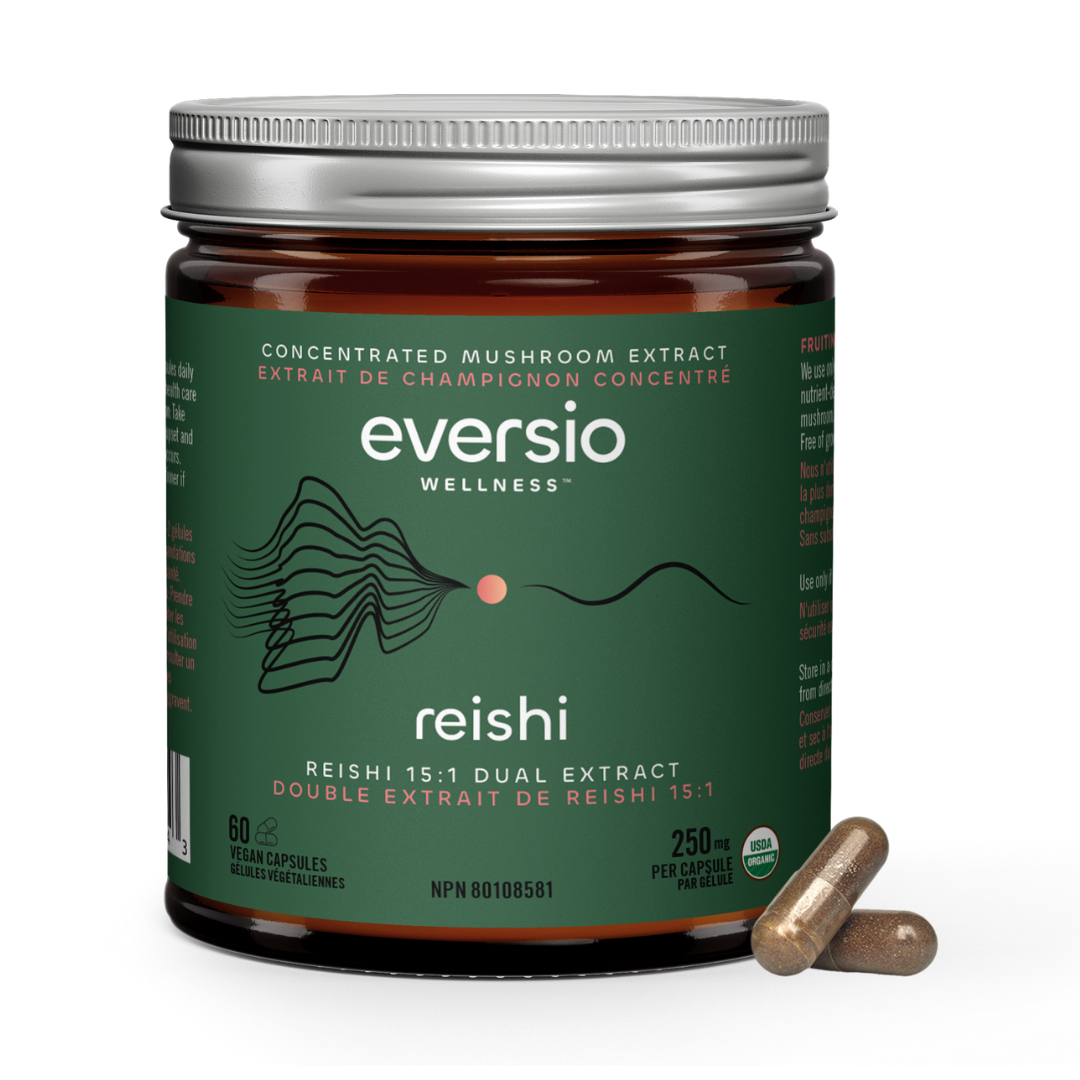
Reishi, known scientifically as Ganoderma lucidum, has been used in traditional medicine for millennia to promote health and longevity. And modern science is showing us exactly why.
Water extracts of reishi have been shown to reduce weight gain, fat mass, and inflammation in high-fat diet mouse models by modulating the gut flora. In research, when metabolic disease was induced in mice and reishi extract was introduced, the consistent results were weight loss, reduced fat mass, and lower inflammation.
Reishi boosts beneficial bacteria, reduces the ratio of gut bacteria associated with metabolic disease, and increases production of short-chain fatty acids including acetate and butyrate. These changes are directly linked to reduced lipopolysaccharide concentrations and inhibition of the TLR4 inflammatory pathway in the liver.
So if you are taking reishi for sleep or nervous system support, a healthier gut is the beautiful bonus you may not have known was happening in the background.

Cordyceps: Not Just for Energy and Endurance
We typically talk about cordyceps for energy, endurance, stamina, and even reproductive health. Gut health does not always come up. But the research is compelling.
Polysaccharides from Cordyceps militaris have been shown to prevent obesity in high-fat diet mouse models by modulating gut microbiota and their metabolites. Studies show meaningful shifts in bacterial populations, with increases in beneficial genera like Bifidobacterium. You know Bifidobacterium. It is in almost every probiotic product on the market. But here, consuming cordyceps helps you cultivate more of your own native Bifidobacterium naturally.
Cordyceps militaris has also been shown to enhance intestinal barrier function through physical, biochemical, and immunological mechanisms. This was demonstrated in pig models, whose gut profile is remarkably similar to ours.
Porcini: The Longevity Mushroom of the Italian Table
If you are Italian or have Italian friends or family, you know porcini. It is a staple of the table. And when we look at epidemiological data on longevity across populations, the Italian people consistently rank among the longest-lived on the planet. We believe their mushroom consumption, and specifically their love of porcini, is a significant contributing factor.
In vitro studies showed that porcini polysaccharides were readily fermented by gut microbiota from both lean and obese individuals, with significant increases in short-chain fatty acid production. Porcini also promotes the growth of beneficial lactic acid bacteria. In animal models of type 2 diabetes, porcini polysaccharides reduced oxidative stress in the liver.
And yet here in Canada, porcini is still not officially recognized as a medicinal mushroom. That is something we are working to change.

Chapter 8: The Next Frontier, Mushroom MicroRNAs and Cross-Kingdom Communication
This is the part that makes me feel like we are living in the future.
Beyond polysaccharides, recent research has uncovered hidden nutrients in mushrooms called microRNAs. These are small, non-coding RNA molecules that may be absorbed by the host and directly regulate human gene expression. Let that land for a moment. The mushroom you eat may be communicating with your DNA.
These mushroom-derived microRNAs are packaged in exosome-like nanoparticles, similar to how plant microRNAs are protected from the digestive environment. These vesicles allow the microRNAs to travel intact through the acidic conditions of the digestive tract and reach their targets further along in the gastrointestinal system.
Researchers now believe these microRNAs may work synergistically with other bioactive compounds to enhance therapeutic benefits. This is one of the strongest scientific arguments for whole food extracts over isolated supplements. Not because isolated compounds are bad, but because when you isolate a single molecule, you leave behind everything Mother Nature designed to work alongside it.
We saw this demonstrated powerfully with cordyceps. When researchers used the whole fruiting body and stroma, the effects were significant. When they isolated cordycepin, the molecule credited with much of cordyceps' benefit, and tested it alone, it produced the opposite effect. The entourage matters. The whole is more than the sum of its parts.
This is why our extracts capture hundreds of compounds working together. That is not a marketing claim. It is biochemistry.
Shiitake Nanoparticles and Liver Protection: A Landmark Study
One groundbreaking study tested exosome-like nanoparticles extracted from shiitake mushrooms on mice with acute liver injury. The result was significant hepatic protection. The nanoparticles inhibited the secretion of inflammatory cytokines and reduced the expression of the NLRP3 inflammasome.
The crucial detail: researchers confirmed this effect was not due to lentinan, the well-known polysaccharide from shiitake. It was other bioactive molecules within the nanoparticles, likely microRNAs, that were responsible for the gene-regulating effect. This opens the door to a whole new class of mushroom-based therapeutics for inflammation-related diseases. The research is only getting started.

Bringing It All Together: Engineering a Resilient Gut Ecosystem With Functional Mushrooms
Here is the big idea, and I want you to sit with it.
Mushrooms offer us a prebiotic toolkit unlike anything else in the food world. Their indigestible polysaccharides selectively nourish beneficial bacteria. That microbial fermentation produces short-chain fatty acids that strengthen the gut barrier, reduce systemic inflammation, and regulate metabolism. And now we are discovering that their microRNAs may be communicating directly with our genes.
We are not that different from fungi. We share a remarkable amount of DNA with the fungal kingdom. We evolved alongside them. Our bodies developed receptors specifically to recognize and benefit from them. This is not an accident. It is biology.
"The best investment you can make is in your gut."
All health begins there. And so much of what we are managing in modern life, chronic inflammation, metabolic disease, poor energy, disrupted sleep, mood instability, traces back to that root. A healthy gut is not a nice-to-have. It is the foundation.
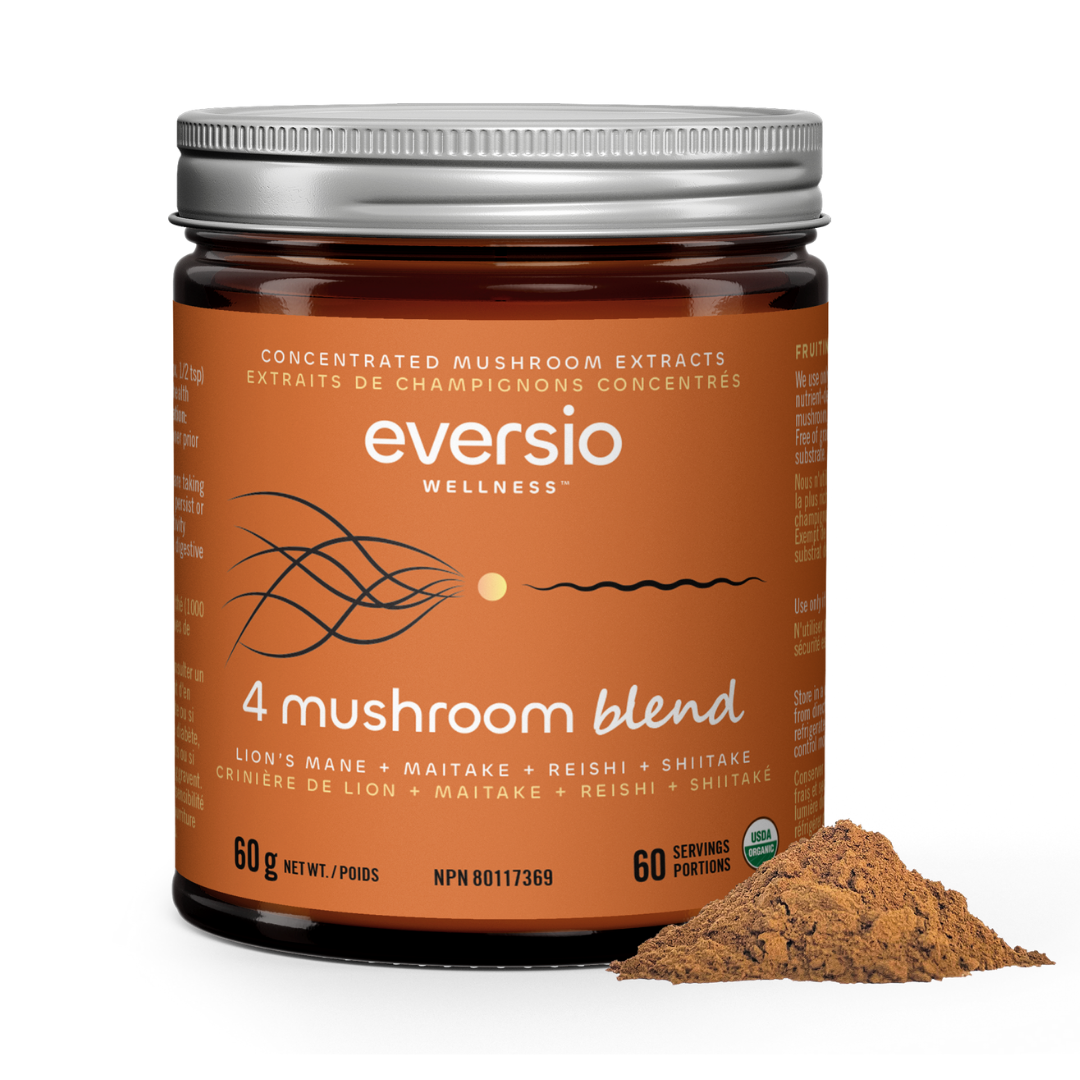
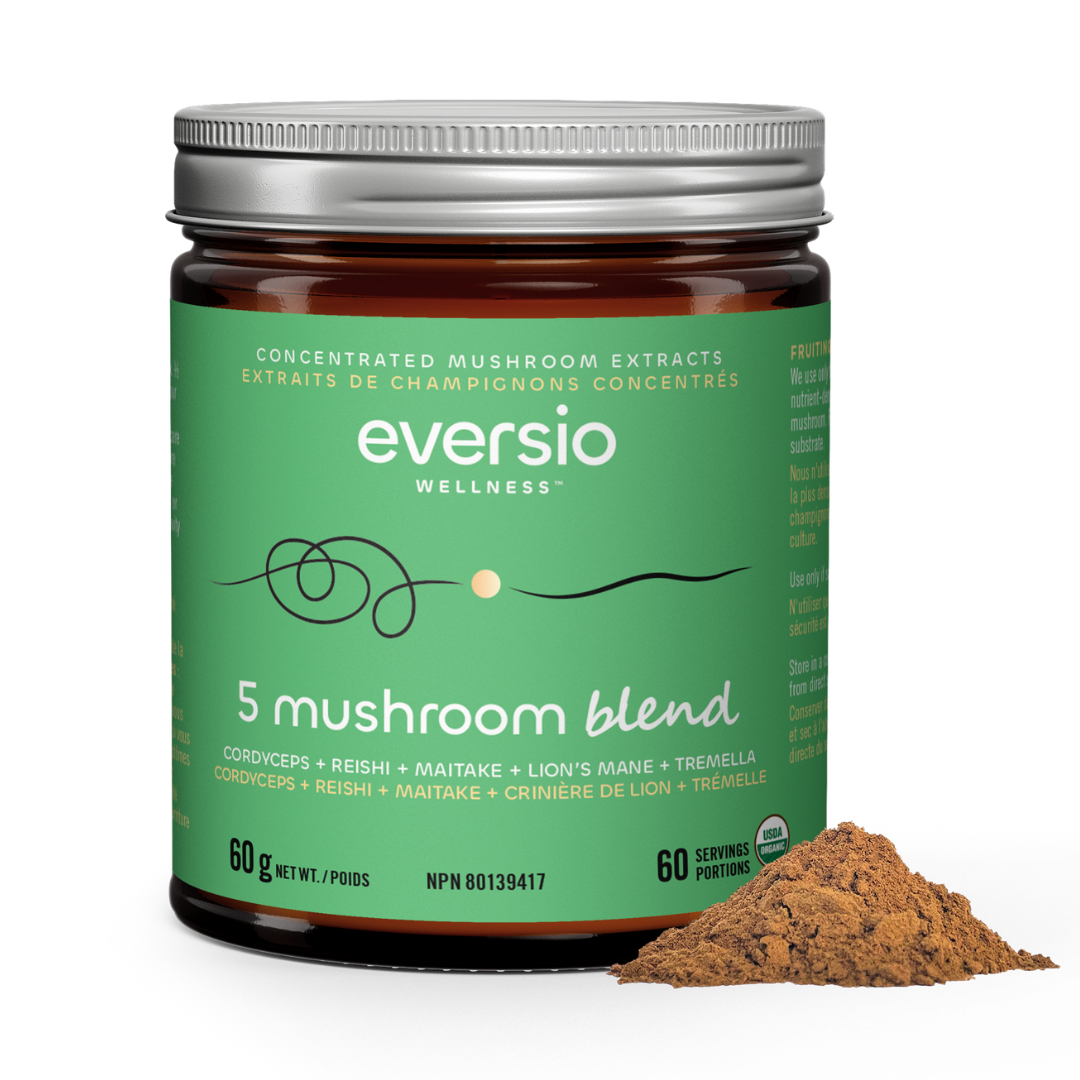
So however you want to get your mushrooms in, a capsule, a powdered extract stirred into your matcha, a functional mushroom coffee blend, or a porcini risotto on Sunday night, know that you are doing something profound for your inner ecosystem. Your gut microbes need to eat just like you do. Feed them well, consistently, and they will take care of the rest.
There is a mushroom for every moment. And I am so grateful you are here for this one.
Sending love and light,
Brandi Garden.







Leave a comment
All comments are moderated before being published.
This site is protected by hCaptcha and the hCaptcha Privacy Policy and Terms of Service apply.