


There's a version of not-quite-okay that doesn't show up on bloodwork.
You're functioning. You're showing up. You're managing the career, the household, the relationships, and the mental load of approximately everything. From the outside, life looks good. But something is still off. You can't name it. You might not even let yourself say it out loud.
It's the 3 pm wall that arrives every single day, even after eight hours of sleep. The irritability doesn't match the situation. The mind that won't stop running inventories at 2 am. The brain fog in a meeting where you used to be sharp. The sense of going through the motions in a life you actually love.
And when you go to your doctor, you're told everything looks normal.
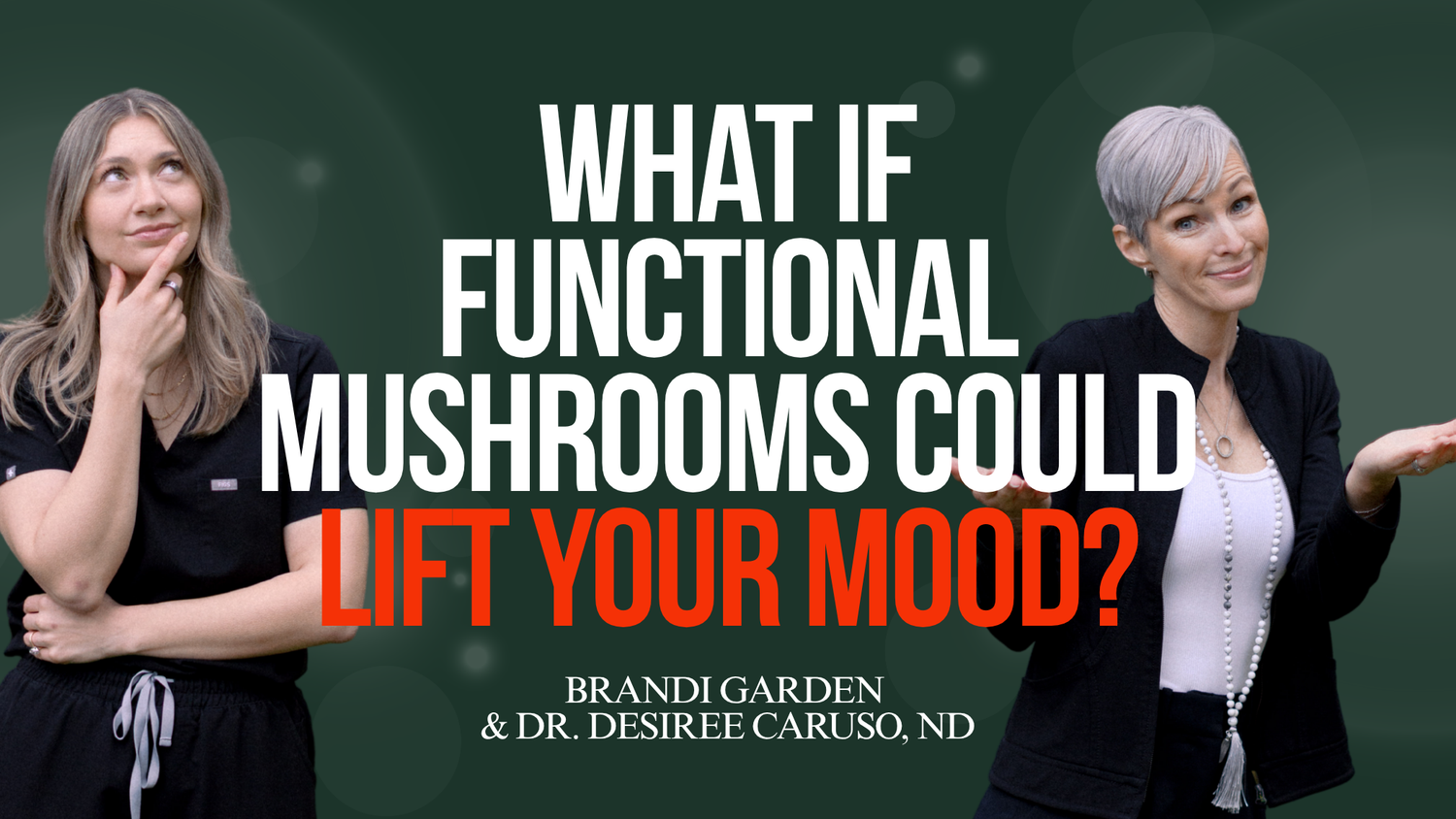
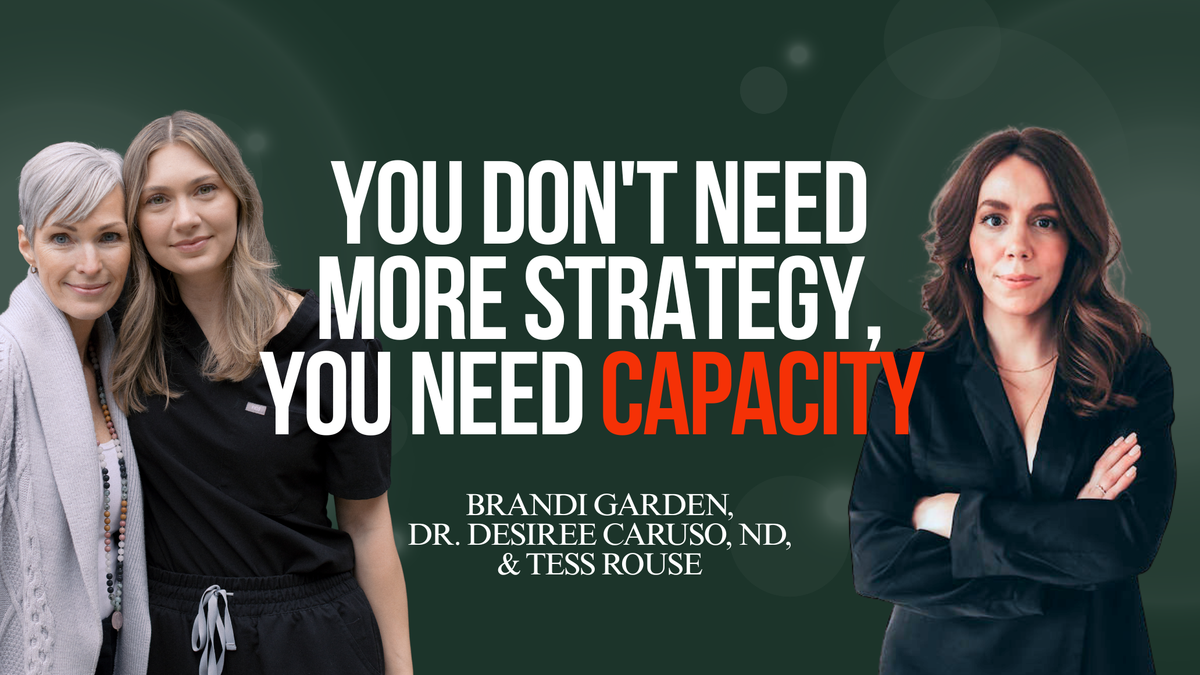
That gap between how you feel and what standard medicine can see is exactly where Episode 57 of The Eversio Experience lives. Brandi Garden and Dr. Desiree Caruso, ND, go into the real biology: why mood is a physiological state, which compounds in lion's mane and reishi interact with that physiology, and what the research actually shows.
Here's what they covered.
Mood Is Not a Feeling. It's a Downstream State.
This is the reframe that the whole episode is built on.
Mood is not something that exists only in your mind. It is downstream of your nervous system, stress hormones, gut, neurochemistry, and brain structure. When those systems are under-supported, the mood reflects it. That means there are biological inputs that can meaningfully change how you feel.
So when you walk out of your doctor's office being told everything is fine, it may simply mean the root is somewhere the standard blood panel isn't looking.

What Lion's Mane Actually Does in Your Brain
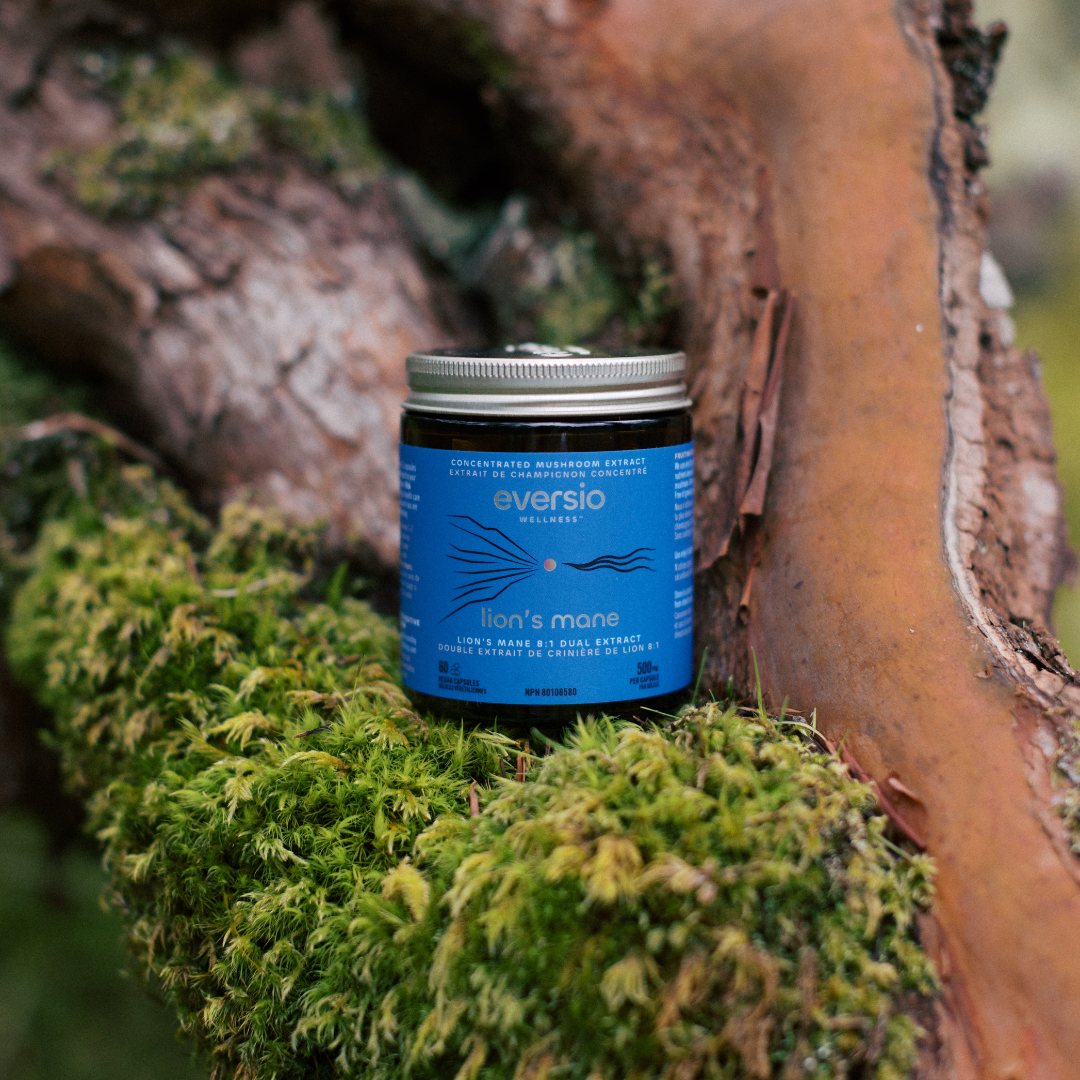
Lion's mane (Hericium erinaceus) contains a class of terpenoid compounds called hericenones, found specifically in the fruiting body. What makes them unusual is that they are lipophilic — fat-soluble — which allows them to cross the blood-brain barrier. Most compounds in the bloodstream cannot do this.
Once across, hericenones stimulate the synthesis of two neurotrophic proteins: nerve growth factor (NGF) and brain-derived neurotrophic factor (BDNF).
BDNF is worth understanding in some depth. One of the leading hypotheses in psychiatry for why antidepressant medications produce their effects is that they may ultimately raise BDNF levels, which promotes neurogenesis — new neuron growth in the hippocampus. Low BDNF is one of the most consistently documented biological markers in people experiencing depression and chronic anxiety.
Lion's mane stimulates BDNF through a different pathway than pharmaceuticals, but the destination is the same.
The human research is still building — no large-scale clinical trials yet, for reasons that have more to do with funding than scientific interest — but early studies consistently point in the same direction:
- A 2019 study in the Journal of Medicinal Food found reductions in depression, anxiety, and sleep disruption after eight weeks of lion's mane supplementation, along with measurable increases in pro-BDNF (a biological marker, not just self-report).
- A separate randomized controlled trial in Biomedical Research found reductions in irritability and anxiety in participants experiencing menopause-related mood disturbances over four weeks.
- A 2023 pilot trial in healthy adults found a trend toward reduced perceived stress after 28 days.
The mechanistic evidence is strong. The human evidence is consistent and growing. For someone experiencing the low-grade flatness, fog, or narrowing of emotional range that doesn't show up in any test, that mechanism is directly relevant.

The Gut-Brain Axis: Where Lion's Mane Does Its Third Job
Approximately 90% of serotonin — the primary mood neurotransmitter — is produced in the gut, not the brain. This means that what's happening in your digestive system is directly related to your emotional state.
Lion's mane contains prebiotic compounds that support the gut microbiome. Research published in Frontiers in Nutrition in 2025 found that lion's mane increases the abundance of short-chain fatty acid-producing bacteria in the gut. Those short-chain fatty acids travel to the brain — either by crossing the blood-brain barrier or through vagus nerve signalling — and directly modulate neuroinflammation and mood circuits.
So lion's mane is working from three directions at once: hericenones crossing the blood-brain barrier to stimulate NGF and BDNF directly; anti-inflammatory and antioxidant effects that reduce neuroinflammation; and gut microbiome support that feeds the mood circuitry via the gut-brain axis.
Think of it less like targeting a symptom and more like upgrading the operating system.

What Reishi Does to Your Stress Response
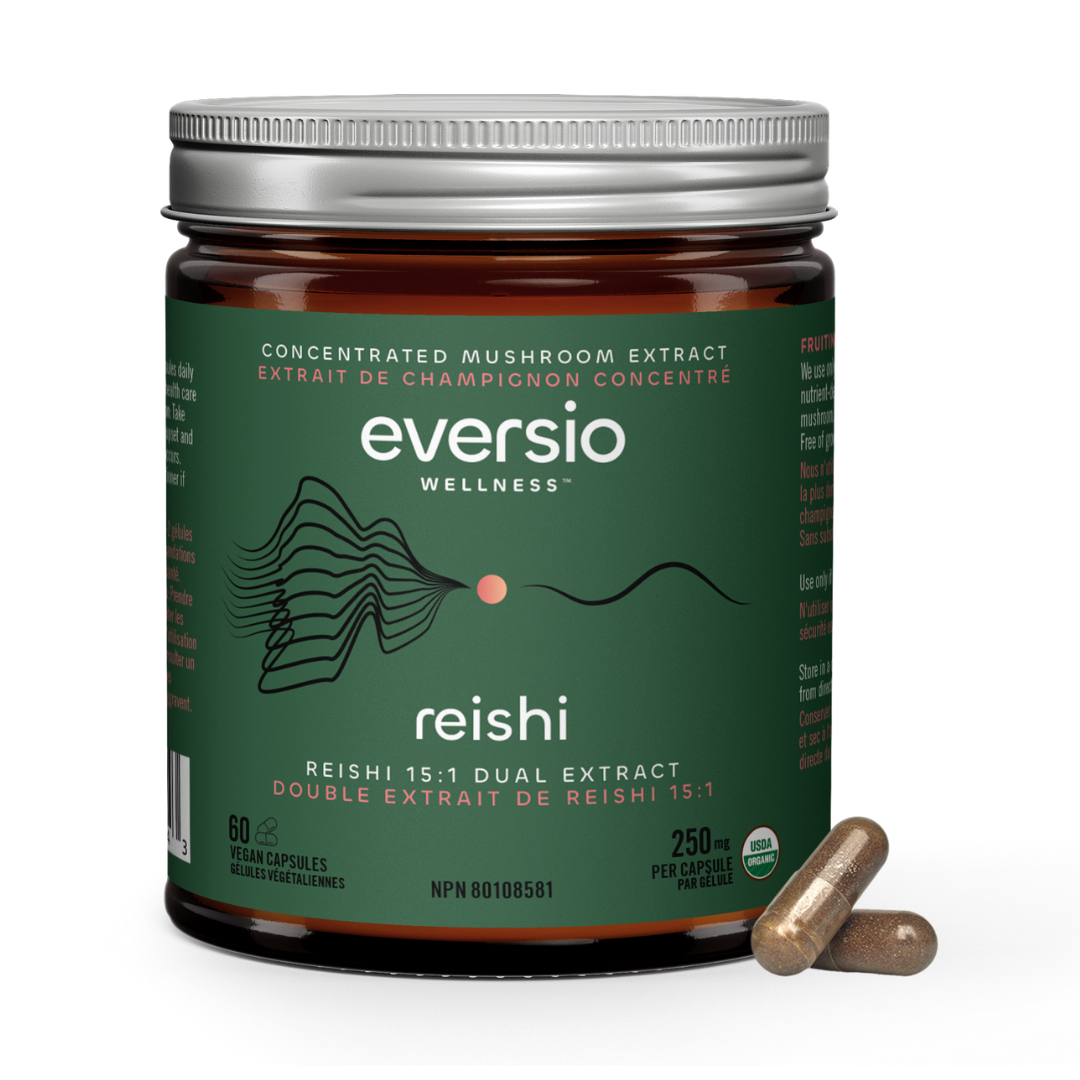
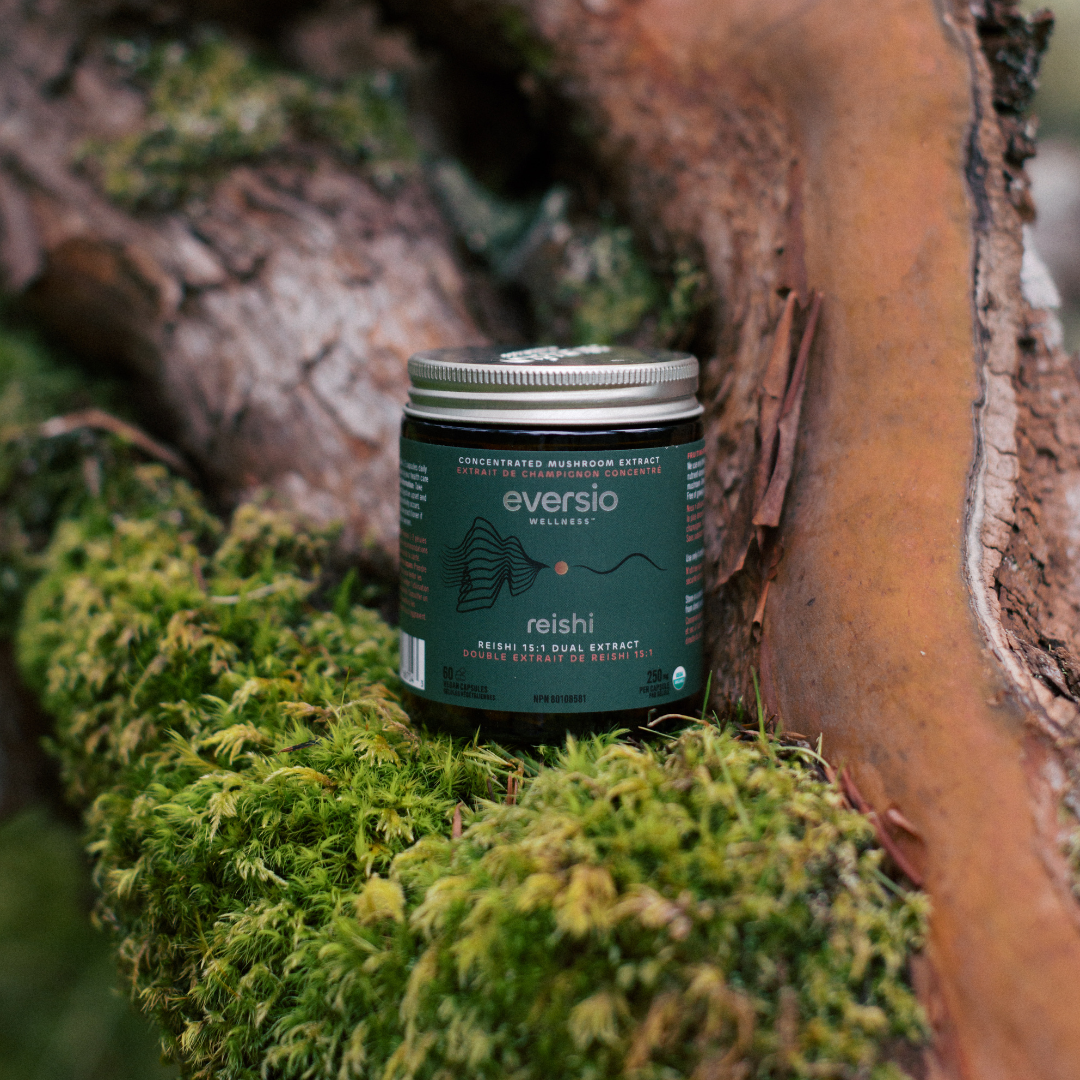
Reishi (Ganoderma lucidum) has been used in traditional Chinese medicine for over 2,000 years, and modern pharmacology is increasingly explaining why. The compounds most relevant to mood are its triterpenes, specifically ganoderic acids A, C, and D.
Like the hericenones in lion's mane, these compounds are lipophilic and can cross the blood-brain barrier. Their primary target is the HPA axis.
HPA stands for hypothalamic-pituitary-adrenal. It is the command center of the stress response. When the brain perceives a threat, the hypothalamus signals the pituitary, which signals the adrenal glands to release cortisol. In a healthy state, cortisol follows a natural rhythm: high in the morning, declining throughout the day, and low at night so sleep can occur.
Chronic stress — and this includes the low-level, ambient stress of modern life, such as rumination and worry without any actual physical threat — can lock that axis into overactivation. Cortisol stays elevated when it should be dropping. The result is anxiety without a clear cause, an inability to wind down, disrupted sleep, emotional reactivity, brain fog, and what Dr. Caruso describes as "a general erosion of the person's felt sense of themselves."
Reishi's ganoderic acids interact with corticotropin-releasing hormone receptors and modulate the hypothalamic signalling that drives cortisol production. They're not suppressing cortisol. They're restoring the rhythm. That bidirectional regulation is what classifies reishi as a true adaptogen.
Reishi and GABA: Why You Feel Calm, Not Sedated
GABA is the brain's primary inhibitory neurotransmitter. It's the signal that says slow down, calm down, we are safe. When GABA signalling is insufficient — as it often is under chronic stress — the nervous system stays in a state of hypervigilance.
Research suggests that reishi's ganoderic acids modulate GABA receptor activity. A 2012 study published in Pharmacology, Biochemistry and Behaviour found that reishi extract produced measurable effects on GABA signalling in the central nervous system, with reductions in anxiety-related brain activity. The effect has been described as directionally similar to how benzodiazepines work, but through a gentle, non-dependency-producing mechanism.
This is why reishi doesn't feel like a sedative. You're not being knocked out. The physiological obstacles to calm are being removed, and your nervous system is doing the rest.
A 2026 randomized controlled trial gave participants a medicinal mushroom blend including reishi for 12 weeks. By week six: significant reductions in anxiety scores and serum cortisol levels. By week 12: measurable reductions in ACTH (the pituitary hormone that triggers cortisol production) and in CRP, a marker of inflammation.

Sleep and Mood: Why You Can't Really Address One Without the Other
Chronically disrupted sleep changes how your brain processes emotional information. The amygdala, the brain's threat detection center, becomes more reactive under sleep deprivation. Emotional volatility increases. Catastrophizing increases. Sensitivity to criticism increases.
Reishi addresses sleep through two of the mechanisms above: normalizing the cortisol rhythm (so cortisol isn't elevated at 11pm when you're trying to wind down) and supporting GABAergic signaling (so the nervous system can actually shift into a restful state). There is also research suggesting that adenosine in reishi extract may support the natural drive toward sleep — the same molecule that accumulates in the brain throughout the day to create sleep pressure.

Which Mushroom Is Right for You?
Dr. Caruso offers a self-diagnosis in the episode:
Start with reishi if your experience feels like: anxiety or reactivity, an inability to wind down, waking at 3 am with a racing mind, emotional reactions that feel disproportionate, or a nervous system that runs hot. The root is likely an overactivated stress response. Reishi addresses that directly.
Start with lion's mane if your experience feels more like flatness, fog, low engagement, going through the motions, a narrowing of emotional range, or slower-feeling thinking. The root is more likely neurological — BDNF and NGF support, gut-brain axis, neuroinflammation. Lion's mane is the tool for that.
If you recognize yourself in both profiles, both mushrooms work through completely different mechanisms with no redundancy. Many people in the Eversio community report that the effects compound together.
What to Look For in a Product
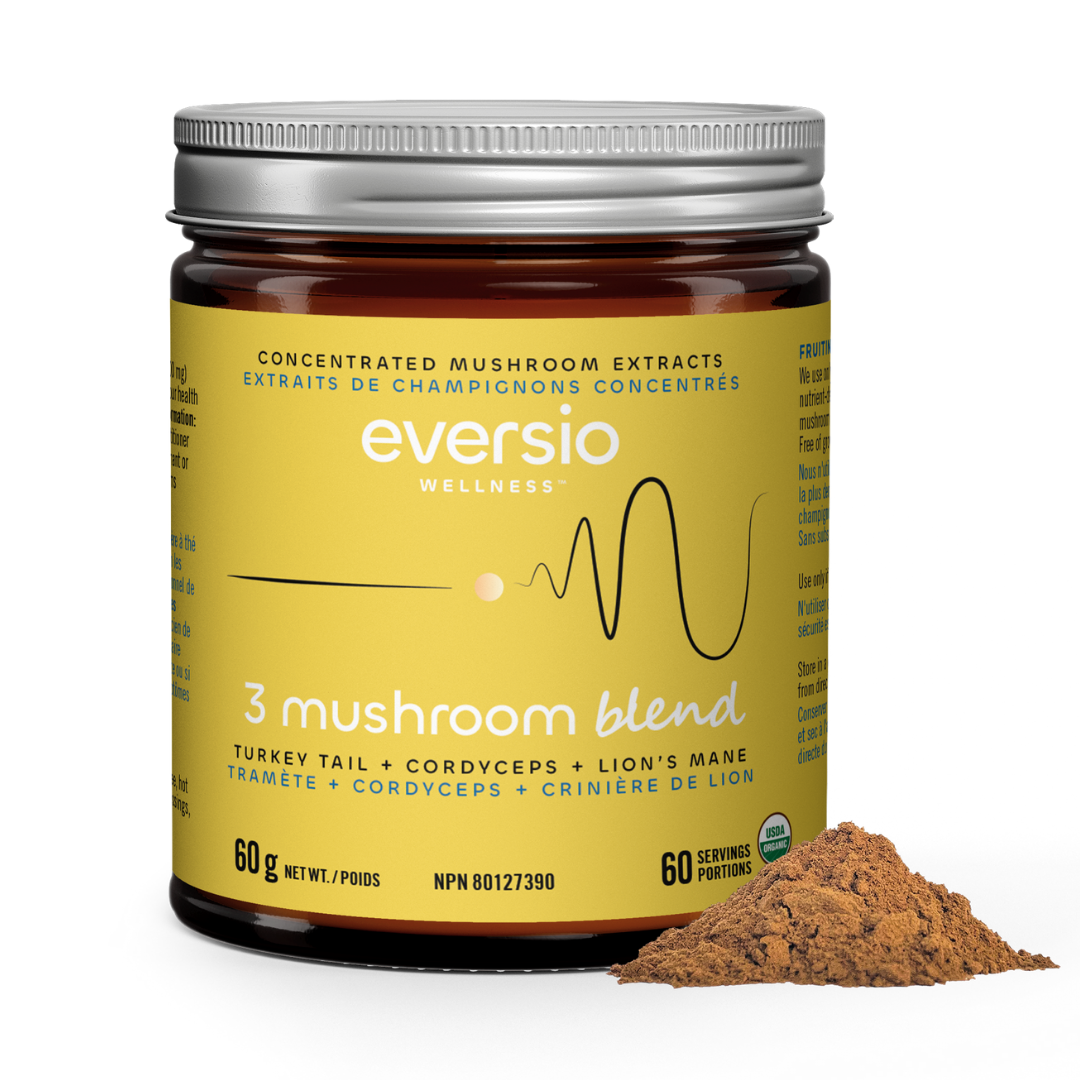
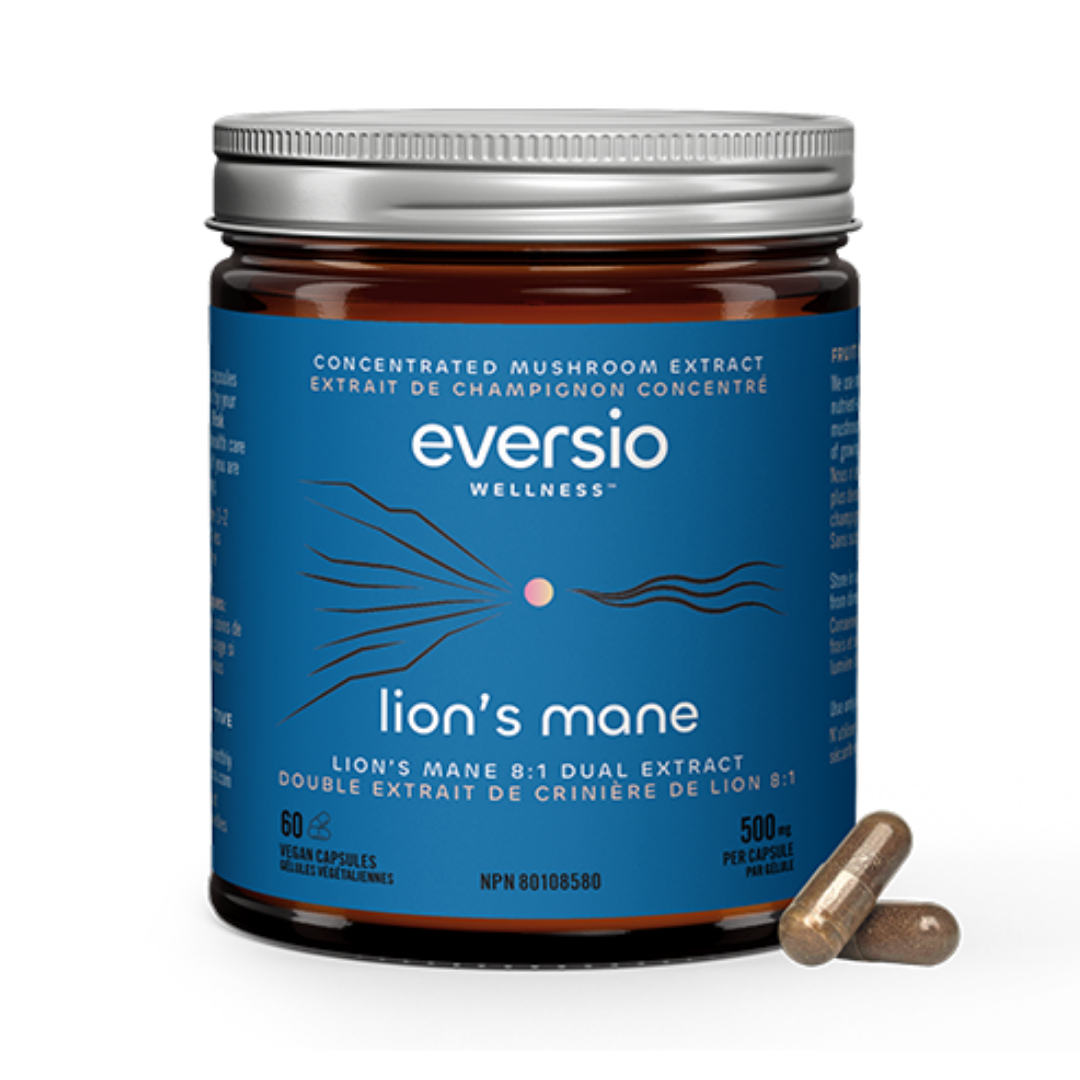
Not all products contain the compounds discussed above. For lion's mane, hericenones are found in the fruiting body — not in mycelium grown on grain, which makes up the majority of the market. Look for 100% organic certified fruiting body, listed beta-glucan content (not just total polysaccharides, which inflates starch), and dual extraction.
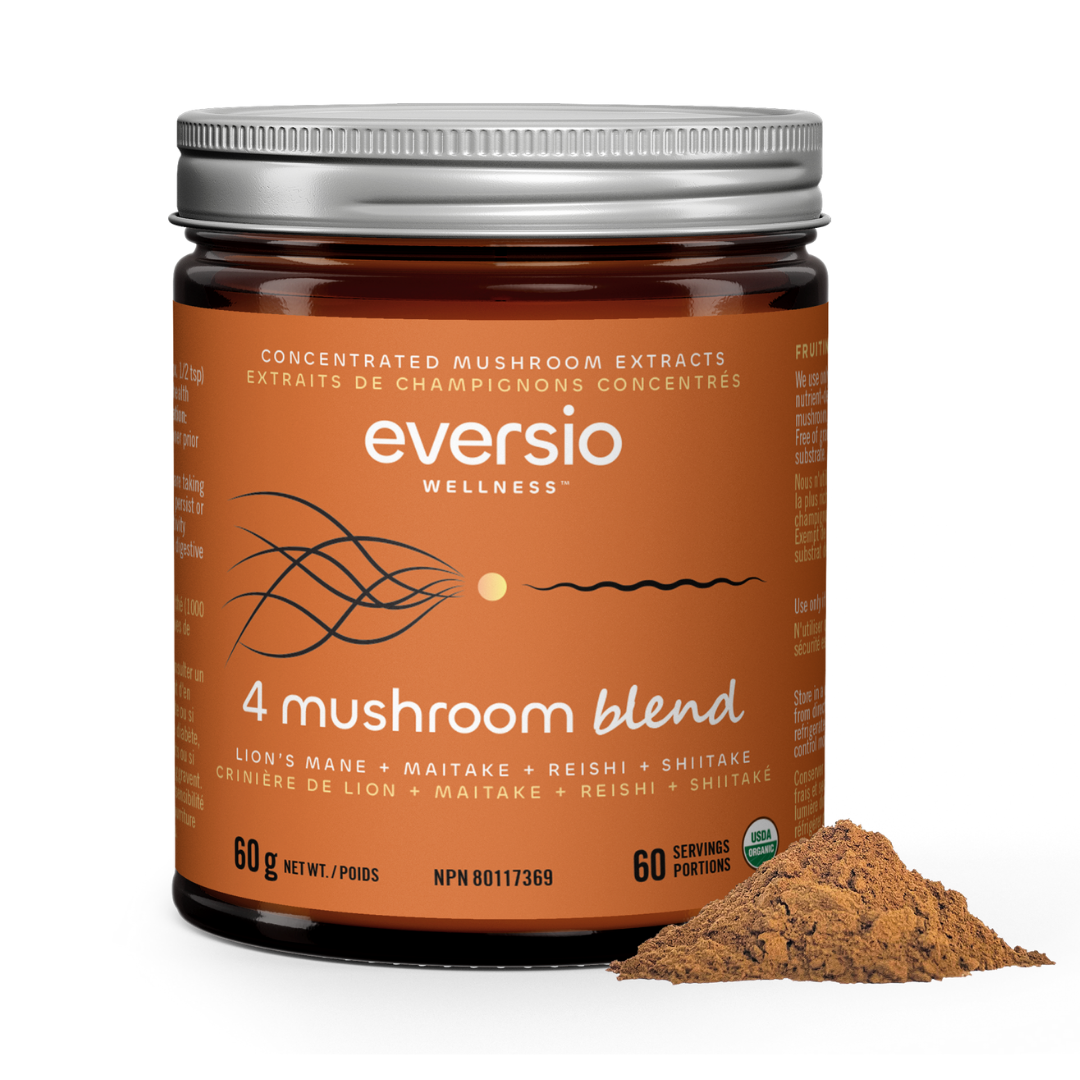
For reishi, the ganoderic acids are not water-soluble. A hot water-only extract will not pull them out. Dual extraction (water and alcohol) is required for the triterpenes to be present in the finished product. Look for triterpene content listed alongside beta-glucans. Dose matters too — research studies use therapeutic doses, typically around 1,000mg per day of an extract. Check the math on what's actually in the capsule.
What the Shift Actually Feels Like
The shift from both mushrooms is quieter than most people expect. Not sudden, not dramatic. Dr. Caruso puts it well: it's often "the absence of the thing you stopped noticing." A week where the 3am wake-up didn't happen. A meeting where the word came easily. An afternoon that passed without the wall.
Give it at least four weeks before evaluating, and track specific things: sleep quality, emotional reactivity, the 3pm window. Specific, concrete data points will show the shift before you're consciously aware of it.
Your practices — the breathwork, the movement, the sleep hygiene — work in the right direction. These mushrooms aren't replacing them. They're creating a more receptive system for those practices to work in.







Leave a comment
All comments are moderated before being published.
This site is protected by hCaptcha and the hCaptcha Privacy Policy and Terms of Service apply.