


A few months ago, I took a perimenopause symptom assessment through my Oura Ring, a new feature that popped up. I almost scrolled past it. I'm menopausal now, so I thought it wasn't really for me. But I'm surrounded by women in our community who are deep in the thick of it. Women messaging me, showing up in our DMs, asking questions I didn't always have good enough answers for.
So I took the quiz. Honestly. And what came back stopped me cold.
Mild cognitive symptoms. Mild sleep disruption. And when I actually read the fine print on what "mild cognitive" means: difficulty concentrating, taking longer to think things through, finding it harder to plan, organize, and make decisions, I recognized myself immediately. Those aren't abstract symptoms. Those are Tuesday morning for a lot of us. For me, they're the things I built my identity around being good at.
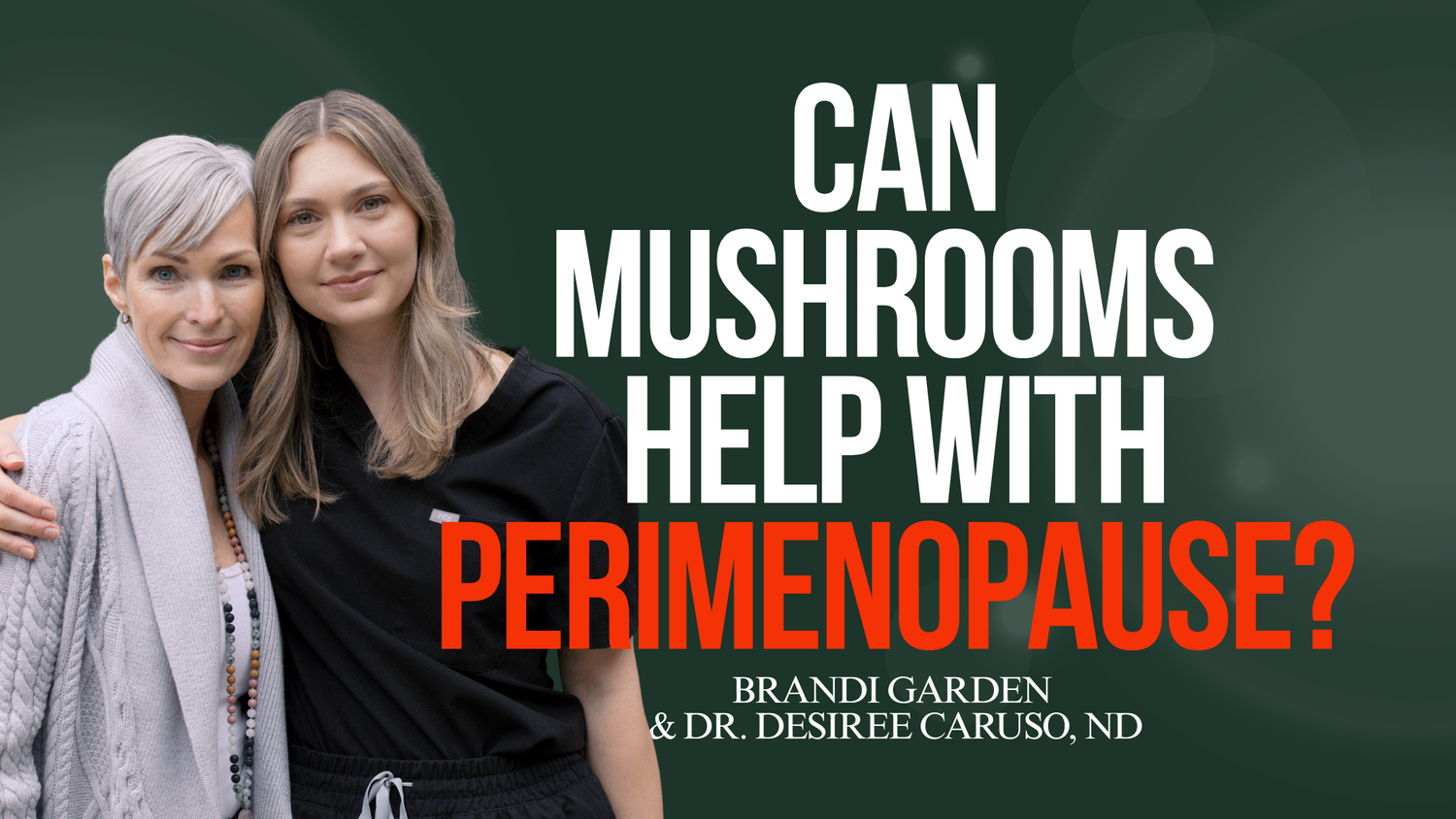
That was enough. I called Dr. Desiree. We made this episode. And I genuinely believe it's one of the most important conversations we've had on The Eversio Experience.

What Is Perimenopause, Really? (And Why It Starts Earlier Than You Think)
Perimenopause is the neurological and endocrine transition that happens before menopause, and it is not a disease. That distinction matters. It is not a dysfunction. It is not something that is happening to you as a punishment. It is a real, measurable, physiological transition, and it deserves real attention.
Menopause itself is defined as 12 consecutive months without a menstrual period. Once you've hit that milestone, you're officially menopausal. Everything leading up to that point (which can span anywhere from two to ten years or more), is perimenopause.
And it can start in your late 30s.
Here's the clinical reality, as Dr. Desiree explained it to me: during perimenopause, the ovaries gradually produce less estrogen and progesterone. But it's not a smooth, linear decline. The levels fluctuate, sometimes dramatically. There can be months where estrogen spikes higher than it has in years, followed by months where it drops significantly. It's that erratic fluctuation, more than the eventual low level, that drives most of the early symptoms women experience.
Dr. Desiree described it like a car sputtering when it's running out of gas. On, off, on, on, off, off, off, on. When women say their hormones are all over the place, that is not a metaphor. It is technically accurate.
Why does this affect the brain so much? Because estrogen is not just a reproductive hormone. There are estrogen receptors throughout the central nervous system, in the hippocampus (memory and learning) and the prefrontal cortex (executive function, planning, decision-making). When estrogen fluctuates, the brain feels it. That is not in your head. Well, it literally is — but it's neurological, not imagined.
Progesterone adds another layer. It has a calming, GABA-like effect on the nervous system. GABA is the neurotransmitter that quiets neural activity, supports mood stability, and helps with sleep. Progesterone tends to decline earlier in perimenopause than estrogen does, which is why anxiety and disrupted sleep are often the first things women notice, sometimes years before they connect the dots to perimenopause at all.
The Symptom Picture Is Wider Than Most People Know
The perimenopause assessment I took covered 22 questions across seven major symptom categories:
- Cognitive changes (concentration, planning, decision-making, mental clarity)
- Sleep disruption (trouble falling asleep, staying asleep, waking too early)
- Vasomotor symptoms (hot flashes, night sweats)
- Musculoskeletal symptoms (joint pain, muscle aches, back pain)
- Urinary and sexual health (changes in libido, urinary function)
- Skin and body composition changes
- Psychological wellbeing (confidence, body image, mood)
What strikes me about this list, and what Dr. Desiree pointed out, is that it crosses every major body system. Perimenopause is a whole-body transition. And that is actually one of the reasons why functional mushrooms are such a compelling conversation in this context: because they work systemically, not through a single narrow pathway.

Lion's Mane and Perimenopause Brain Fog: What the Research Shows
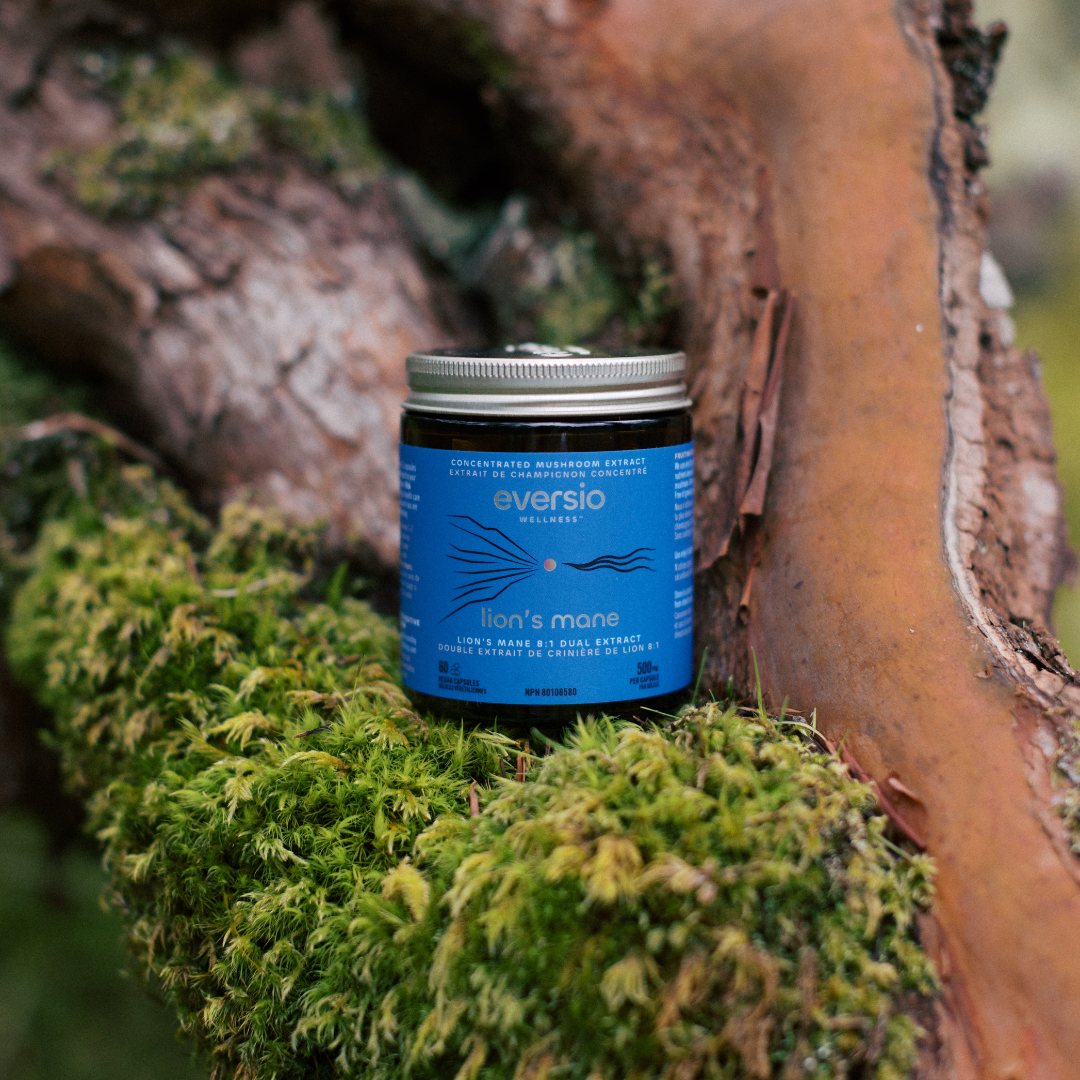
Lion's mane supports nerve growth factor production, which supports the same neural pathways that estrogen was protecting as it declines, making it one of the most relevant mushrooms for perimenopausal cognitive health.
Lion's mane is probably the most well-studied mushroom when it comes to brain function, and the science behind why it works is genuinely fascinating.
The active compounds in lion's mane are hericenones (found in the fruiting body) and erinacines (found primarily in the mycelium). Together, these compounds stimulate the production of nerve growth factor (NGF) — a protein that is critical for the survival and maintenance of neurons. NGF supports the health of existing brain cells and the growth of new neural connections.
Here's the connection that stopped me mid-conversation with Dr. Desiree: estrogen naturally supports nerve growth factor production. As estrogen declines or fluctuates in perimenopause, NGF production can also decrease. One mechanism by which perimenopausal women experience cognitive changes is actually the nerve growth factor pathway.
Lion's mane appears to support that same pathway through a completely different mechanism, one that does not require estrogen.
What the clinical evidence shows:
- A 2024 review of current research found that hericenones and erinacines show promising benefits for strengthening cognition and supporting brain cell health.
- A small placebo-controlled study conducted specifically in menopausal women found that lion's mane improved focus, reduced anxiety, and helped with irritability after just four weeks of daily use, at approximately two grams per day.
- A landmark clinical trial involving 30 adults between 50 and 80 years old with mild cognitive impairment found significant improvements in cognitive function scores at the 8-week, 12-week, and 16-week marks — with the benefits increasing as supplementation continued.
That last point is important. The longer you take it, the better the results. Lion's mane is not a quick fix. It is cumulative neurological support that builds over time. If you stop, you lose the progress. If you stay consistent, the compound effect is real.
I take lion's mane every single day. I have for years. When my "mild" cognitive result came back on that symptom assessment, my first thought was gratitude, because I kept wondering what it might look like without it.

How Reishi Supports Sleep During Perimenopause
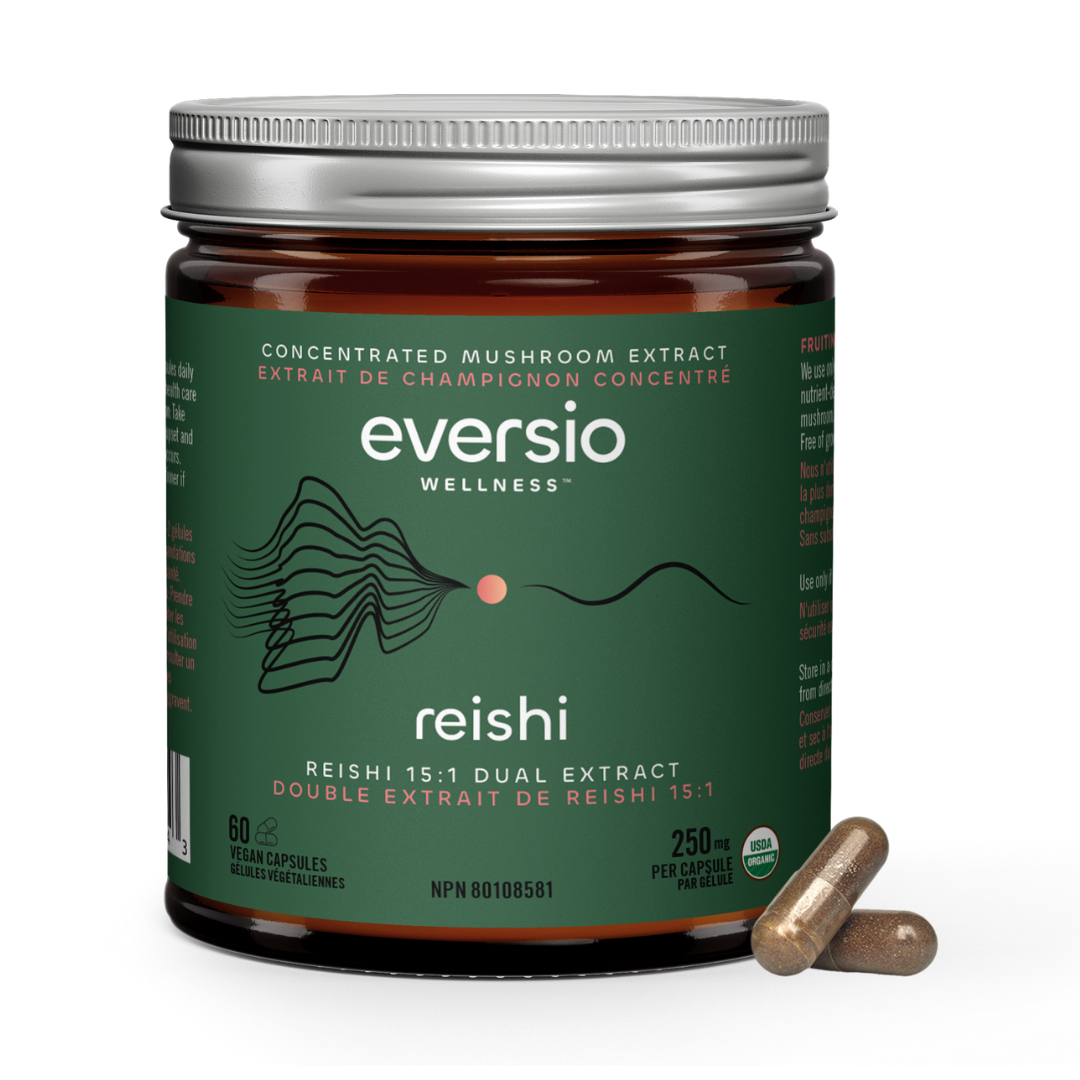
Reishi supports natural sleep architecture through the gut-brain axis, GABA receptor pathways, and neuroinflammation reduction, addressing the specific mechanisms behind perimenopause-related sleep disruption.
Sleep disruption is one of the most commonly reported and most impactful symptoms of perimenopause. And it tends to arrive early, often before women even realize what's happening.
There are actually several different mechanisms driving perimenopause-related sleep disruption, which is why it shows up in so many different ways for different women:
Progesterone decline: Progesterone supports the GABA pathway, the brain's primary inhibitory neurotransmitter. When progesterone drops, that natural calming support decreases. Sleep becomes lighter and more fragmented.
Estrogen fluctuation: Estrogen also affects thermal regulation. Night sweats and hot flashes are classic perimenopause symptoms. Even subtle shifts in body temperature during sleep can cause micro-awakenings that you might not consciously remember, but your Oura Ring will absolutely document.
HPA axis dysregulation: As hormonal shifts occur during perimenopause, the stress response system (the hypothalamic-pituitary-adrenal axis, or HPA axis) can become dysregulated. Cortisol levels shift in ways that don't match the natural rhythm the body needs for quality sleep. This is where the feeling of being "wired and tired at the same time" comes from.
Reishi addresses more than one of those pathways at once, which is exactly why it's so interesting for this conversation.
How reishi works for sleep:
Reishi (Ganoderma lucidum) has been used in traditional Chinese medicine for over 2,000 years specifically for calming the mind and supporting sleep. Modern research is now giving us the mechanism behind why.
A 2021 study published in Scientific Reports found that reishi works through the gut-brain axis. Reishi compounds modify gut bacteria composition in a way that increases serotonin production in the hypothalamus — and serotonin is the direct precursor to melatonin. Reishi is not delivering melatonin artificially. It is supporting the body's own natural melatonin production from the inside out.
The triterpene compounds in reishi (from a dual extract) also appear to interact with GABA receptors in the brain. Remember: when progesterone drops, you lose that GABA-like calming effect. Reishi's triterpenes appear to support the GABAergic pathway through a gentle, indirect mechanism — creating the neurological conditions for sleep to happen naturally rather than forcing sedation.
A study published in Frontiers in Pharmacology showed that reishi inhibits a specific inflammatory pathway in the prefrontal cortex associated with sleep disruption. Chronic low-grade neuroinflammation increases as estrogen declines, and addressing that inflammation can lead to meaningful improvements in sleep quality.
In clinical practice: The Wang and Wang study (2022) followed 60 patients with chronic insomnia. The reishi group showed significant reductions in time to fall asleep plus increased total sleep duration. A separate eight-week trial found that participants not only reported better sleep quality, but also experienced reduced daytime fatigue — without grogginess the following morning. That is a significant distinction from pharmaceutical sleep aids.
Most people notice meaningful changes somewhere between two and four weeks of nightly, consistent use.
Dr. Desiree and I both take reishi every single night. Neither of us plans to stop.

The Bigger Hormonal Picture: Cordyceps, Maitake, and Tremella
Cognitive support and sleep support are two pieces of a larger picture. The underlying driver of perimenopause is hormonal flux, and if we can support the body's ability to adapt to that flux, many symptoms become easier to manage.
This is where the adaptogenic nature of functional mushrooms becomes highly relevant. An adaptogen helps the body adapt to stress and find balance. Functional mushrooms are among the best-studied adaptogens available.
Cordyceps for energy and adrenal function:
Cordyceps is the energy mushroom. When Dr. Desiree talks about it with her perimenopausal patients, she notes it tends to be one of the mushrooms they respond to most noticeably.
Cordyceps supports mitochondrial ATP production, meaning it enhances the function of the energy-producing organelles in every cell. For women dealing with the kind of fatigue that doesn't resolve with a good night's sleep, that cellular energy support is meaningful.
It also supports adrenal health. As the ovaries reduce their hormonal output during perimenopause, the adrenal glands take on more of that hormonal regulation burden. Supporting adrenal function during this transition is something Dr. Desiree actively prioritizes with her patients. Cordyceps has also been studied for cortisol balance in high-stress populations, showing it can help maintain healthier cortisol-to-testosterone ratios, relevant because testosterone also plays a role in energy and libido in women, both of which often decline during perimenopause.
Maitake for immune and metabolic health:
Maitake is a strong immune and metabolic mushroom. This matters in the perimenopausal context because estrogen decline has downstream effects on metabolic health. Estrogen plays a protective role in insulin sensitivity and glucose regulation. As estrogen declines, many women find they gain weight more easily, particularly around the abdomen, and that blood sugar regulation becomes less stable. Maitake's specific beta-glucans support immune balance and can help regulate metabolic function, including glucose metabolism. It also carries meaningful anti-inflammatory properties.
Tremella for skin hydration:
Tremella is often called the beauty mushroom. Traditionally valued for supporting skin hydration from the inside out, tremella's polysaccharides can hold extraordinary amounts of water — similar to hyaluronic acid. As estrogen declines, skin hydration often declines with it. Tremella works to address that from within.
I can personally speak to this one. Dry skin has always been my reality. And when I started hearing perimenopausal and menopausal women talking about their skin getting drier, I thought, I cannot have that. Tremella was a non-negotiable inclusion in this blend.
 Why We Built the Eversio 5 Mushroom Blend Around Perimenopause
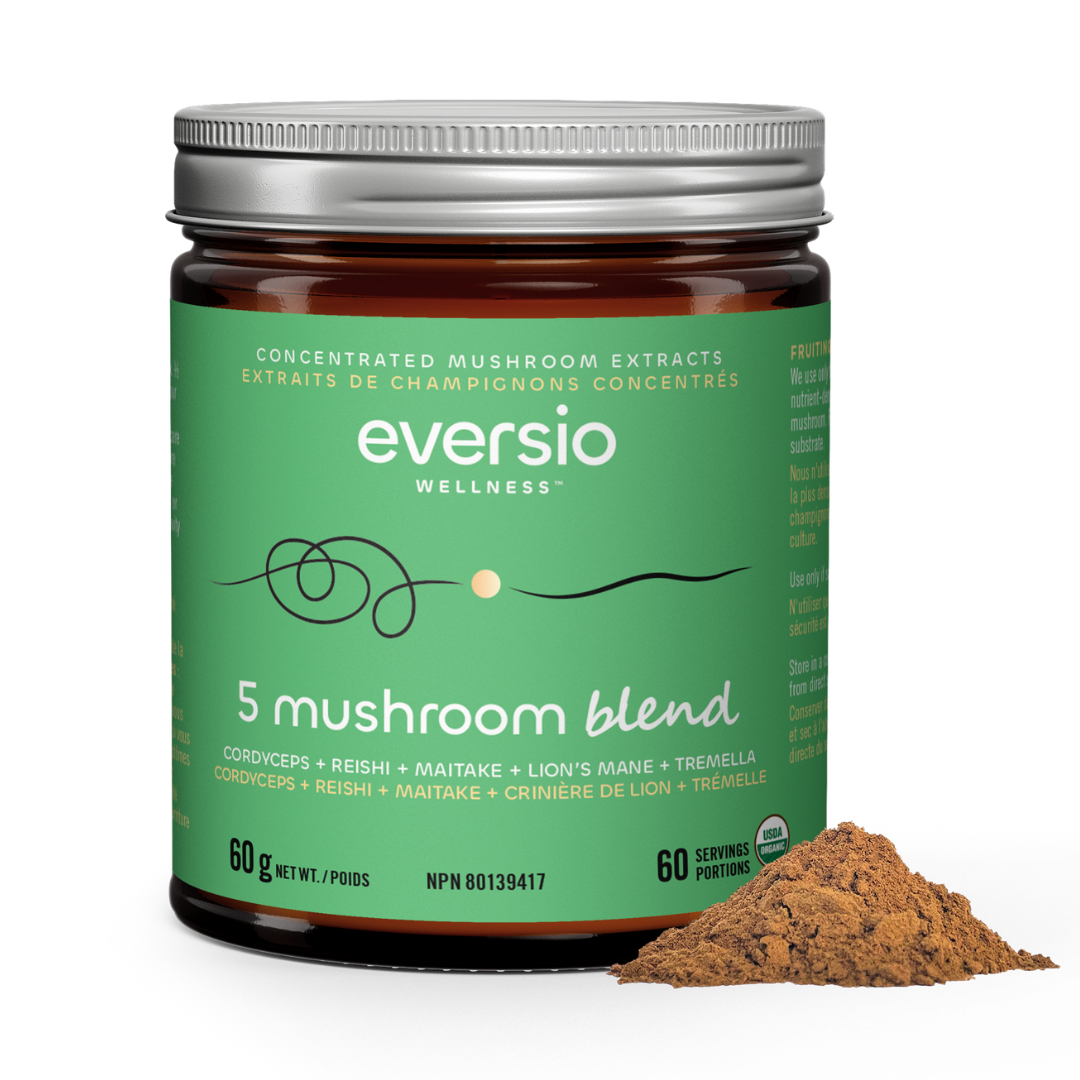
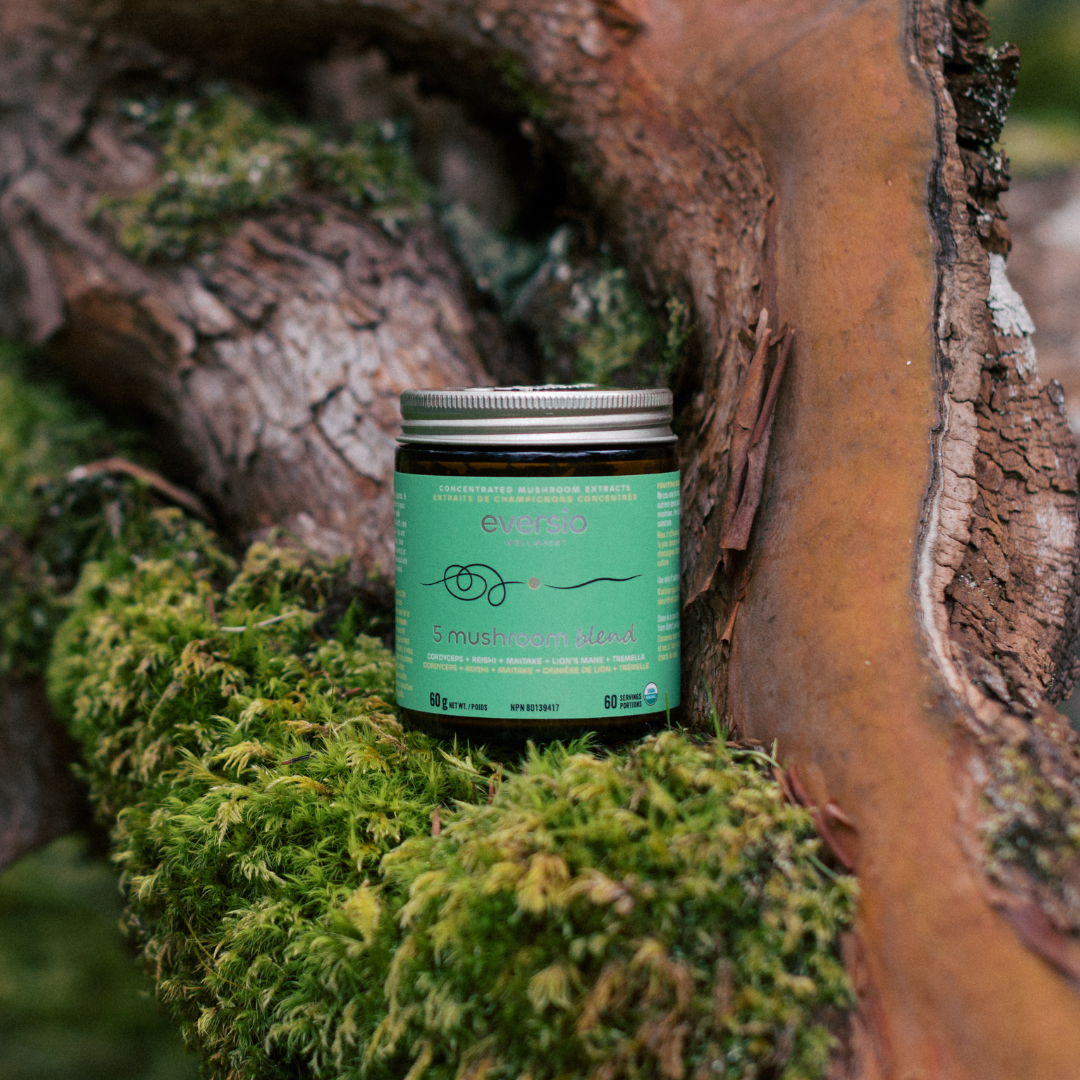
The Eversio 5 Mushroom Blend contains cordyceps, reishi, maitake, lion's mane, and tremella, all five from fruiting body only, standardized to 35% beta-D-glucans, third-party tested, and in a powdered extract format designed to fit into the routine you already have.
Perimenopause is not a single-symptom situation. The body is navigating multiple simultaneous transitions across the brain, the sleep architecture, the stress response system, the metabolic system, the immune system, and the skin. A blend that addresses all of those systems in one daily serving makes practical, clinical sense.
A few things we feel strongly about and want you to understand:
Fruiting body only: The fruiting body is where the research consistently shows the highest concentrations of bioactive compounds. There is a lot of mushroom supplement work happening with mycelium grown on grain substrates — mostly grain, with minimal actual mushroom compounds. Our extracts are pure fruiting body. No fillers. No mycelium on grain. This is what the research uses, so this is what we use.
Standardized to 35% beta-D-glucans: Beta-glucans are the key bioactive compounds responsible for the immune-modulating and anti-inflammatory effects we have been discussing throughout this episode. Standardization means you are getting a consistent, measurable amount of those compounds every single serving. Dr. Shannon, the naturopathic physician on our team, works with Health Canada to get this standardization certified. The certificates of analysis are on our website. We believe in showing our work.
9,750mg quantity crude equivalent per half teaspoon: This is a powdered extract, not just a dried powder. That distinction matters for bioavailability and potency.
Third-party tested: This is the bar Dr. Desiree holds any supplement to before recommending it or taking it herself. What's on the label matches what's in the product.
One half teaspoon: That's it. I put mine in my morning water with lemon. Some of you will put it in your matcha, your coffee, your smoothie, your oatmeal. The format is intentionally frictionless, because we know you already have enough going on.

Mushrooms and Perimenopause: The Honest Picture
We have always tried to be honest about what the science does and doesn't show. And in the spirit of that:
Most of the clinical studies on functional mushrooms have been conducted in older adults or in people with mild cognitive impairment. We do not yet have large randomized controlled trials specifically in perimenopausal women for all of the effects discussed in this episode. Where animal studies and mechanistic research point clearly toward benefit, we have shared that. Where direct human clinical data exists, we have shared that too.
Functional mushrooms are not a substitute for medical care. If you are experiencing moderate to severe perimenopausal symptoms, significant vasomotor symptoms, mood changes, or sleep disruption affecting your daily functioning, that conversation needs to happen with a healthcare provider. Hormone replacement therapy is a legitimate and evidence-based option for many women, and the decision about whether it is appropriate is a clinical one.
What functional mushrooms can do is provide meaningful foundational support. For women in the early stages of perimenopause, for women managing mild to moderate symptoms, and for women who want to support their overall resilience and brain health proactively, mushrooms are a well-researched, low-risk, and genuinely supportive option.
A note on safety: Functional mushrooms from organic fruiting body sources, at the doses in products like the Eversio 5 Mushroom Blend, are very well tolerated. The main caution is for anyone on blood thinners, as some mushrooms can have mild anticoagulant effects. Anyone with known mushroom allergies should check before use. And as always, if you are pregnant, breastfeeding, or managing a chronic condition, consult your healthcare provider before adding any new supplement.

How to Start — Dr. Desiree's Practical Advice
Start with consistency over complexity.
One daily serving at a time you will actually remember. Attach it to a habit you already have. Commit to eight weeks before evaluating. Take notes on how you are feeling — your sleep, your focus, your energy. Changes can be subtle at first, but when you look back after two months of consistent use, the difference is often quite clear.
If you are experiencing symptoms across multiple categories, as many of us are because perimenopause is not a single-symptom situation, a blend that addresses multiple systems at once makes more practical sense than trying to take five separate products.
The women in our community who get the most out of functional mushrooms are the ones who treat it like a practice, not a one-time experiment. Consistent, patient, paying attention.

The 5 Key Takeaways from Episode 55
- Perimenopause is a brain and body transition. It is driven by hormonal fluctuation, and the symptoms women experience are not in their heads and are not something to simply push through.
- Lion's mane has meaningful research behind it for cognitive function. It supports nerve growth factor production, the same neural pathways that estrogen was protecting as it declines.
- Reishi is the most researched mushroom for sleep. It works through the gut-brain axis, serotonin and melatonin pathways, and GABA receptor support — addressing the specific neurological disruptions that perimenopause brings to sleep architecture.
- Cordyceps supports energy and adrenal function. Maitake supports immune and metabolic health. Tremella supports skin hydration from within. All are relevant to what a perimenopausal body needs.
- The Eversio 5 Mushroom Blend brings all five together in one daily serving. Standardized, fruiting body only, third-party tested, and designed to fit into the routine you already have, without adding friction to a life that already has plenty.
If this episode resonated with you, please share it with a woman in your life who needs to hear it. One of the things that helped me most when I started noticing these changes was hearing another woman say: this is real, it is happening, and there are things we can do. You haven't lost control of your life.
Until next time.
Be well,
Brandi.






Leave a comment
All comments are moderated before being published.
This site is protected by hCaptcha and the hCaptcha Privacy Policy and Terms of Service apply.