



Here is something I think about a lot: most people who are genuinely invested in their health are doing a lot of the right things. Eating well. Supplementing intentionally. Paying attention. But there are daily inputs, things you are putting in your body or on your body every single day, that are quietly working against everything else you are working so hard to do.
I see it all the time. And the reason most people do not know about them is simply that nobody told them. That was me, too. I did not know until someone who loved me told me.
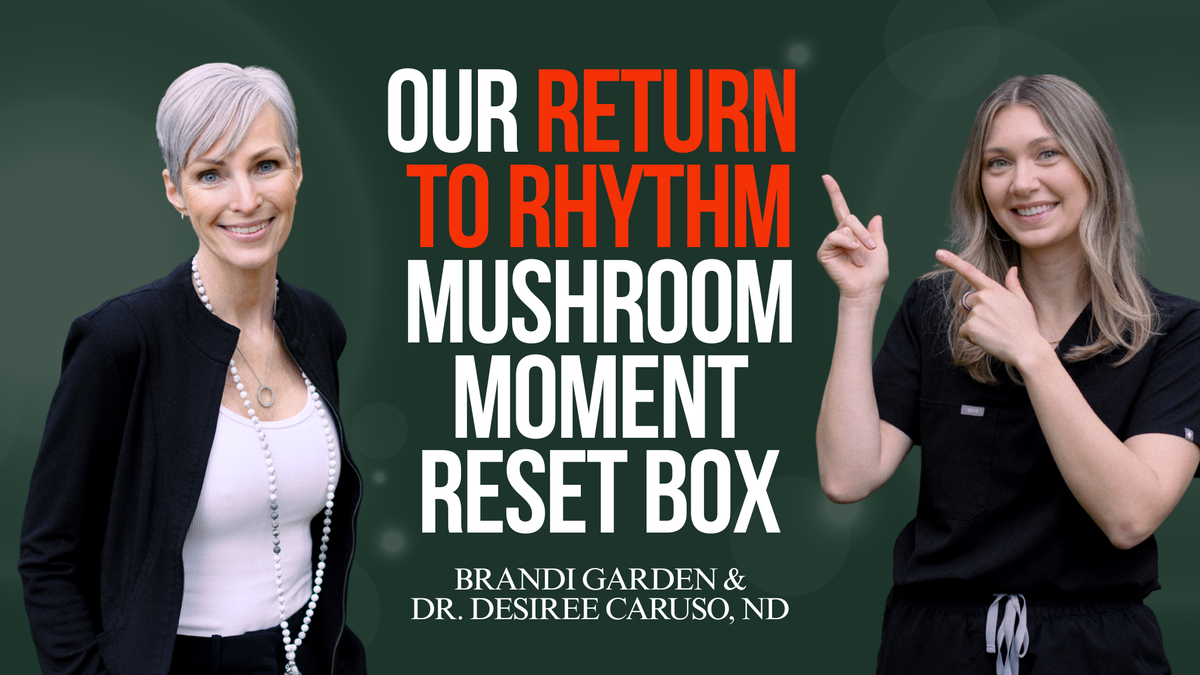
That is the whole point of Episode 56 of The Eversio Experience.
Dr. Desiree Caruso ND, and I each brought three swaps we have personally made in our own lives, not because we panicked, but because once we had the information, the swap became obvious. None of these require you to blow up your life. They are the kind of changes that just make sense when you understand what is actually happening.
Here are all six, with the science behind each one.

Brandi's Swaps
Swap 1: Clean Body Butter Instead of Conventional Lotion and Sunscreen
The insight: Flip your lotion over and read the first ingredient. Almost every single time, it is water. That is not a coincidence. Cosmetic ingredient labels are required to list ingredients in order of concentration, the first ingredient is the most abundant thing in the formula by volume. If water is first, the product you are paying for is mostly water.
Water is the cheapest filler in cosmetics. It allows a manufacturer to charge a premium while using only a fraction of the formula on ingredients that are actually functional. And water evaporates. The softness you feel right after applying most conventional lotions is largely the water sitting on the surface of your skin temporarily. An hour later, you are just as dry as you were before.
The conventional lotion concern goes deeper than that. In 2004, a study by Darbre and colleagues, published in the Journal of Applied Toxicology, found parabens — the most commonly used preservative in conventional cosmetics, in the majority of human breast tumor tissue samples examined. To be precise: the study established that parabens were present in the tissue. It did not prove that parabens caused cancer. But it raised a legitimate question about what we accumulate in tissue over years of daily use, and that question has driven significant ongoing research.
For sunscreens specifically, a 2019 study published in JAMA found that oxybenzone, one of the most common chemical UV filters in conventional sunscreen, entered the bloodstream after just one day of normal application at levels that prompted the FDA to call for additional safety data. To be clear: this does not mean stop wearing sunscreen. Sun protection matters. Talk to your dermatologist. But the question of what you put on your skin every day, knowing the skin absorbs, is a meaningful one.
The swap I made: Hello Joyous Body Butter by Joy McCarthy. It contains zero water. Every single ingredient in her formula has a purpose. It also contains chaga, which is where this gets personal for me. I have had psoriasis since I was 15 that turned into psoriatic arthritis, and chaga, both through my Eversio supplements and now through what I put on my skin, has made a meaningful difference.
Dr. Desiree explains why: Chaga has one of the highest recorded ORAC values of any natural substance. ORAC stands for Oxygen Radical Absorbance Capacity, which is essentially a measure of antioxidant activity. When you apply antioxidants topically, they work directly against oxidative stress in the skin, which is a primary driver of skin aging and chronic skin inflammation. There is also research showing Chaga's effect on NF-kB, a key inflammatory signaling pathway that is overactive in both psoriasis and psoriatic arthritis. Chaga has been shown to inhibit it. What I have been experiencing has a real mechanism behind it. It is not a coincidence.
Swap 2: Wooden Kitchen Utensils Instead of Plastic Ones
The insight: When I found out what actually happens when a plastic spatula sits in a hot pan, I could not keep using mine. I threw it out that day, even though I had nothing to replace it with yet.
When plastic utensils contact heat, they can release micro and nanoplastic particles into food. Research on plastic cooking materials, specifically nylon and polypropylene spatulas and spoons used at normal cooking temperatures, has found that this happens at a scale most people would not expect. We are not talking about trace particles. We are talking about a significant number of particles per use.
And the issue goes beyond microplastics. A 2011 study published in Environmental Health Perspectives looked at a wide range of plastic products, including ones specifically marketed as BPA-free, and found that the majority of them leached compounds with estrogenic activity when exposed to heat. The BPA-free labeling addressed one specific compound but did not resolve the underlying issue, which is that many plastics under heat stress release things you do not want in your food.
I was that person who bought the silicone spatulas because they were BPA-free. I made that choice with intention. But the science moved on and the labeling did not keep up. We are now finding microplastics in human blood, lung tissue, and placental tissue in peer-reviewed research. The kitchen is one of the most controllable places to reduce that exposure.
The swap I made: Wooden kitchen utensils — beech, bamboo, teak, hardwood. A good wooden set can cost just a few dollars. You do not have to do everything at once. Start with whatever contacts the most heat. For me it was my stirring spoons. Toss one, replace one. It is honestly one of the most affordable and accessible swaps on this entire list.
Swap 3: Mindful Monk Instead of a Conventional Chocolate Bar
The insight: I will be honest. I used to love Snickers bars through university and told myself there were nuts in there, so they counted as protein. I knew better, but I could not find anything that gave me that same afternoon satisfaction, until I found Mindful Monk.
Here is what Dr. Desiree explains is actually happening when you reach for a high-sugar snack at 3 p.m.: You get a rapid rise in blood glucose. Your pancreas responds by releasing insulin. The insulin response often overshoots, meaning your blood glucose ends up lower than it was before you ate. That is the crash. That is why most people feel worse an hour after the chocolate bar than they did before they reached for it.
There is research on blood sugar variability that links those glucose spikes and the crashes that follow to impaired working memory, attention, and processing speed. The afternoon brain fog that so many women experience and chalk up to just being tired is often a physiological response connected to what they ate a couple of hours earlier. I lived in that cycle for years and never made the connection.
Repeated daily glucose spikes, even from something as seemingly minor as a little afternoon treat, can contribute gradually to insulin resistance over time. It is the habit that adds up.
The swap I made: Mindful Monk chocolate bars, which use monk fruit juice as the sweetener instead of sugar. Monk fruit sweetener has a glycemic index of zero. The sweet compounds in monk fruit, called mogrosides, are not absorbed the same way sugar is. They pass through to the large intestine, where gut bacteria metabolize them, and there is no glucose spike and no insulin response. You satisfy the craving without the metabolic cost.
I want you to trust me when I say it actually tastes like a real chocolate bar. I have given this product as a housewarming gift. I give it to people all the time. It is a healthy swap that actually works because it tastes good enough to stick with.

Dr. Desiree's Swaps
Swap 4: Stainless Steel and Cast Iron Instead of Non-Stick Cookware
The insight: Conventional non-stick pans are coated with PTFE, which stands for polytetrafluoroethylene, and it belongs to the PFAS family of synthetic chemical compounds, what people are now calling forever chemicals. That name exists because these compounds do not readily break down in the human body or in the environment. They accumulate. CDC biomonitoring data has found PFAS compounds in the blood of the vast majority of people tested in the United States, reflecting exposure from multiple everyday sources, including cookware.
The concern is twofold. First, temperature: when PTFE coatings are heated above approximately 260 degrees Celsius (around 500 Fahrenheit), they can degrade and release fumes. There is a documented medical condition called polymer fume fever that presents with flu-like symptoms, fever, chills, chest tightness. Most home cooking does not routinely hit that exact threshold, but the coating has a limit, and it is worth knowing where it is.
Second, everyday degradation. Every scratch, every dishwasher cycle, every year of normal use wears the coating down. An old scratched non-stick pan is not the same object it was when it was new. What degrades from the coating does not disappear. Some of it ends up in your food.
The swap Dr. Desiree made: Stainless steel (food grade 18/8, also labeled 304 grade) and cast iron. Stainless steel is fully inert, does not react with food, does not degrade into food, and lasts decades with proper care. The sticking issue is entirely a technique problem, not a cookware problem.
The technique: preheat the pan on medium before adding anything. Test it with a few drops of water. If the water sizzles, it is not hot enough yet. If the water beads and skitters across the surface, you are ready. That is called the Leidenfrost effect, and that skittering bead is your signal to add your oil or butter. Then wait for the food to form a crust before you try to move it. If it resists, it is telling you it needs another 30 seconds. The sticking is a signal to wait, not a signal that you have failed.
Cast iron adds another benefit: small amounts of dietary iron transfer into food cooked in cast iron, which can be meaningful for women who tend to run low on iron.
For air fryers: use parchment paper liners to reduce contact between food and the basket surface. Just make sure the parchment paper has food on it before you turn the unit on, so the fan does not push it up toward the heating element.
Swap 5: EWG-Verified Makeup With a Simplified Routine
The insight: Most people think of skin as a barrier that keeps things out. That is partially true. But the entire transdermal drug delivery industry, how nicotine patches work, how hormone patches work, how certain pain medications are delivered topically, is built on the fact that compounds applied to skin enter the bloodstream. What you put on your face daily is not staying on the surface.
Some cosmetic formulas include what are called penetration enhancers — compounds specifically designed to push active ingredients deeper into the skin. The issue is that these enhancers do not selectively work on the ingredients you want going deeper. They work on everything in the formula simultaneously, including the ingredients you would rather keep on the surface.
Conventional cosmetics also commonly contain synthetic fragrance. In both the US and Canada, fragrance formulas are legally protected as proprietary trade secrets, meaning manufacturers are not required to disclose individual fragrance compounds on the ingredient label. The word "fragrance," "perfume," or "parfum" on a label can represent dozens to hundreds of undisclosed chemical compounds, similar to "natural flavors" on a food label. A product can have a seemingly simple ingredient list with one word hiding everything that matters.
FDA testing of commercial lipstick samples found lead present across a wide range of products. The concern is not in a single application. It is chronic, low-level daily exposure over years.
The swap Dr. Desiree made: Simplify your routine and use verified tools to research what you are buying. Every product you eliminate is an exposure source you no longer carry. Fewer products often means better skin barrier function over time.
Tools to use:
- EWG Skin Deep — free database where you can search any product and see a safety rating based on its full ingredient profile
- Yuka app — scan a product barcode in-store for an instant score
- SkinSafe — developed in partnership with Mayo Clinic, useful for women with sensitive skin or existing skin conditions
- Detox Your Dome app — founded by Sophia, focused specifically on reducing toxic load across personal care and household products
Clean makeup brands Dr. Desiree and Brandi personally use and love: Merit, Ilia, Nude by Nature. These are not ads. These are just what we actually use.
Swap 6: Organic Matcha (or Clean Organic Coffee) Instead of Conventional Commercial Coffee
The insight: Coffee is one of the most heavily pesticide-sprayed crops in the world. The majority of commercial coffee is grown in regions where regulatory standards around pesticide use are significantly different from those in Canada. There are pesticides banned by Health Canada that we do not use on Canadian crops, but we import food and coffee from countries where those same pesticides are in active use. Choosing organic is the direct solution to that piece.
The second issue is mycotoxins. Coffee beans are particularly susceptible to mold growth at various stages of the supply chain: after harvesting, during storage, during transport, and sometimes during and after roasting. Mold produces toxic compounds called mycotoxins. The one most commonly found in commercially roasted coffee is Ochratoxin A, produced by Aspergillus and Penicillium molds, and classified by the International Agency for Research on Cancer as a possible human carcinogen (Group 2B). The European Food Safety Authority has reviewed Ochratoxin A in coffee multiple times and established guidance based on those findings. Roasting can reduce mycotoxin levels but does not consistently eliminate them across products.
This is part of the reason Eversio tests for mycotoxins on our mushroom extracts. We know that what we source has to travel to get to you, and susceptibility can happen at multiple stages. We made sure testing is part of the budget because we want you to know it has never been in there.
The swap Dr. Desiree made: Organic matcha. The caffeine in matcha is accompanied by L-theanine, an amino acid that modulates the way caffeine behaves in the body. The combination produces a qualitatively different kind of alertness — steadier, calmer, more sustained. Multiple studies have looked at the caffeine and L-theanine combination specifically and found benefits for sustained attention and reduced mental fatigue compared to caffeine alone.
Matcha also does not trigger the same cortisol response as coffee. Caffeine stimulates the HPA axis, which is the body's central stress response pathway. Research has documented meaningful cortisol elevation from caffeine even in people who consider themselves habituated. If you are already navigating elevated cortisol, or if you are in perimenopause and your adrenals are under ongoing pressure, your first act of the morning is activating that stress pathway before a single external stressor has arrived. Matcha does not produce that same response for most people.
One more thing about matcha worth knowing: it contains EGCG, the primary catechin in green tea and one of the most extensively studied anti-inflammatory and antioxidant plant compounds available. Organic specifically matters because matcha is the whole leaf, ground and consumed. It is not steeped and discarded, which means whatever is on that leaf, you are ingesting. Choose organic.
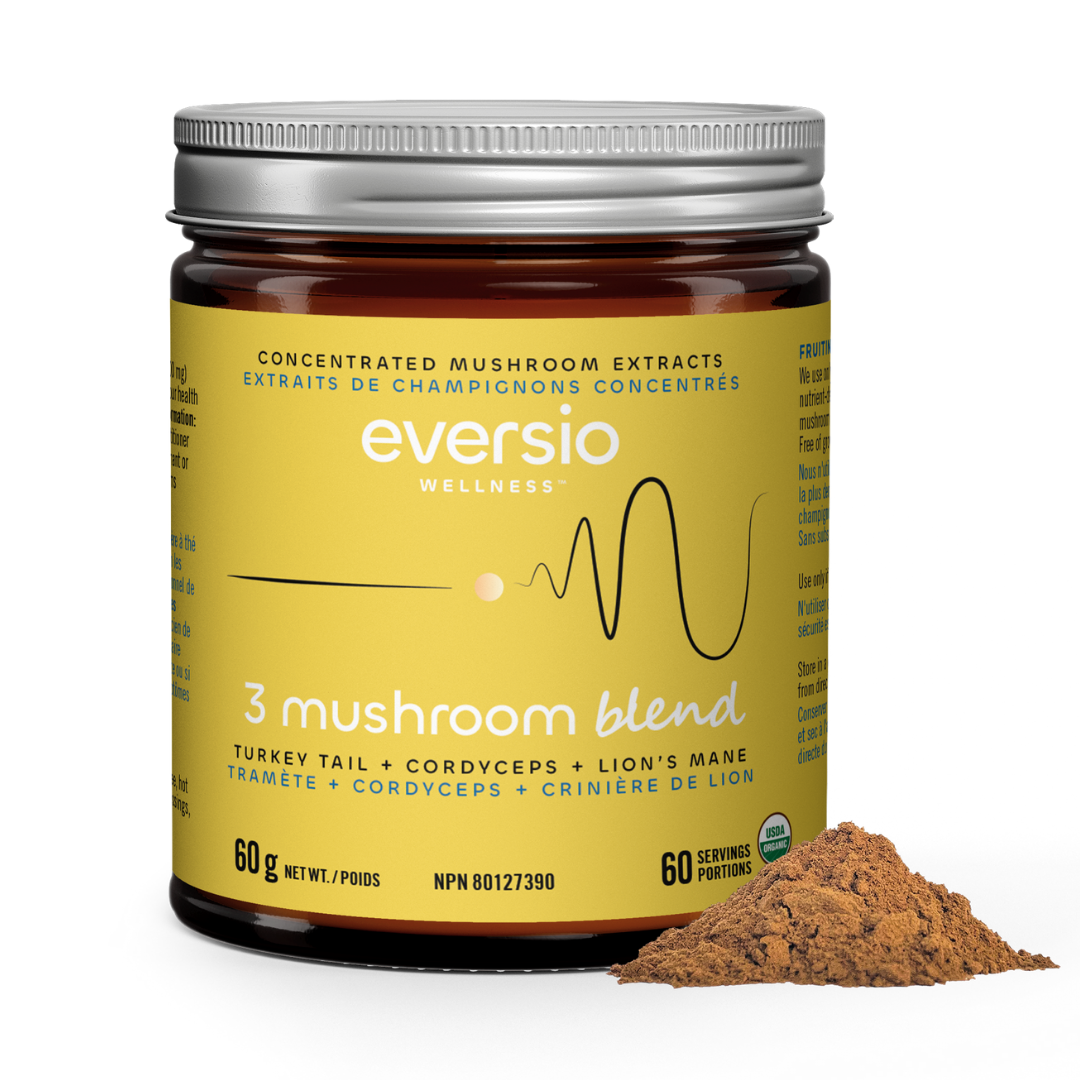
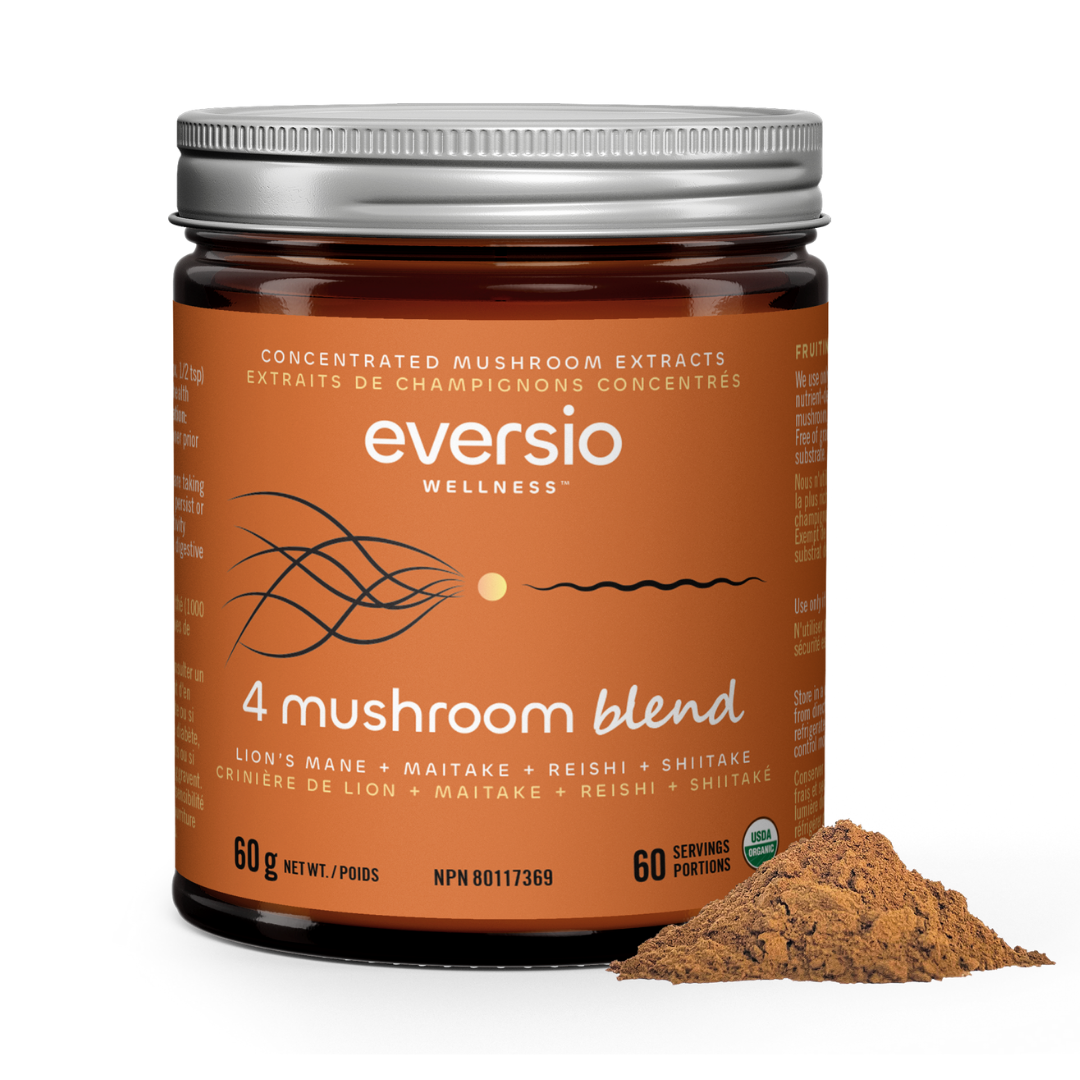
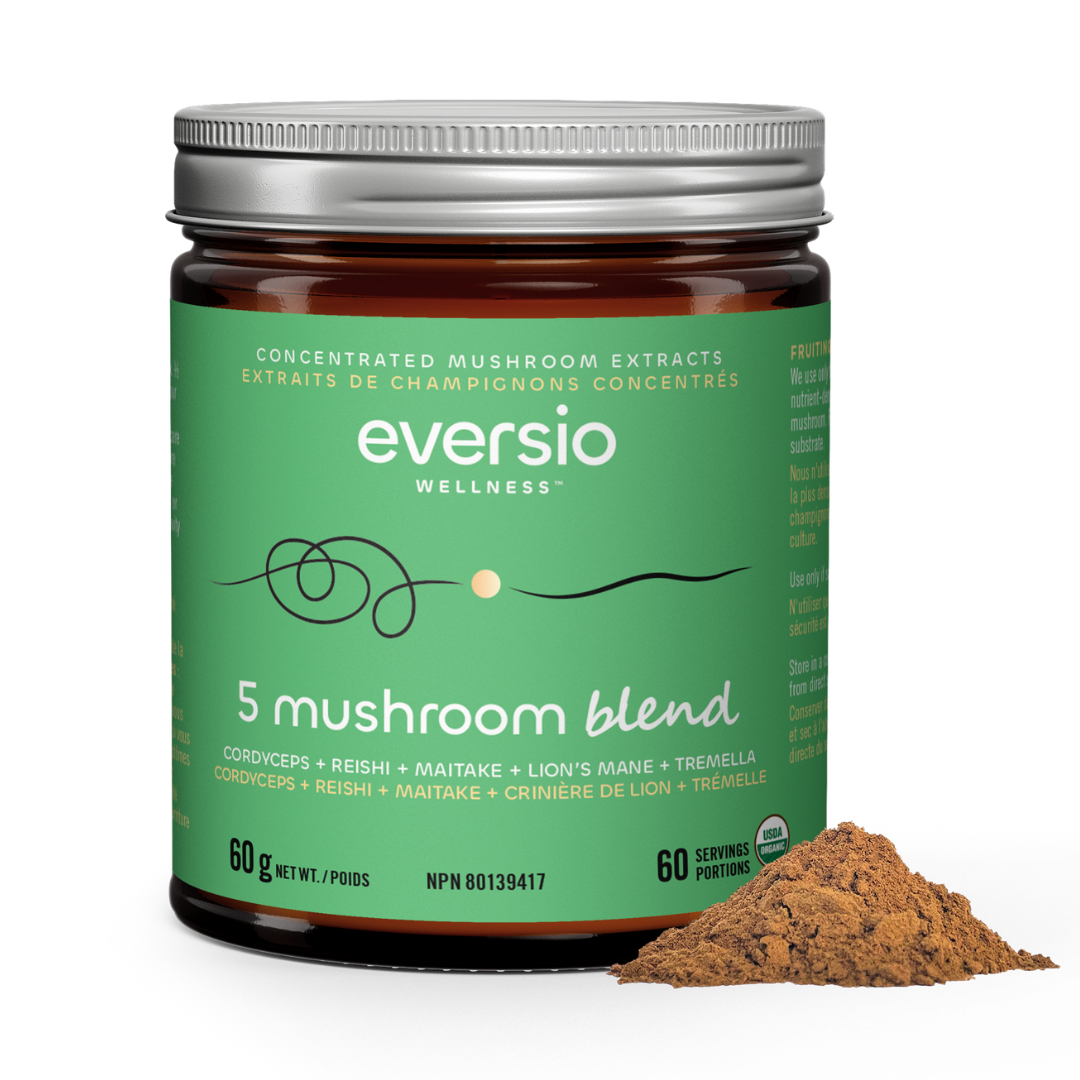
And if you are already making your matcha at the counter in the morning? That is the perfect moment to add your five mushroom blend, or whichever Eversio product you love. It is one additional step that transforms what your morning ritual is actually doing for you.

The Daily Choices Compound — In Both Directions
None of these six swaps require you to blow up your life. You do not need to do all six today or even this year. But maybe one of them landed for you.
Maybe the next time your lotion runs out, you flip the bottle over and read the first ingredient. Maybe you look up your foundation on Skin Deep or scan it with Yuka before you repurchase it. Maybe you swap out one spatula. These little changes make a meaningful difference because daily inputs compound — the ones that support you and the ones that quietly work against you are both adding up over time.
We are not here to make anyone feel bad about what they have been doing. We are here because better options exist, and we are your friends, and we think you deserve to have the information. We want you to know because somebody told us. We did not make these swaps because we were born knowing. We lived with those things until we knew better.
Same life, better choices.







Leave a comment
All comments are moderated before being published.
This site is protected by hCaptcha and the hCaptcha Privacy Policy and Terms of Service apply.