


You did everything right.
You researched the benefits. You chose a product from a recognizable brand. You took it consistently, same time every morning, for weeks. And you felt absolutely nothing.
Before you write off functional mushrooms entirely, there's something the supplement industry isn't telling you. Most of what's on the market right now falls into a category that has very little in common with the research you read. Not because mushrooms don't work, but because what you bought may not have actually been mushrooms in any meaningful therapeutic sense.
Here's what's actually going on.
The Three Categories of Mushroom Products (Most People Only Know One Exists)
Walk into any health food store or scroll through any supplement website and you'll see lion's mane, turkey tail, reishi, and chaga lined up side by side. They look similar. They cost similar amounts. They all say "mushroom" on the label. But inside, they can be three completely different things.
Category One: Fruiting Body Extracts
The fruiting body is the actual mushroom: the cap, the stem, the structure you'd recognize in the wild or in the grocery store. It's the reproductive body of the fungal organism. In traditional medical systems across Asia, this was used for centuries.
In lion's mane specifically, the fruiting body contains compounds called hericenones, aromatic compounds that have been studied for their role in stimulating nerve growth factor (NGF) synthesis in the brain. NGF is a protein essential to the growth, maintenance, and survival of neurons, particularly in regions connected to memory and learning.
The bulk of published, peer-reviewed, independently conducted research on lion's mane, turkey tail, reishi, chaga, and other functional mushrooms has used fruiting body extracts. This is the category with the deepest scientific track record.
Category Two: Pure Mycelium (No Grain)
Mycelium is the underground, root-like network from which the mushroom grows. It contains different bioactive compounds than the fruiting body. In lion's mane, the mycelium contains compounds called erinacines, a group of cyathane diterpenoids found exclusively in the mycelium, not in the fruiting body at all.
Research on pure, standardized mycelium exists. A year-long, double-blind, randomized, placebo-controlled trial published in Frontiers in Aging Neuroscience in 2020 examined erinacine A-enriched mycelium in people with mild Alzheimer's symptoms and found statistically significant improvements in cognitive assessment scores. This is a legitimate area of research when the mycelium is pure and standardized.
Category Three: Mycelium on Grain (MOG)
This is where the problem lives, and where most of the market lives.
A company inoculates a grain, typically oats, rice, or another substrate, with mushroom spores. The mycelium grows through and colonizes that grain over several weeks. At the end of the growing process, the mycelium and the grain are physically and chemically inseparable. You cannot pull the fungal filaments out of the grain. They are one mass.
When that mass is dried and ground into powder, what you get is a combination of fungal material and a significant amount of grain starch. Independent testing of MOG products has found grain starch content ranging from 35% to 90%.
This category appears on labels as mycelium biomass, myceliated grain, mycelium on grain, or sometimes just "mushroom" with nothing further specified. No current labeling regulations require brands to disclose which part of the mushroom their product comes from, which is how a product can say "lion's mane mushroom" on the front of the bottle and contain mostly grain.
Why This Matters in Your Body
The compounds with the strongest research in functional mushrooms are beta-glucans, a specific class of polysaccharides found in the cell walls of fungi. The published research on beta-glucans spans thousands of studies across many decades. Beta-glucans are associated with immune modulation, anti-inflammatory activity, and adaptogenic properties.
Grain starch is composed primarily of alpha-glucans. Alpha-glucans and beta-glucans are not biologically equivalent. They do not have the same research profile. They do not behave the same way in the body.
When a MOG product label says "polysaccharides 30%," a meaningful portion of those polysaccharides may be alpha-glucans from the grain, not beta-glucans from the mushroom. The label won't tell you that. It will just say polysaccharides.
This is why someone can take a mushroom supplement every day and feel nothing. If the product is primarily grain starch, there's no meaningful concentration of the compounds on which the research is built.
Why Mycelium on Grain Dominates the Market
The short answer is economics. Fruiting bodies require the full biological life cycle of the mushroom, specific growing conditions, longer timelines, more labour, and higher cost. Mycelium on grain can be produced in a fraction of the time at a fraction of the cost.
Because labelling standards in the supplement industry do not consistently require brands to specify fruiting body versus mycelium, let alone whether the mycelium was grown on grain, companies can put "lion's mane mushroom" on a bottle and sell a MOG product without violating any rules.
That gap is why you can stand in a supplement aisle and have no way to tell the difference between a product built on decades of fruiting body research and a product that is predominantly dried grain powder.

The Eight-Question Label Checklist
You can evaluate any mushroom supplement in about 90 seconds once you know what to look for. Here's what to ask:
1. Does it say "fruiting body" explicitly? Not "mushroom powder," not "mushroom complex," not "full spectrum." Fruiting body, spelled out. If it's not there, contact the company. If they can't answer clearly and quickly, that's your answer.
2. Is beta-glucan content listed specifically? Quality fruiting body products from transparent manufacturers will list beta-glucan percentages because they can verify them. MOG products often cannot clearly distinguish alpha-glucans from beta-glucans, so they list total polysaccharides instead. Ask for beta glucans specifically.
3. Is there an extraction method listed? Hot-water extraction captures water-soluble compounds, including beta-glucans. Alcohol extraction captures compounds that aren't water-soluble, including triterpenes such as the ganoderic acids in reishi. A product with no extraction method listed may be a raw, minimally processed powder with real implications for potency and absorption.
4. Is there a certificate of analysis from an independent third-party lab? A COA from an independent lab verifies that what the label claims is actually in the product at the stated levels. Any brand that stands behind its products should be able to provide one without hesitation. If they can't or won't, that tells you something about the level of accountability they hold themselves to.
5. Watch for terms that obscure rather than inform. "Mushroom complex," "proprietary blend," and "full spectrum" sound comprehensive but say nothing about the source material or actual compound profile. They're prompts to dig further, not reasons to trust.
6. Look at the dose. Research on functional mushrooms that produces measurable clinical results typically uses doses ranging from 500mg to 3,000mg of extract per day. A product containing 50mg of lion's mane powder in a blend with a dozen other ingredients cannot deliver a therapeutic dose. The math does not work.
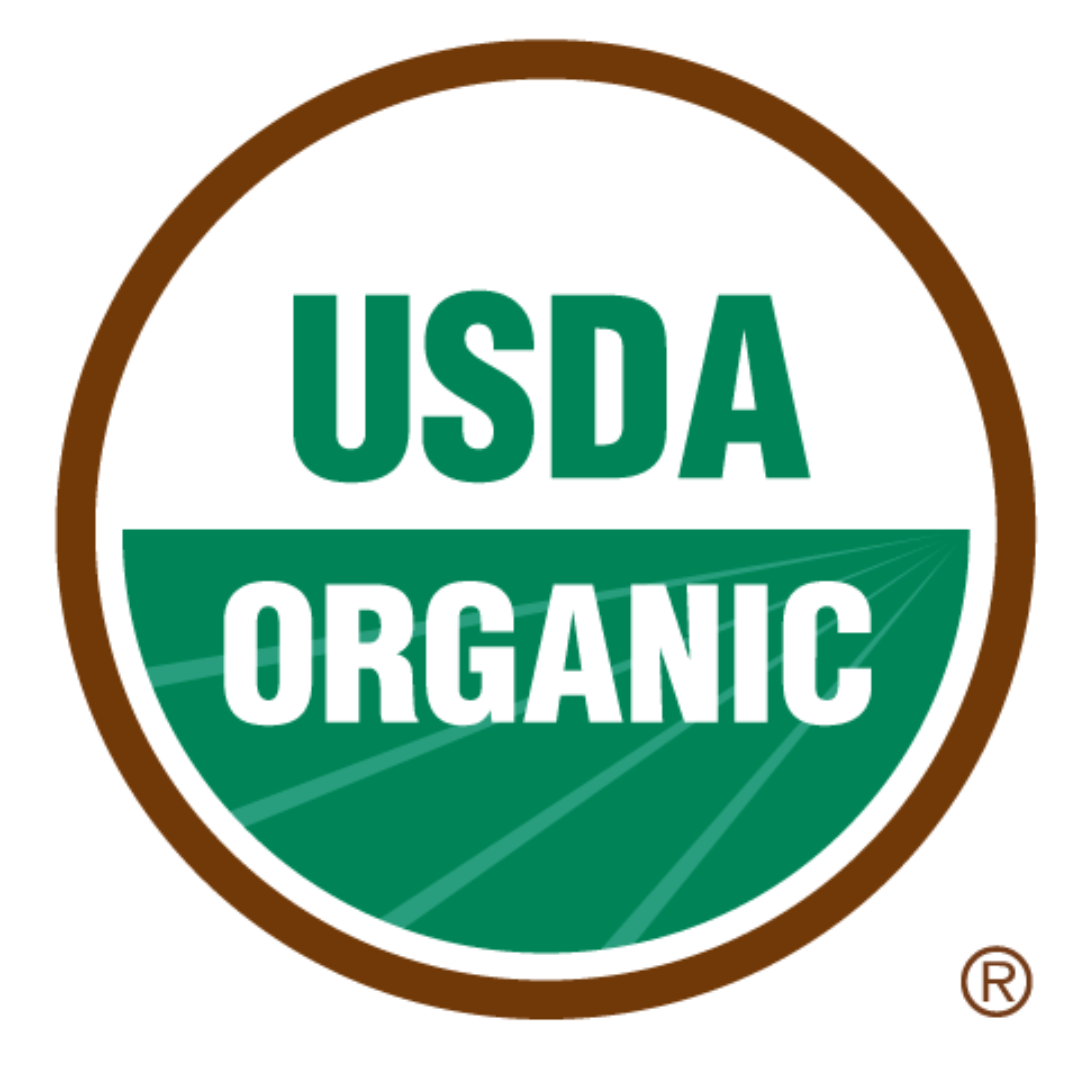
7. Verify USDA organic certification. Go to the USDA Organic Integrity Database and type in the company. If they're not listed, they are not certified. The official certification uses a green USDA organic label. The black version is not the official certified label.
8. Check what else is in the product. Some mushroom products also contain caffeine, L-theanine, and B vitamins. If you feel something from a product like that, you are likely feeling the caffeine, not 50mg of lion's mane powder. When evaluating whether a mushroom supplement is working, you need to know what else you're taking.

What to Look For Instead
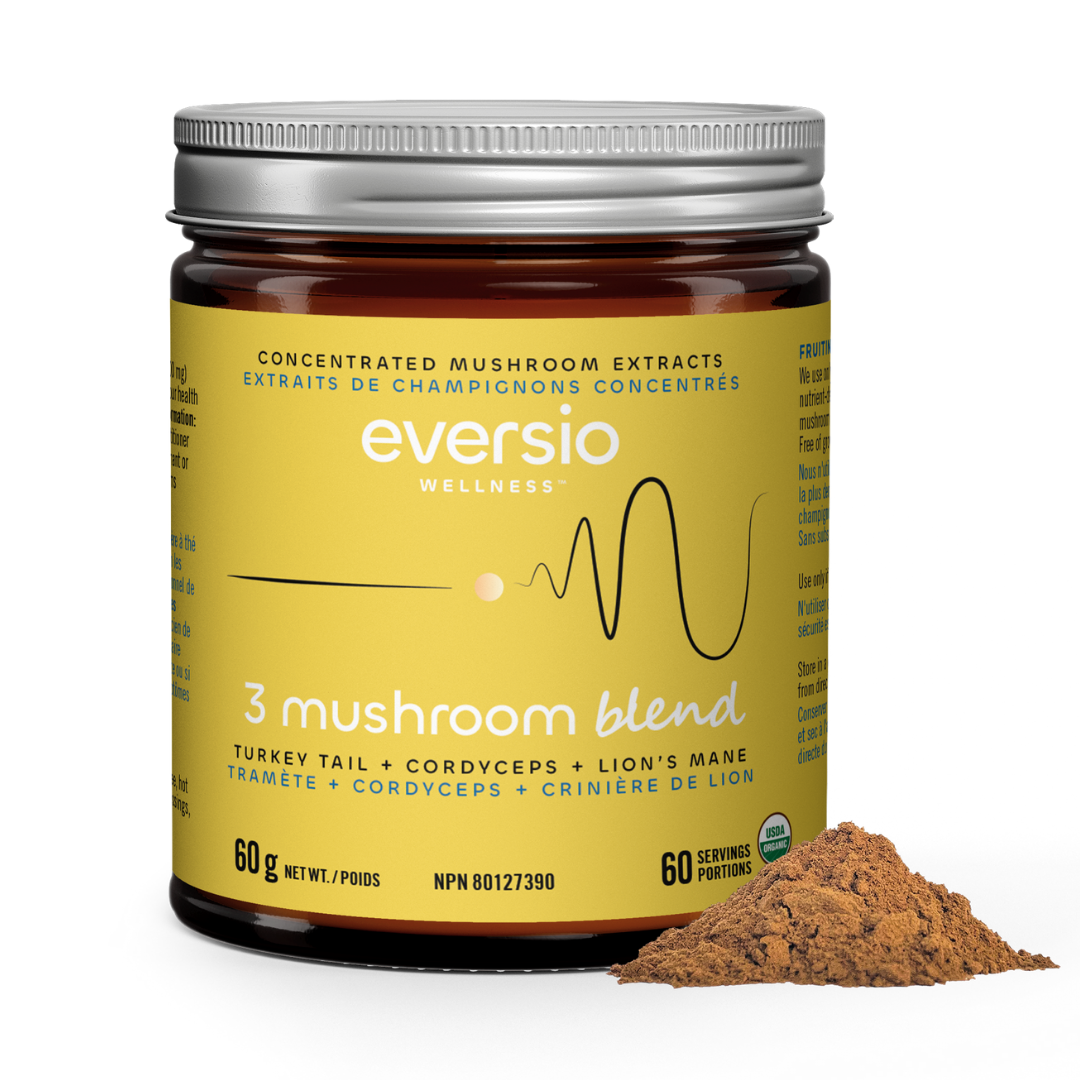
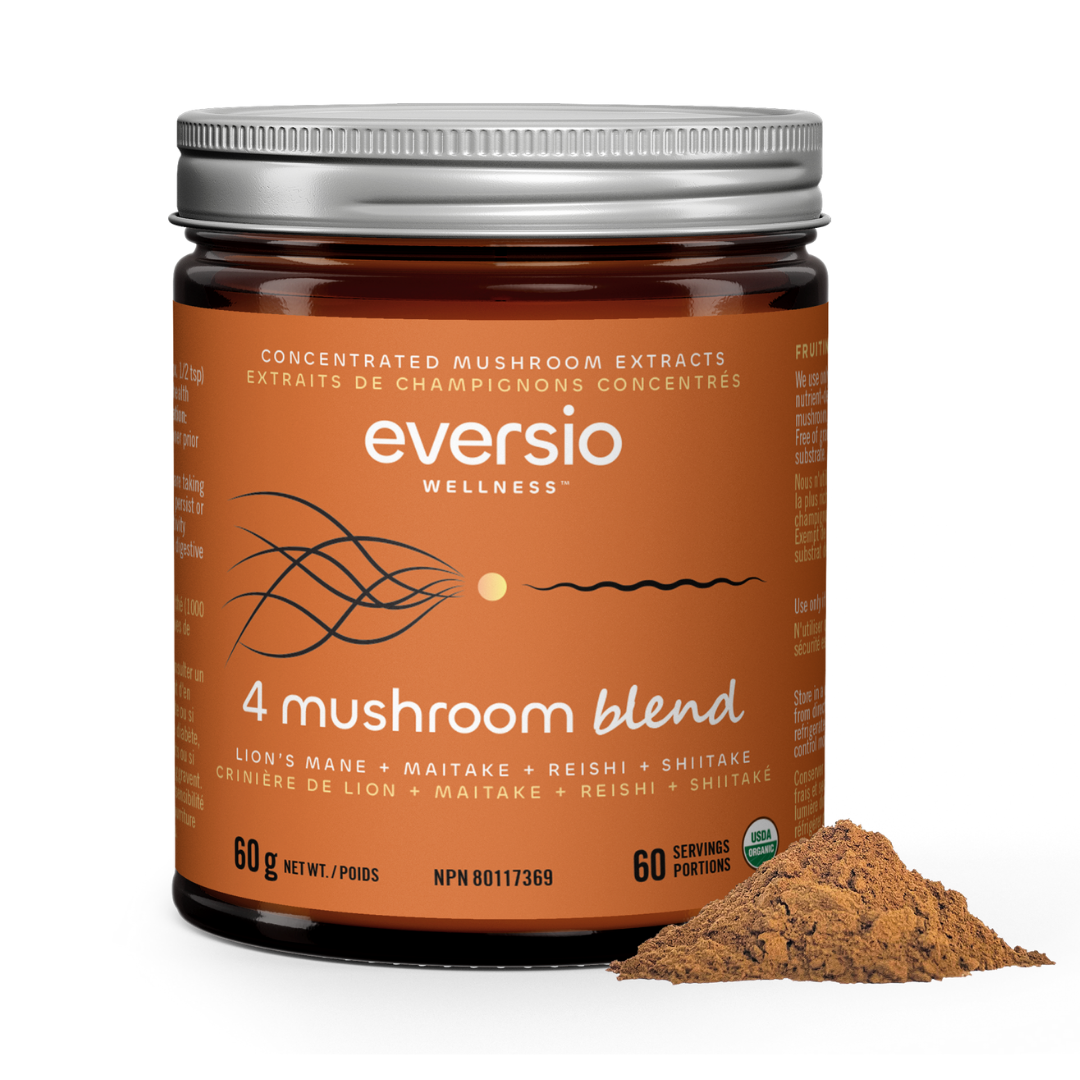
Fruiting body extracts, organic certified, with verified beta-glucan content from an independent lab, at a dose that matches what the research actually tested. That's the standard.
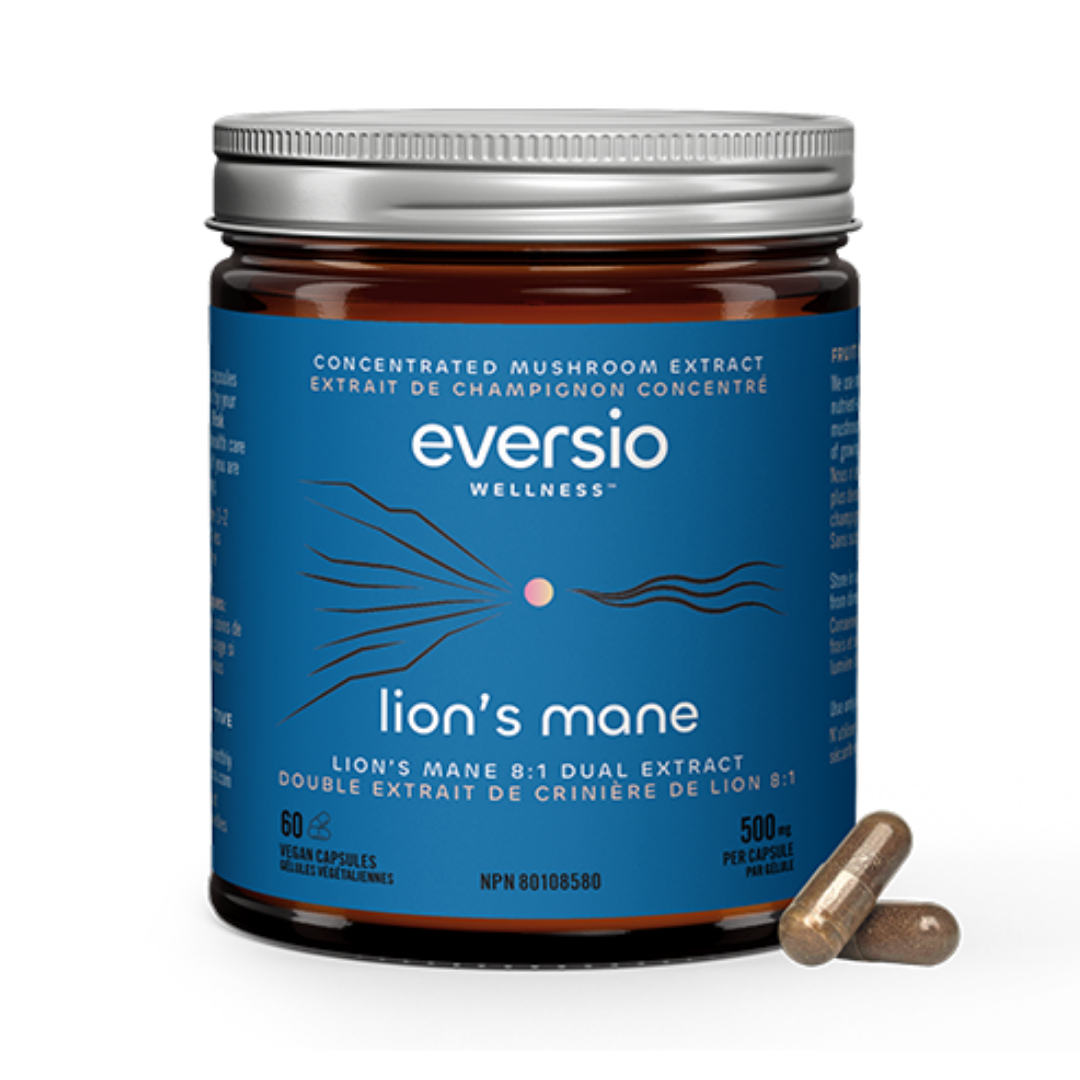
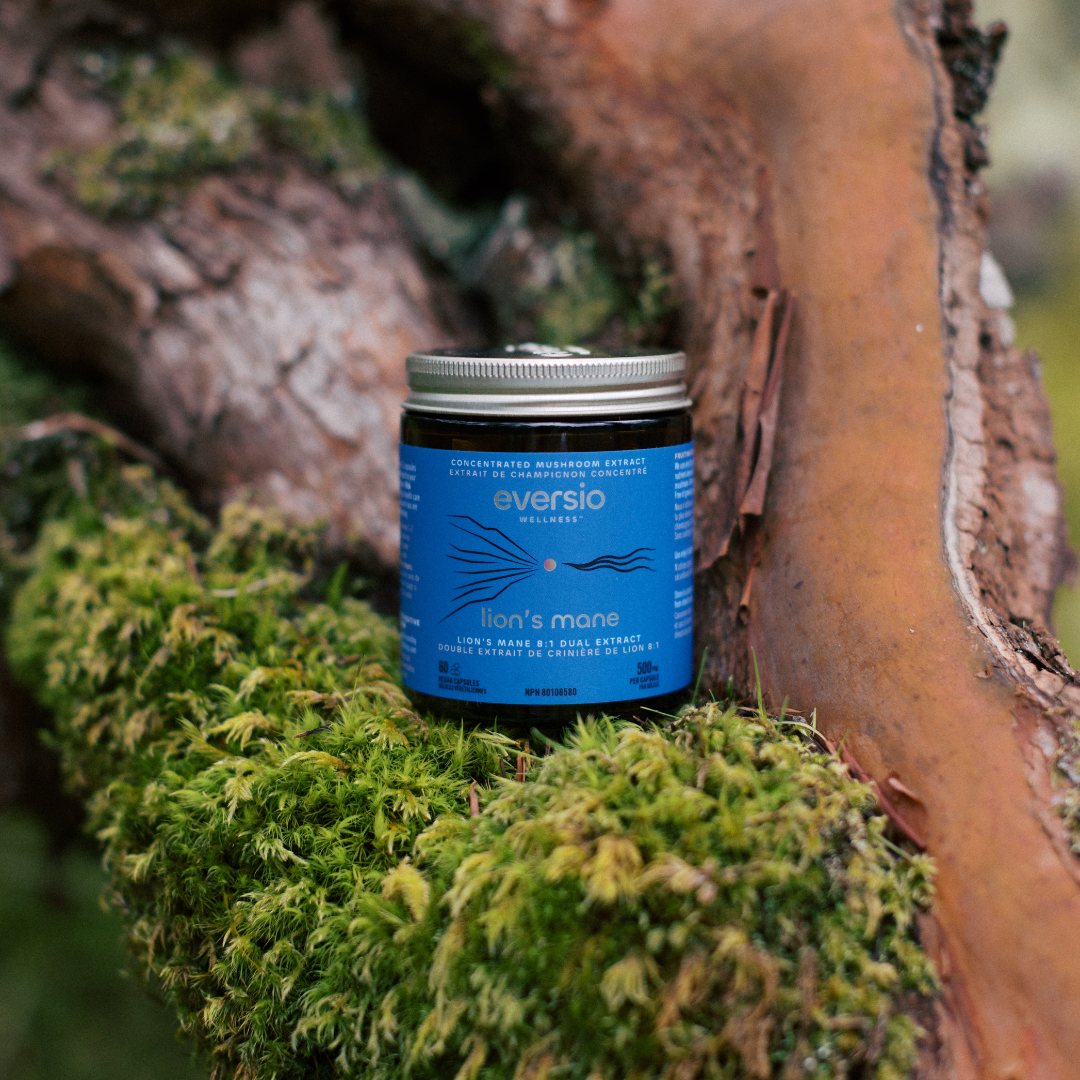
For lion's mane specifically, research on cognitive support, neuroprotection, and nerve growth factor stimulation is based on the fruiting body and hericenones. A dual-extracted fruiting body product gives you both the water-soluble compounds captured by hot water extraction and the fat-soluble compounds captured by alcohol extraction. That's the full compound profile.
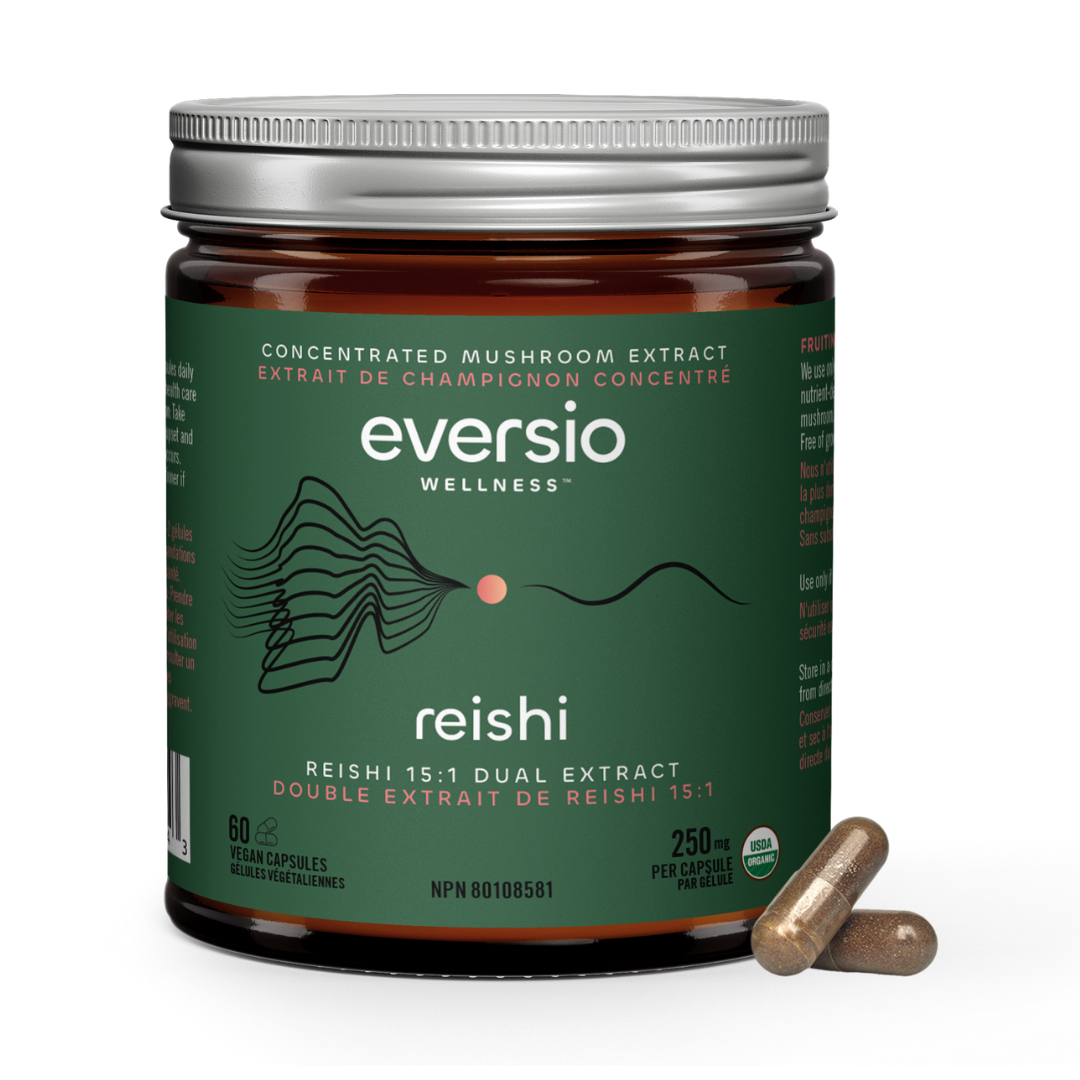
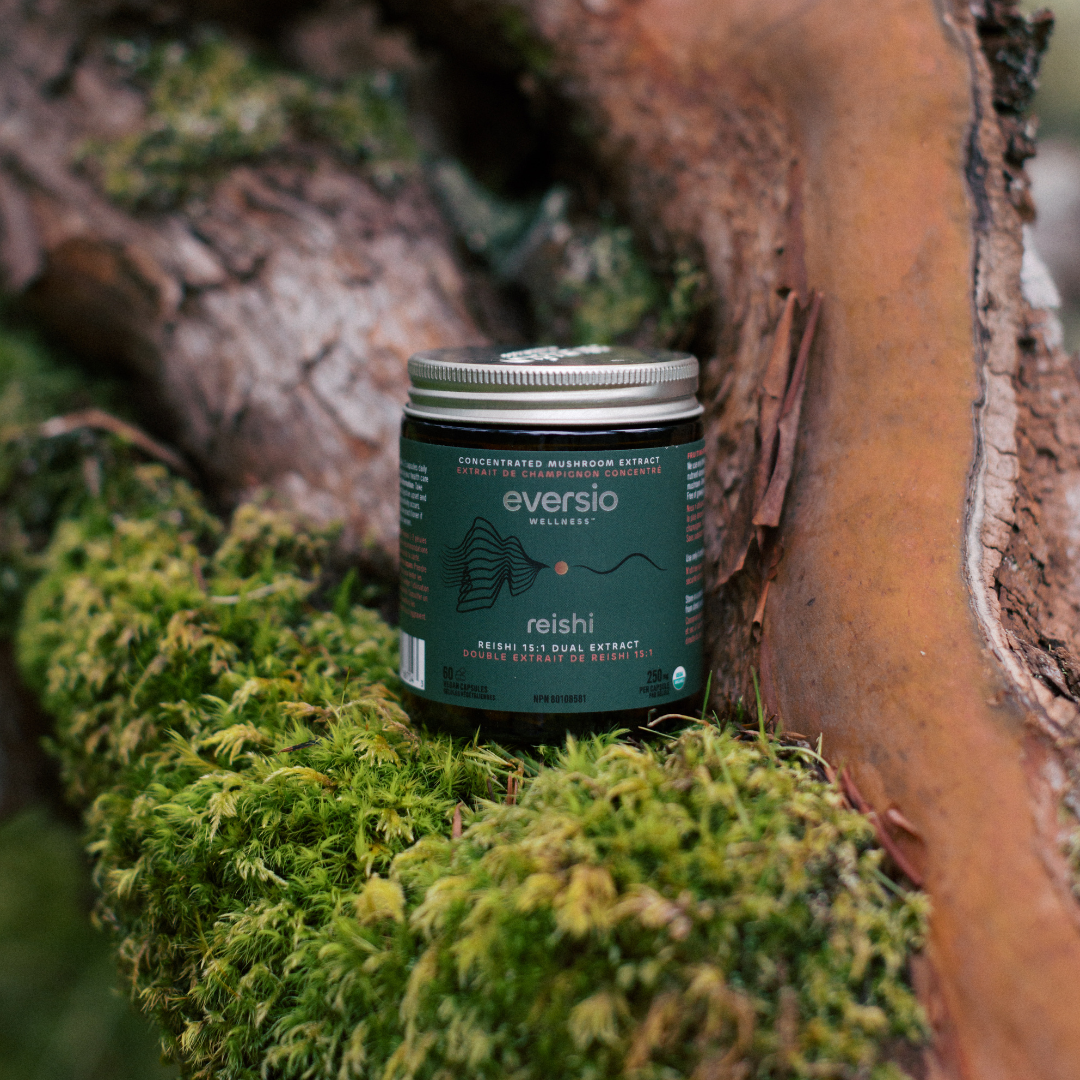
For reishi, the triterpenes, specifically the ganodermic acids associated with adaptogenic properties, are not water-soluble. They require alcohol extraction. A hot water-only reishi product may be missing a significant part of what makes reishi work.
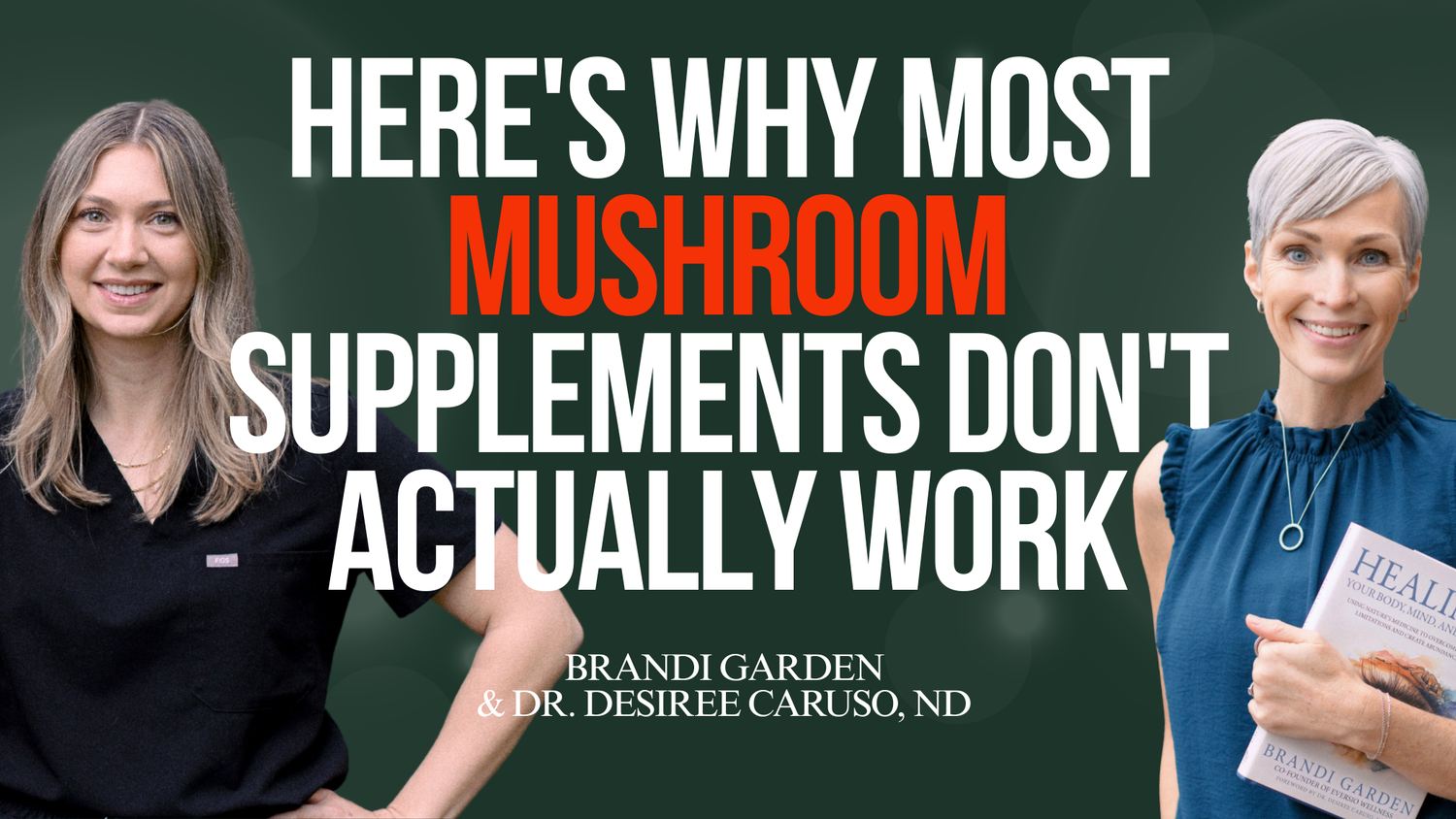
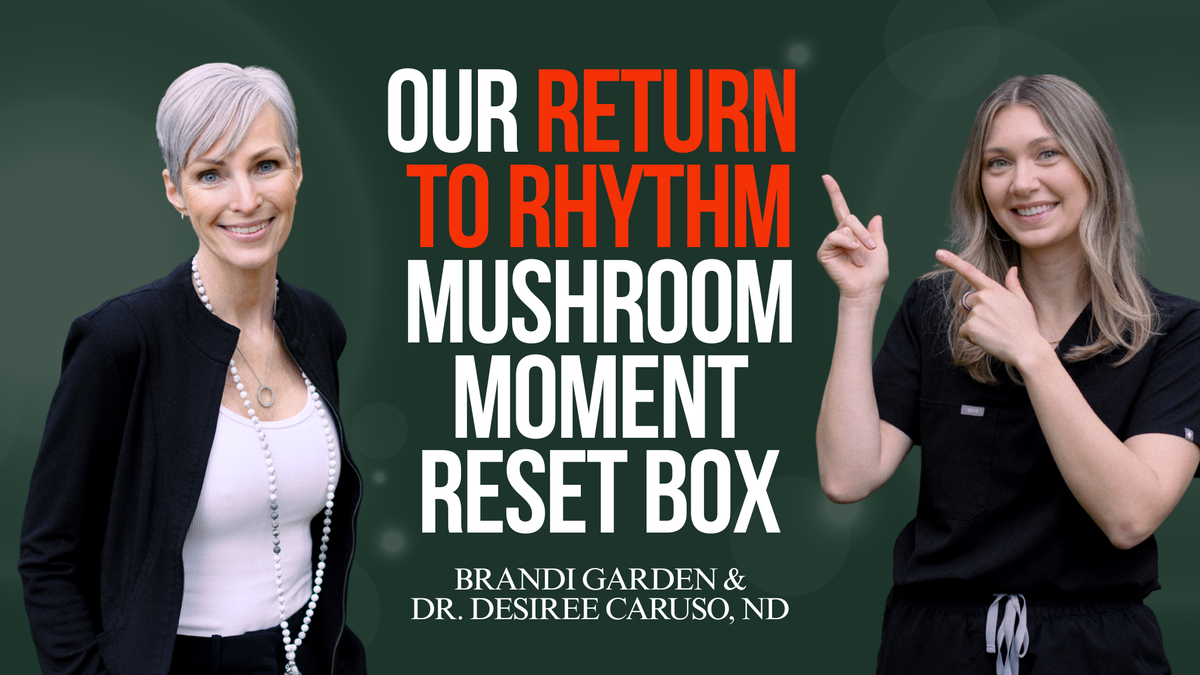
If you want to listen to the full episode and hear the breakdown of all three categories, Brandi's full story about what she was actually taking in the beginning, and the complete eight-question checklist, you can find it here: WATCH ON YOUTUBE







Leave a comment
All comments are moderated before being published.
This site is protected by hCaptcha and the hCaptcha Privacy Policy and Terms of Service apply.