


If you’ve been feeling tired, overwhelmed, burnt out, or like your body just isn’t responding the way it used to, then this conversation was for you.
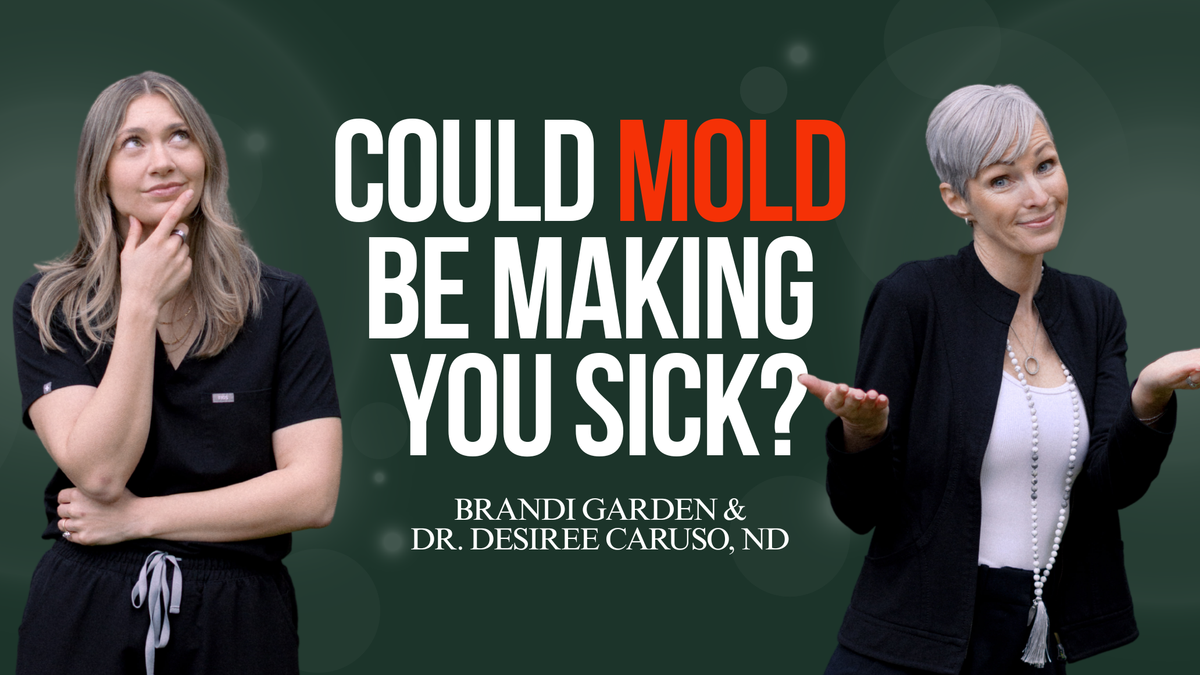
On this episode of The Eversio Experience Podcast, Dr. Desiree Caruso and I sat down with Amy Kapeller, founder of Unbridled Holistic Health, for one of the most honest, grounding, and empowering conversations we’ve had to date.
We talked about burnout.
We talked about hormones.
We talked about food as medicine.
And we talked about something we don’t hear enough about in wellness spaces: trusting your body instead of fighting it.
Amy is an integrative and functional nutrition specialist with advanced training in women’s health and autoimmunity. But more importantly, she is someone who lives the work she teaches. Her journey, from anxiety and gut dysfunction to navigating a rare genetic connective tissue disorder, is a reminder that healing is not about perfection. It’s about partnership with your body.
This episode is about coming back to the foundations.
It’s about nourishment over restriction.
And it’s about remembering that your body is always doing the best it can.

Mushrooms, Interconnectedness, and Why This Conversation Matters
At Eversio, we believe mushrooms are symbols of interconnectedness between systems, between people, between body and mind.
That belief showed up again and again in this conversation.
Because when we talk about health, especially women’s health, nothing exists in isolation. Hormones don’t function alone. The nervous system doesn’t operate independently. Your gut, your brain, your immune system, your hormones, they’re all in constant conversation.
And yet, so many of us have been taught to treat symptoms in silos.
Amy’s work (and her story), is a powerful reminder that healing happens systemically, not in fragments.
Amy’s Story: From Anxiety and Gut Health to Functional Nutrition
Amy didn’t enter the world of holistic nutrition because it was trendy. She entered it because her life depended on it.
From a young age, Amy struggled with anxiety and gut health issues, symptoms that were often dismissed or normalized. At the time, she was working as a schoolteacher, teaching pre-kindergarten and kindergarten, navigating the busyness of life while her body quietly struggled.
Like so many women, her lab work often came back “normal.”
But her lived experience told a different story.
It was through functional nutrition and lifestyle changes that Amy began to see real healing, not just symptom management, but a deeper understanding of how food, stress, and the nervous system were shaping her health.
That journey eventually led her to open Unbridled Holistic Health, where she now supports women in healing hormones, overcoming burnout, and managing chronic illness naturally.
But as Amy shared with us, that wasn’t the end of her story.

Living with a Rare Genetic Condition and Choosing Power Over Fear
After years of unexplained symptoms and navigating the medical system, Amy received a diagnosis: myopathic Ehlers-Danlos Syndrome (EDS), a rare genetic connective tissue disorder, affecting roughly one in a million people.
She was told it was progressive.
She was told there was no cure.
She was told she should be in a wheelchair by now.
And yet.. here she is.
Not because she ignored the diagnosis, but because she refused to let it define her.
For Amy, having a name for what she was experiencing wasn’t a limitation, it was information. It gave her clarity about what her body needed and, just as importantly, what it didn’t.
“Genes load the gun, but lifestyle pulls the trigger.”
This phrase, one Dr. Desiree shared early in our work together, came up again and again in this conversation. Our genes matter, but they are not destiny. How we nourish ourselves, how we manage stress, how we support our systems-- all of it shapes how those genes are expressed.
Amy’s diagnosis didn’t end her belief in healing. It deepened it.
Food as Medicine: What It Actually Means (and What It Doesn’t)
“Food as medicine” is a phrase we hear often, and misunderstand even more often.
For Amy, it does not mean replacing doctors or medications.
It does not mean perfection, restriction, or rigid rules.
It means this:
Every time we eat, we are giving our body information.
That information can either:
- Contribute to imbalance and disease or,
-
provide the resources our body needs to heal
Food works at a systemic level. It fuels metabolism. It stabilizes blood sugar. It supports the nervous system. It feeds the gut microbiome. It impacts inflammation, hormones, and immune function.
And perhaps most importantly, it gives us agency.
When we understand food as information rather than morality, we move out of fear and into empowerment.

Is It Actually Food? A Simple Place to Start
One of my favourite moments from this conversation was Amy’s simplest reframe:
“Was it living, swimming, or growing?”
If the answer is no; chances are, it’s been heavily processed.
That doesn’t mean we aim for perfection. We all shop at grocery stores. We all live busy lives. But it does mean we pause and ask:
- Is this nourishing?
- Is this supporting my body?
-
Or is this just filling space?
This single question can change everything.
Why So Many Women Feel Confused About Health Right Now
The wellness world is loud.
Keto. Paleo. Fasting. Hormone resets. Biohacking. Supplements stacked on supplements.
Information is everywhere, but discernment is rare.
Amy shared something I deeply agree with: before we teach nutrition, we need to teach how to listen to your body.
There is no one-size-fits-all diet.
There is no universal “perfect” protocol.
And what works for you now may not work for you five years from now.
Healing is cyclical. Bodies change. Needs shift.
The goal is not to do everything, it’s to do what’s right for you.

Foundations First: The Systems That Matter Most
When Amy works with women, she doesn’t start with supplements or protocols. She starts with systems:
The Core Foundations of Health
- Blood sugar regulation
- Nervous system balance
- Digestion and absorption
- Liver and detox pathways
-
Hormones (at the top of the pyramid)
This is critical.
Hormones are not the starting point, they’re the signal.
They’re the check-engine light, not the engine itself.
If blood sugar and cortisol are unstable, the body does not feel safe. And when the body doesn’t feel safe, healing doesn’t happen.
This is why so many women feel stuck despite “doing all the right things.”
Breakfast, Blood Sugar, and Why Timing Matters
One of the most practical and powerful takeaways from this episode was around breakfast.
Eating protein and fiber within 90 minutes of waking can dramatically impact:
- Cortisol regulation
- Blood sugar stability
- Energy levels
-
Hormone balance
Skipping breakfast, fasting until noon, and eating late into the night often adds stress rather than reducing it, especially for women already experiencing burnout.
You don’t need extreme fasting.
You need consistency, nourishment, and safety.
A 12-hour overnight digestive break happens naturally when you eat earlier and sleep.
Simple. Powerful. Sustainable.

Food as Medicine Looks Like Addition, Not Restriction
One of the most refreshing parts of Amy’s philosophy is her focus on adding, not removing.
Instead of:
- Cutting everything out
- Demonizing foods
-
Creating more stress
She asks:
- What can we add to nourish you?
- How can we increase diversity?
-
How can food support your life, not control it?
More plants.
More colour.
More fiber.
More minerals.
More joy.
That’s healing.
Functional Mushrooms and Nervous System Support
It’s no surprise that mushrooms came up in this conversation.
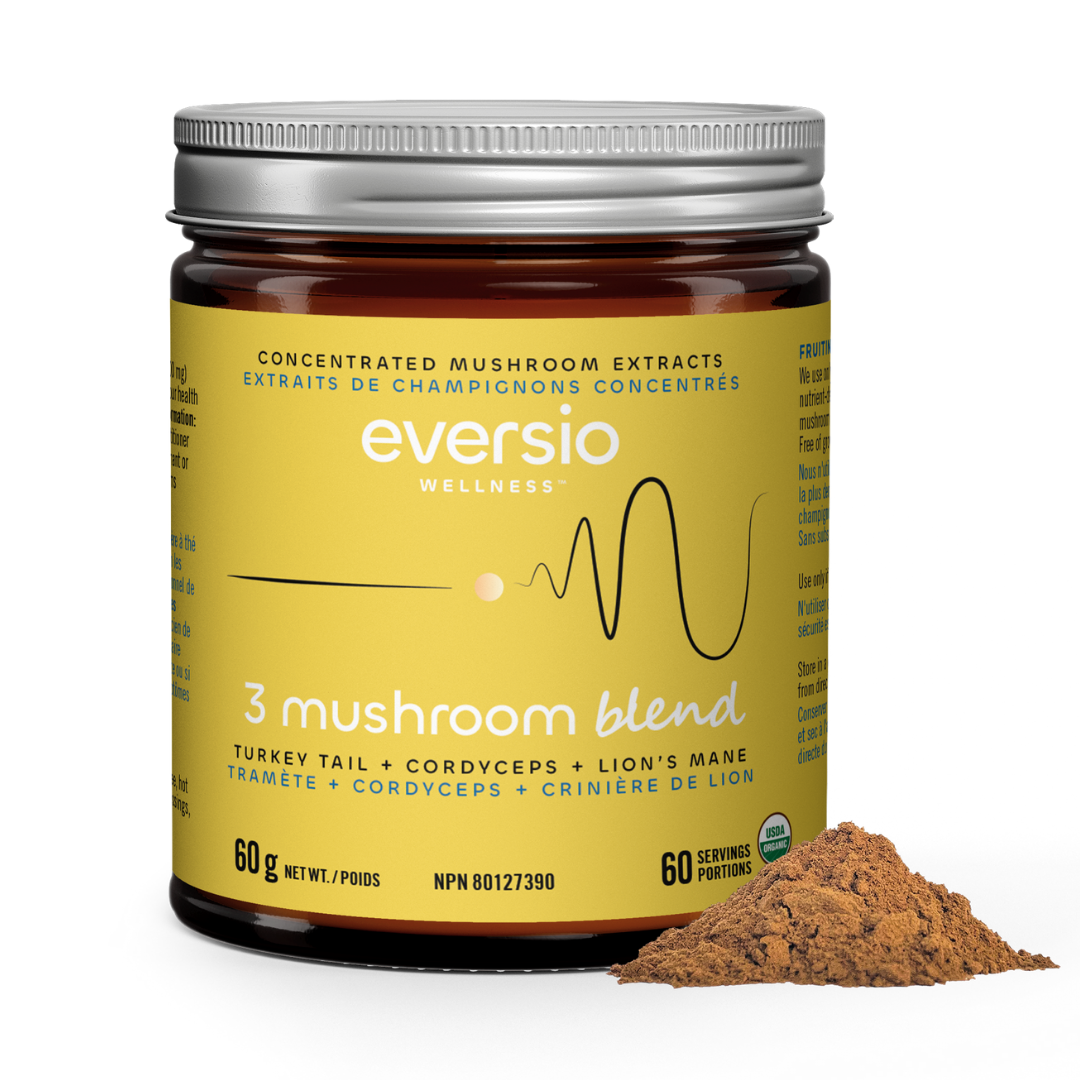
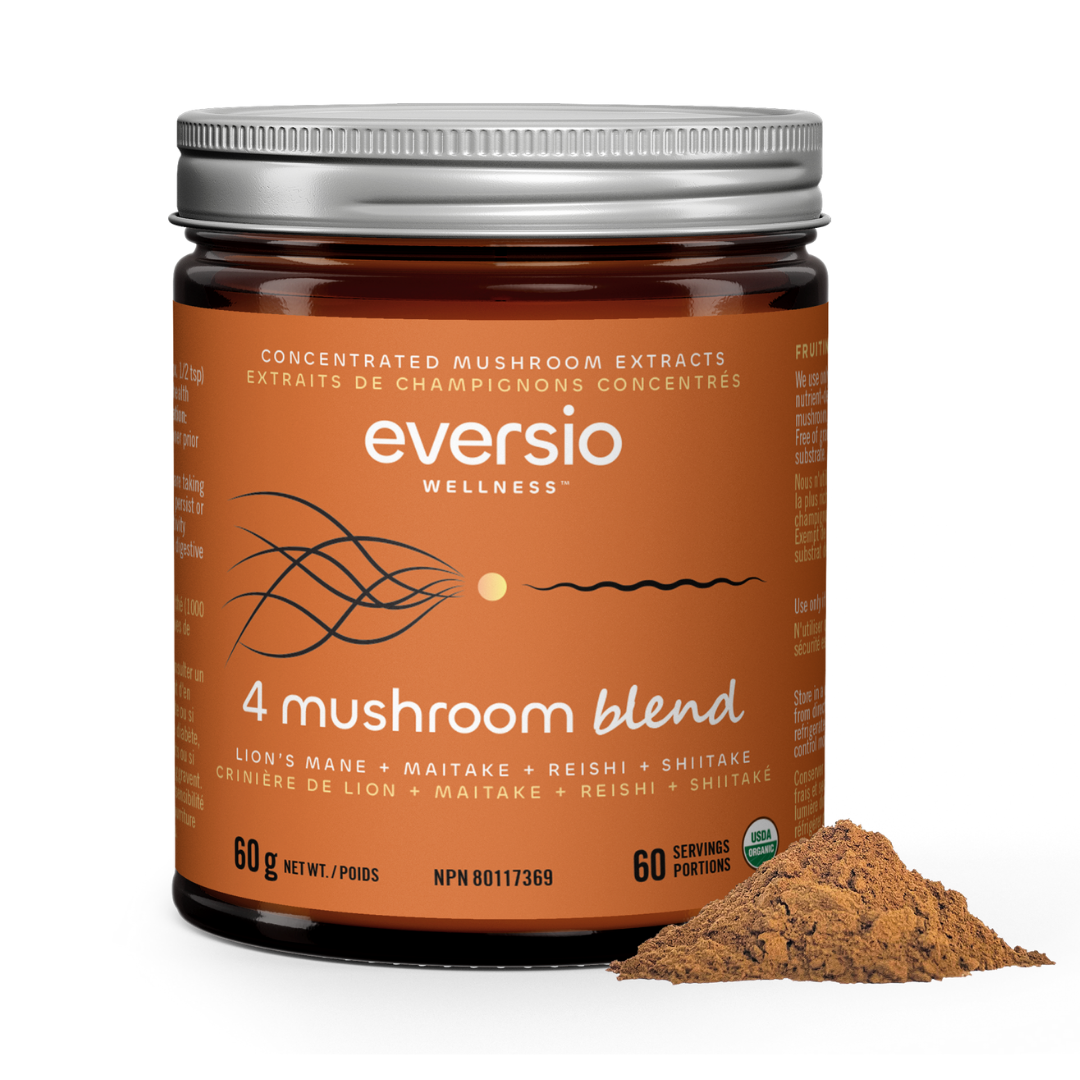
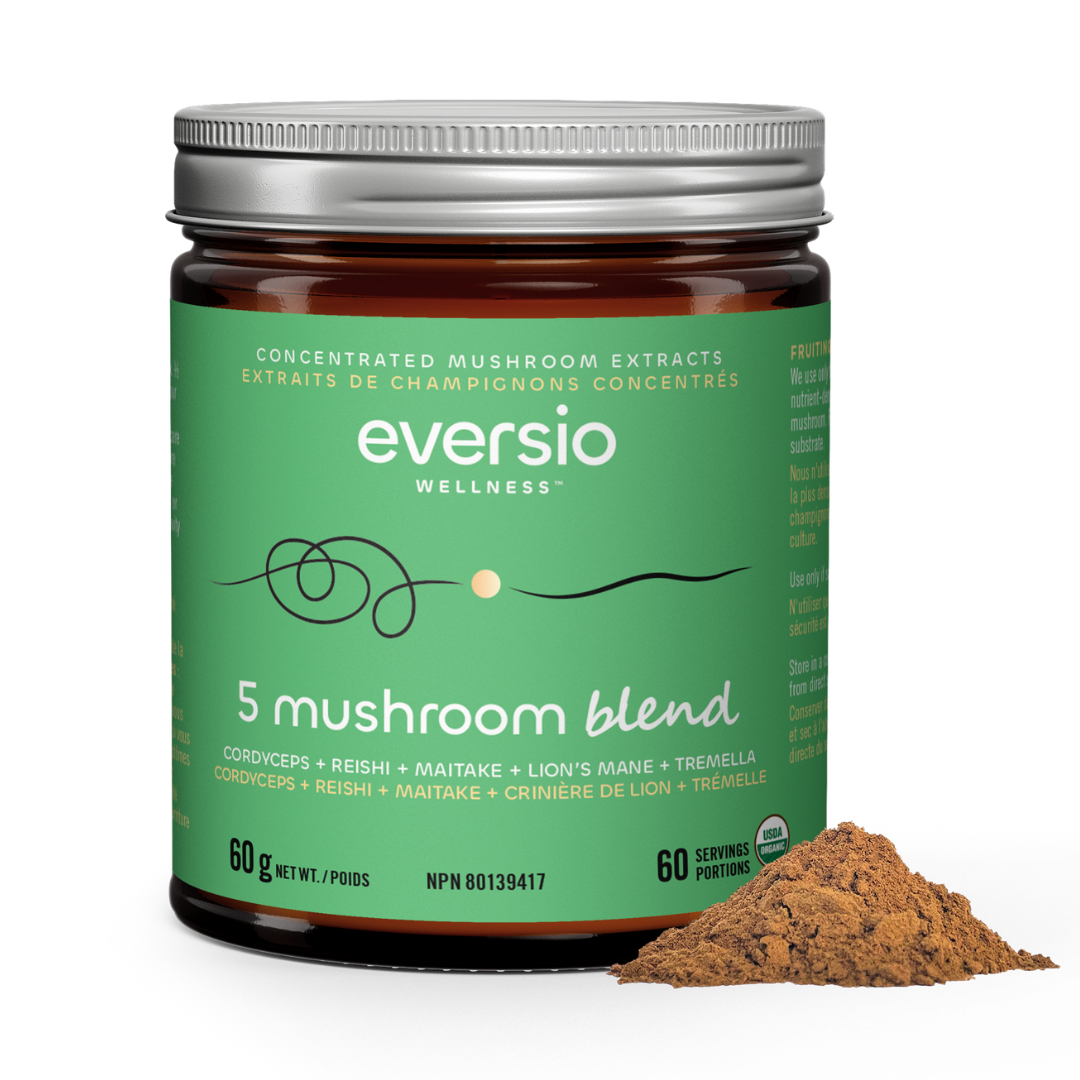
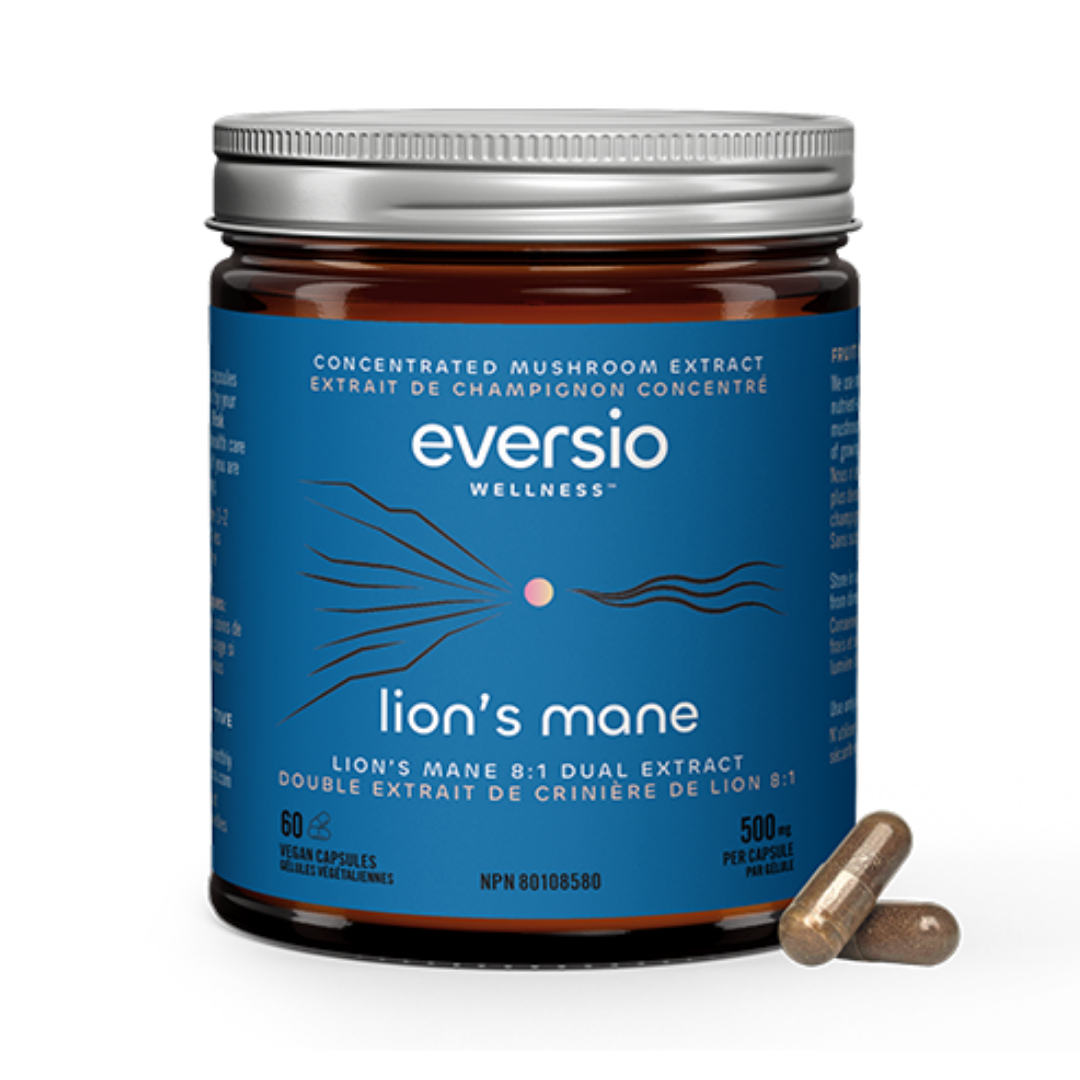
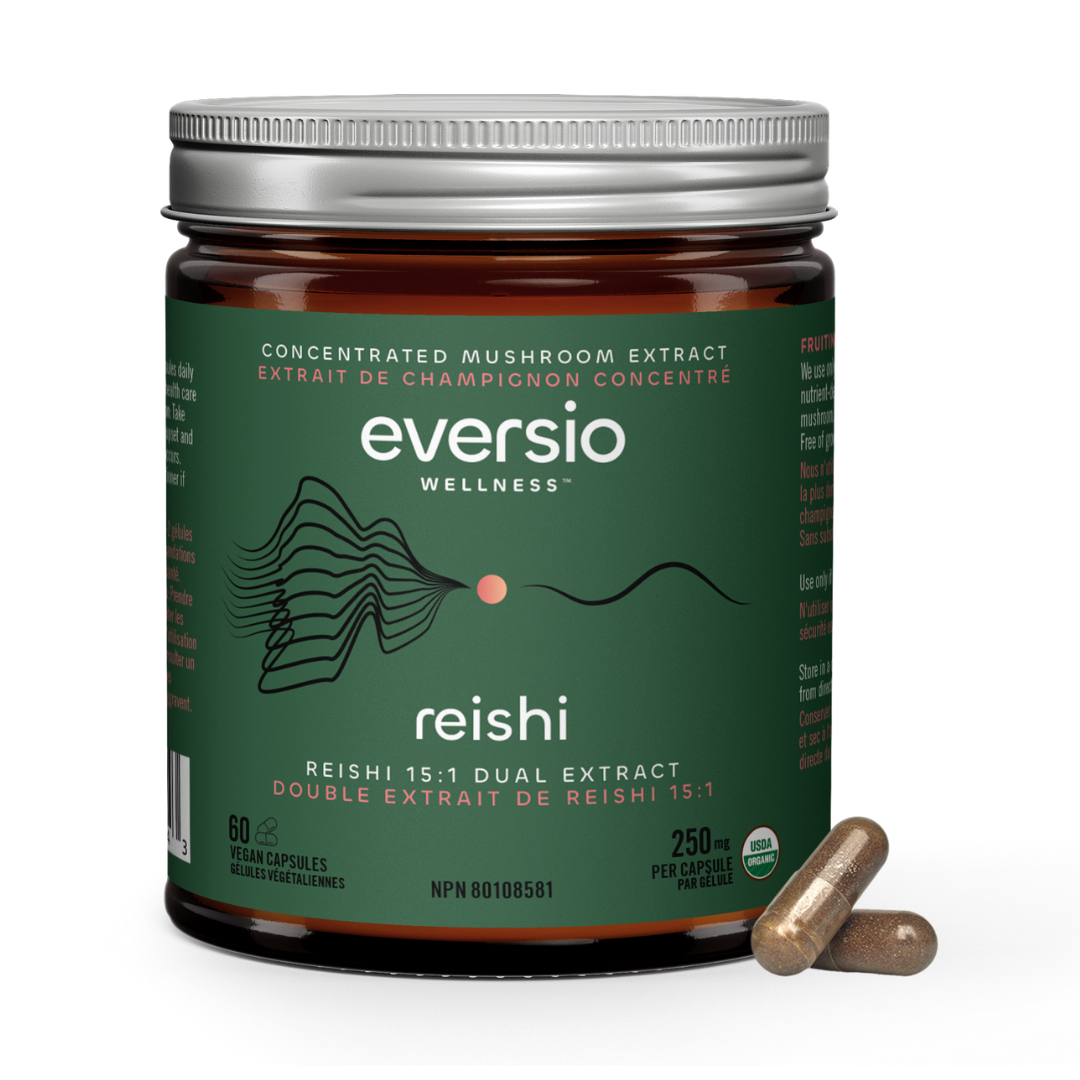
Functional mushrooms support the nervous system, immune health, and stress resilience, not by forcing change, but by helping the body regulate from the foundation up.
This is why we don’t see mushrooms as supplements alone.
They are food as medicine, working with the body rather than overriding it.

A Cookbook Rooted in Love, Grief, and Nourishment
One of the most emotional parts of this episode was learning what inspired Amy’s upcoming recipe book.
After losing her grandmother, Amy chose to honour her legacy by transforming family comfort foods into nourishing, whole-food recipes rooted in healing.
This isn’t just a cookbook.
It’s a guide to nourishment without restriction.
Inside, Amy includes:
- Whole-food swaps
- Pantry and kitchen staples
- Food intolerance guidance
- Autoimmune-supportive recipes
-
Food-as-medicine education throughout
It’s practical.
It’s emotional.
And, it’s deeply human.

Final Thoughts: You Are Not Broken
If there is one thing I hope you take from this conversation, it’s this:
Your body is not broken.
It is communicating.
When we stop fighting our bodies and start listening, everything changes.
Healing doesn’t begin with control, it begins with trust.
Thank you for sharing this moment with us.
Until next time, be well.





Leave a comment
All comments are moderated before being published.
This site is protected by hCaptcha and the hCaptcha Privacy Policy and Terms of Service apply.